How To Check If Ac Unit Is Frozen

One of the most common and frustrating issues homeowners encounter, especially during the peak of summer, is discovering that their air conditioning unit is frozen. This can lead to reduced cooling capacity, increased energy bills, and potentially even damage to the system. But before you panic and call for professional help, there are several steps you can take to diagnose the problem and possibly resolve it yourself. This guide provides a clear, step-by-step approach to check if your AC unit is frozen and what to do about it.
Step 1: Observe the Obvious - Visual Inspection
The first, and often easiest, step is a simple visual inspection of your air conditioning unit. Look for obvious signs of ice on both the indoor and outdoor components.
Checking the Outdoor Unit (Condenser)
The outdoor unit, also known as the condenser, is typically located outside your house. Here's what to look for:
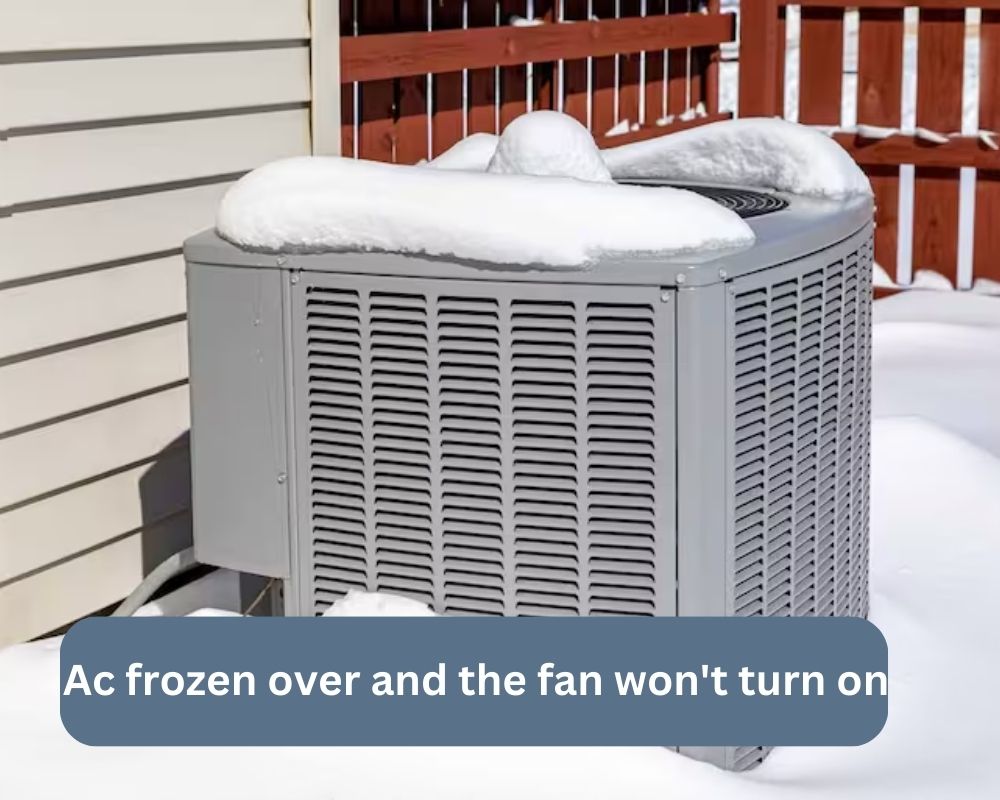
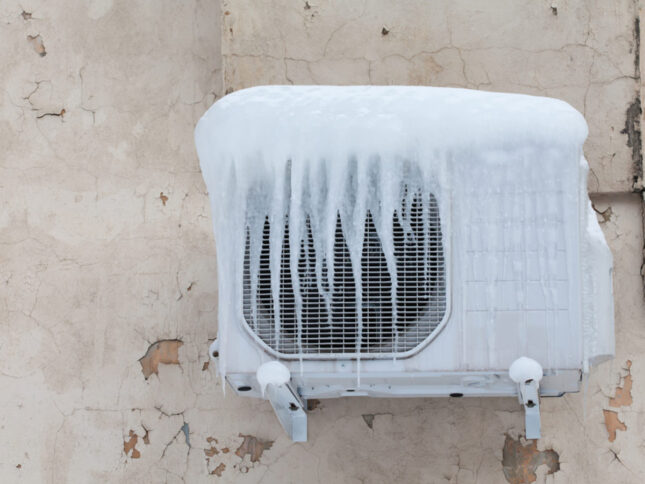
- Ice Formation: Visually inspect the copper refrigerant lines and the coil fins. Heavy ice build-up on these parts is a clear indicator of a frozen unit.
- Snow-like Appearance: Sometimes, instead of solid ice, you might see a frosty, snow-like appearance on the coil. This is also a sign of freezing.
- Blocked Airflow: Check for obstructions around the unit, such as overgrown bushes, leaves, or debris. Blocked airflow can contribute to freezing.
Important: Be careful not to touch any electrical components or sharp edges while inspecting the outdoor unit. Safety first!
Checking the Indoor Unit (Evaporator)
The indoor unit, also called the evaporator, is usually part of your furnace or air handler. Here's how to check it:
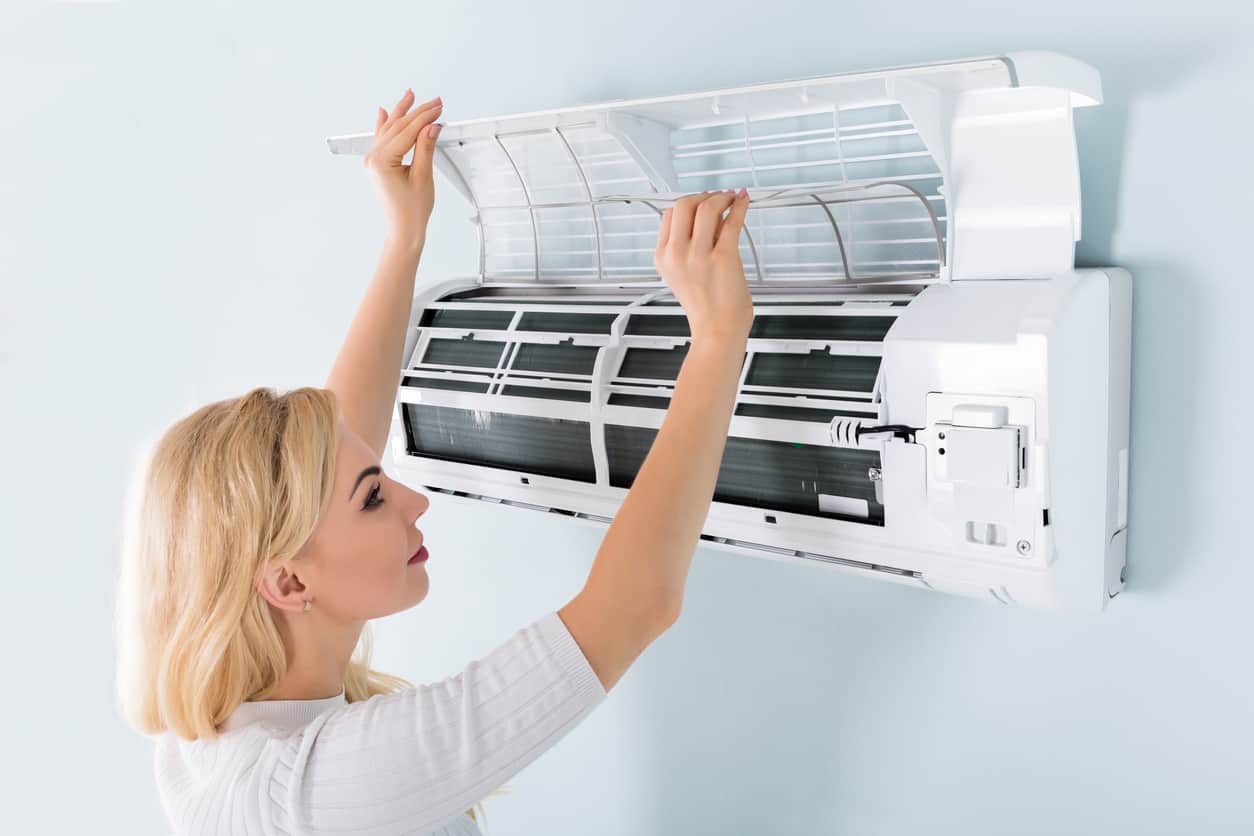
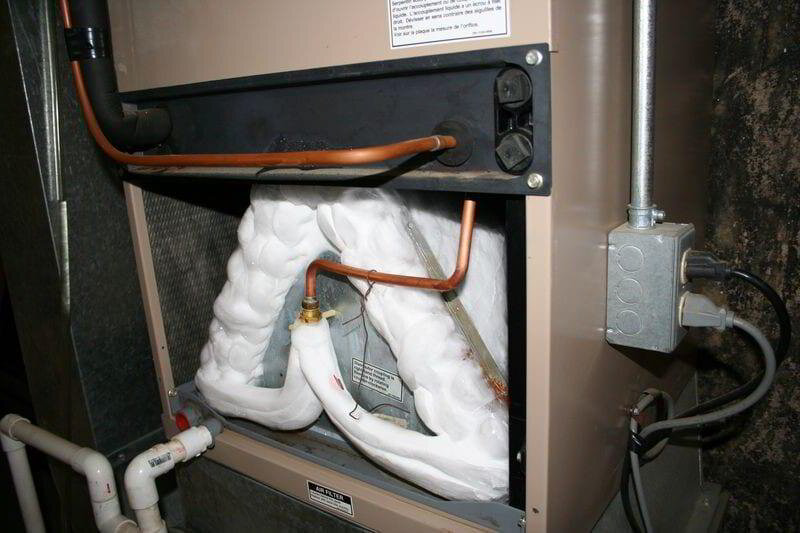
- Access Panel: Locate the access panel on your furnace or air handler. You might need a screwdriver to remove it. Always turn off the power to the unit at the breaker box before removing the panel.
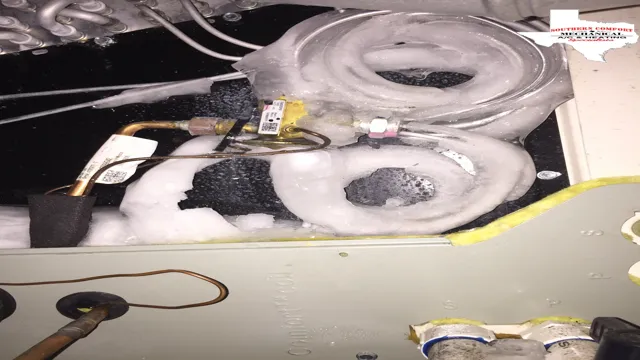
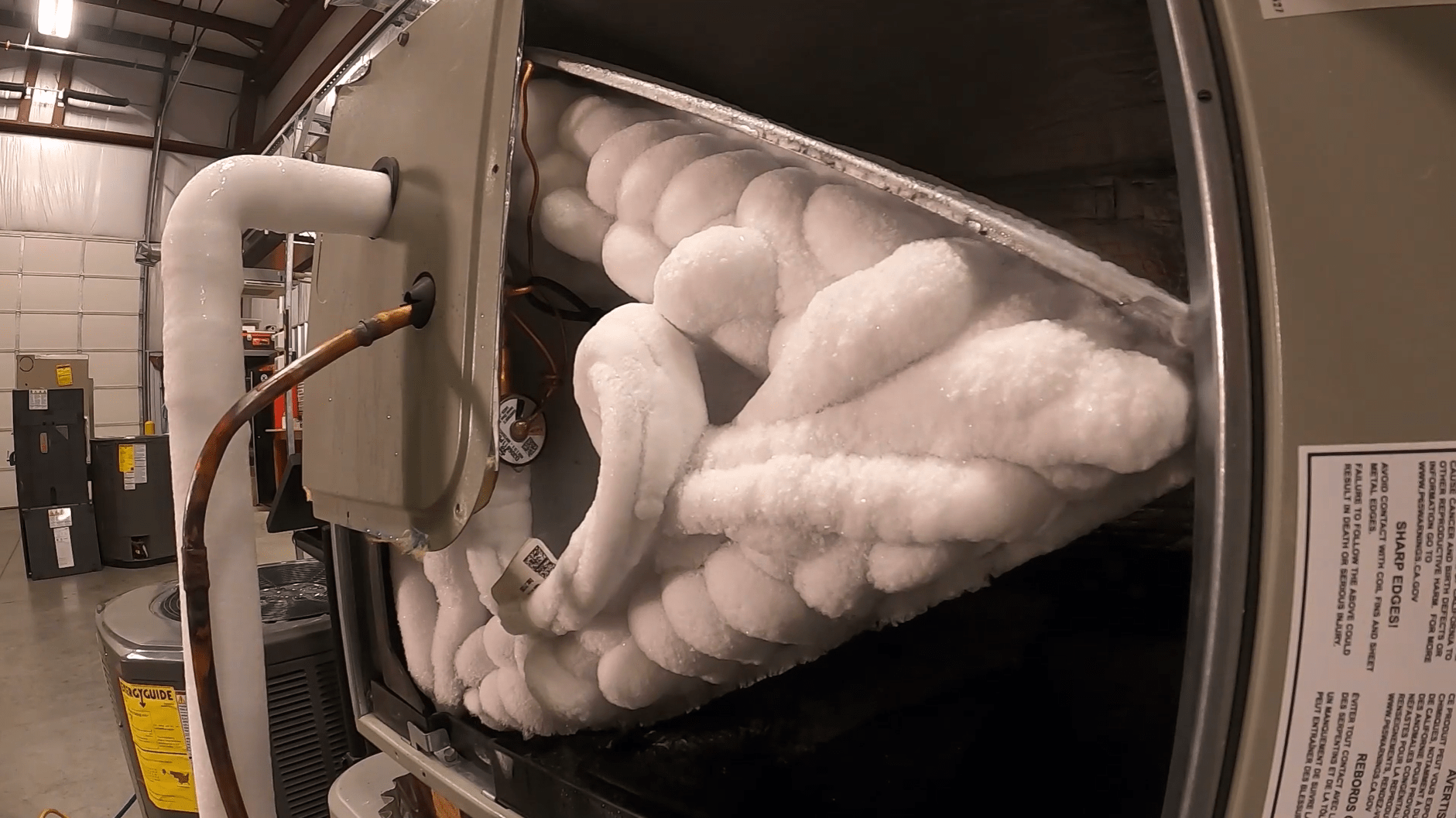
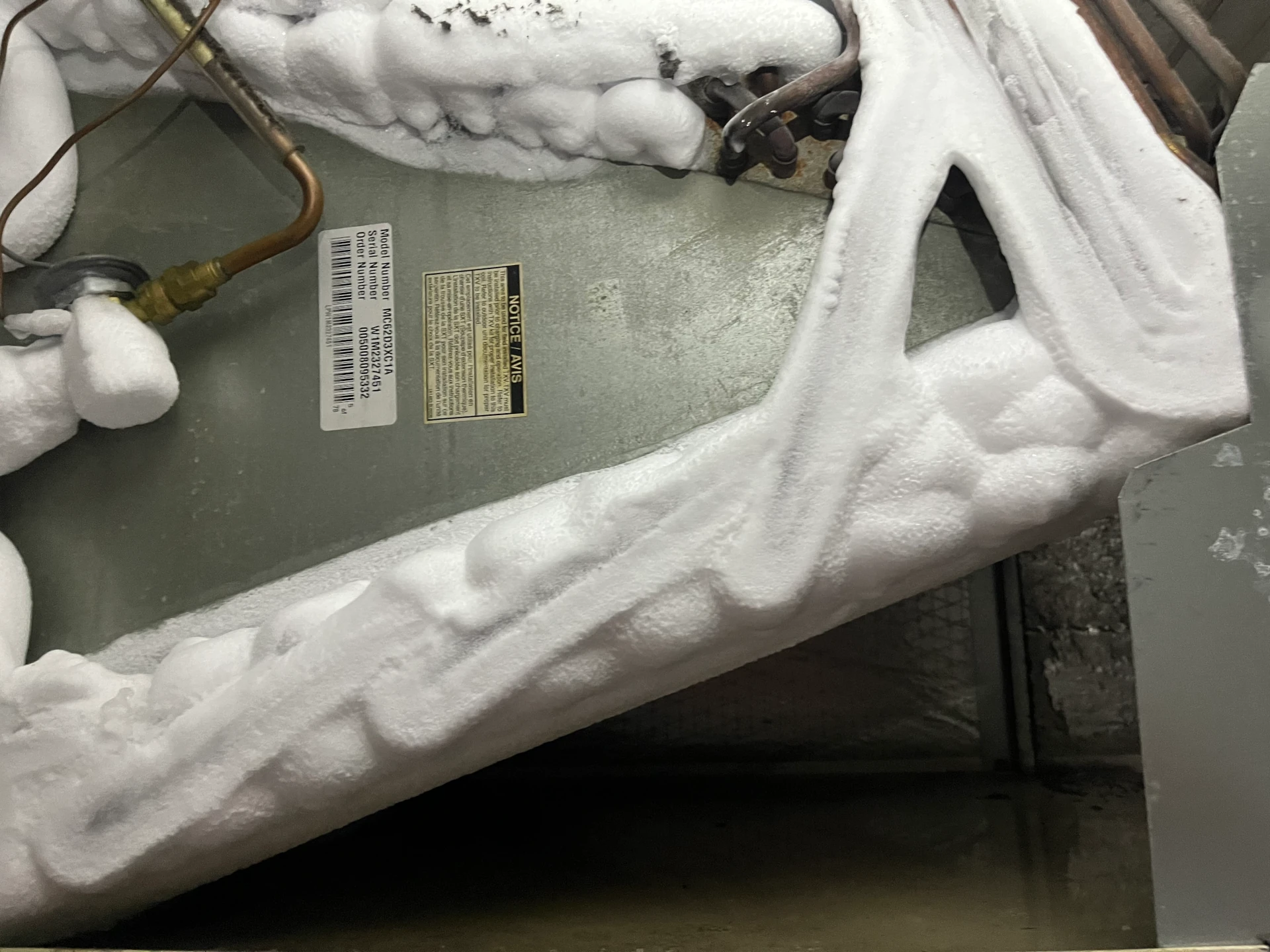
- Evaporator Coils: Once the panel is removed, you should be able to see the evaporator coils. Look for ice build-up on the coils. A flashlight can be helpful.
- Frozen Drain Pan: Check the drain pan under the evaporator coils. If it's full of ice, it's another sign of a frozen AC unit.
- Airflow from Vents: Go to your air vents and check airflow. If the air is weak or non-existent, and you can hear the blower running, it's another potential sign.
Step 2: Check the Air Filter
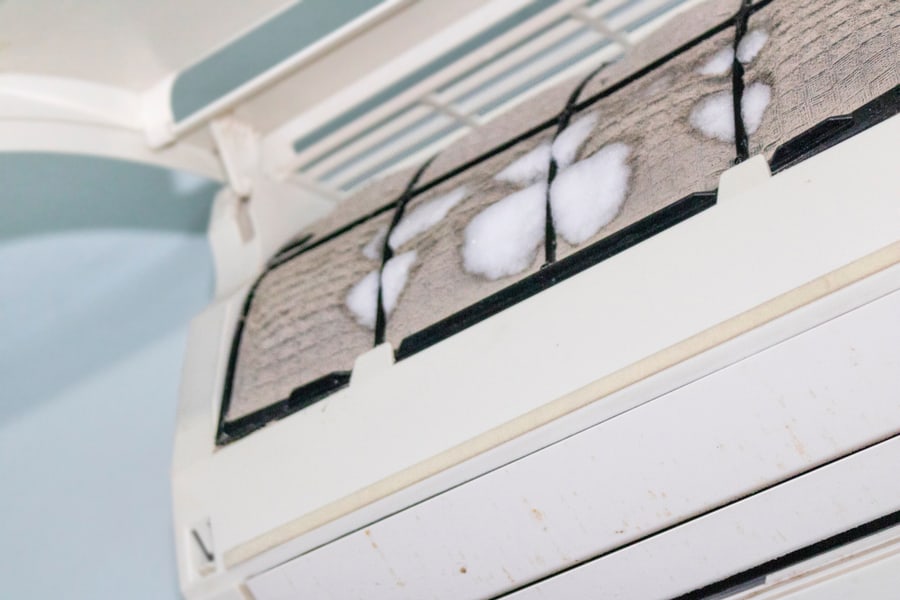
A dirty or clogged air filter is one of the most common causes of a frozen AC unit. A dirty filter restricts airflow, which can cause the evaporator coil to get too cold and freeze.
How to Check and Replace the Air Filter
- Locate the Filter: The air filter is usually located in the return air vent or in the air handler itself.
- Inspect the Filter: Remove the filter and hold it up to the light. If you can't see light through it, it's definitely dirty and needs to be replaced.
- Replace the Filter: Replace the dirty filter with a new one of the correct size and type. The size is usually printed on the filter frame.
- Regular Maintenance: Aim to replace your air filter every 1-3 months, depending on usage and the filter type.
Pro Tip: Mark the date on the new filter when you install it to help you remember when to replace it next.
Step 3: Thawing the Ice
If you've confirmed that your AC unit is frozen, the next step is to thaw the ice. There are a couple of safe and simple methods you can use.
Method 1: Turning Off the AC
The simplest way to thaw the ice is to turn off the AC and let the ice melt naturally. This might take several hours, so be patient.
- Turn Off the Thermostat: Set your thermostat to "Off" or "Fan Only."
- Turn Off the Outdoor Unit: Turn off the power to the outdoor unit at the breaker box.
- Allow Time to Thaw: Let the unit sit for several hours, or even overnight, to allow the ice to melt completely.
- Monitor the Water: Keep an eye on the area around the indoor unit to make sure the melting ice doesn't cause any water damage. You might need to place towels or a bucket to catch any drips.
Method 2: Using the Fan
You can speed up the thawing process by running the fan only on your HVAC system. This will circulate warm air over the frozen coils and help melt the ice faster.
- Set Thermostat to "Fan Only": Set your thermostat to the "Fan Only" setting. This will turn off the compressor but keep the blower fan running.
- Monitor Thawing: Check the indoor unit periodically to see if the ice is melting.
- Check for Water Damage: As with the previous method, monitor the area around the indoor unit for water damage.
Important: Do not attempt to chip away at the ice with a tool or use a heat gun to thaw the coils. This could damage the delicate components of the AC unit.
Step 4: Restarting the AC Unit
Once you've allowed the ice to thaw completely, you can try restarting the AC unit. Before you do, double-check that the air filter is clean and that there are no obstructions around the outdoor unit.
- Turn On the Power: Turn the power back on to the outdoor unit at the breaker box.
- Set Thermostat to "Cool": Set your thermostat to your desired cooling temperature.
- Monitor Performance: Observe the AC unit for the next few hours to make sure it's cooling properly and that ice isn't forming again.
Step 5: Identify and Address Potential Underlying Issues
Successfully thawing your AC and restarting it is a good first step, but if the unit froze in the first place, there's an underlying issue that needs to be addressed to prevent future freezing.
Common Causes and How to Address Them:
- Restricted Airflow: As mentioned earlier, a dirty air filter is a prime suspect. Make sure to replace it regularly. Also, check for blocked vents or furniture obstructing airflow within your home.
- Low Refrigerant Levels: Low refrigerant can cause the evaporator coil to get too cold and freeze. This is a common issue, and unfortunately, requires professional intervention. Do not attempt to add refrigerant yourself, as it requires specialized equipment and knowledge.
- Dirty Evaporator Coils: Over time, the evaporator coils can accumulate dust and debris, which can restrict airflow and lead to freezing. You can try to gently vacuum the coils with a brush attachment, but be very careful not to damage them. If they are heavily soiled, it's best to have them professionally cleaned.
- Faulty Blower Motor: A malfunctioning blower motor can reduce airflow across the evaporator coil, causing it to freeze. If you suspect a problem with the blower motor, it's best to call a professional.
- Leaky Ductwork: Leaky ductwork can cause warm, humid air to enter the system, which can overload the AC unit and lead to freezing. Sealing leaky ducts is a complex job that often requires professional help.
When to Call a Professional
While many causes of a frozen AC unit can be addressed with simple DIY fixes, there are certain situations where it's best to call a qualified HVAC technician. Here's when you should seek professional help:
- Low Refrigerant: If you suspect that low refrigerant is the cause of the freezing, do not attempt to add refrigerant yourself. This is a job for a licensed technician who can properly diagnose the leak and recharge the system.
- Repeated Freezing: If your AC unit freezes repeatedly, even after you've cleaned the air filter and thawed the ice, there's likely a more serious underlying problem that needs to be addressed by a professional.
- Faulty Components: If you suspect that a component of your AC unit, such as the blower motor or compressor, is malfunctioning, it's best to call a professional for diagnosis and repair.
- Complex Issues: If you're not comfortable troubleshooting electrical or mechanical issues, or if you're unsure about how to proceed, it's always best to err on the side of caution and call a professional.
- Ductwork Issues: Addressing ductwork leaks is usually best left to the professionals, they have the specialized tools and skills needed to correctly seal ducts for optimum performance.
Remember: Attempting to repair complex AC issues without the proper knowledge and experience can be dangerous and can potentially damage the unit further.
Preventive Maintenance Tips
To prevent your AC unit from freezing in the first place, here are some important preventive maintenance tips:
- Replace Air Filter Regularly: As mentioned earlier, this is one of the most important things you can do to maintain your AC unit. Aim to replace the filter every 1-3 months.
- Schedule Regular Maintenance: Have your AC unit professionally inspected and maintained at least once a year. A technician can identify and address potential problems before they lead to more serious issues.
- Keep Outdoor Unit Clear: Keep the area around the outdoor unit free of obstructions, such as bushes, leaves, and debris.
- Clean Evaporator Coils: Have the evaporator coils professionally cleaned every few years to ensure optimal performance.
- Monitor System Performance: Pay attention to how your AC unit is performing. If you notice any changes in cooling capacity, airflow, or noise levels, have it checked out by a professional.
By following these tips, you can help keep your AC unit running smoothly and efficiently for years to come.
By following these steps, you can confidently diagnose a frozen AC unit and implement simple fixes. Remember safety first; if ever in doubt, seek professional help.