How To Check If Ignition Control Module Is Bad

Is your furnace acting up? A cold house in the dead of winter is not only uncomfortable, it can also lead to inflated energy bills as your system struggles to keep up. Before you call a technician, consider diagnosing the issue yourself. One potential culprit is the ignition control module (ICM), a crucial component responsible for starting your furnace. This article will guide you through the process of checking if your ICM is faulty, potentially saving you money on repair costs and ensuring your HVAC system operates efficiently, aligning with your energy-saving goals.
Understanding the Ignition Control Module
The ignition control module, sometimes referred to as the ignition module or spark module, is the brain behind your furnace's ignition system. It coordinates the sequence of events necessary to safely ignite the fuel and produce heat. It typically works by receiving signals from various sensors, such as the thermostat and pressure switches, and then energizing the igniter. There are primarily two types of ignition systems: direct spark ignition (DSI) and intermittent pilot ignition. Understanding which system your furnace uses is the first step in effective troubleshooting.
Direct Spark Ignition (DSI): In a DSI system, the ICM sends a high-voltage spark directly to the burner to ignite the gas. This system is more efficient than older pilot light systems as it only uses energy when the furnace is actively heating. Many modern, Energy Star rated furnaces use DSI for its efficiency and reliability.
Intermittent Pilot Ignition: This system uses a small pilot flame to ignite the main burners. The ICM first ignites the pilot light and then monitors it using a flame sensor. Once the flame sensor confirms the pilot is lit, the ICM opens the main gas valve, allowing the pilot flame to ignite the main burners.
Preliminary Checks Before ICM Testing
Before you dive into ICM testing, perform a few basic checks to rule out other common furnace problems. This can save you time and prevent unnecessary repairs.
- Check the Thermostat: Ensure your thermostat is set to "heat" and the temperature is set higher than the current room temperature. Confirm the thermostat is functioning correctly. Smart thermostats, like those offered by Nest and Ecobee, can provide error codes or diagnostic information, simplifying this process.
- Inspect the Air Filter: A dirty air filter restricts airflow, which can cause the furnace to overheat and shut down. Replace the filter if it's clogged. According to the U.S. Department of Energy, replacing a dirty air filter can improve your furnace's efficiency by 5-15%.
- Check the Power Supply: Make sure the furnace is receiving power. Check the circuit breaker and the furnace's power switch.
- Inspect the Gas Valve: Ensure the gas valve is open. The valve is typically located near the gas supply line to the furnace.
- Look for Obvious Issues: Visually inspect the furnace for any signs of damage, such as loose wires, burnt components, or gas leaks. If you suspect a gas leak, immediately evacuate the area and call your gas company.
Tools and Safety Precautions
Before proceeding with ICM testing, gather the necessary tools and prioritize safety.
Tools Required:
- Multimeter (capable of measuring AC and DC voltage, as well as resistance)
- Screwdrivers (various sizes, including Phillips and flathead)
- Wire strippers/crimpers
- Pliers
- Safety glasses
- Work gloves
- Voltage tester (non-contact)
Safety Precautions:
- Turn off the power: Disconnect the power to the furnace at the circuit breaker before working on any electrical components. Verify the power is off using a non-contact voltage tester.
- Work in a well-ventilated area: Furnaces can produce carbon monoxide, so ensure adequate ventilation.
- Wear safety glasses and gloves: Protect your eyes and hands from potential hazards.
- Consult the furnace's manual: Refer to the manufacturer's manual for specific instructions and wiring diagrams.
- If in doubt, call a professional: If you're uncomfortable working with electrical components or gas appliances, it's best to call a qualified HVAC technician.
Testing the Ignition Control Module: Step-by-Step Guide
With the preliminary checks completed and safety precautions in place, you can now proceed with testing the ICM. These steps provide a general guideline. Always consult your furnace's specific documentation for the most accurate procedure.
Step 1: Locating the Ignition Control Module
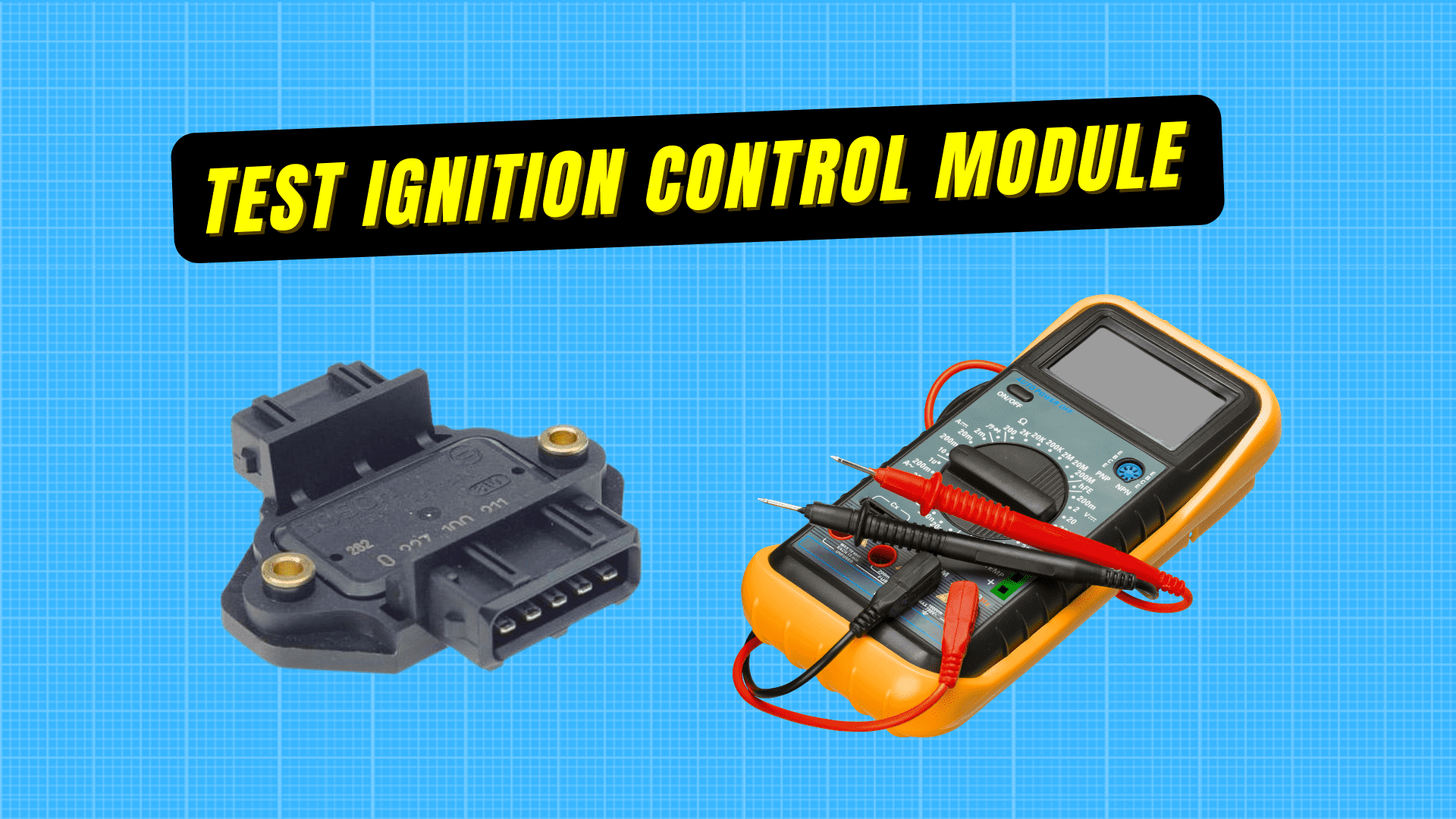
The ICM is typically located inside the furnace control panel, often near the blower motor or the gas valve. It's usually a small, rectangular box with several wires connected to it. Refer to your furnace's wiring diagram to identify the ICM.
Step 2: Visual Inspection
Visually inspect the ICM for any signs of damage, such as burnt components, cracked housing, or loose connections. A visual inspection can often reveal obvious problems that can be easily rectified.
Step 3: Testing for Power Input
Use a multimeter to check for proper voltage at the ICM's power input terminals. Refer to the wiring diagram to identify the correct terminals. You should typically see 24VAC. If there's no voltage, trace the power supply back to the transformer and troubleshoot accordingly.
Step 4: Testing the Igniter Output
This step depends on the type of ignition system your furnace uses. For DSI systems, you'll need to test the output voltage to the igniter. During the ignition sequence, the ICM should send a high voltage (typically around 120VAC) to the igniter. Use your multimeter to measure the voltage at the igniter terminals while the furnace is attempting to ignite. If there's no voltage, the ICM may be faulty. For Intermittent Pilot Ignition systems, this involves checking the voltage to the pilot valve and flame sensor circuits according to the manufacturer's specifications.
Step 5: Testing the Flame Sensor (For Intermittent Pilot Systems)
The flame sensor is a critical component in intermittent pilot ignition systems. It detects the presence of the pilot flame and signals the ICM to open the main gas valve. To test the flame sensor, use your multimeter to measure the microamps (µA) reading while the pilot flame is lit. A healthy flame sensor should typically read between 2-10 µA. A low or zero reading indicates a faulty flame sensor, which can prevent the main burners from igniting.
Step 6: Checking Continuity
Some ICMs have internal fuses or circuits that can be tested for continuity using a multimeter. Disconnect the power to the ICM and use the multimeter's continuity setting to check for breaks in the circuit. A lack of continuity indicates a faulty component within the ICM.
Interpreting the Results and Troubleshooting
After performing the tests, interpret the results carefully to determine the cause of the problem. Here's a general guide:
- No power to the ICM: Check the circuit breaker, transformer, and wiring for any issues.
- No output voltage to the igniter: The ICM is likely faulty and needs to be replaced.
- Faulty flame sensor: Clean or replace the flame sensor. A dirty flame sensor is a common cause of furnace problems.
- Lack of continuity within the ICM: The ICM is faulty and needs to be replaced.
If the ICM is indeed faulty, you can purchase a replacement from an HVAC supply store or online retailer. Ensure the replacement ICM is compatible with your furnace model.
Smart HVAC Integration and Energy Savings
Upgrading to a smart thermostat and integrating it with your HVAC system can offer significant energy savings and enhanced control. Smart thermostats learn your heating and cooling preferences and automatically adjust the temperature based on your schedule. Many smart thermostats also offer features like geofencing, which automatically adjusts the temperature when you leave or approach your home. These features can reduce energy waste and lower your utility bills. Furthermore, modern HVAC systems, especially those with variable-speed blowers and compressors, can be paired with sensors for optimal efficiency. Rebates and tax incentives are often available for installing Energy Star certified smart thermostats and energy-efficient HVAC equipment. Check with your local utility company and the DSIRE (Database of State Incentives for Renewables & Efficiency) website for available programs. For example, investing in a high-efficiency furnace with a variable-speed blower motor could qualify you for rebates and reduce your energy consumption by up to 20%, according to Energy Star estimates. Properly maintained and energy-efficient HVAC systems contribute to a more sustainable home and a healthier planet.
When to Call a Professional
While this guide provides a comprehensive overview of how to check if an ignition control module is bad, it's important to recognize when to call a professional. If you're uncomfortable working with electrical components or gas appliances, or if you're unable to diagnose the problem after performing the tests, it's best to call a qualified HVAC technician. A professional has the expertise and equipment to accurately diagnose and repair complex HVAC problems, ensuring your system operates safely and efficiently. Furthermore, if your furnace is still under warranty, attempting to repair it yourself may void the warranty. Always consult the warranty documentation before attempting any repairs.
By following these steps, you can diagnose a faulty ignition control module and potentially save money on repair costs. Remember to prioritize safety and consult a professional when needed. With a little effort and knowledge, you can keep your furnace running efficiently and comfortably, while also saving energy and reducing your environmental impact.