How To Check Rinnai Error Codes
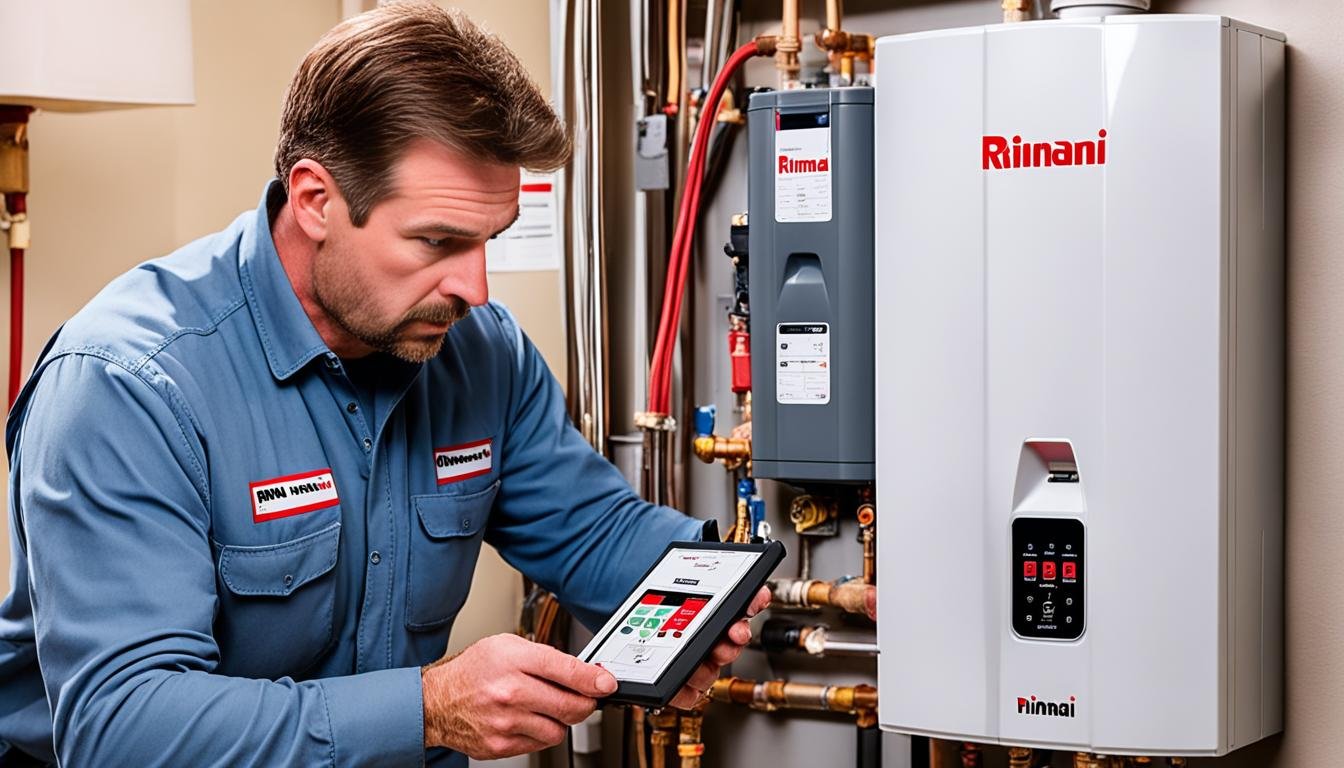
Understanding error codes is crucial for maintaining the efficient operation of your Rinnai HVAC system. These codes serve as a built-in diagnostic tool, providing valuable insights into the health and performance of your unit. Instead of immediately calling a technician for every minor issue, learning to decipher these codes can save you time, money, and prevent unnecessary downtime. This guide will walk you through the process of checking Rinnai error codes, helping you troubleshoot common problems and make informed decisions about maintenance and repairs.
Why Check Rinnai Error Codes?
Rinnai systems, known for their reliability and efficiency, sometimes encounter issues. These issues are communicated through error codes displayed on the unit's control panel. Ignoring these codes can lead to more significant problems and potentially shorten the lifespan of your HVAC system. Understanding the meaning of these codes allows you to:
- Identify the problem quickly: Error codes pinpoint the source of the issue, saving diagnostic time.
- Troubleshoot minor issues yourself: Some error codes indicate simple problems that you can resolve without professional help.
- Provide accurate information to technicians: Knowing the error code helps technicians arrive prepared with the necessary parts and expertise.
- Prevent further damage: Addressing issues promptly can prevent them from escalating into more costly repairs.
Locating the Error Code
The location of the error code display varies depending on the specific Rinnai model. Common locations include:
- Control Panel: Many Rinnai units feature a digital control panel that displays error codes directly. This is the most common and easiest place to find the code.
- Remote Control: Some models display error codes on the remote control's LCD screen.
- Unit Itself: In some cases, the error code may be displayed on a small screen or series of LED lights on the unit itself, usually behind a panel. Consult your owner's manual for the specific location for your model.
If you can't find the error code display, consult your Rinnai owner's manual for detailed instructions. The manual will also provide a list of error codes and their corresponding meanings.
Common Rinnai Error Codes and Troubleshooting
Here's a look at some of the most common Rinnai error codes and potential solutions. Always consult your owner's manual for the most accurate information specific to your model. If you are not comfortable working with gas or electrical components, contact a qualified HVAC technician.
Error Code 11: Ignition Failure
This code indicates that the burner failed to ignite. Potential causes include:
- Gas supply issue: Check that the gas supply is turned on and that there are no interruptions to the gas line.
- Faulty igniter: The igniter may be defective and need replacement.
- Dirty burner: The burner may be dirty and preventing proper ignition.
- Low gas pressure: Low gas pressure can prevent the burner from igniting.
Troubleshooting Steps: Verify gas supply. If safe to do so, visually inspect the burner for debris. Reset the unit by turning it off and then on again.
Error Code 12: Flame Failure During Operation
This code signifies that the flame was lost during operation. Potential causes include:
- Fluctuations in gas pressure: Fluctuations in gas pressure can cause the flame to extinguish.
- Ventilation issues: Insufficient ventilation can cause the flame to be extinguished.
- Faulty flame sensor: The flame sensor may be defective and failing to detect the flame.
Troubleshooting Steps: Check for proper ventilation. Inspect the flame sensor (if you're comfortable doing so). Reset the unit.
Error Code 33: Exhaust Overheat
This code indicates that the exhaust temperature is too high. Potential causes include:
- Blocked exhaust vent: A blocked exhaust vent can cause the temperature to rise excessively.
- Restricted airflow: Restricted airflow can prevent proper cooling of the exhaust.
- Faulty heat exchanger: A faulty heat exchanger can cause overheating.
Troubleshooting Steps: Check the exhaust vent for obstructions. Ensure proper airflow around the unit. Contact a qualified technician to inspect the heat exchanger.
Error Code 61: Freeze Protection Activated
This code indicates that the unit has activated its freeze protection system. Potential causes include:
- Low ambient temperature: Freezing temperatures can trigger the freeze protection system.
- Power outage: A power outage can cause the unit to lose heat and activate freeze protection.
- Faulty temperature sensor: A faulty temperature sensor can incorrectly trigger the freeze protection system.
Troubleshooting Steps: Ensure the unit has power. Check the ambient temperature. If the temperature is not freezing, contact a qualified technician.
Error Code 72: Combustion Fan Motor Error
This code indicates a problem with the combustion fan motor. Potential causes include:
- Faulty motor: The motor may be defective and need replacement.
- Obstruction in the fan: Debris may be obstructing the fan's movement.
- Wiring issue: A wiring problem can prevent the motor from functioning properly.
Troubleshooting Steps: Inspect the fan for obstructions (after disconnecting power). Contact a qualified technician to diagnose and repair the motor or wiring.
When to Call a Professional
While some error codes indicate simple issues that you can resolve yourself, others require the expertise of a qualified HVAC technician. It is crucial to call a professional if:
- You are uncomfortable working with gas or electrical components.
- The error code persists after you have tried troubleshooting.
- You suspect a more serious problem, such as a gas leak or a faulty heat exchanger.
- The error code indicates a component failure that requires specialized knowledge and tools to repair.
Trying to fix complex HVAC issues yourself can be dangerous and potentially void your warranty. A qualified technician has the training and experience to diagnose and repair Rinnai systems safely and effectively.
Preventative Maintenance for Rinnai Systems
Regular maintenance is essential for ensuring the longevity and efficient operation of your Rinnai HVAC system. Consider the following preventative measures:
- Annual Inspection: Schedule an annual inspection with a qualified HVAC technician.
- Filter Replacement: Replace air filters regularly (every 1-3 months) to maintain proper airflow and indoor air quality.
- Vent Cleaning: Keep vents clear of obstructions.
- Professional Cleaning: Have the unit professionally cleaned every few years to remove accumulated dust and debris.
Following a regular maintenance schedule can help prevent many common problems and extend the lifespan of your Rinnai system.
Rinnai HVAC Systems: A Brief Overview
Rinnai is a reputable brand known for its high-efficiency heating and cooling solutions. Here's a brief overview of their product offerings:
- Tankless Water Heaters: Rinnai is a leading manufacturer of tankless water heaters, known for their energy efficiency and on-demand hot water.
- Gas Furnaces: Rinnai offers a range of gas furnaces with high AFUE ratings, providing efficient and reliable heating.
- Air Conditioners: While not as widely known for air conditioners, Rinnai offers models with competitive SEER ratings for efficient cooling.
When considering a Rinnai HVAC system, pay attention to key performance metrics such as AFUE (Annual Fuel Utilization Efficiency) for furnaces and SEER (Seasonal Energy Efficiency Ratio) for air conditioners. Higher ratings generally indicate greater energy efficiency and lower operating costs.
Comparing Rinnai to Other Brands
When choosing an HVAC system, it's essential to compare different brands and models. Here's a brief comparison of Rinnai to some other popular HVAC brands:
- Rinnai vs. Carrier: Carrier is a well-established brand with a wide range of HVAC products. Rinnai excels in tankless water heaters and offers competitive gas furnaces. Carrier offers more comprehensive air conditioning options.
- Rinnai vs. Lennox: Lennox is known for its high-end, energy-efficient HVAC systems. Rinnai offers a more affordable alternative with comparable performance in some areas.
- Rinnai vs. Rheem: Rheem provides a wide range of affordable HVAC solutions. Rinnai may offer slightly higher efficiency in certain product categories.
Consider your specific needs and budget when comparing HVAC brands. Research customer reviews and consult with HVAC professionals to make an informed decision.
Warranty Information
Rinnai HVAC systems typically come with a limited warranty that covers parts and labor for a specified period. The warranty coverage can vary depending on the specific model and component. Be sure to register your Rinnai system after purchase to ensure proper warranty coverage. Read the warranty terms and conditions carefully to understand what is covered and what is not. Regular maintenance is often required to maintain warranty coverage.
Conclusion
Understanding Rinnai error codes is a valuable skill for any homeowner. By learning to identify and troubleshoot common issues, you can save time and money on repairs. Remember to prioritize safety and consult with a qualified HVAC technician when necessary. Regular maintenance and preventative measures can help ensure the longevity and efficient operation of your Rinnai HVAC system, keeping your home comfortable for years to come.