How To Check Static Pressure Hvac

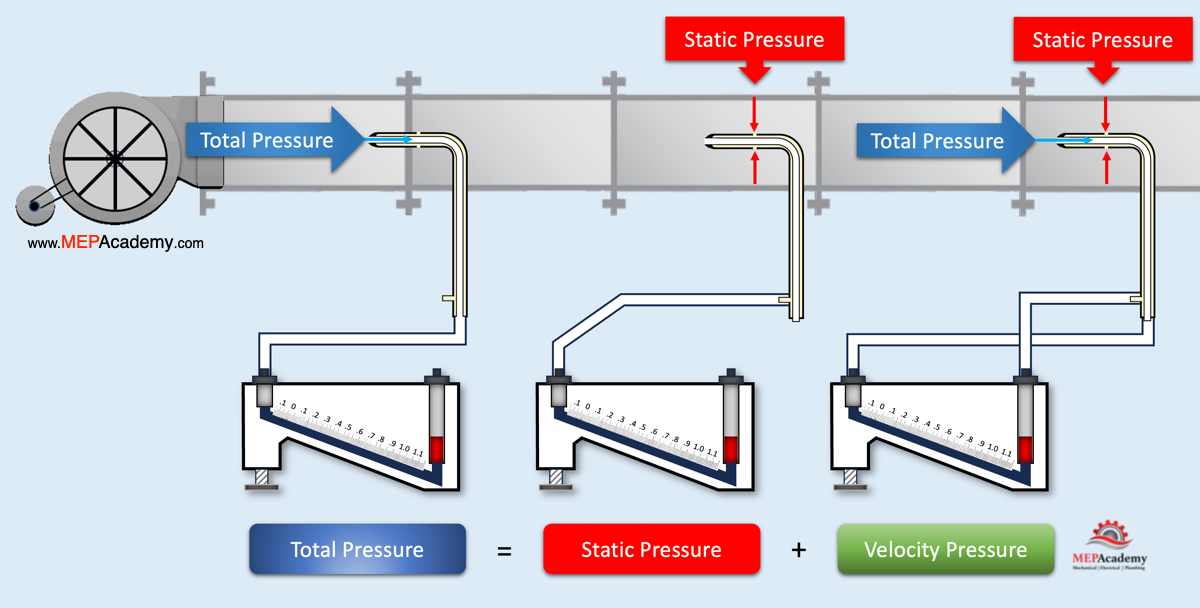
Understanding and checking static pressure in your HVAC (Heating, Ventilation, and Air Conditioning) system is crucial for maintaining its efficiency, lifespan, and overall performance. Static pressure, in simple terms, measures the resistance to airflow within your ductwork. Think of it like this: imagine trying to blow air through a very narrow straw versus a wide pipe. The narrow straw creates much more resistance, requiring more effort (and energy) to push the air through. High static pressure in your HVAC system is like that narrow straw – it forces your system to work harder, leading to decreased efficiency, potential damage, and higher energy bills.
Why is Static Pressure Important?
Maintaining proper static pressure is essential for several reasons:
- Energy Efficiency: When static pressure is too high, your blower motor has to work harder to move air, consuming more electricity. A properly functioning system operates within its designed static pressure range, minimizing energy waste.
- System Longevity: Excessive static pressure can put undue stress on components like the blower motor and compressor. Over time, this can lead to premature failure and costly repairs. Think of it like constantly redlining your car's engine – it will eventually cause problems.
- Comfort: High static pressure can reduce airflow to certain areas of your home, leading to uneven heating and cooling. You might experience some rooms being too hot while others are too cold.
- Air Quality: Restricted airflow can reduce the effectiveness of your air filter, allowing more dust, pollen, and other allergens to circulate throughout your home.
Understanding the Basics of Static Pressure Measurement
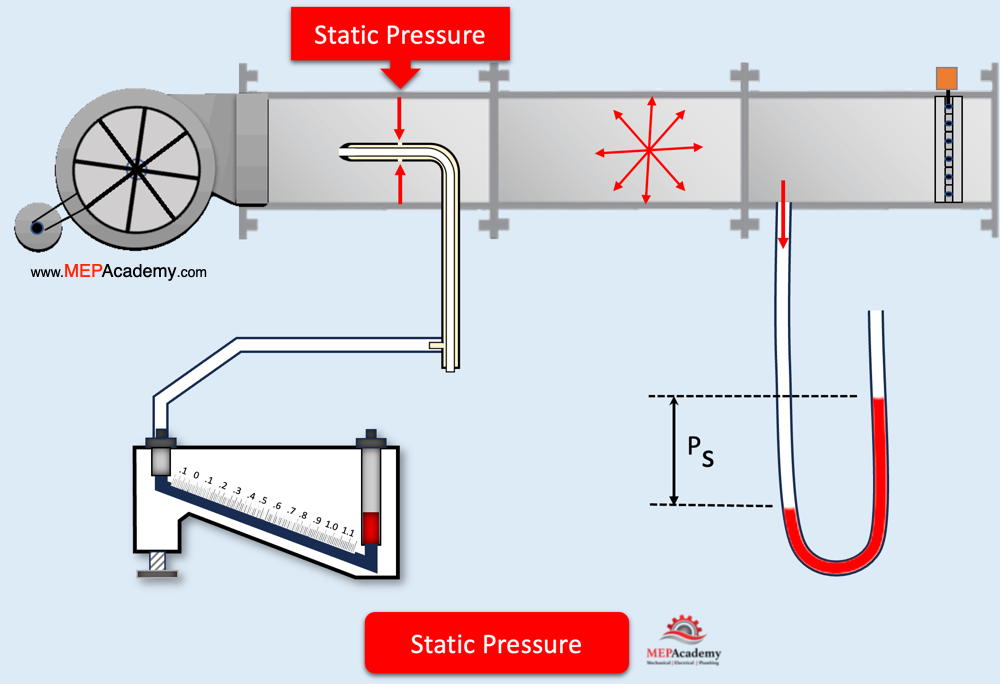
Static pressure is typically measured in inches of water column (in. w.c.). This unit represents the amount of pressure needed to raise a column of water by a certain number of inches. HVAC systems are designed to operate within a specific static pressure range, usually specified by the manufacturer. This range varies depending on the type and size of the system.
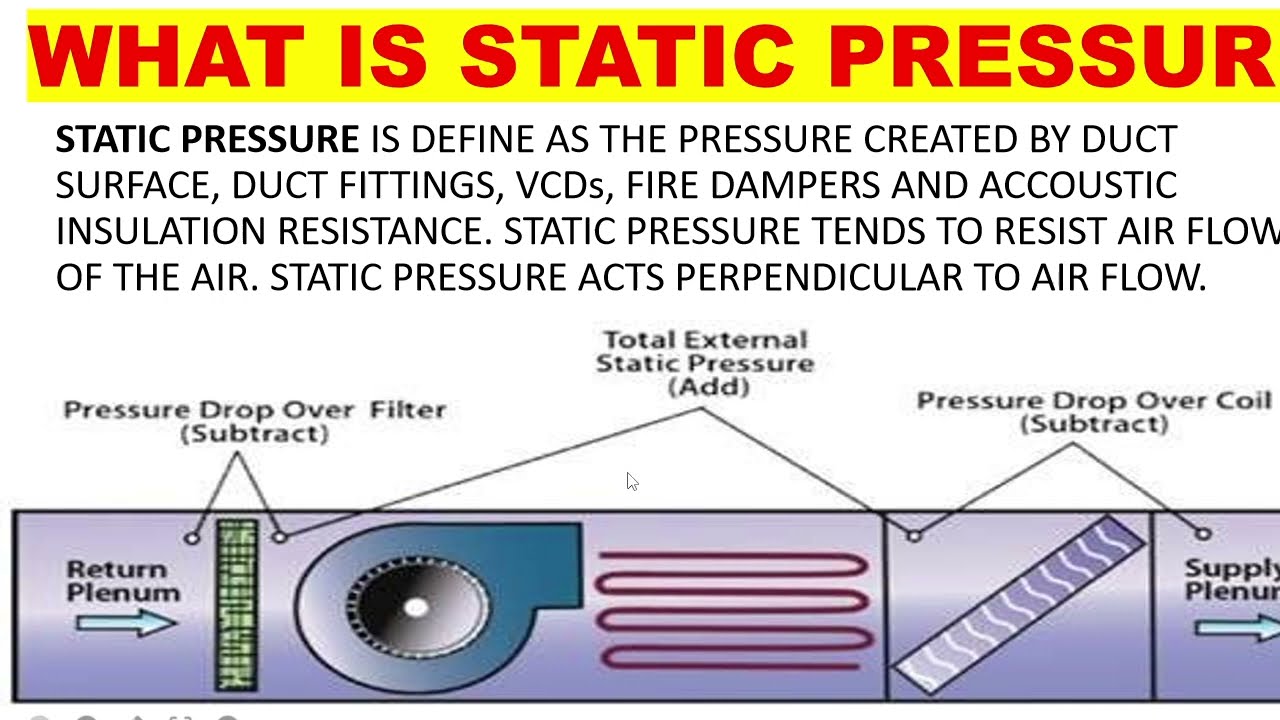
There are two types of static pressure we're concerned with: Total External Static Pressure (TESP) and Individual Static Pressure Readings.
- Total External Static Pressure (TESP): This is the overall resistance the blower motor has to overcome to deliver air to your entire ductwork system. It's the sum of the positive pressure (supply side) and negative pressure (return side). This is the most common measurement used to assess the overall health of the system.
- Individual Static Pressure Readings: Taking readings at specific points in the ductwork (e.g., before and after the air filter, at supply registers) can help pinpoint areas of high resistance and identify specific problems.
Tools Needed to Check Static Pressure
To accurately measure static pressure, you'll need the following tools:
- Manometer: A manometer is the instrument used to measure static pressure. There are two main types:
- Digital Manometer: These are generally more accurate and easier to read than analog manometers. They provide a direct digital readout of the pressure.
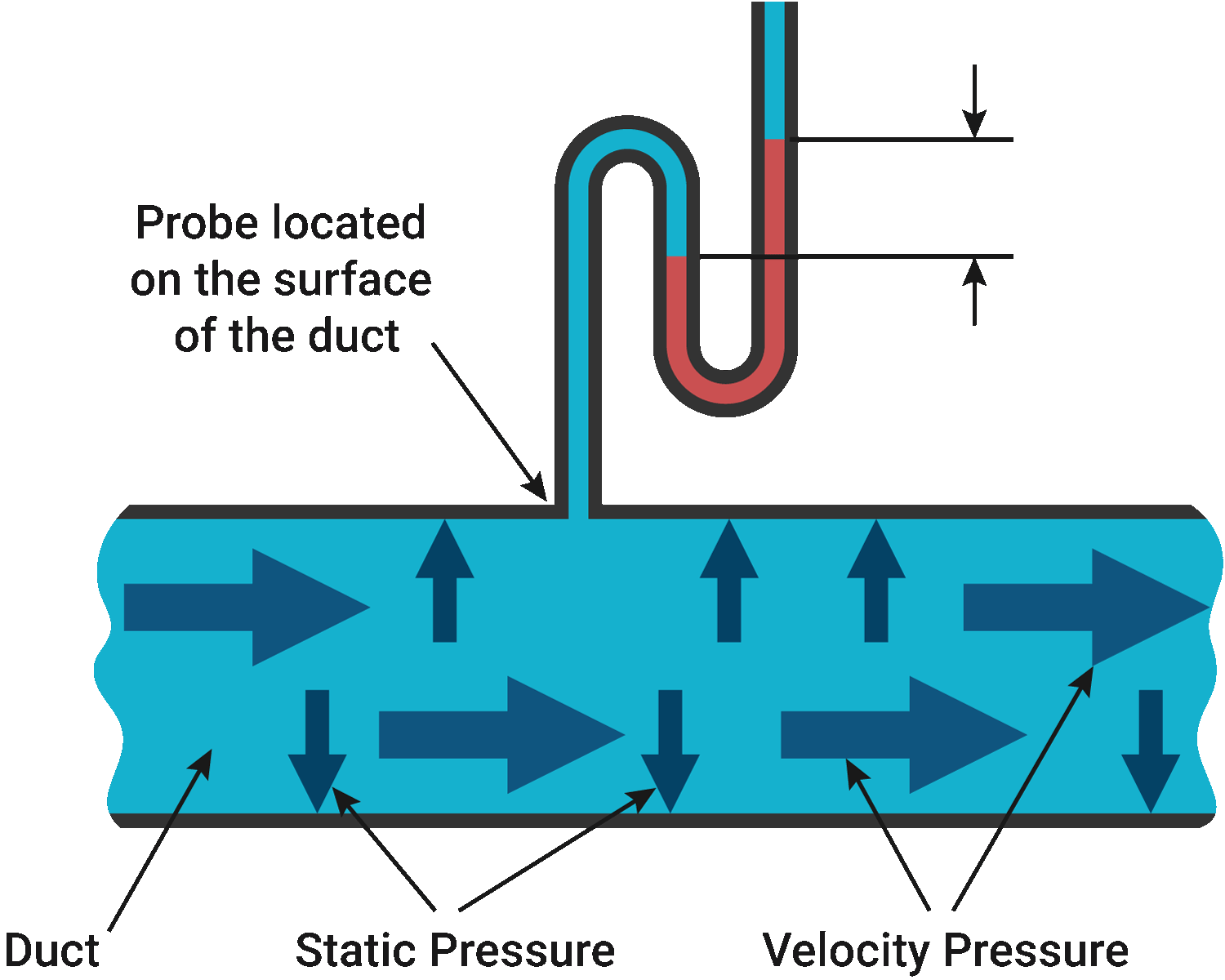
- Analog Manometer (U-Tube Manometer): These are simpler and less expensive, but require careful reading of the water level in the U-shaped tube. They are less common in professional use but can be used for basic troubleshooting.
- Static Pressure Tips (Probes): These are small, hollow tubes that you insert into the ductwork to measure the static pressure. They are designed to minimize air turbulence and provide accurate readings. Two are needed - one for the supply side and one for the return side.
- Drill (optional): You may need a drill to create small test holes in the ductwork to insert the static pressure tips. Use a small drill bit (e.g., 1/4 inch) to minimize damage.
- Tape Measure: To accurately mark the location of the test holes.
- Sealing Tape (e.g., Foil Tape): To seal the test holes after taking measurements, preventing air leaks. It's crucial to seal these holes properly.
- Screwdriver (or Nut Driver): To access the HVAC unit.
Step-by-Step Guide to Checking Total External Static Pressure (TESP)
Safety First! Before beginning, turn off the power to your HVAC system at the breaker box. This prevents accidental electric shock.
- Locate Test Points: You need to find suitable locations on both the supply and return air ducts to insert the static pressure tips. Ideally, you want straight sections of ductwork to minimize turbulence.
- Supply Side: Locate a point after the air handler (blower motor) and the heating/cooling coil, but before any supply air registers. Typically, this is on the main trunk line. The closer the measurement is to the outlet, the more inaccurate it is. A good place would be the main trunk line right after the coil.
- Return Side: Locate a point before the air handler and the air filter. This is usually on the return air duct just before it enters the air handler. A common place is the main return duct.
- Prepare Test Holes (if necessary): If there are no existing test ports, use a drill and a small drill bit to create small holes in the ductwork at the chosen locations. Make the holes just large enough to accommodate the static pressure tips. Be careful not to damage any internal components.
- Connect the Manometer: Connect the static pressure tips to the manometer. Most digital manometers have two ports: a positive (+) port and a negative (-) port.
- Positive (+) Port: Connect this to the static pressure tip on the supply side duct.
- Negative (-) Port: Connect this to the static pressure tip on the return side duct.
- Turn on the HVAC System: Restore power to the HVAC system at the breaker box and turn on the system, setting it to either the heating or cooling mode (whichever you want to test). Let the system run for a few minutes to stabilize before taking measurements.
- Take the Reading: Observe the manometer and record the static pressure reading. The digital manometer will display the reading directly. For an analog manometer, carefully read the water level difference between the two sides of the U-tube. The difference in inches is your static pressure. Note the reading.
- Turn Off the HVAC System: Once you've taken the reading, turn off the HVAC system at the thermostat and then cut power to the unit at the breaker box.
- Remove the Static Pressure Tips and Seal the Test Holes: Carefully remove the static pressure tips from the ductwork. Use foil tape to completely seal the test holes, ensuring an airtight seal. This is crucial to prevent air leaks and maintain system efficiency.
Interpreting Static Pressure Readings
Once you have the static pressure reading, you need to compare it to the manufacturer's specifications for your HVAC system. This information is usually found on the unit's nameplate or in the installation manual. A general rule of thumb for most residential systems is:
- Acceptable Range: Typically, a Total External Static Pressure (TESP) between 0.5 in. w.c. and 0.8 in. w.c. is considered acceptable for many residential systems. However, always consult the manufacturer's specifications for your specific unit.
- High Static Pressure (Above the Recommended Range): This indicates excessive resistance to airflow. Possible causes include:
- Dirty Air Filter: The most common cause. A clogged filter restricts airflow.
- Blocked Ductwork: Obstructions in the ductwork (e.g., collapsed ducts, debris) can significantly increase static pressure.
- Undersized Ductwork: If the ductwork is too small for the system's airflow requirements, it will create excessive resistance.
- Closed or Restricted Vents: Closing too many vents can increase static pressure in the rest of the system.
- Dirty Evaporator Coil: A dirty evaporator coil restricts airflow across the coil.
- Low Static Pressure (Below the Recommended Range): This could indicate air leaks in the ductwork or a problem with the blower motor. This often results in inadequate air distribution throughout the building.
Troubleshooting High Static Pressure
If your static pressure reading is too high, follow these steps to troubleshoot the problem:
- Check the Air Filter: Replace the air filter if it's dirty. This is the easiest and most common fix.
- Inspect the Ductwork: Visually inspect the ductwork for any obvious obstructions, collapsed sections, or disconnected joints. Repair or replace any damaged ductwork.
- Open Vents: Ensure that all vents are fully open, except for those in unused rooms.
- Clean the Evaporator Coil: If the evaporator coil is dirty, clean it with a coil cleaner. (Turn the system off and follow the coil cleaner instructions)
- Consider Ductwork Modifications: If the ductwork is undersized, you may need to have it redesigned and replaced by a qualified HVAC contractor.
When to Call a Professional
While you can perform basic static pressure checks and troubleshoot common issues like a dirty air filter, it's important to know when to call a qualified HVAC professional. Consider seeking professional help if:
- You are uncomfortable working with electrical components.
- You suspect a more serious problem, such as a damaged blower motor or a refrigerant leak. Think of refrigerant as the 'blood' of your AC system, carrying heat from inside to outside. A leak indicates a serious issue.
- You are unable to resolve the high static pressure issue after performing basic troubleshooting.
- You suspect the ductwork is undersized or improperly designed.
A professional HVAC technician can accurately diagnose the problem, perform necessary repairs, and ensure that your system is operating efficiently and safely. They will also have more specialized tools and diagnostic methods to accurately assess your system's overall health.
Regularly checking your HVAC system's static pressure, along with routine maintenance, can help you save money on energy bills, extend the life of your equipment, and ensure a comfortable and healthy indoor environment.