How To Check The Blower Motor

Your blower motor is a crucial component in both your vehicle's heating and air conditioning (HVAC) system and your home's furnace or air handler. It's responsible for circulating air, providing you with comfortable temperatures year-round. When it fails, you'll likely notice issues like weak airflow, unusual noises, or no airflow at all. This guide will walk you through the steps to check your blower motor, whether it's in your car or your home's HVAC system, helping you diagnose the problem and determine the best course of action.
Checking Your Car's Blower Motor
A malfunctioning blower motor in your car can make driving uncomfortable, especially in extreme weather. Here's how to troubleshoot it:
1. Symptoms of a Failing Car Blower Motor
Before you start troubleshooting, familiarize yourself with the common symptoms:
- No Airflow: This is the most obvious sign. No air comes out of the vents, regardless of the fan speed setting.
- Weak Airflow: Airflow is significantly reduced, even at the highest fan speed.
- Intermittent Airflow: The blower motor works sometimes, but not consistently.
- Unusual Noises: Squealing, rattling, or grinding sounds coming from behind the dashboard. This often indicates worn bearings or debris in the blower motor housing.
- Burning Smell: A burning smell could indicate a short circuit or an overheating motor.
2. Safety First!
Always disconnect the negative terminal of your car battery before working on any electrical components. This prevents accidental shocks and potential damage to your vehicle's electrical system. Wear appropriate safety glasses and gloves.
3. Locate the Blower Motor
The blower motor is typically located behind the glove compartment or under the dashboard on the passenger side. Consult your car's repair manual for the exact location, as it can vary depending on the make and model. In some cases, you might need to remove the glove compartment to access it. Common tools you may need are a screwdriver set (Phillips and flathead), socket set, and pliers.
4. Visual Inspection
Once you've located the blower motor, visually inspect it for any obvious signs of damage. Look for:
- Burned or melted wires: This indicates a short circuit or overheating.
- Corrosion: Corrosion on the electrical connections can prevent proper current flow.
- Debris: Leaves, dirt, or other debris can obstruct the blower fan, causing it to malfunction.
Clean any debris from the blower motor housing and connectors. Use a wire brush to remove corrosion from the electrical terminals.
5. Check the Blower Motor Resistor
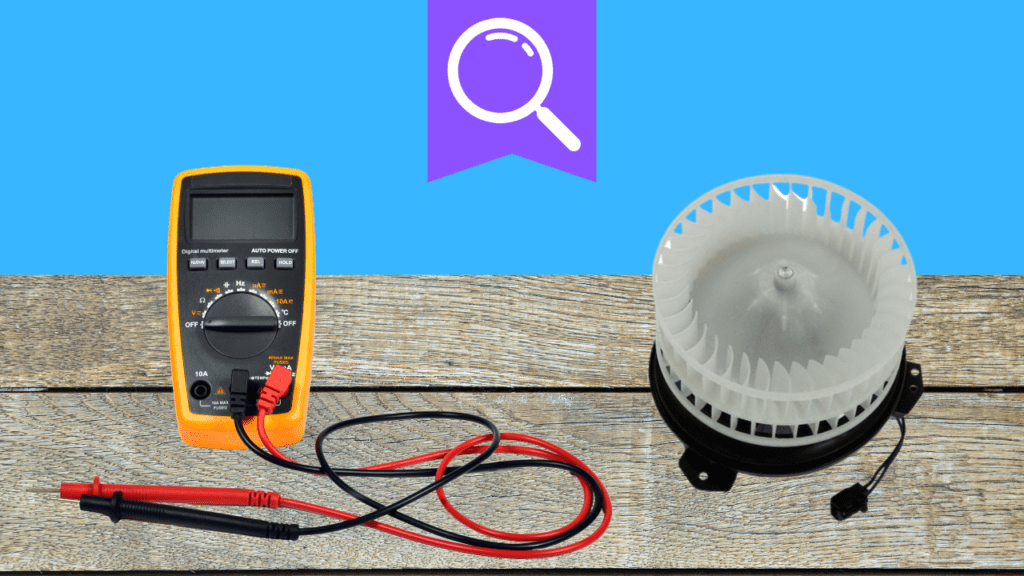
The blower motor resistor controls the speed of the blower motor. A faulty resistor can cause the blower motor to work on only one speed (usually high) or not at all. The resistor is usually located near the blower motor. To test it, you can use a multimeter to check for continuity. Disconnect the resistor's electrical connector and set your multimeter to the ohms setting. Touch the multimeter probes to the resistor's terminals. A reading of infinite resistance (open circuit) indicates a faulty resistor. Refer to your car's repair manual for the correct resistance values for each speed setting.
6. Test the Blower Motor Connector
Use a multimeter to check for voltage at the blower motor connector. With the ignition switch in the "on" position and the fan switch set to the highest speed, you should see approximately 12 volts at the connector. If you don't see voltage, there may be a problem with the wiring, the fuse, or the fan switch.
7. Direct Power Test
If you have voltage at the connector, you can try a direct power test to see if the blower motor itself is the problem. *Carefully* disconnect the blower motor connector and use jumper wires to connect the blower motor directly to the car battery (positive and negative). Be cautious not to short circuit anything. If the blower motor runs when connected directly to the battery, the problem is likely in the wiring, the resistor, or the fan switch. If the blower motor still doesn't run, it's likely faulty and needs to be replaced.
8. Check the Fuse
Locate the fuse for the blower motor in your car's fuse box (consult your owner's manual for the location). Inspect the fuse to see if it's blown. A blown fuse indicates a problem with the blower motor circuit, such as a short circuit or an overload. Replace the fuse with a new one of the same amperage rating. If the fuse blows again immediately, there is likely a more serious problem that needs to be addressed.
Checking Your Home's Blower Motor
The blower motor in your home's HVAC system is responsible for circulating heated or cooled air throughout your house. A malfunctioning blower motor can lead to uneven temperatures, inefficient heating and cooling, and increased energy bills. Here's how to check it:
1. Symptoms of a Failing Home Blower Motor
Watch out for these signs:
- No Airflow: No air comes out of the vents when the furnace or air conditioner is running.
- Weak Airflow: Airflow is significantly reduced, making it difficult to heat or cool your home effectively.
- Unusual Noises: Squealing, rattling, or humming sounds coming from the furnace or air handler.
- Furnace or AC Not Turning On: In some cases, a faulty blower motor can prevent the furnace or AC from turning on at all. This is because many systems have safety switches that prevent operation if the blower motor is not working properly.
- Overheating: The furnace or AC unit may overheat and shut down frequently due to poor airflow.
2. Safety First!
Always turn off the power to your furnace or air handler at the circuit breaker before working on any electrical components. This is crucial to prevent electric shock. Wear safety glasses and gloves.
3. Locate the Blower Motor
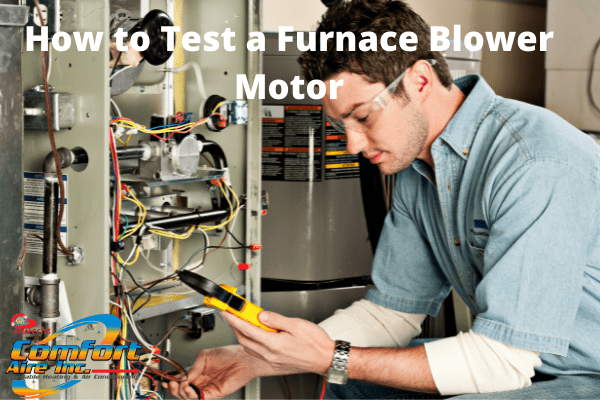
The blower motor is typically located inside the furnace or air handler unit. Remove the access panel to gain access to the blower motor compartment. You may need a screwdriver or wrench to remove the panel. Refer to your furnace or air handler's manual for specific instructions on accessing the blower motor.
4. Visual Inspection
Once you've located the blower motor, visually inspect it for any signs of damage. Look for:
- Burned or melted wires: This indicates a short circuit or overheating.
- Corrosion: Corrosion on the electrical connections can prevent proper current flow.
- Debris: Dust, dirt, and other debris can accumulate on the blower fan, causing it to become unbalanced and malfunction.
- Cracked or damaged blower fan: Inspect the blower fan for any cracks or damage. A damaged fan can cause vibrations and reduced airflow.
Clean the blower motor and fan with a brush or vacuum cleaner to remove any accumulated debris.
5. Check the Capacitor
The capacitor provides the initial surge of power needed to start the blower motor. A faulty capacitor is a common cause of blower motor problems. Discharge the capacitor before testing it to avoid electric shock. You can discharge it by using a screwdriver with an insulated handle to short the capacitor terminals. Be careful not to touch the terminals with your bare hands. Once discharged, use a multimeter with a capacitance setting to test the capacitor. Disconnect the capacitor's electrical wires and set your multimeter to the microfarads (µF) setting. Touch the multimeter probes to the capacitor terminals. Compare the reading on the multimeter to the rated capacitance value printed on the capacitor. If the reading is significantly lower than the rated value (more than 10% off), the capacitor is likely faulty and needs to be replaced.
6. Test the Blower Motor Wiring
Use a multimeter to check for voltage at the blower motor wiring terminals. With the power turned on and the thermostat calling for heat or cooling, you should see the appropriate voltage (typically 120V or 240V, depending on your system) at the terminals. If you don't see voltage, there may be a problem with the wiring, the thermostat, or the circuit breaker.
7. Check the Blower Motor Relay
The blower motor relay controls the power to the blower motor. A faulty relay can prevent the blower motor from running. To test the relay, you can use a multimeter to check for continuity across the relay terminals. Refer to your furnace or air handler's wiring diagram for the correct terminals to test. You should also listen for a click when the relay is energized (when the thermostat calls for heat or cooling). If the relay doesn't click or doesn't show continuity, it's likely faulty and needs to be replaced.
8. Direct Power Test (Advanced - Requires Caution)
This test is more advanced and should only be performed if you are comfortable working with electricity. You can try a direct power test to see if the blower motor itself is the problem. *Carefully* disconnect the blower motor wires and use jumper wires to connect the blower motor directly to a power source of the correct voltage (120V or 240V, depending on your motor). Be extremely cautious to avoid electric shock. Ensure the wiring is properly insulated and that you are not touching any exposed wires. If the blower motor runs when connected directly to the power source, the problem is likely in the wiring, the relay, or the control board. If the blower motor still doesn't run, it's likely faulty and needs to be replaced. If you are not comfortable performing this test, consult a qualified HVAC technician.
When to Call a Professional
While these steps can help you diagnose many blower motor problems, some issues require the expertise of a qualified technician. Call a professional if:
- You are not comfortable working with electricity.
- You suspect a refrigerant leak.
- You are unable to diagnose the problem.
- You need to replace the blower motor or other major components.
- You suspect issues with the control board or other complex components.
Remember, safety is paramount. If you are unsure about any of the steps outlined in this guide, it's always best to consult a qualified professional.
By following these steps, you can effectively troubleshoot your blower motor and determine the best course of action. Knowing the signs of a failing blower motor and being able to perform basic checks can save you time and money, and ensure that you stay comfortable no matter the weather.