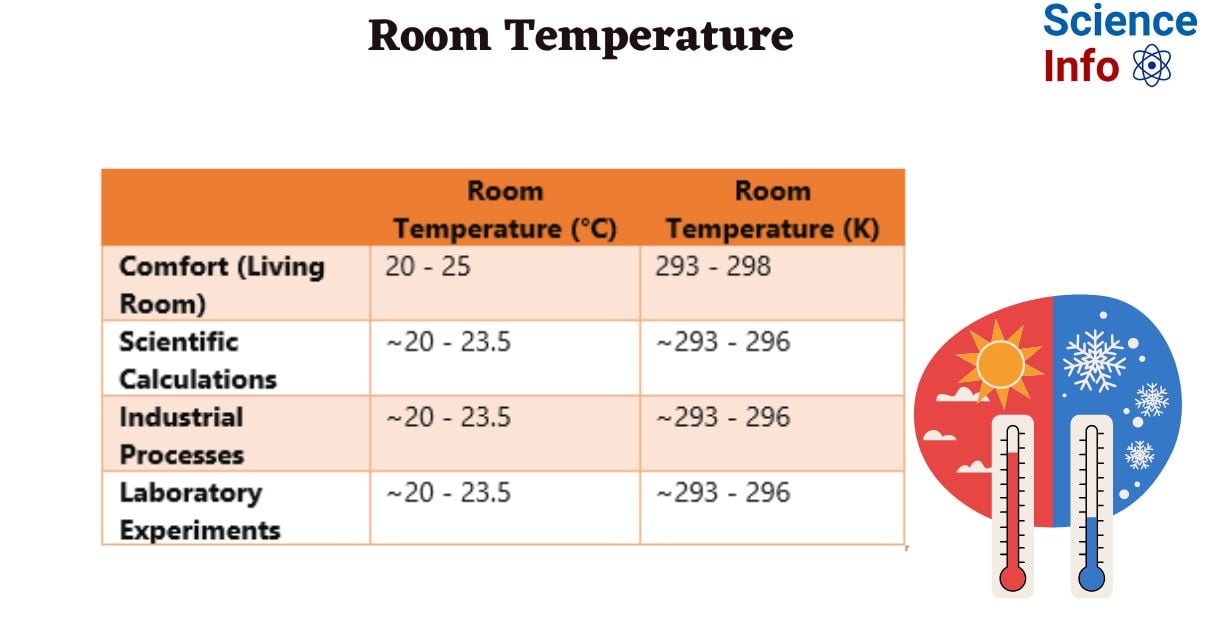
How To Check The Room Temperature
In the HVAC (Heating, Ventilation, and Air Conditioning) industry, accurately checking room temperature is more than just a basic task; it's a foundational skill crucial for diagnostics, system performance evaluation, and ensuring occupant comfort. Whether you're an HVAC student just starting out, an experienced technician looking to refine your skills, or an employer seeking qualified personnel, understanding the nuances of temperature measurement is essential. This article delves into the how-to of checking room temperature, its importance in the HVAC field, relevant certifications, and career pathways within the industry.
Why Accurate Temperature Measurement Matters
Accurate temperature readings are paramount for several reasons. First, they help diagnose system malfunctions. Is the unit failing to reach the setpoint temperature? Is there a significant temperature difference between supply and return air? These are crucial clues to potential issues. Second, temperature readings are vital for evaluating system efficiency. Over time, HVAC systems can lose efficiency. Precise measurements allow technicians to assess performance against original specifications and identify areas for improvement or repair. Finally, and perhaps most importantly, accurate temperature readings ensure occupant comfort. Maintaining consistent and comfortable temperatures is the ultimate goal of any HVAC system, and accurate measurements are key to achieving this.
The Bureau of Labor Statistics projects about a 5% growth in employment for HVAC mechanics and installers over the next ten years. As of May 2023, the median annual wage for HVAC mechanics and installers was $59,620. The best-paid 10 percent earned more than $84,860. This growth, coupled with the critical role HVAC professionals play in maintaining comfortable and healthy indoor environments, highlights the importance of mastering fundamental skills like temperature measurement.
Tools of the Trade: Thermometers and Sensors
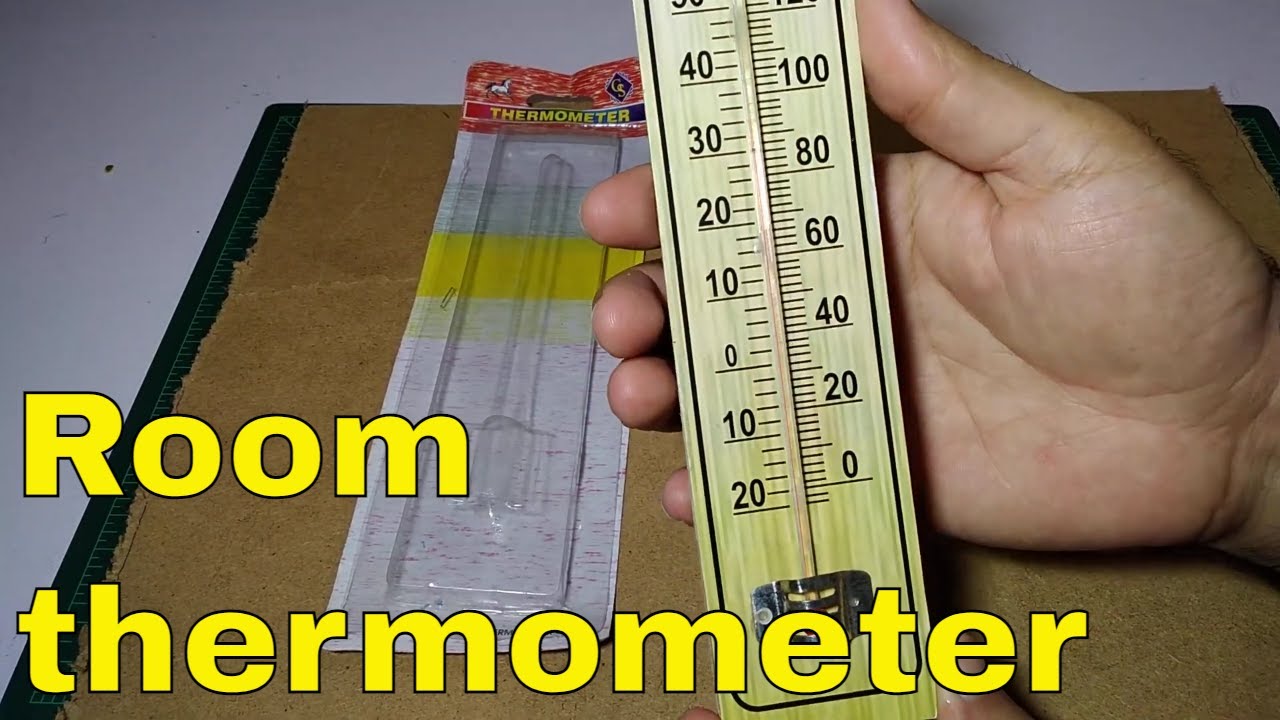
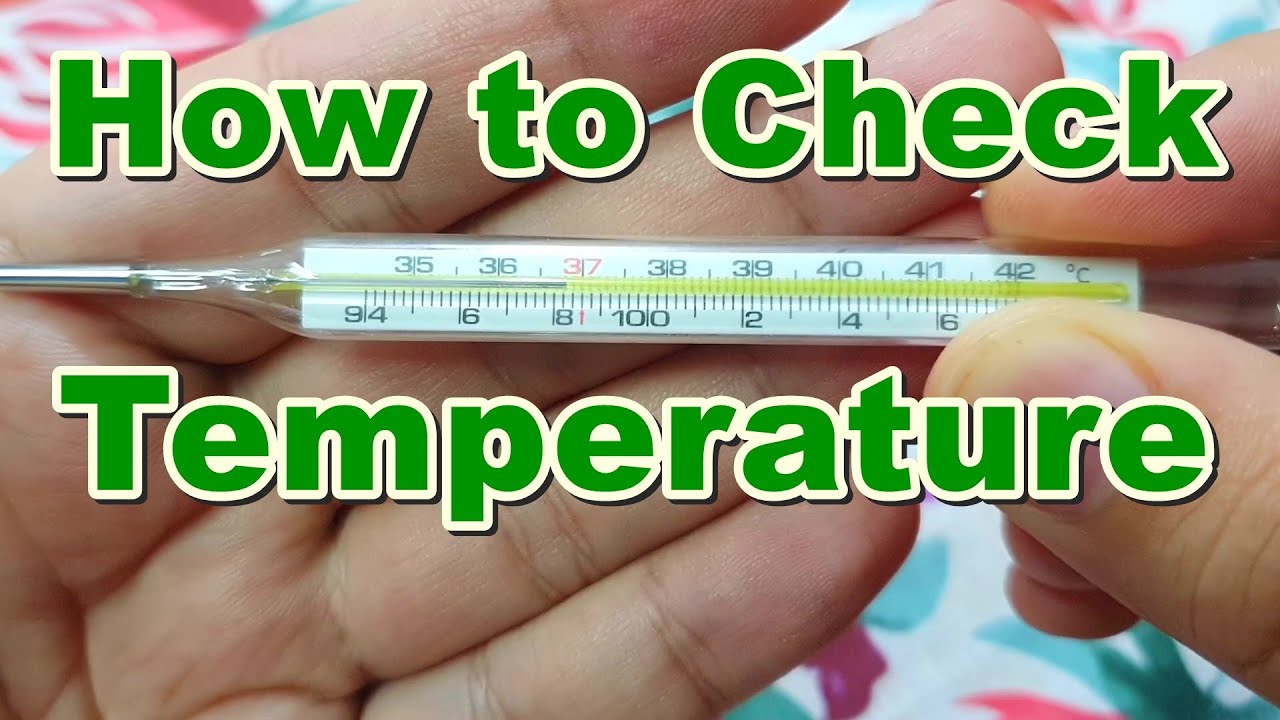
The first step in accurately checking room temperature is selecting the right tool. Several types of thermometers are commonly used in the HVAC industry:
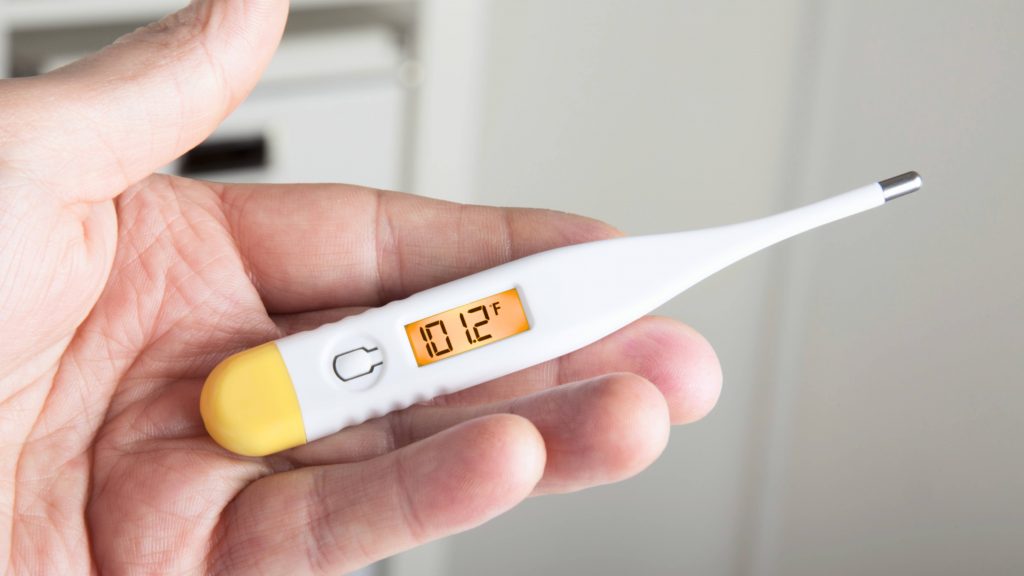
- Digital Thermometers: These are widely used due to their accuracy, ease of use, and quick readings. Many digital thermometers also offer additional features like data logging and multiple sensor inputs.
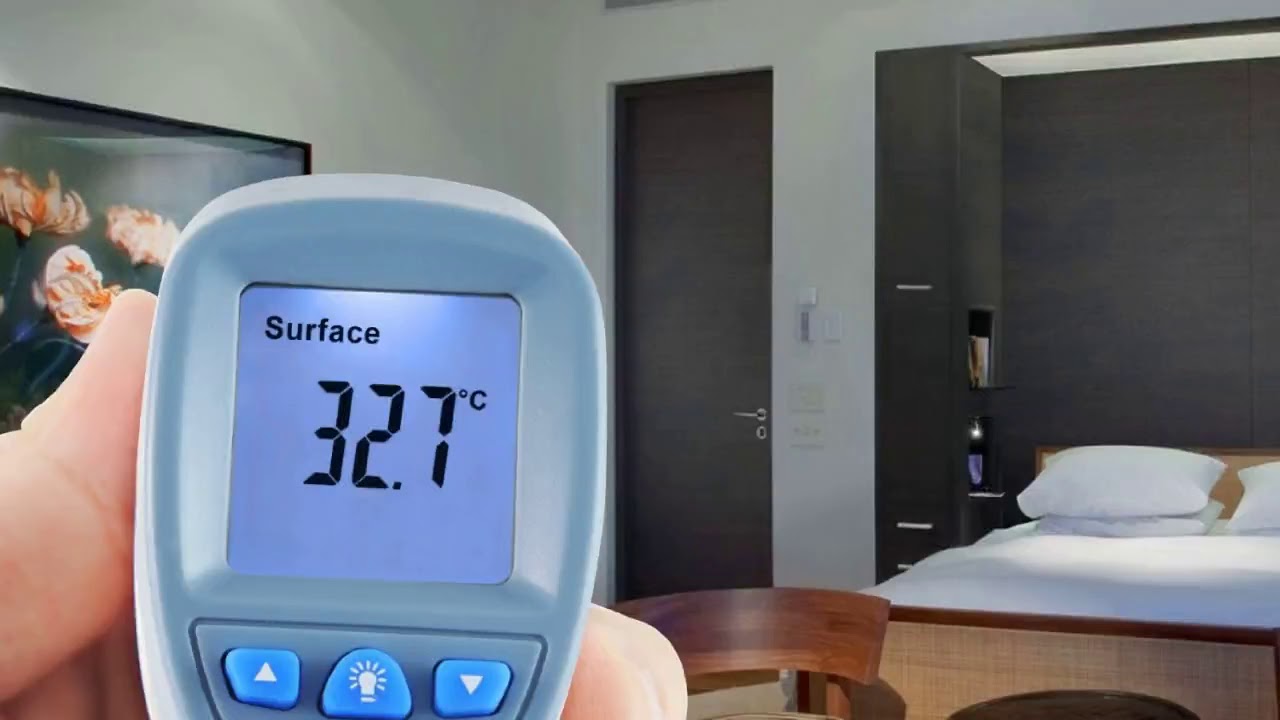
- Infrared (IR) Thermometers: These thermometers measure temperature remotely by detecting infrared radiation. They are useful for quickly assessing surface temperatures and identifying hot spots or cold spots. However, it's crucial to understand that IR thermometers measure surface temperature, not air temperature, so they are less accurate for measuring general room temperature.
- Thermocouples: Thermocouples are sensors that measure temperature based on the Seebeck effect. They are durable and can withstand high temperatures, making them suitable for measuring duct temperatures.
- Wet-Bulb Thermometers: Used in conjunction with dry-bulb thermometers to determine relative humidity, a crucial factor in comfort.
For general room temperature measurement, a good quality digital thermometer is usually the best choice. Look for thermometers with a resolution of at least 0.1°F (or 0.1°C) for accurate readings.
The How-To: Checking Room Temperature Accurately
Here’s a step-by-step guide to accurately measuring room temperature:
- Choose the Right Location: The location where you take the temperature reading is critical. Avoid placing the thermometer near drafts, direct sunlight, or heat sources. A central location in the room, away from walls and windows, is generally best.
- Allow Time for Stabilization: Give the thermometer sufficient time to stabilize and reach equilibrium with the surrounding air. This usually takes a few minutes. Avoid holding the thermometer in your hand, as your body heat can affect the reading. Use a stand or place it on a stable surface.
- Take Multiple Readings: Take several readings at different locations in the room and average them to get a more representative measurement. This is especially important in larger rooms or rooms with uneven temperature distribution.
- Record the Data: Document your readings, including the date, time, location, and any relevant observations (e.g., drafts, sunlight). This information can be valuable for troubleshooting and tracking system performance over time.
- Consider Height: Temperature can vary at different heights in a room. Measure temperature at several heights to understand temperature stratification, which is especially important in buildings with high ceilings.
Example: An HVAC technician is called to a home where the occupant complains of uneven temperatures. The technician uses a digital thermometer to measure the temperature at various points in the living room: near the window, in the center of the room, and near the thermostat. They also take readings at floor level and head height. By comparing these readings, the technician can identify potential sources of temperature variation, such as drafts from the window or poor air circulation.
Advanced Techniques and Considerations
Beyond basic temperature measurement, experienced HVAC technicians often employ more advanced techniques:
- Using Data Loggers: Data loggers automatically record temperature over time, providing a detailed history of temperature fluctuations. This can be invaluable for diagnosing intermittent problems or identifying trends.
- Understanding Psychrometrics: Psychrometrics is the study of the thermodynamic properties of moist air. Understanding psychrometric charts and calculations is essential for accurately assessing indoor air quality and optimizing HVAC system performance. Technicians often use tools that measure both temperature and humidity, such as a psychrometer.
- Calibrating Thermometers: Ensure the accuracy of your thermometers by periodically calibrating them against a known standard. This is particularly important for critical applications.
The Role of Certifications
Obtaining relevant certifications can significantly enhance your career prospects in the HVAC industry. Some key certifications include:
- NATE (North American Technician Excellence): NATE certification is widely recognized as a mark of competence in the HVAC industry. NATE offers certifications for various specialties, including installation, service, and efficiency. Passing the NATE exam demonstrates a strong understanding of HVAC principles and best practices.
- EPA Section 608 Certification: Required for technicians who handle refrigerants. This certification ensures that technicians understand the proper handling and disposal of refrigerants to protect the environment. There are different levels of certification based on the type of equipment being serviced.
- HVAC Excellence: Another respected certification organization that offers a range of certifications for HVAC technicians.
- State and Local Licensing: Many states and municipalities require HVAC technicians to be licensed. Licensing requirements vary by location, so it's important to check with your local authorities.
These certifications not only demonstrate your expertise but also increase your earning potential. According to recent industry surveys, certified HVAC technicians earn, on average, 10-15% more than their non-certified counterparts.
Career Paths in HVAC
The HVAC industry offers a diverse range of career paths:
- HVAC Technician: The most common role, involving installation, maintenance, and repair of HVAC systems.
- HVAC Installer: Specializes in the installation of new HVAC systems.
- HVAC Service Technician: Focuses on maintaining and repairing existing HVAC systems.
- HVAC Design Engineer: Designs HVAC systems for new buildings or renovations. This role typically requires a bachelor's degree in mechanical engineering.
- HVAC Sales Engineer: Sells HVAC equipment and services to businesses and homeowners.
- HVAC Project Manager: Oversees the installation and maintenance of HVAC systems on large projects.
Real-World Example: Maria started her career as an HVAC apprentice, working under the guidance of an experienced technician. She obtained her NATE certification and EPA 608 certification, and quickly progressed to become a lead service technician. She now specializes in diagnosing and repairing complex HVAC systems for commercial clients and has become a trainer for new apprentices at her company. Her commitment to continuous learning and professional development has allowed her to advance her career and increase her earning potential.
The Future of HVAC
The HVAC industry is constantly evolving, driven by technological advancements and increasing demand for energy-efficient and sustainable solutions. Some key trends shaping the future of HVAC include:
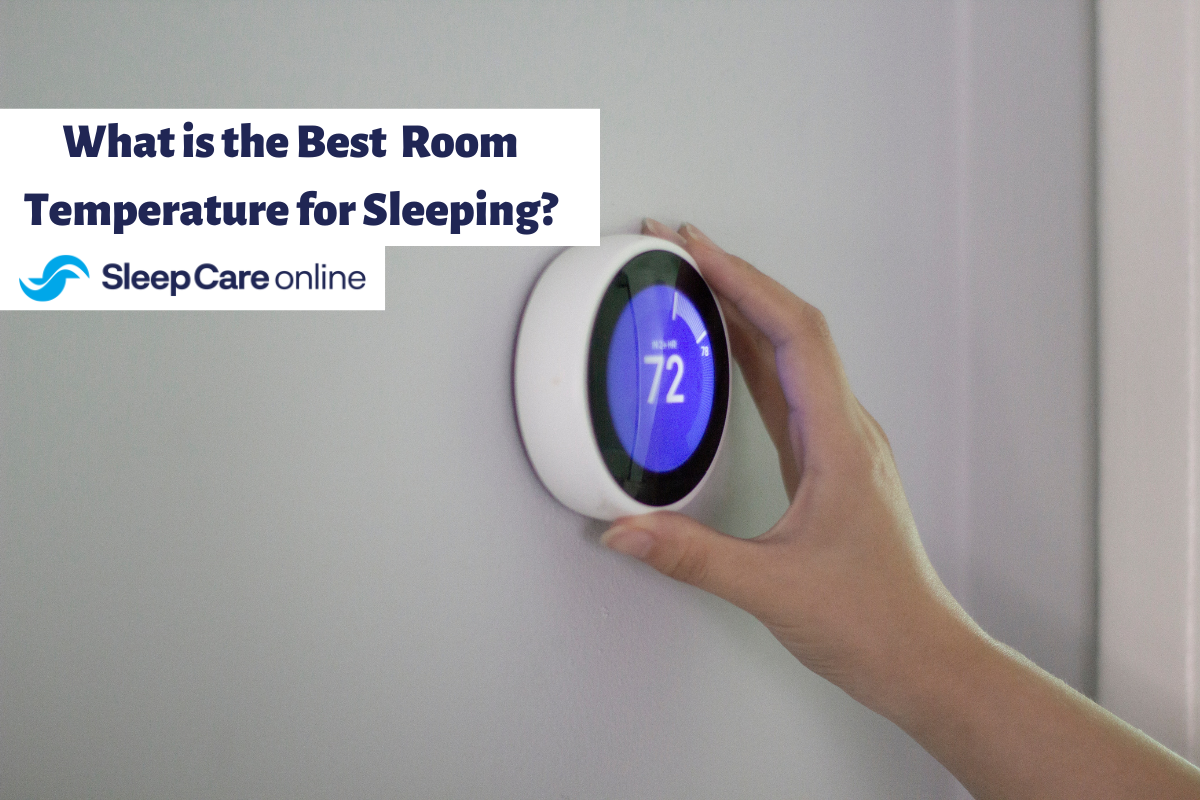
- Smart HVAC Systems: These systems use sensors, data analytics, and cloud connectivity to optimize performance, improve energy efficiency, and provide remote monitoring and control.
- Energy-Efficient Technologies: High-efficiency heat pumps, variable refrigerant flow (VRF) systems, and geothermal systems are becoming increasingly popular as consumers seek to reduce their energy consumption and carbon footprint.
- Indoor Air Quality (IAQ): Concerns about indoor air quality are growing, driven by the COVID-19 pandemic and increased awareness of the health effects of poor air quality. HVAC systems with advanced filtration and ventilation capabilities are in high demand.
- Sustainability: The industry is moving towards more sustainable practices, including the use of environmentally friendly refrigerants and the adoption of circular economy principles.
Staying abreast of these trends is crucial for HVAC professionals who want to remain competitive and succeed in the long term. Continuous learning, professional development, and a commitment to innovation are essential for navigating the changing landscape of the HVAC industry.
In conclusion, mastering the art of checking room temperature accurately is a cornerstone of success in the HVAC field. By understanding the tools, techniques, and underlying principles, HVAC professionals can ensure optimal system performance, occupant comfort, and career advancement.