How To Circulate Heat Through House
Conquering Cold Spots: A Guide to Efficient Heat Circulation in Your Home
Maintaining consistent warmth throughout your home during the colder months is more than just a comfort issue; it’s about energy efficiency and preventing problems like frozen pipes. But uneven heating is a common problem. This guide explores the factors contributing to this issue and provides practical solutions to ensure optimal heat circulation.
Understanding the Culprits Behind Uneven Heating
Before diving into solutions, it’s crucial to identify the common causes of poor heat circulation:
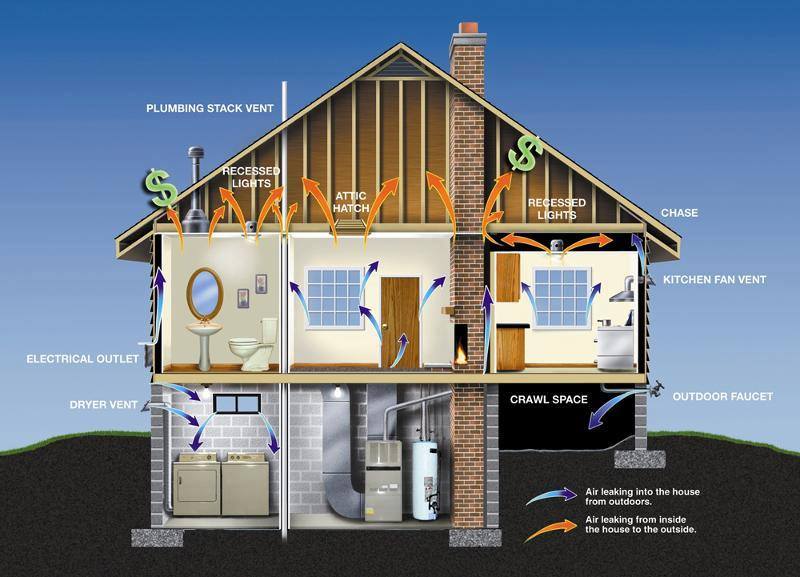
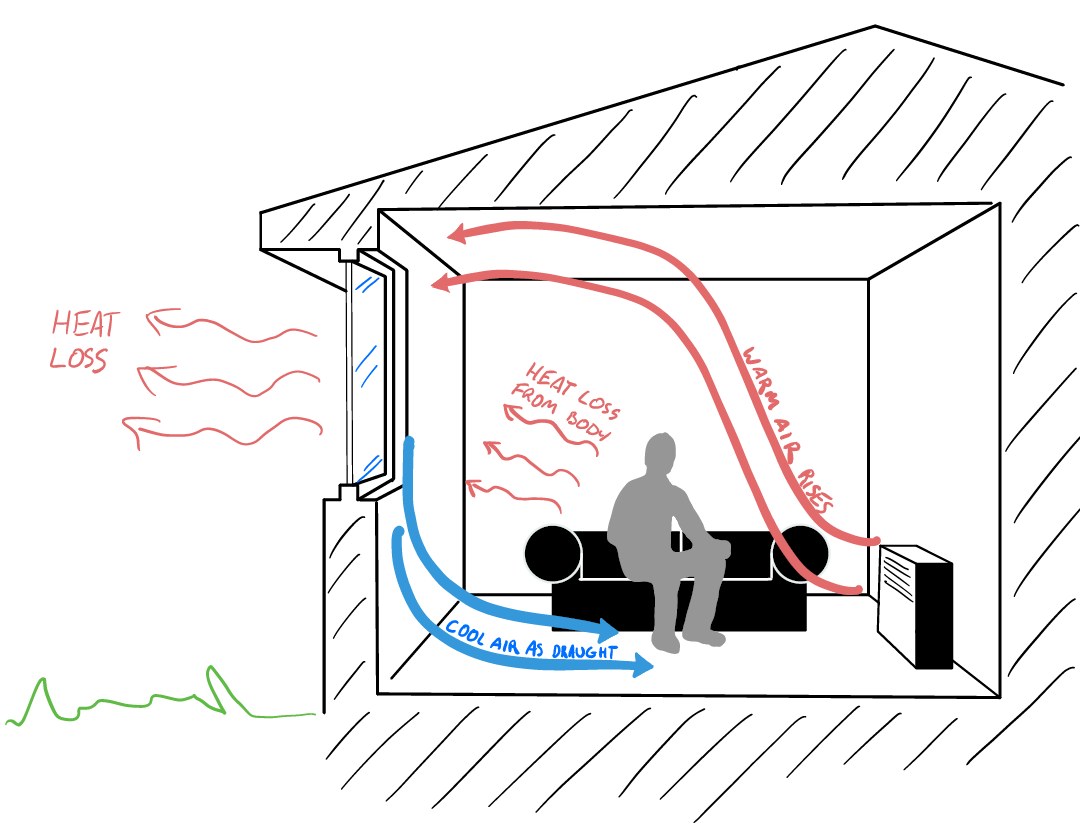
- Inadequate Insulation: Insufficient insulation in walls, attics, and floors allows heat to escape, making it difficult for your heating system to maintain a consistent temperature.
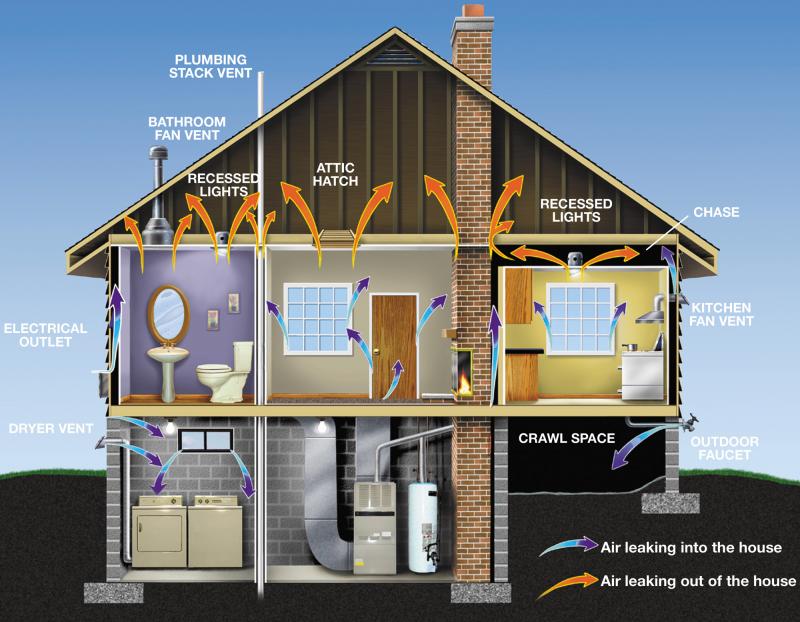
- Air Leaks: Drafts around windows, doors, and other openings let cold air in and warm air out, creating cold spots and straining your heating system.
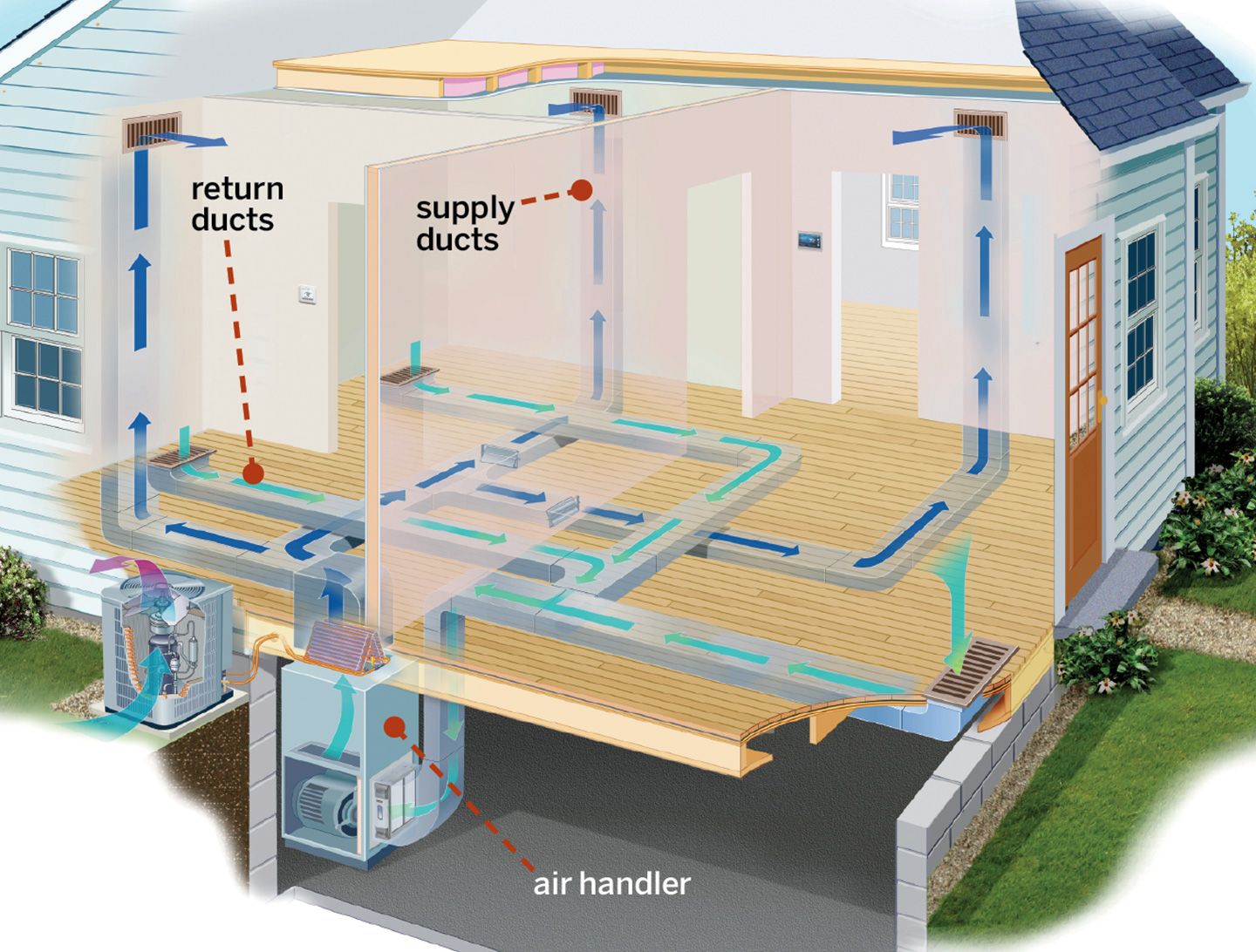
- Improper Ductwork: Leaky, poorly designed, or undersized ductwork can restrict airflow and prevent heat from reaching certain rooms.
- Furnace or Heat Pump Issues: An aging or malfunctioning furnace or heat pump may not be producing enough heat to adequately warm your entire home. Consider factors like AFUE (Annual Fuel Utilization Efficiency) for furnaces and HSPF (Heating Seasonal Performance Factor) for heat pumps when evaluating efficiency.
- Closed Vents: Closing vents in unused rooms seems like a good way to save energy, but it can actually disrupt the overall airflow and create pressure imbalances, leading to uneven heating.
- Furniture Obstructions: Furniture placed in front of vents and radiators can block airflow and prevent heat from circulating properly.
Simple Solutions for Improved Heat Circulation
Often, addressing heat circulation issues doesn’t require a major overhaul. Here are some easy-to-implement solutions:
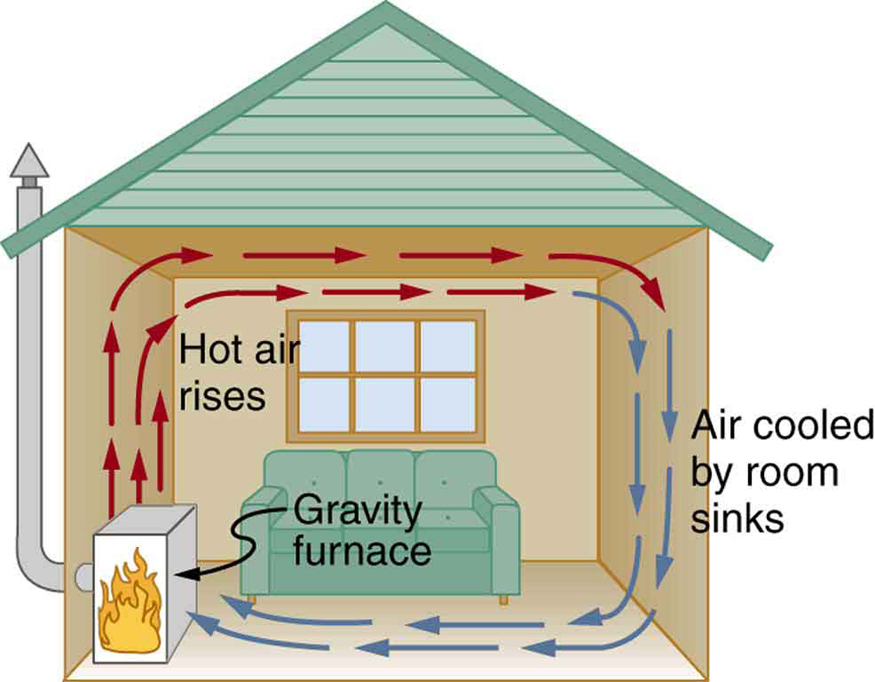
- Reverse Ceiling Fans: In winter, switch your ceiling fans to run in a clockwise direction at a low speed. This gently pushes warm air that rises to the ceiling back down into the living space.
- Open Interior Doors: Keeping interior doors open allows for better airflow between rooms, helping to distribute heat more evenly.
- Strategic Furniture Placement: Ensure that furniture isn't blocking vents or radiators. Rearrange your furniture to allow for optimal airflow.
- Bleed Radiators: If you have a radiator heating system, trapped air can prevent them from heating properly. Bleeding the radiators releases the trapped air and restores optimal performance.
- Use Space Heaters Wisely: While not a long-term solution, space heaters can provide supplemental heat to particularly cold rooms. Choose models with safety features like tip-over switches and overheat protection.
Upgrading Your HVAC System for Enhanced Heat Circulation
If simple solutions aren’t enough, it may be time to consider upgrading your HVAC system. Here's a breakdown of options:
Furnaces
A new, high-efficiency furnace can significantly improve heat output and distribution. Key considerations include:
- AFUE Rating: Look for furnaces with a high AFUE rating (ideally 90% or higher) to maximize energy efficiency and reduce heating costs.
- Variable-Speed Blowers: Furnaces with variable-speed blowers can circulate air more evenly and quietly than single-speed models.
- Zoning Systems: Consider a zoning system that allows you to control the temperature in different areas of your home.
Popular Furnace Brands: Carrier, Lennox, and Trane are known for their high-efficiency furnaces and advanced features. Rheem and Goodman offer more budget-friendly options.
Example Model: The Carrier Infinity 98 is a top-of-the-line furnace with an AFUE of up to 98.5% and a modulating gas valve for precise temperature control.
Heat Pumps
Heat pumps offer both heating and cooling capabilities and can be a cost-effective option, especially in moderate climates. Key considerations include:
- SEER Rating: (Seasonal Energy Efficiency Ratio) relates to cooling efficiency.
- HSPF Rating: (Heating Seasonal Performance Factor) measures heating efficiency. Look for models with a high HSPF rating (8 or higher) for optimal heating performance.
- Inverter Technology: Heat pumps with inverter technology offer variable-speed operation, providing more consistent heating and cooling and improved energy efficiency.
- Cold Climate Heat Pumps: Designed to operate efficiently in colder temperatures, these models can provide reliable heating even when outdoor temperatures drop below freezing.
Popular Heat Pump Brands: Similar to furnaces, Carrier, Lennox, and Trane are leading heat pump manufacturers. Mitsubishi Electric is renowned for its ductless mini-split heat pumps.
Example Model: The Mitsubishi Electric M-Series is a ductless mini-split heat pump that offers excellent heating and cooling performance, along with individual zone control.
Ductless Mini-Split Systems
Ductless mini-split systems are an excellent solution for homes without existing ductwork or for adding heating and cooling to individual rooms. They offer:
- Zoned Heating and Cooling: Each indoor unit can be controlled independently, allowing you to customize the temperature in each room.
- Easy Installation: Ductless systems are relatively easy to install, requiring only a small hole in the wall for refrigerant lines.
- Energy Efficiency: Many ductless systems are highly energy-efficient, with high SEER and HSPF ratings.
Professional Solutions: Ductwork Inspection and Sealing
If you suspect problems with your ductwork, it’s best to consult with a qualified HVAC professional. They can inspect your ductwork for leaks, damage, and improper sizing. Duct sealing can prevent air loss and improve overall heating efficiency. Duct cleaning can remove dust and debris that can restrict airflow.
Cost Considerations and Warranty Information
The cost of improving heat circulation varies depending on the solutions you choose. Simple fixes like weatherstripping and insulation are relatively inexpensive. Upgrading your HVAC system can be a significant investment, ranging from a few thousand dollars for a new furnace to tens of thousands for a complete system replacement. Be sure to get quotes from multiple contractors and compare prices.
Warranty Coverage: Pay close attention to the warranty coverage offered by HVAC manufacturers. Most furnaces and heat pumps come with a standard parts warranty, typically ranging from 5 to 10 years. Extended warranties are also available for added protection. Labor costs are often not covered under the manufacturer's warranty, so consider purchasing a separate labor warranty.
Maintenance Tips for Optimal Heat Circulation
Regular maintenance is crucial for ensuring optimal heat circulation and prolonging the lifespan of your HVAC system. Here are some essential maintenance tasks:
- Change Air Filters Regularly: Dirty air filters restrict airflow and reduce heating efficiency. Replace your air filters every 1-3 months, depending on the type of filter and the air quality in your home.
- Schedule Regular HVAC Tune-Ups: Have your furnace or heat pump inspected and serviced by a qualified HVAC technician annually.
- Keep Outdoor Units Clear: Remove leaves, snow, and debris from around outdoor units to ensure proper airflow.
Conclusion: Creating a Warm and Comfortable Home
Achieving consistent heat circulation throughout your home requires a multi-faceted approach. By addressing issues like insulation, air leaks, and ductwork problems, and by considering upgrades to your HVAC system, you can create a warm, comfortable, and energy-efficient living environment. Remember to prioritize regular maintenance to ensure that your heating system operates at peak performance for years to come. Consulting with an HVAC professional is always a good idea to determine the best solutions for your specific needs and budget.