
How To Clean A Condenser Coil
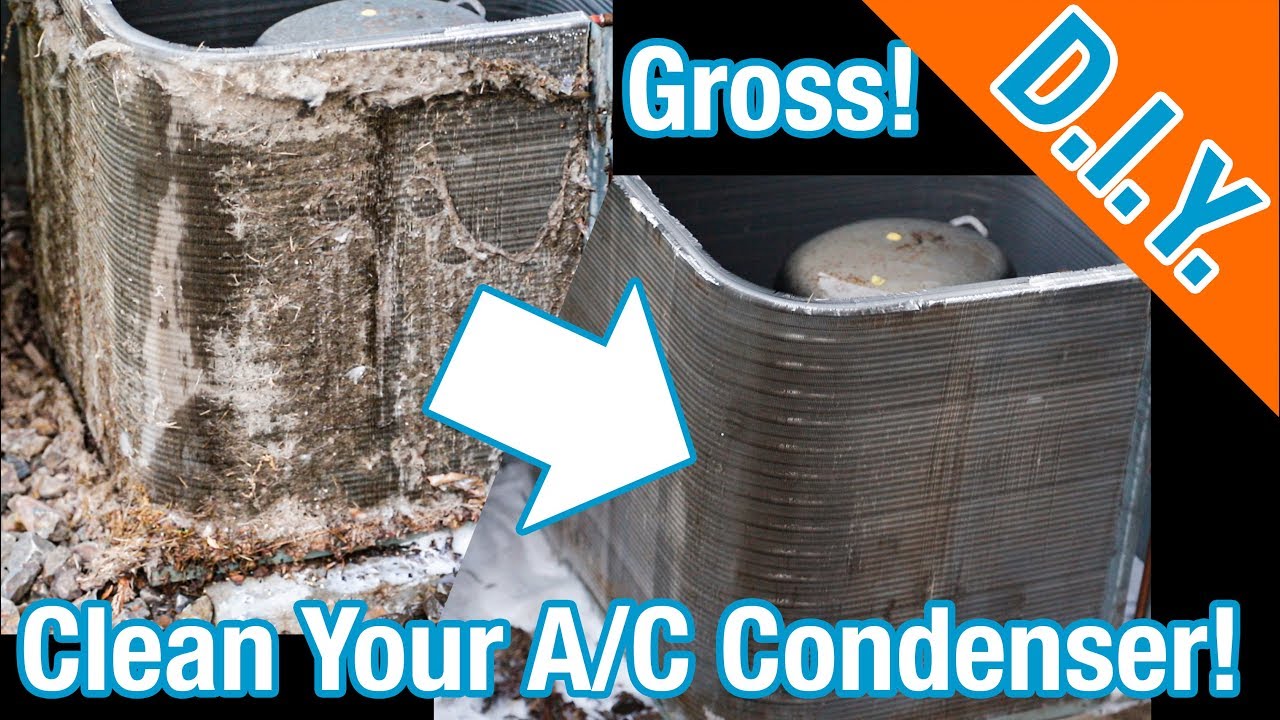
Frequently Asked Questions: Cleaning Your Condenser Coil
Your air conditioner's condenser coil is vital for efficient cooling. When it's dirty, your AC works harder, leading to higher energy bills and potential breakdowns. Here's a breakdown of common questions about cleaning this important component.
Question 1: Why is it important to clean my condenser coil?
A dirty condenser coil significantly reduces your AC's efficiency for several reasons:
- Reduced Heat Transfer: The coil's job is to release heat from the refrigerant. Dirt and debris act as insulation, preventing this heat from escaping effectively.
- Increased Energy Consumption: Your AC unit has to work harder and longer to achieve the desired temperature, resulting in higher energy bills. This extra effort also increases wear and tear.
- Overheating and Damage: Restricted airflow can cause the compressor to overheat, potentially leading to costly repairs or even complete system failure.
- Poor Air Quality: While the condenser coil itself doesn't directly impact indoor air quality, a struggling AC system can lead to inconsistent humidity levels, which can promote mold growth.
Regular cleaning prevents these problems and keeps your AC running smoothly.
Question 2: How often should I clean my condenser coil?
The frequency depends on your environment and usage, but here are general guidelines:
- Ideal: Clean your condenser coil at least twice a year, ideally before the cooling season starts (spring) and at the end of the cooling season (fall).
- High Debris Areas: If you live in an area with lots of trees, pollen, dust, or construction, you might need to clean it quarterly or even monthly.
- Signs of a Dirty Coil: Increased energy bills, reduced cooling efficiency, or visible dirt and debris on the coil are clear indicators that it's time for a cleaning.
Regular inspection will help you determine the optimal cleaning schedule for your specific situation.
Question 3: What tools and materials do I need to clean a condenser coil?
Gathering the right tools makes the job easier and more effective. Here’s a checklist:
- Coil Fin Comb: This tool straightens bent coil fins, improving airflow. Choose a comb with the correct fin spacing for your unit.
- Soft-Bristled Brush: Use a brush with gentle bristles to avoid damaging the delicate fins. A condenser coil brush is ideal, but a paint brush can work.
- Garden Hose with Adjustable Nozzle: Provides a gentle and controlled stream of water for rinsing.
- Condenser Coil Cleaner: A specialized cleaner designed to dissolve dirt and grime without damaging the coil. Look for a non-acidic, biodegradable formula.
- Screwdriver or Wrench: You may need these to remove access panels on the unit.
- Safety Glasses and Gloves: Protect your eyes and hands from dirt and cleaning solutions.
- Vacuum Cleaner with Brush Attachment: Helpful for removing loose debris before washing.
- Optional: Shop vacuum (wet/dry) to more aggressively remove debris.
Having these tools on hand will streamline the cleaning process.
Question 4: What is the proper way to clean my condenser coil?
Follow these steps for a thorough and safe cleaning:
- Safety First: Turn off the power to the AC unit at the breaker box. This is crucial to prevent electric shock.
- Remove Debris: Clear away any leaves, grass, or other debris from around the unit. Use a vacuum cleaner with a brush attachment to remove loose dirt and dust from the coil surface.
- Straighten Fins: Carefully use the fin comb to straighten any bent coil fins. This improves airflow and efficiency.
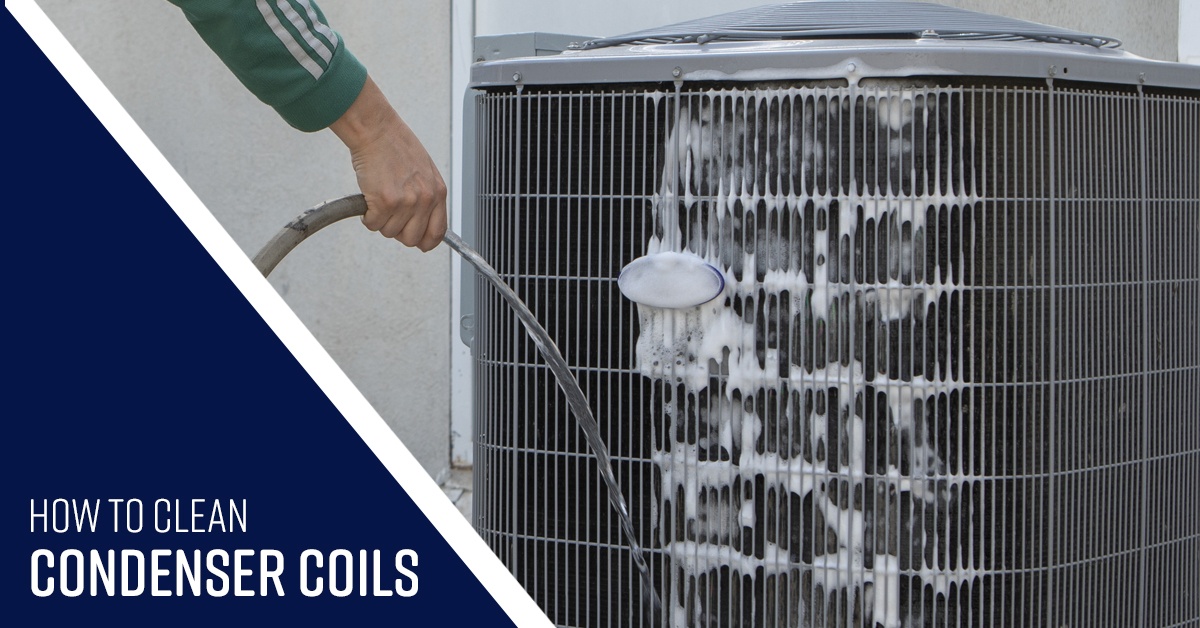
- Apply Coil Cleaner: Spray the condenser coil cleaner evenly over the entire coil surface. Follow the manufacturer's instructions regarding dilution and dwell time (the time the cleaner needs to sit on the coil).
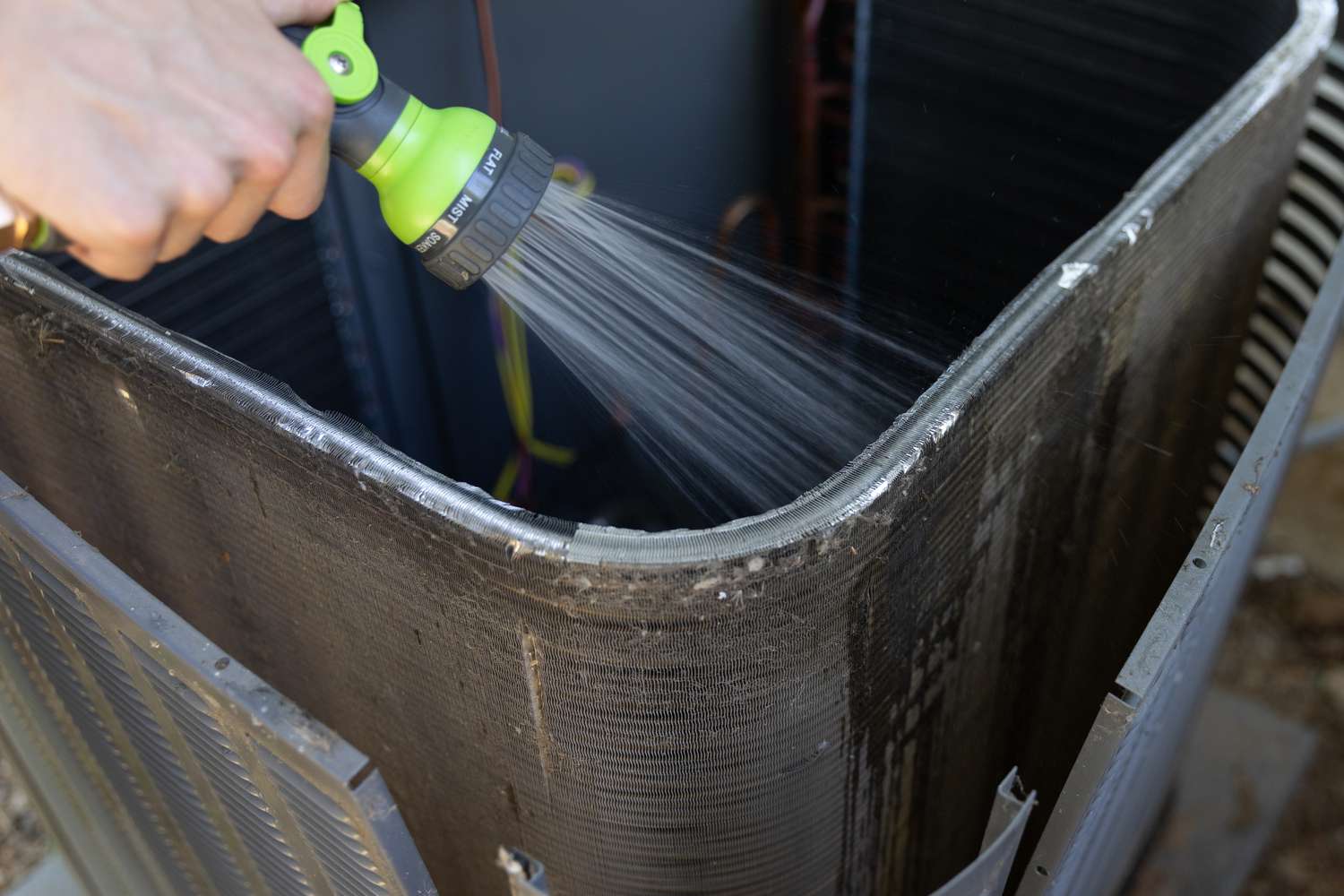
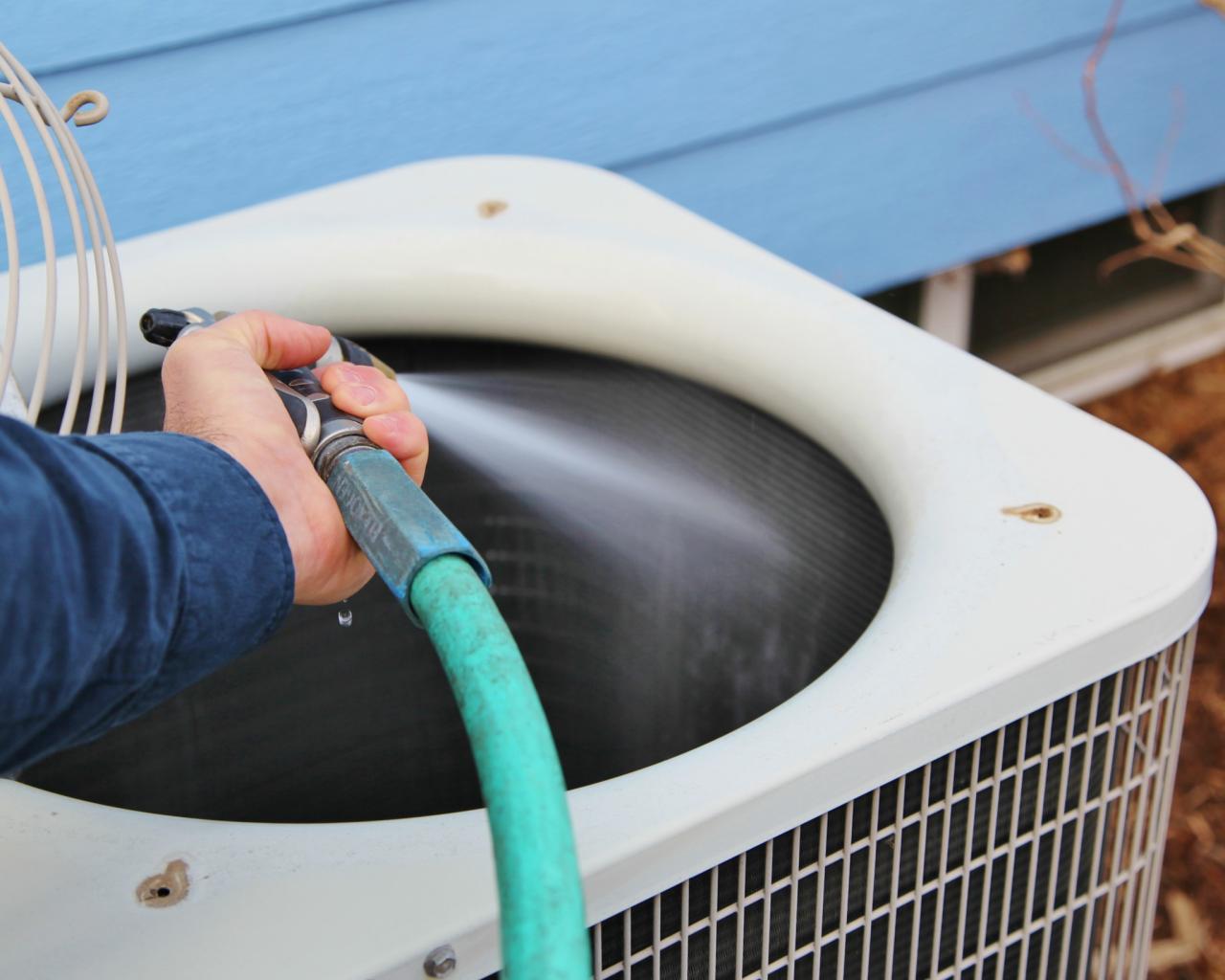
- Rinse the Coil: Using a garden hose with a gentle spray nozzle, rinse the coil thoroughly from the inside out. This helps flush dirt and debris away from the fins. Avoid using high pressure, as it can damage the fins.
- Repeat if Necessary: If the coil is heavily soiled, you may need to repeat steps 4 and 5.
- Replace Panels: Once the coil is clean and dry, replace any access panels you removed.
- Power On: Turn the power back on at the breaker box.
- Monitor Performance: Observe your AC unit's performance after cleaning. You should notice improved cooling efficiency and lower energy consumption.
Important Note: Always follow the instructions on your specific coil cleaner. Some cleaners may require special handling or disposal procedures.
Question 5: What if I am not comfortable cleaning the condenser coil myself?
If you're uncomfortable working with electrical equipment or handling cleaning chemicals, it's best to hire a qualified HVAC technician. They have the expertise and tools to clean the condenser coil safely and effectively. A professional cleaning can also include:
- System Inspection: Technicians can identify potential problems with your AC system that you might miss.
- Refrigerant Check: They can check the refrigerant level and add refrigerant if necessary.
- Performance Testing: Technicians can measure the unit's performance before and after cleaning to ensure it's operating efficiently.
While professional cleaning costs more than DIY, it can save you money in the long run by preventing costly repairs and extending the life of your AC system.
Question 6: Are there any precautions I should take when cleaning a condenser coil?
Yes, safety is paramount. Keep these precautions in mind:
- Turn off the Power: This is the most important safety precaution. Always disconnect the power to the unit at the breaker box before starting any cleaning or maintenance.
- Wear Protective Gear: Always wear safety glasses and gloves to protect your eyes and hands from dirt, debris, and cleaning solutions.
- Ventilation: Clean the condenser coil in a well-ventilated area to avoid inhaling fumes from the cleaning solution.
- Avoid High Pressure: Use a gentle spray nozzle on your garden hose to avoid damaging the delicate coil fins.
- Read Instructions: Carefully read and follow the instructions on your condenser coil cleaner.
- Don't Mix Cleaners: Never mix different cleaning chemicals, as this can create hazardous fumes.
- Be Mindful of Pets and Children: Keep pets and children away from the area while you are cleaning the condenser coil.
- Proper Disposal: Dispose of used cleaning solutions and rags properly, according to local regulations.
By following these precautions, you can ensure a safe and effective cleaning process.
Question 7: What are the signs that my condenser coil needs professional attention, even after I've tried cleaning it myself?
Sometimes, a DIY cleaning isn't enough. Look out for these signs that indicate a more serious problem:
- Persistent Performance Issues: If your AC unit is still not cooling efficiently or your energy bills remain high after cleaning, there could be other underlying issues.
- Refrigerant Leaks: If you suspect a refrigerant leak (e.g., hissing sound, oily residue), do not attempt to fix it yourself. Contact a qualified HVAC technician immediately.
- Damaged Coil Fins: If the coil fins are severely damaged or corroded, they may need to be repaired or replaced by a professional.
- Electrical Problems: If you notice any electrical problems, such as sparking or unusual noises, do not attempt to diagnose or repair them yourself. Contact a qualified electrician.
- Compressor Issues: Unusual noises or complete failure can mean compressor issues, seek professional assistance.
- Frozen Coils If the coils repeatedly freeze over, despite cleaning and other troubleshooting, seek assistance.
Addressing these issues promptly can prevent further damage and ensure the longevity of your AC system. In these scenarios, calling a qualified HVAC professional is crucial for accurate diagnosis and repair.


:max_bytes(150000):strip_icc()/CleaningAirConditionerCoils-7c523daa8342441381326474a3ce4f83.jpg)


