How To Clean Air Ducts In A Mobile Home

Navigating Air Duct Cleaning in Mobile Homes: A Comprehensive Guide for HVAC Professionals
Air duct cleaning presents a unique set of challenges and opportunities within the HVAC industry, especially when dealing with mobile homes. These structures often have compact ductwork systems and may require specialized techniques to ensure effective cleaning and prevent damage. This article provides a detailed guide for HVAC students, seasoned technicians, and employers looking to optimize their services in this niche market.
The Growing Demand for Air Duct Cleaning Services
The demand for indoor air quality (IAQ) solutions is on the rise, fueled by increasing awareness of the health impacts of airborne contaminants. This trend directly impacts the demand for air duct cleaning services. The U.S. Environmental Protection Agency (EPA) states that indoor air can be significantly more polluted than outdoor air. As a result, homeowners, including those residing in mobile homes, are seeking professional cleaning to improve their living environments.
The Bureau of Labor Statistics (BLS) projects growth in the HVAC industry, including roles related to air duct cleaning. While specific figures for air duct cleaning alone are not tracked, the overall demand for HVAC technicians is expected to grow, reflecting the increasing importance of IAQ. As of May 2023, the median annual wage for HVAC technicians was $59,690. Experienced technicians specializing in niche areas like mobile home air duct cleaning can often command higher salaries.
Understanding Mobile Home Duct Systems
Mobile home duct systems differ significantly from those found in traditional site-built homes. They typically feature:
- Smaller duct diameters: Space constraints necessitate smaller duct sizes, making access and cleaning more challenging.
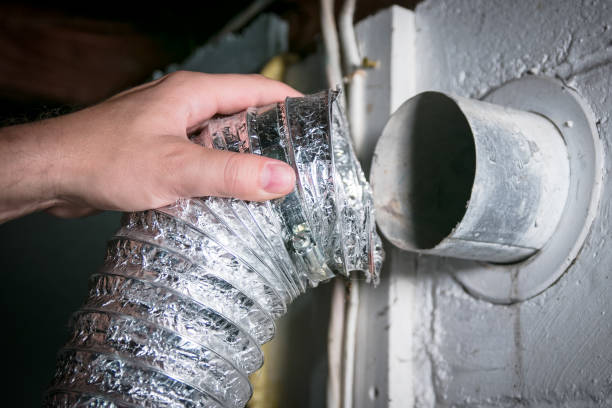
- Flex duct construction: Flexible ducts are common, which can be more fragile and prone to damage if not handled carefully.
- Limited access points: Fewer access panels can complicate the cleaning process.
- Unique airflow patterns: Mobile homes often have different insulation levels and airflow patterns compared to conventional homes.
Therefore, a thorough understanding of these systems is crucial for effective cleaning.
Step-by-Step Guide to Cleaning Air Ducts in a Mobile Home
The following steps outline a comprehensive approach to cleaning air ducts in a mobile home:
1. Inspection and Assessment
Begin with a thorough inspection of the entire duct system. Use a borescope or inspection camera to identify areas with significant dust buildup, mold growth, or other contaminants. Document your findings with photos or videos. This assessment will guide your cleaning strategy.
2. Safety Precautions
Prioritize safety throughout the cleaning process. Wear appropriate personal protective equipment (PPE), including:
- Respirator: To protect against airborne particles.
- Gloves: To prevent skin contact with contaminants.
- Eye protection: To shield eyes from dust and debris.
Also, ensure proper ventilation and inform the homeowner of the cleaning process and any potential disruptions.
3. Equipment Preparation
Gather the necessary equipment, including:
- High-efficiency particulate air (HEPA) vacuum: To remove dust and debris.
- Air compressor: To power specialized cleaning tools.
- Agitation devices: Such as brushes, whips, or air nozzles, to dislodge contaminants.
- Inspection camera: For real-time monitoring of the cleaning progress.
- Sealing materials: Duct tape or mastic to reseal access panels.
Ensure all equipment is in good working order before starting the cleaning process.
4. Access Panel Creation (If Necessary)
If existing access panels are insufficient, carefully cut additional access points into the ductwork. Use a utility knife or sheet metal shears to create openings, ensuring they are large enough to accommodate cleaning tools. Be mindful of the duct material and avoid damaging any structural components. Remember to seal these new access points securely after cleaning.
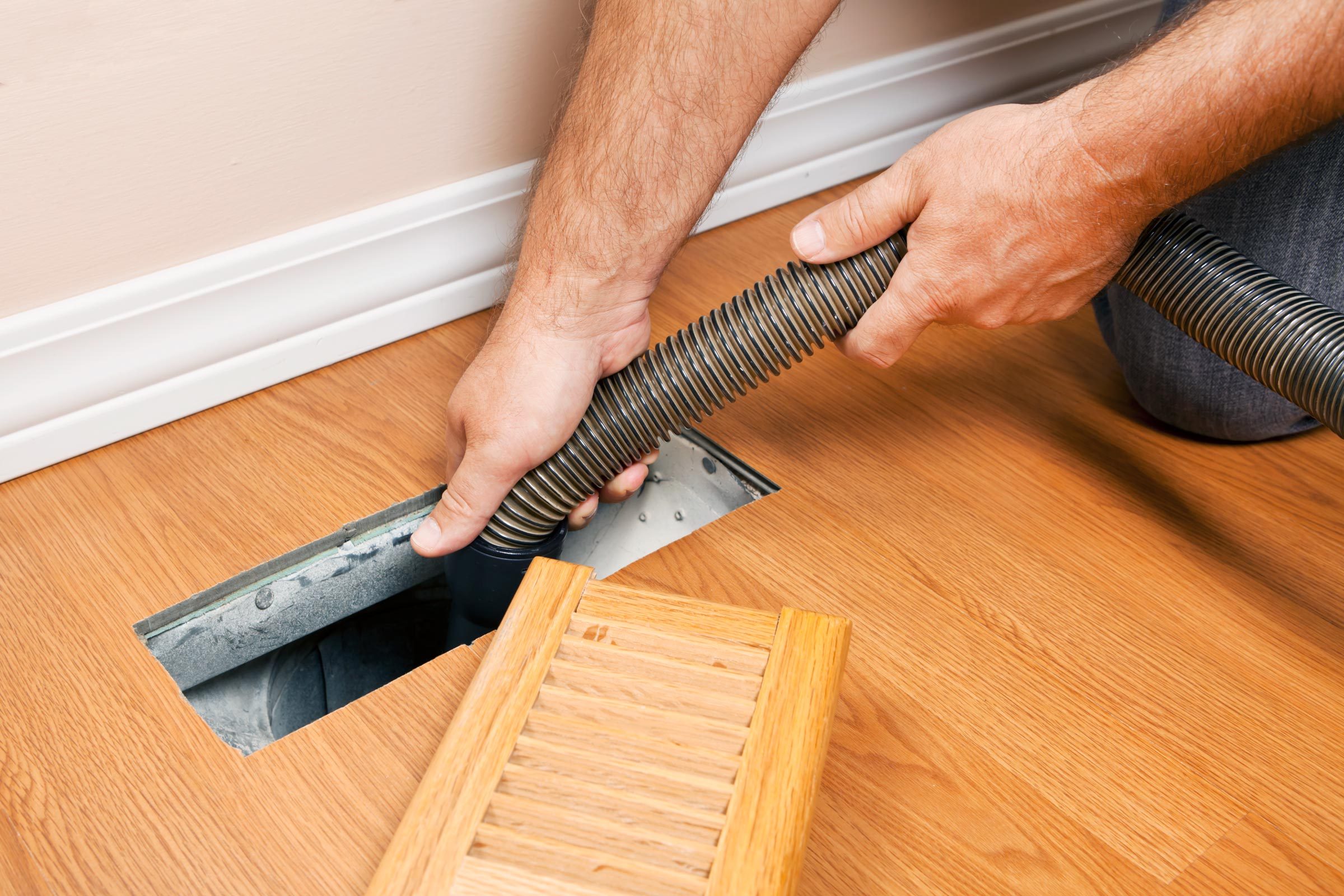
5. Cleaning the Supply Vents and Registers
Remove all supply vents and registers. Clean them thoroughly with soap and water or a commercial degreaser. Use a brush to remove any stubborn debris. Ensure they are completely dry before reattaching them.
6. Cleaning the Ductwork
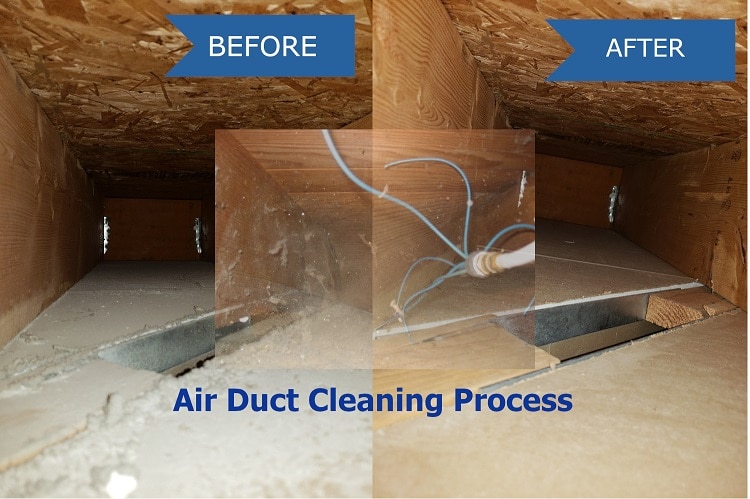
This is the core of the cleaning process. Connect the HEPA vacuum to one end of the duct system to create negative pressure. Then, insert an agitation device into the ductwork, working from the farthest point towards the vacuum. Use a variety of techniques, such as:
- Brush agitation: For scrubbing away stubborn deposits.
- Air whipping: For dislodging loose debris.
- Air nozzle blasting: For targeting specific areas.
Pay close attention to corners and bends in the ductwork, as these areas tend to accumulate the most dust. Monitor your progress with the inspection camera to ensure thorough cleaning.
7. Cleaning the Return Vents and Ductwork
Repeat the cleaning process for the return vents and ductwork. This is crucial because return ducts often contain more dust and debris than supply ducts. Special attention should be paid to the area around the filter, as this is where contaminants are initially captured.
8. Cleaning the Blower Motor and Housing
The blower motor and housing are often overlooked but can be significant sources of contamination. Turn off the power to the HVAC system before cleaning these components. Use a brush and vacuum to remove any dust or debris from the blower motor blades and the inside of the housing. Be careful not to damage any electrical components.
9. Sealing and Reassembly
Once the cleaning is complete, thoroughly inspect all access panels and ensure they are properly sealed with duct tape or mastic. Reattach all supply vents and registers. Turn the HVAC system back on and check for any leaks or airflow issues.
10. Final Inspection and Documentation
Conduct a final inspection of the entire system to ensure everything is clean and properly functioning. Provide the homeowner with a detailed report outlining the cleaning process, any findings, and recommendations for maintaining good indoor air quality. This documentation is crucial for building trust and demonstrating the value of your services.
Essential Certifications for HVAC Professionals
Several certifications can enhance your credibility and expertise in the HVAC industry:
- NATE (North American Technician Excellence): NATE certification demonstrates a technician's knowledge and skills in specific areas of HVAC, including air duct cleaning. NATE certification is widely recognized and respected within the industry.
- EPA Section 608 Certification: Required for technicians who handle refrigerants. While not directly related to air duct cleaning, it's often a prerequisite for working on HVAC systems. EPA 608 certification is crucial for compliance with federal regulations.
- NADCA (National Air Duct Cleaners Association): NADCA offers certifications specifically for air duct cleaning professionals. NADCA certification demonstrates expertise in air duct cleaning techniques and standards.
Obtaining these certifications can improve your job prospects and earning potential.
Career Paths and Opportunities
The HVAC industry offers diverse career paths for skilled professionals. Some potential career paths related to air duct cleaning include:
- Air Duct Cleaning Technician: Specializing in cleaning and maintaining air duct systems.
- HVAC Service Technician: Providing a range of HVAC services, including air duct cleaning.
- Indoor Air Quality Specialist: Focusing on improving IAQ through various methods, including air duct cleaning.
- HVAC Business Owner: Starting and managing an HVAC company that offers air duct cleaning services.
Many HVAC professionals start as apprentices and gain experience before specializing in a particular area. Continued education and certification are essential for career advancement. Consider pursuing specialized training in mobile home HVAC systems to further enhance your skills.
Addressing Common Challenges
Cleaning air ducts in mobile homes can present several challenges:
- Limited space: The compact ductwork can make it difficult to access and maneuver cleaning equipment.
- Fragile ductwork: Flexible ducts are susceptible to damage if not handled carefully.
- Mold growth: Mold can be a common problem in mobile home duct systems, requiring specialized cleaning techniques.
To overcome these challenges, invest in the right equipment, develop specialized cleaning techniques, and prioritize safety.
Employer Considerations: Hiring and Training
Employers looking to expand their air duct cleaning services should prioritize hiring skilled and certified technicians. Look for candidates with:
- Relevant certifications: Such as NATE, EPA 608, and NADCA.
- Experience: In cleaning air ducts in various types of buildings, including mobile homes.
- Technical skills: Including knowledge of HVAC systems, cleaning equipment, and safety procedures.
- Problem-solving skills: To address the unique challenges of cleaning mobile home duct systems.
Provide ongoing training and development opportunities to ensure your technicians stay up-to-date with the latest techniques and technologies. Invest in specialized equipment and tools to improve efficiency and effectiveness.
The Future of Air Duct Cleaning
The air duct cleaning industry is constantly evolving, driven by technological advancements and increasing awareness of IAQ. Emerging trends include:
- Robotics: The use of robots to clean and inspect ductwork in hard-to-reach areas.
- Advanced filtration systems: Incorporating high-efficiency filters and air purifiers into HVAC systems.
- Smart technology: Using sensors and data analytics to monitor IAQ and optimize cleaning schedules.
Staying informed about these trends is crucial for HVAC professionals looking to stay ahead of the curve.
In conclusion, mastering the art of air duct cleaning in mobile homes requires a combination of technical knowledge, specialized skills, and a commitment to safety. By following the guidelines outlined in this article, HVAC students, experienced technicians, and employers can excel in this growing field and contribute to improving indoor air quality for homeowners across the country.
Investing in education and certification will undoubtedly pay dividends throughout your career in the HVAC industry.
"The key to success in the HVAC industry is continuous learning and adaptation." - A leading HVAC industry expert.


:strip_icc()/BHG-How-to-Clean-Air-Ducts-182827542-d43b88c59228474ea72bab207dad0d61.jpg)