How To Clean Out Air Ducts

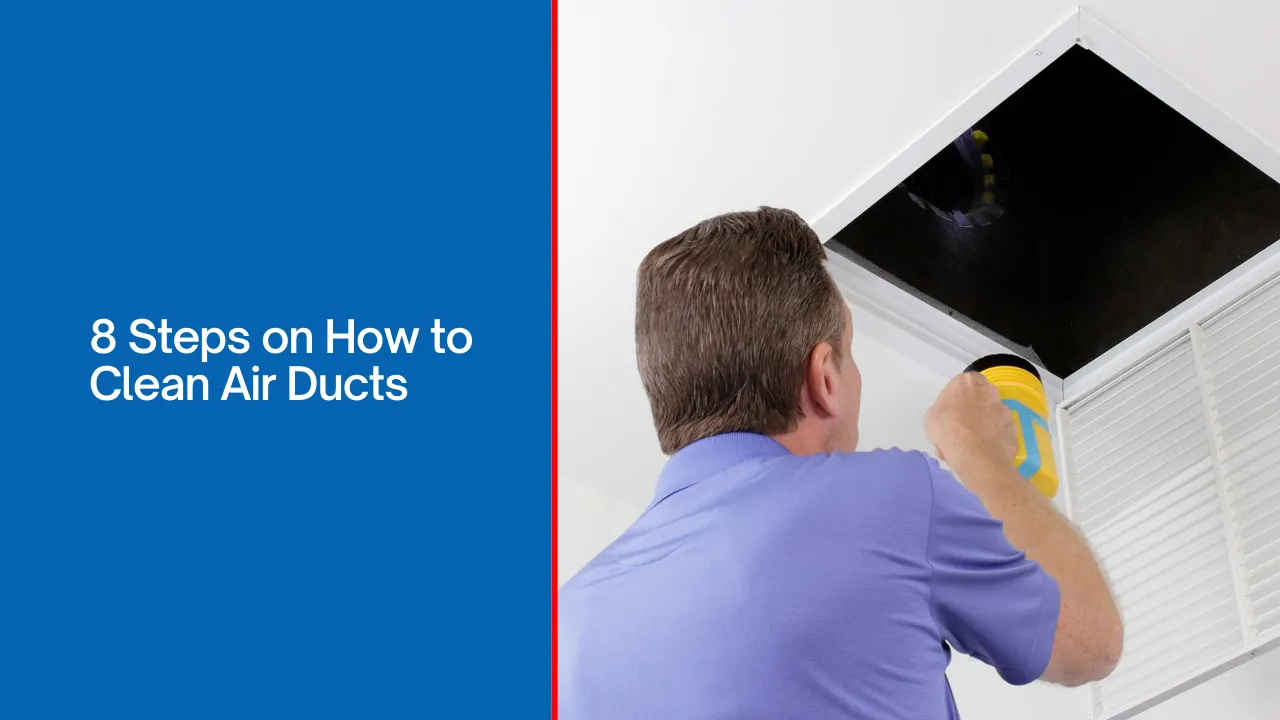
Maintaining clean air ducts is essential for the overall efficiency and air quality of your HVAC system. Dirty ducts can harbor dust, allergens, and even mold, impacting your health and the performance of your heating and cooling equipment. While professional duct cleaning is an option, homeowners can often handle basic cleaning themselves. This guide outlines the process, offering practical steps for cleaning your air ducts and maintaining a healthy indoor environment.
Understanding Your Ductwork
Before you begin, familiarize yourself with your ductwork. Most residential systems use either flexible or rigid ducts. Flexible ducts are typically found in attics or crawl spaces, while rigid ducts are more common in basements or within walls. Identifying the type and layout of your ductwork will help you choose the appropriate cleaning methods.
Tools and Materials You'll Need
Gather the following supplies before you start:
- A screwdriver (various sizes)
- A vacuum cleaner with hose attachments (a HEPA filter vacuum is ideal)
- A soft-bristled brush (for scrubbing if needed)
- Aluminum foil tape
- Drop cloths or old sheets
- A respirator or dust mask
- Safety glasses
- Gloves
Step-by-Step Duct Cleaning Guide
1. Safety First
Turn off your HVAC system at the thermostat and the breaker box. This prevents debris from circulating throughout your home during the cleaning process. Wear a respirator, safety glasses, and gloves to protect yourself from dust and allergens.
2. Cleaning the Registers and Grilles
Remove all registers and grilles from the vents. These are usually held in place with screws or clips. Wash them thoroughly with soap and water, removing any accumulated dust and grime. Let them dry completely before reinstalling. A degreaser might be needed for stubborn residue. For metal registers, consider soaking them in a vinegar and water solution for tougher stains.
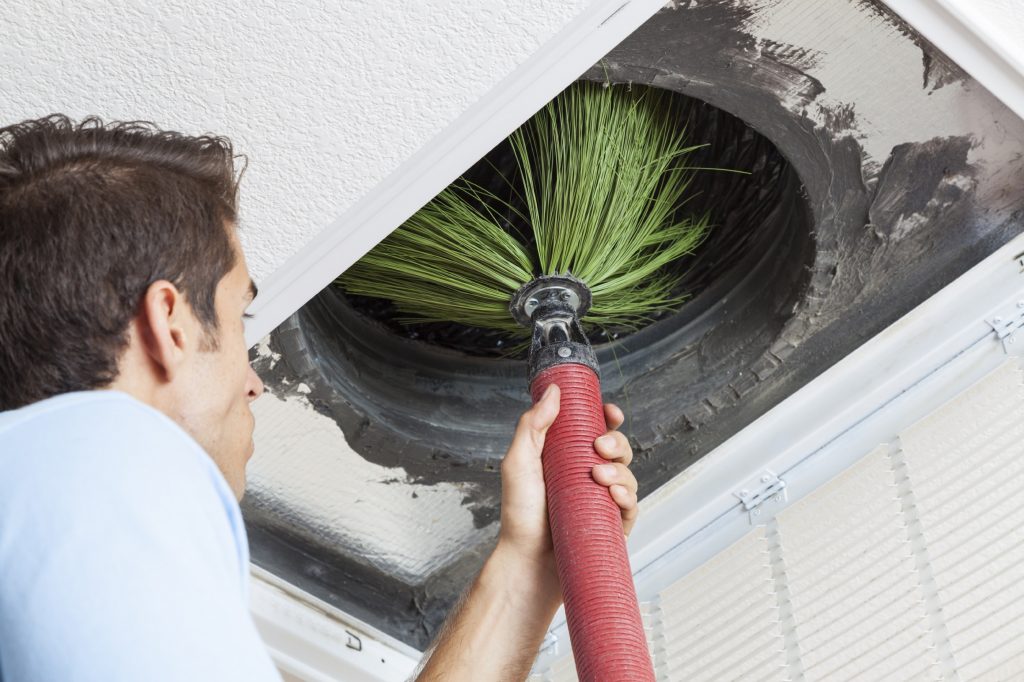
3. Vacuuming the Accessible Ductwork
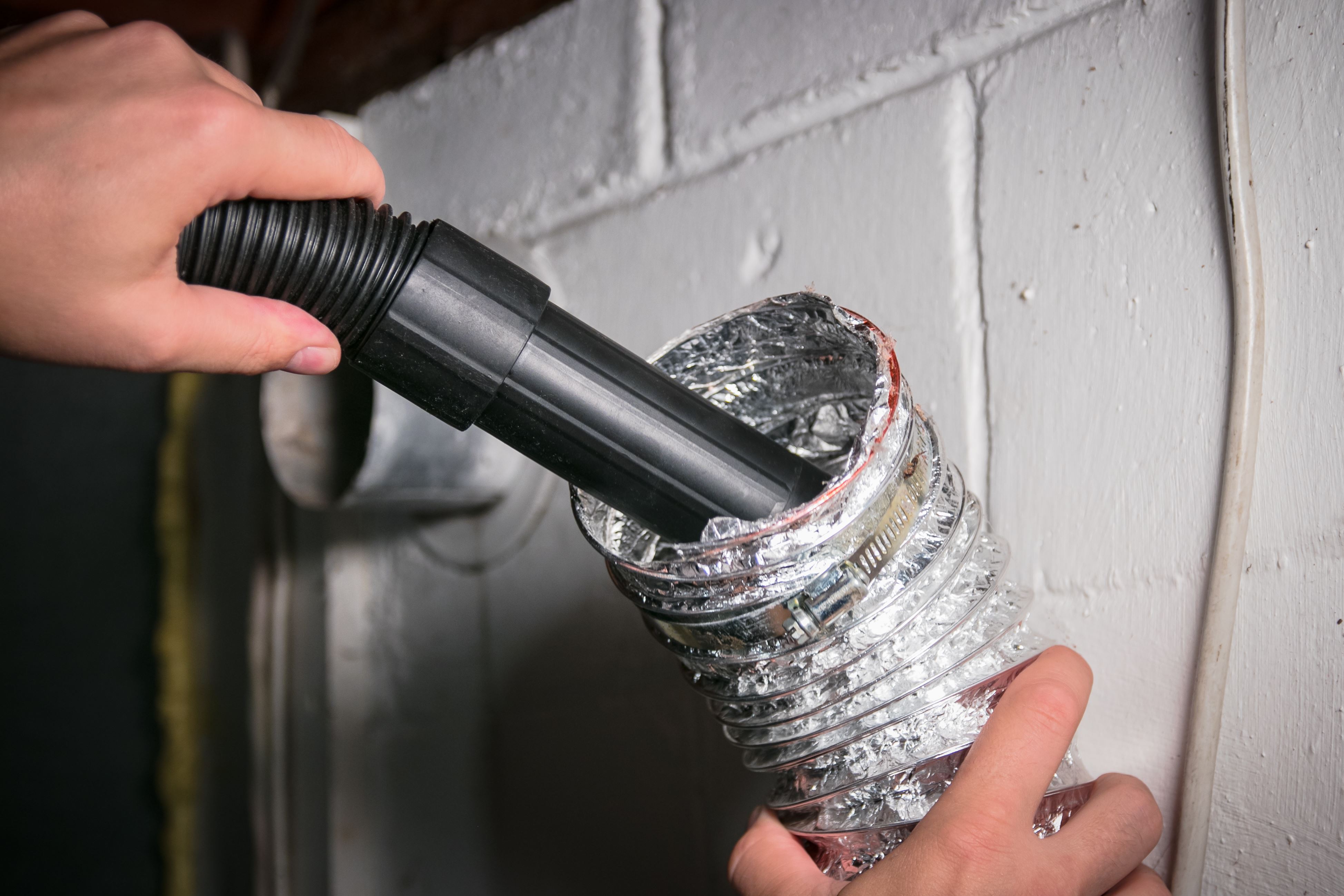
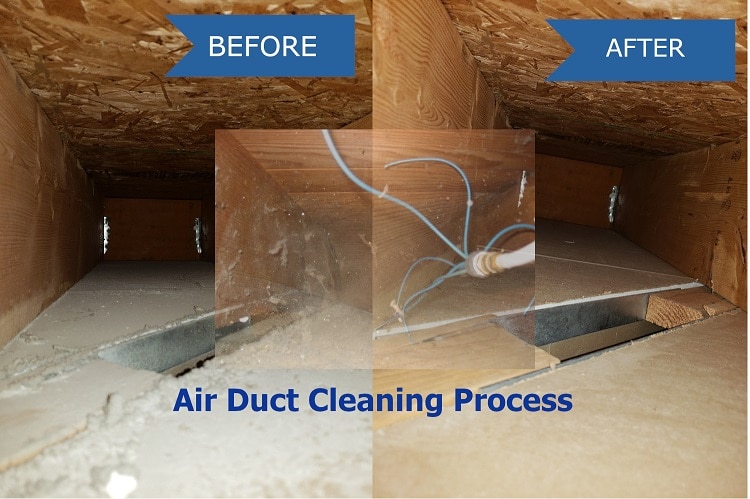
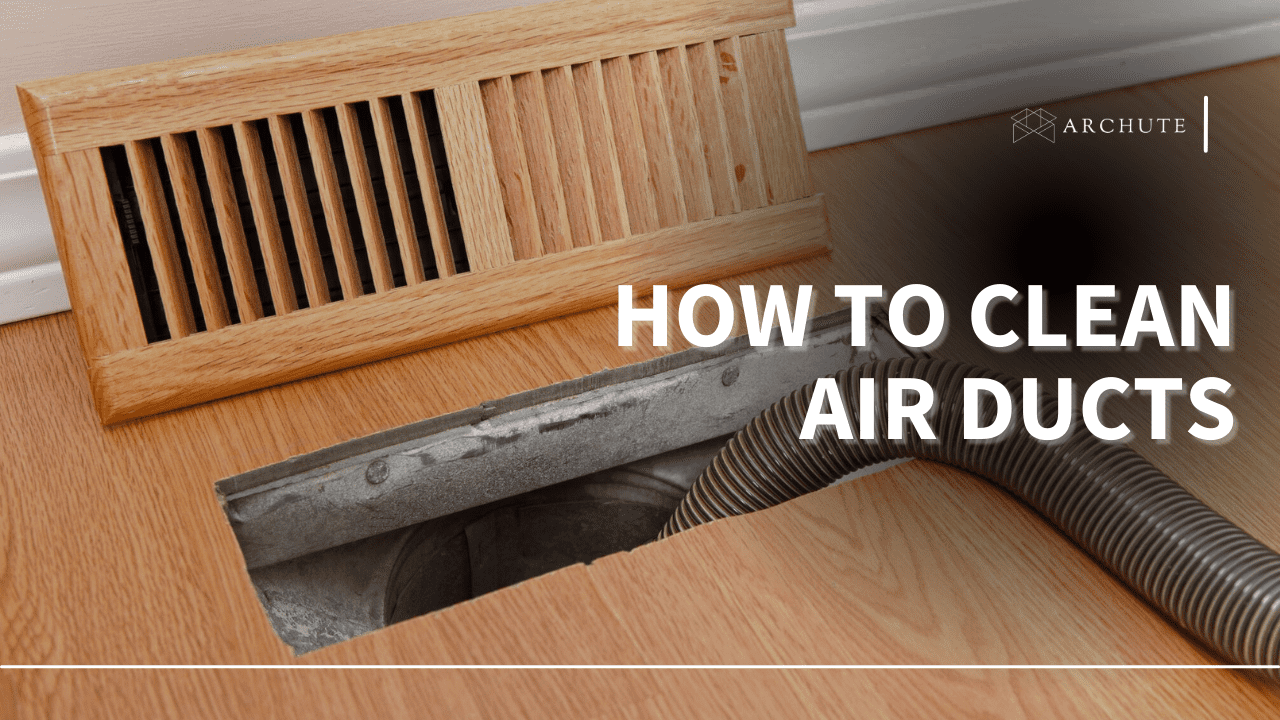
Using your vacuum cleaner with the hose attachment, reach into the ducts as far as possible. Vacuum the interior surfaces, removing loose dust and debris. Pay close attention to the areas immediately inside the vent openings, as these tend to accumulate the most dust. A crevice tool can be particularly helpful for reaching tight corners.
4. Cleaning the Blower Compartment (If Accessible)
The blower compartment houses the fan that circulates air throughout your home. If you can safely access it, carefully vacuum the blower fan and the surrounding area. Be extremely cautious when working around electrical components. Refer to your HVAC unit's manual for specific instructions on accessing and cleaning the blower compartment. Do not attempt this step if you are not comfortable working with electrical equipment.
5. Sealing Leaks
Inspect your ductwork for any leaks or gaps, especially at joints and seams. Seal these leaks with aluminum foil tape. Proper sealing prevents air loss and improves the efficiency of your HVAC system. For larger gaps, consider using mastic sealant in addition to foil tape.
6. Reinstalling Registers and Grilles
Once the registers and grilles are completely dry, reinstall them securely. Ensure that they are properly aligned and that all screws or clips are tightened.
7. Running the System
After completing the cleaning process, turn your HVAC system back on. Let it run for a few minutes to circulate the air and clear out any remaining dust. Monitor the air quality and repeat the vacuuming process if necessary.
When to Consider Professional Duct Cleaning
While homeowners can handle basic duct cleaning, there are situations where professional intervention is recommended:
- Mold Growth: If you suspect mold growth in your ductwork, professional cleaning is essential. Mold can pose serious health risks and requires specialized treatment.
- Pest Infestation: If you have evidence of rodents or insects in your ductwork, professional cleaning and pest control are necessary.
- Extensive Dust Accumulation: If your ducts are heavily soiled with dust and debris, professional equipment and techniques may be required for thorough cleaning.
- Allergies or Respiratory Issues: If you or a family member suffers from allergies or respiratory issues, professional duct cleaning can significantly improve indoor air quality.
- After Home Renovation: Construction activities often generate a large amount of dust and debris that can contaminate your ductwork.
Choosing an HVAC System: Key Considerations
If you're considering replacing or upgrading your HVAC system, several factors should influence your decision:
Energy Efficiency Ratings
AFUE (Annual Fuel Utilization Efficiency): This rating measures the heating efficiency of furnaces. A higher AFUE rating indicates greater energy efficiency. Look for furnaces with AFUE ratings of 90% or higher for optimal energy savings.
SEER (Seasonal Energy Efficiency Ratio): This rating measures the cooling efficiency of air conditioners. A higher SEER rating indicates greater energy efficiency. Current minimum SEER standards are 14 in most regions, but units with SEER ratings of 16 or higher offer significant energy savings.
HSPF (Heating Seasonal Performance Factor): This rating measures the heating efficiency of heat pumps. A higher HSPF rating indicates greater energy efficiency. Look for heat pumps with HSPF ratings of 8 or higher.
Popular HVAC Brands and Models
Several reputable HVAC brands offer a wide range of models to suit different needs and budgets. Here are a few popular options:
- Carrier: Known for high-efficiency and innovative features. Consider the Carrier Infinity series for top-of-the-line performance.
- Trane: Renowned for durability and reliability. The Trane XV20i is a popular high-efficiency model.
- Lennox: Offers a range of models, including energy-efficient options and smart home integration. The Lennox SL280V furnace is a highly efficient option.
- Goodman: Provides affordable and reliable HVAC systems.
- Rheem: Known for its innovative features and energy efficiency.
Warranties and Maintenance
Pay close attention to the warranty offered by the manufacturer. Most HVAC systems come with a limited warranty that covers parts and labor for a specific period. Extended warranties are also available for added protection. Regular maintenance is crucial for maintaining the warranty and ensuring the long-term performance of your HVAC system. Schedule annual maintenance checks with a qualified HVAC technician to inspect and tune-up your system.
Pricing
The cost of an HVAC system can vary depending on the brand, model, size, and installation complexity. Obtain quotes from multiple contractors to compare pricing and services. Remember that the upfront cost is just one factor to consider. The long-term energy savings and maintenance costs should also be factored into your decision.
Maintaining Air Duct Cleanliness: Preventive Measures
Preventing dust and debris from accumulating in your air ducts is the best way to maintain a healthy indoor environment and efficient HVAC system. Here are some preventive measures you can take:
- Regularly Replace Air Filters: Change your air filters every 1-3 months, depending on the type of filter and the air quality in your home.
- Vacuum Regularly: Vacuum your home regularly to remove dust and pet dander that can circulate through the air ducts.
- Clean Upholstery and Carpets: Upholstery and carpets can trap dust and allergens. Clean them regularly to reduce the amount of pollutants that enter your HVAC system.
- Control Humidity: High humidity levels can promote mold growth in air ducts. Use a dehumidifier to maintain a healthy humidity level in your home.
- Seal Air Leaks: Seal any air leaks around windows, doors, and other openings to prevent dust and pollutants from entering your home.
By following these steps and taking preventive measures, you can keep your air ducts clean and maintain a healthy and efficient HVAC system for years to come.