How To Clean Secondary Heat Exchanger

Maintaining Peak Efficiency: A Guide to Cleaning Your Secondary Heat Exchanger
The secondary heat exchanger is a crucial component in high-efficiency condensing furnaces, playing a vital role in extracting maximum heat from combustion gases. Unlike older, less efficient furnaces, condensing furnaces utilize a secondary heat exchanger to cool exhaust gases to the point where water vapor condenses, releasing additional latent heat. This process significantly boosts the furnace's Annual Fuel Utilization Efficiency (AFUE), often exceeding 90%. For homeowners, this translates to lower energy bills and a reduced carbon footprint. For facility managers, optimizing the efficiency of heating systems across multiple properties can lead to substantial cost savings. And for HVAC technicians, understanding and maintaining these systems is critical for providing comprehensive service.
Understanding the Secondary Heat Exchanger
To understand the cleaning process, it’s helpful to first grasp the function of the secondary heat exchanger. In a standard furnace, combustion produces hot gases that pass through the primary heat exchanger, warming the air circulating through your home. In a condensing furnace, these gases, still containing significant heat and moisture, then enter the secondary heat exchanger. Here, they are further cooled, causing the water vapor to condense into liquid water. This condensation releases the latent heat of vaporization, which is then transferred to the circulating air. The condensed water, being slightly acidic, is then drained away through a condensate drain line.
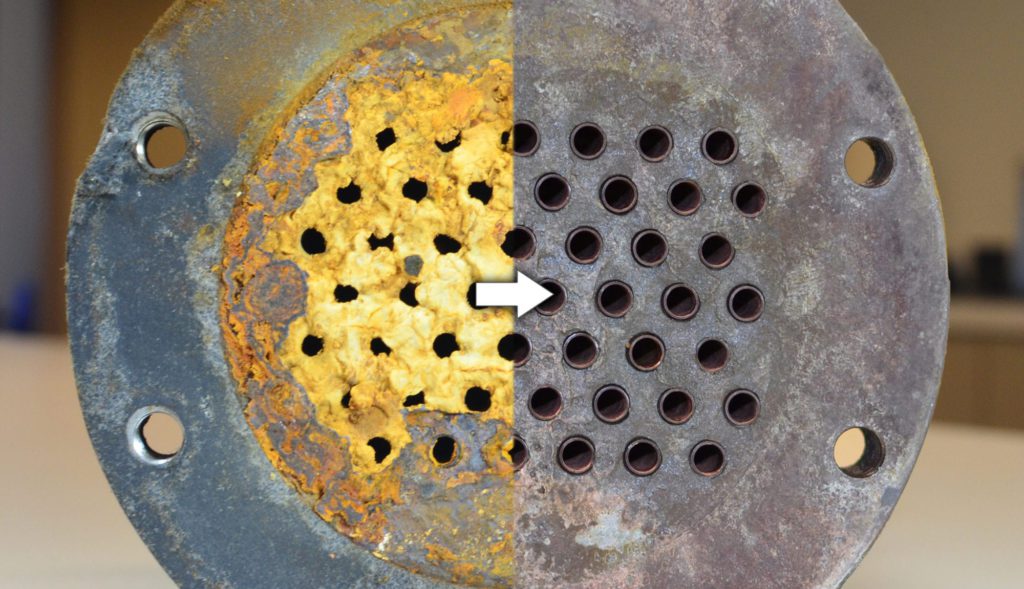
This condensing process, while boosting efficiency, also creates a unique maintenance challenge: the accumulation of acidic condensate residue within the secondary heat exchanger. Over time, this residue can restrict airflow, reduce heat transfer efficiency, and even corrode the heat exchanger, leading to costly repairs or premature failure. This is why regular cleaning is essential.
Identifying the Need for Cleaning
Several telltale signs indicate that your secondary heat exchanger may require cleaning. Recognizing these early warning signs can help prevent more serious problems:
- Reduced Heating Efficiency: One of the first indicators is a noticeable increase in your energy bills despite consistent usage patterns. The furnace is working harder to achieve the same temperature.
- Unusual Noises: Gurgling or bubbling sounds coming from the furnace can indicate a blockage in the condensate drain or the heat exchanger itself.
- Error Codes: Modern furnaces often display error codes on the control board, which can point to specific issues within the system. Consult your furnace's manual for code definitions.
- Visible Corrosion: Although often difficult to see without disassembly, visible corrosion around the condensate drain or the exterior of the furnace suggests potential internal issues.
- Water Leaks: Leaks around the furnace can indicate a clogged condensate drain or corrosion in the heat exchanger.
For HVAC technicians, performing a combustion analysis is crucial. A high CO (carbon monoxide) reading can indicate incomplete combustion due to restricted airflow caused by a dirty heat exchanger.
The Cleaning Process: A Step-by-Step Guide
Safety First! Before beginning any cleaning procedure, always turn off the furnace at the breaker and disconnect the power supply. Allow the furnace to cool completely.
- Gather Your Supplies: You will need:
- A wet/dry vacuum
- A stiff-bristled brush (nylon or plastic, not metal)
- A garden hose with a nozzle
- Protective gloves and eyewear
- A bucket
- Neutralizing solution (e.g., vinegar or a commercially available cleaner specifically designed for heat exchangers)
- Access the Secondary Heat Exchanger: This usually involves removing the furnace's front panel and possibly other components, such as the vent pipe and inducer motor. Consult your furnace's service manual for specific instructions. This step may require specialized tools and knowledge; if you are not comfortable with this process, consult a qualified HVAC technician.
- Inspect the Heat Exchanger: Visually inspect the heat exchanger for any signs of corrosion or damage. If you notice significant corrosion, do not attempt to clean it. Contact a qualified HVAC technician for an assessment.
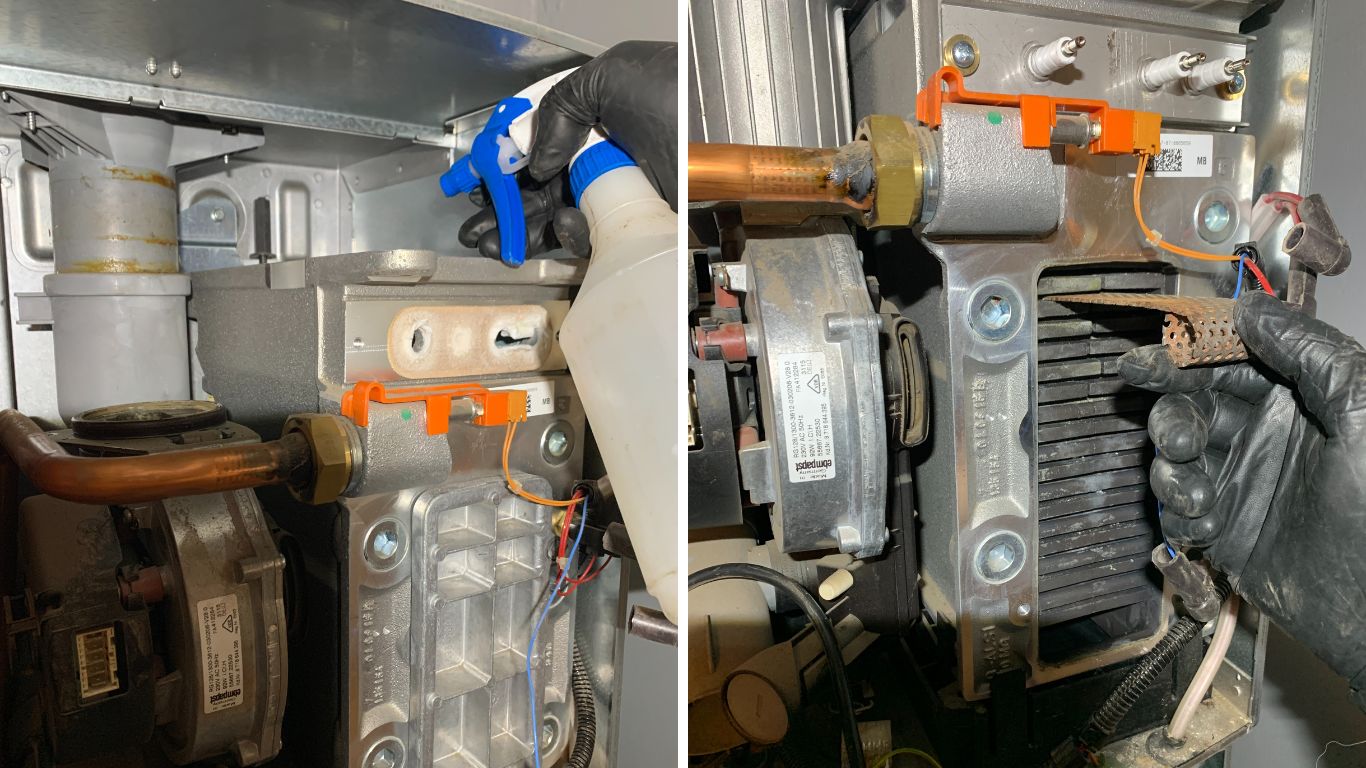
- Remove Loose Debris: Use the wet/dry vacuum and brush to remove any loose debris or scale from the heat exchanger. Be gentle to avoid damaging the delicate fins.
- Flush the Heat Exchanger: Connect the garden hose to a water source and use a nozzle to spray water through the heat exchanger. This will help to dislodge any remaining residue. Direct the water into the bucket to avoid flooding the furnace.
- Apply Neutralizing Solution: Mix the neutralizing solution according to the manufacturer's instructions. Pour or spray the solution into the heat exchanger, ensuring that it coats all surfaces. Allow the solution to dwell for the recommended time (usually 15-30 minutes).
- Flush Again: Thoroughly flush the heat exchanger with water to remove the neutralizing solution and any remaining residue. Continue flushing until the water runs clear.
- Reassemble the Furnace: Carefully reassemble the furnace, ensuring that all components are properly connected. Double-check the vent pipe connections to ensure they are airtight.
- Test the Furnace: Turn the furnace back on and monitor its operation. Listen for any unusual noises and check for error codes. Verify that the condensate drain is flowing freely.
Important Considerations for HVAC Technicians
For HVAC technicians, several additional factors should be considered during the cleaning process:
- Combustion Analysis: Always perform a combustion analysis before and after cleaning the heat exchanger to verify the effectiveness of the cleaning process and to ensure that the furnace is operating safely and efficiently.
- Pressure Testing: Consider performing a pressure test on the heat exchanger to check for leaks, especially if corrosion is suspected.
- OEM Guidelines: Always follow the manufacturer's recommendations for cleaning and maintaining the heat exchanger. Different furnace models may require specific cleaning procedures or solutions.
- Documentation: Document the cleaning process, including the date, the condition of the heat exchanger, and any actions taken. This information can be valuable for future maintenance and troubleshooting.
Preventative Maintenance and Long-Term Care
Regular preventative maintenance is crucial for extending the lifespan of your secondary heat exchanger and ensuring optimal furnace performance. Consider the following:
- Annual Inspections: Schedule an annual inspection with a qualified HVAC technician to inspect and clean your furnace.
- Filter Replacement: Replace your furnace filter regularly (every 1-3 months) to prevent dust and debris from entering the system and clogging the heat exchanger.
- Condensate Drain Maintenance: Periodically check the condensate drain to ensure it is clear of debris. Pouring a cup of bleach down the drain can help prevent clogs.
- Proper Ventilation: Ensure that the furnace has adequate ventilation to prevent overheating.
Costs and Lifespan
The cost of cleaning a secondary heat exchanger can vary depending on the complexity of the job and the location. Generally, homeowners can expect to pay between $200 and $500 for a professional cleaning. The lifespan of a secondary heat exchanger can range from 15 to 20 years, but this can be significantly reduced by neglecting maintenance. Replacing a secondary heat exchanger can cost between $1,000 and $2,500, making regular cleaning a worthwhile investment.
By understanding the function of the secondary heat exchanger, recognizing the signs of a dirty heat exchanger, and following the proper cleaning procedures, homeowners, facility managers, and HVAC technicians can ensure that high-efficiency condensing furnaces operate at peak performance, saving energy and extending their lifespan. Remember to always prioritize safety and consult a qualified HVAC technician if you are unsure about any aspect of the cleaning process.