How To Close Gable Vents

Should You Close Your Gable Vents? A Homeowner's Guide to Energy Efficiency
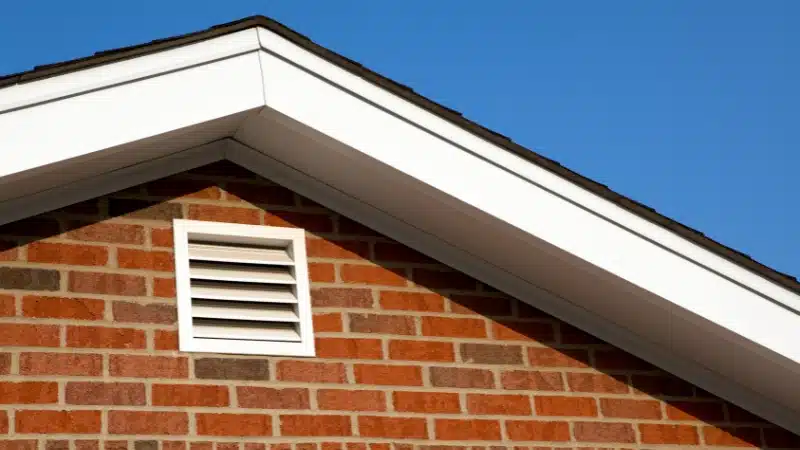
Gable vents, those triangular openings nestled under the peaks of your roof, have long been a standard feature in attics. Their traditional purpose? To provide ventilation, allowing hot, humid air to escape during summer and prevent moisture buildup in winter. But in today's world of advanced insulation, energy-efficient HVAC systems, and smart home technology, the question arises: Should you close your gable vents? The answer, as with many things related to home energy efficiency, is nuanced and depends heavily on your specific circumstances.
Understanding Gable Vents: The Pros and Cons
Historically, gable vents were crucial for attic ventilation. Without them, hot air would become trapped, potentially leading to:
- Overheating: Increased attic temperatures can radiate down into your living spaces, forcing your air conditioner to work harder and increasing energy bills.
- Moisture Buildup: In colder months, warm, moist air from inside your home can rise into the attic. Without adequate ventilation, this moisture can condense, leading to mold growth, wood rot, and insulation damage.
- Ice Dams: In snowy climates, poor attic ventilation can contribute to ice dam formation. Warm air escaping from the attic melts snow on the roof, which then refreezes at the eaves, creating a dam that can damage your roof and gutters.
However, open gable vents can also create problems:
- Energy Loss: In winter, they allow heat to escape from your home, increasing heating costs. In summer, they allow hot, humid air to enter the attic, making it harder to keep your home cool.
- Ineffective Insulation: Open vents can disrupt airflow around your insulation, reducing its effectiveness. Imagine trying to stay warm in a winter coat full of holes – that's what happens when unmanaged airflow moves around your insulation.
- Pest Entry: Gable vents can provide easy access for birds, squirrels, insects, and other pests to enter your attic.
- Negative Pressure: Especially if your HVAC system is powerful, open gable vents can contribute to negative pressure inside your home, drawing in outside air through cracks and gaps in your walls and windows.
When Closing Gable Vents Makes Sense
In several situations, closing your gable vents can actually improve energy efficiency and protect your home:
- Sealed and Insulated Attics: If you have a properly sealed and insulated attic – especially a conditioned attic where the insulation is applied to the roof deck rather than the attic floor – gable vents are unnecessary and can even be detrimental. In this case, the attic space is essentially part of your home's conditioned environment.
- Balanced Ventilation Systems: If you have a balanced attic ventilation system, such as ridge vents in combination with soffit vents, gable vents can disrupt the airflow and reduce the system's effectiveness. Ridge vents are typically the most effective way to vent hot air from the attic, while soffit vents provide intake air.
- High Energy Bills: If you consistently experience high energy bills, even after upgrading your insulation and HVAC system, closing your gable vents might be a worthwhile experiment. Monitor your energy usage before and after closing the vents to see if there's a noticeable improvement.
How to Close Gable Vents Effectively
If you've decided to close your gable vents, here's how to do it properly:
- Identify the Vent Type: Determine the type of gable vent you have. Some vents are simply screened openings, while others have operable louvers that can be closed.
- Safety First: Always prioritize safety. Wear appropriate safety gear, including gloves, eye protection, and a dust mask. If you're not comfortable working at heights, hire a qualified contractor.
- Cleaning: Thoroughly clean the area around the vent opening. Remove any debris, dirt, or pest droppings.
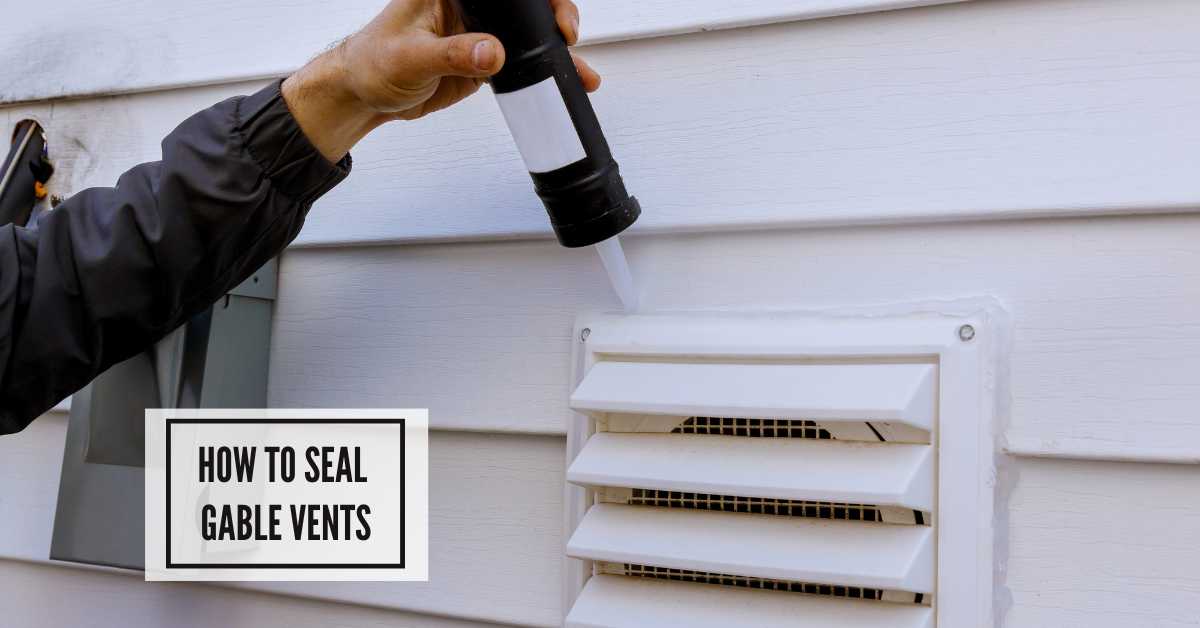
- Sealing: Use a high-quality sealant, such as caulk or expanding foam, to seal any gaps or cracks around the vent frame. This will prevent air leaks and pest entry.
- Insulating: Cut a piece of rigid foam insulation to fit snugly inside the vent opening. This will provide an additional layer of insulation and prevent heat transfer.
- Covering: Cover the vent opening with a durable material, such as plywood or metal sheeting. Secure the covering with screws or nails.
- Finishing: Seal the edges of the covering with sealant to prevent air leaks and moisture intrusion. You can also paint the covering to match the exterior of your home.
Important Note: Before permanently closing your gable vents, consult with a qualified HVAC professional or home energy auditor to ensure that you have adequate attic ventilation. Improper ventilation can lead to moisture problems and other issues.
Smart HVAC and Gable Vent Integration
While closing gable vents might seem counterintuitive, it can actually be a crucial step in optimizing your smart home's energy efficiency, especially when integrated with a smart HVAC system. Here's how:
- Smart Thermostats: A smart thermostat learns your heating and cooling preferences and automatically adjusts the temperature to save energy. With closed gable vents and proper insulation, the thermostat can more accurately maintain the desired temperature without constantly battling drafts and heat loss. Popular models include the Nest Learning Thermostat and the ecobee SmartThermostat, both of which are Energy Star certified.
- Smart Sensors: Smart sensors can monitor temperature and humidity levels in your attic and throughout your home. This data can be used to optimize your HVAC system's performance and identify potential problems, such as moisture buildup, even with closed gable vents. Sensors from companies like Sense and Awair provide valuable insights.
- Zoned HVAC Systems: Zoned HVAC systems allow you to control the temperature in different areas of your home independently. By closing gable vents and properly insulating your attic, you can create more consistent temperatures throughout your home, making zoned heating and cooling more effective.
The key is to ensure that your home is properly sealed and insulated before relying on smart HVAC technology. Closing gable vents is just one piece of the puzzle, but it can significantly improve the performance of your smart home system.
Energy Savings and ROI
The ROI of closing gable vents can vary depending on factors such as your climate, home's construction, and energy usage habits. However, studies have shown that properly sealing and insulating your attic – which may include closing gable vents – can reduce heating and cooling costs by as much as 10-20%. According to the U.S. Department of Energy, sealing air leaks can save homeowners an average of 15% on their energy bills. Energy Star also offers resources and guidelines for improving home energy efficiency, including recommendations for attic insulation and ventilation.
Here's a hypothetical example:
Let's say your annual heating and cooling costs are $2,000. A 10% reduction would save you $200 per year. The cost of closing your gable vents, including materials and labor, might be $100-$300. In this scenario, the ROI would be less than two years. Factor in potential rebates or tax credits for energy-efficient home improvements, and the ROI could be even faster.
Considerations for Businesses
The principles of gable vent management apply to commercial buildings as well. Businesses can often realize even greater energy savings by sealing and insulating their attics, due to the larger size of their buildings and the higher energy demands of their operations. Additionally, many utility companies offer rebates and incentives for businesses that invest in energy-efficient upgrades.
For example, a warehouse with open gable vents could experience significant heat loss in winter, leading to higher heating costs and uncomfortable working conditions. By closing the vents and improving insulation, the warehouse owner could reduce energy costs, improve employee comfort, and potentially qualify for rebates from their utility company.
Conclusion: A Holistic Approach to Energy Efficiency
Closing gable vents is not a one-size-fits-all solution. It's a decision that should be based on a thorough understanding of your home's ventilation system, insulation levels, and energy usage habits. However, when done correctly, it can be a valuable step in improving energy efficiency, reducing energy bills, and creating a more comfortable and sustainable living environment. Remember to take a holistic approach to energy efficiency, considering all aspects of your home's building envelope and HVAC system. Consult with qualified professionals, leverage smart home technology, and take advantage of available rebates and incentives. By taking these steps, you can transform your home into an energy-efficient oasis and save money while doing your part for the environment.