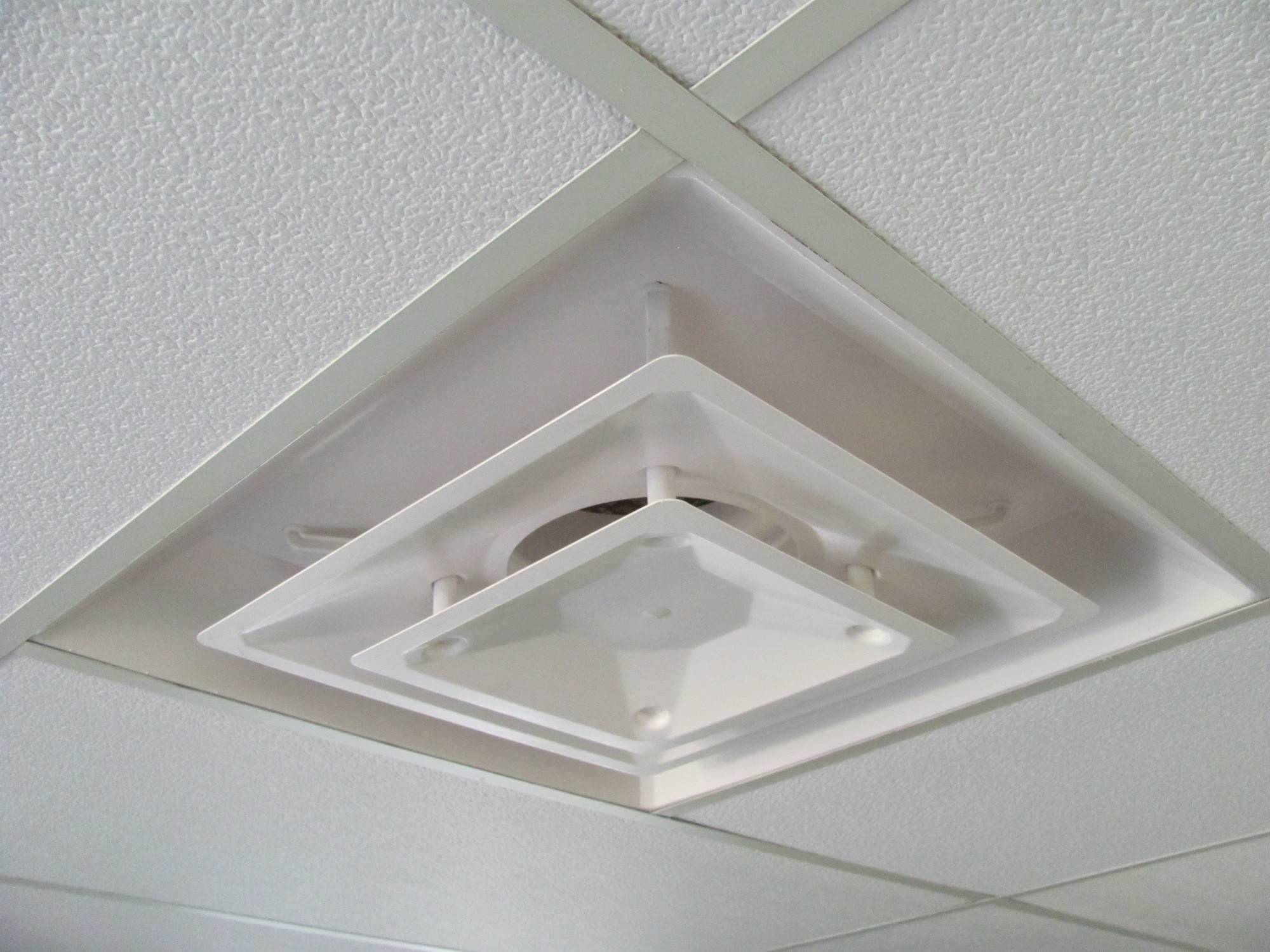
How To Close Office Ceiling Vents
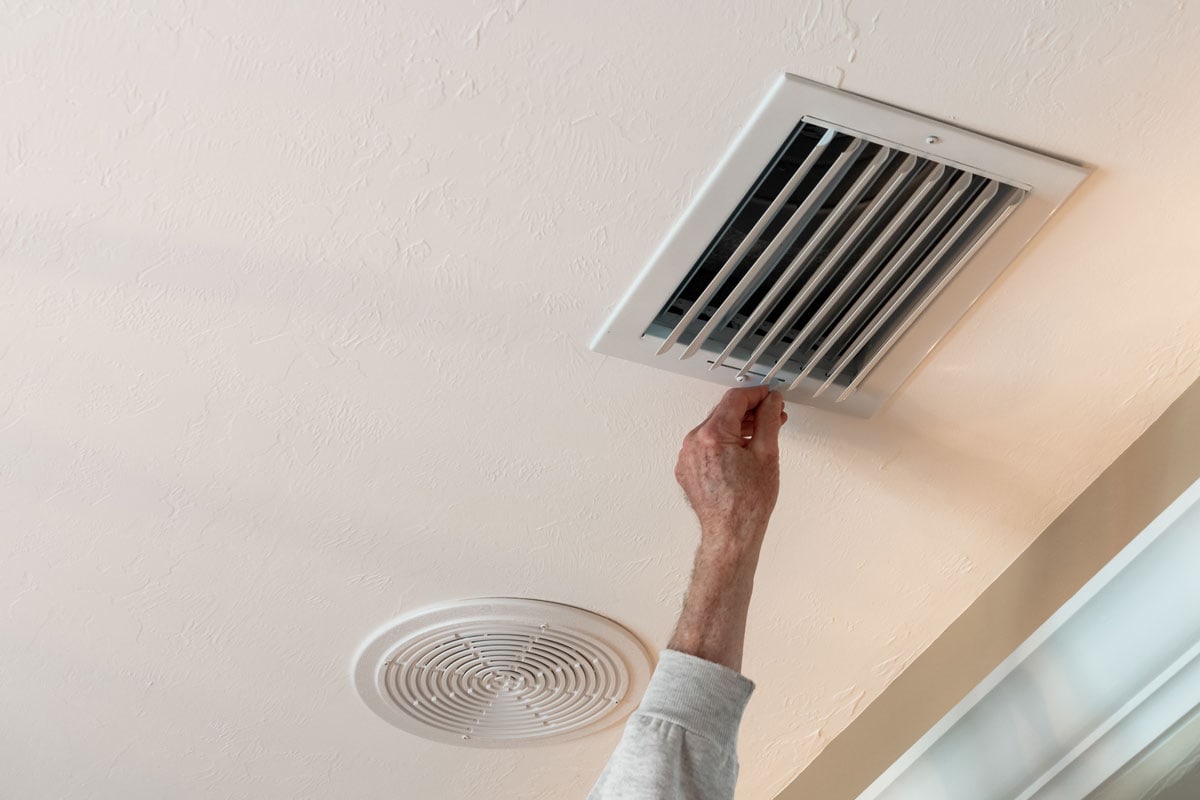
The question of whether to close office ceiling vents sparks debate, especially when considering energy efficiency and cost savings. While a seemingly simple action, its impact can be complex, affecting your HVAC system's performance and overall comfort. This article explores the pros, cons, and best practices surrounding closing ceiling vents, providing homeowners, businesses, and HVAC professionals with the knowledge to make informed decisions.
Understanding the Basics: How HVAC Systems Work
Before diving into the specifics of closing vents, it's crucial to understand how a typical forced-air HVAC system functions. These systems work by circulating air through a network of ducts. The furnace or air conditioner heats or cools the air, and the blower fan forces it through the supply ducts to vents throughout the building. Return vents then draw the air back to the HVAC unit to be reconditioned. This cyclical process maintains a consistent temperature. The key is balanced airflow, ensuring that conditioned air reaches all areas effectively.
The Argument Against Closing Vents: Static Pressure and System Strain
The primary argument against closing vents revolves around the concept of static pressure. Static pressure is the resistance the blower fan encounters as it pushes air through the ductwork. When you close vents, you reduce the pathways for air to escape, increasing static pressure within the system. This increased pressure can lead to several problems:
- Reduced Airflow: The blower motor has to work harder to overcome the resistance, potentially reducing the overall airflow to other areas of the building. This can lead to uneven heating and cooling, with some rooms becoming too hot or too cold.
- Increased Energy Consumption: A strained blower motor consumes more electricity, negating any potential savings from closing vents in the first place. This directly impacts your energy bill.
- Equipment Damage: Over time, excessive static pressure can damage the blower motor, leading to premature failure and costly repairs. It can also stress other components like the evaporator coil, impacting the lifespan of the entire HVAC system.
- Duct Leaks: Increased pressure can exacerbate existing duct leaks, allowing conditioned air to escape into unconditioned spaces. This is a significant energy waster and negates any perceived benefits of closing vents.
According to the U.S. Department of Energy (DOE), a properly sealed and insulated duct system can reduce energy waste by as much as 20%. Closing vents without addressing ductwork issues can actually worsen this problem.
Situations Where Closing Vents Might Be Considered
Despite the risks, there are specific scenarios where carefully considered vent adjustments might be beneficial. However, it's crucial to approach these situations with caution and ideally consult with an HVAC professional.
- Unused Rooms: If a room is consistently unoccupied and properly sealed off (including sealing around the door), closing the vent may be acceptable. However, even in this case, you must ensure that closing the vent doesn't drastically increase static pressure or negatively impact airflow to other areas. Monitoring the system's performance and temperature balance is essential.
- Zoned Systems: HVAC systems with zoning capabilities are designed to control temperature in different areas independently. These systems use dampers to regulate airflow to specific zones, making it safer and more effective to control temperature in different areas. If you have a zoned system, closing vents within a zone might be acceptable, but always refer to the manufacturer's instructions.
- Temporary Adjustments: In some cases, homeowners may consider temporarily adjusting vents to redirect airflow. For example, during summer, partially closing vents in naturally cooler basements could slightly improve cooling to upper floors. However, this should be done cautiously and monitored closely to avoid creating imbalances.
The Importance of Balanced Airflow: A Holistic Approach
Instead of simply closing vents, a more effective and sustainable approach to energy savings involves optimizing your HVAC system and addressing underlying issues. This includes:
- Duct Sealing and Insulation: As mentioned earlier, leaky ducts are a major source of energy waste. Sealing ducts with mastic or metal tape and insulating them can significantly reduce heat loss or gain, improving efficiency and comfort. Look for Energy Star certified duct sealing products.
- Proper Insulation: Ensuring your home is adequately insulated in walls, ceilings, and floors minimizes heat transfer, reducing the workload on your HVAC system. Refer to local building codes and insulation guidelines.
- Regular Maintenance: Regular maintenance, including cleaning or replacing air filters, cleaning coils, and inspecting components, keeps your HVAC system running efficiently and prevents costly breakdowns.
- Smart Thermostats: Smart thermostats allow for programmable temperature settings, remote control, and even learning capabilities. They can automatically adjust the temperature based on your schedule and preferences, optimizing energy usage without sacrificing comfort. Many smart thermostats also offer energy monitoring features, providing insights into your energy consumption.
- Upgrading to Energy-Efficient Equipment: If your HVAC system is old or inefficient, consider upgrading to a newer, more efficient model. Look for Energy Star certified models with high SEER (Seasonal Energy Efficiency Ratio) ratings for cooling and AFUE (Annual Fuel Utilization Efficiency) ratings for heating. Many utility companies offer rebates and incentives for upgrading to energy-efficient equipment.
Smart HVAC Integration: The Future of Energy Efficiency
Integrating your HVAC system with smart home technology takes energy efficiency to the next level. Smart sensors can monitor temperature and occupancy in different rooms, providing real-time data to your smart thermostat. This allows the system to automatically adjust airflow and temperature based on actual needs, eliminating wasted energy. Imagine a system that automatically reduces heating or cooling in rooms that are unoccupied or adjusts the temperature based on the number of people present. This level of control and automation can significantly reduce energy consumption and improve comfort.
Closing Vents and Zoning Systems: A Compatible Combination
As noted earlier, zoned HVAC systems offer a more controlled and efficient way to manage temperature in different areas. Zoning systems use dampers to regulate airflow to different zones, allowing you to heat or cool only the areas that need it. In a properly designed and installed zoning system, closing vents within a zone is less likely to cause significant static pressure problems because the system is designed to compensate for changes in airflow.
However, even with a zoning system, it's essential to understand how it works and to follow the manufacturer's recommendations. Avoid closing too many vents within a zone, as this could still strain the system. A professionally installed and configured zoning system offers a much more reliable and energy-efficient alternative to simply closing vents.
Consulting with HVAC Professionals: Expertise and Peace of Mind
The best way to determine the optimal approach to energy efficiency in your home or office is to consult with a qualified HVAC professional. They can assess your system, identify areas for improvement, and recommend solutions that are tailored to your specific needs. An HVAC professional can perform a static pressure test to determine if your system is operating within acceptable limits. They can also evaluate your ductwork, insulation, and other factors that affect energy efficiency.
Furthermore, HVAC professionals can advise you on the latest energy-efficient technologies and help you take advantage of available rebates and incentives. Investing in professional advice and services can save you money in the long run and ensure that your HVAC system operates efficiently and reliably.
ROI and Energy Savings: Quantifying the Benefits
Implementing energy-efficient measures can result in significant cost savings and a positive return on investment (ROI). The exact savings will vary depending on factors such as your location, climate, energy prices, and the specific measures you implement. However, here are some general estimates:
- Duct Sealing and Insulation: Can reduce energy waste by up to 20%, resulting in significant savings on your energy bill.
- Proper Insulation: Can reduce heating and cooling costs by 10-30%.
- Smart Thermostats: Can save you up to 10-12% on heating and cooling costs.
- Energy-Efficient HVAC Equipment: Can save you 20-40% compared to older, less efficient models.
Many utility companies offer rebates and incentives for implementing energy-efficient measures, further reducing the upfront costs and accelerating the ROI. Be sure to research available programs in your area. A detailed energy audit can provide a more accurate estimate of potential savings and help you prioritize investments.
Conclusion: Informed Decisions for Sustainable Comfort
The decision of whether to close office ceiling vents is not a simple yes or no answer. While temporarily closing vents in specific situations might seem appealing, it's crucial to understand the potential consequences and consider a more holistic approach to energy efficiency. Addressing underlying issues like leaky ducts, inadequate insulation, and inefficient equipment offers a more sustainable and effective path to cost savings and improved comfort.
Investing in smart HVAC technology and consulting with HVAC professionals can further optimize your system and ensure that it operates efficiently and reliably for years to come. By making informed decisions and taking a proactive approach, you can create a more comfortable, energy-efficient, and sustainable environment for your home or business.