How To Connect Flex Duct Together

Working with flexible ductwork is a fundamental skill in the HVAC industry. From residential installations to complex commercial systems, knowing how to properly connect flex duct is crucial for efficiency, air quality, and long-term system performance. This article provides a comprehensive guide for students, professionals, and employers, covering best practices, industry standards, and career considerations.
Understanding Flex Duct and Its Applications
Flexible duct, often called flex duct, is a non-rigid ductwork used to connect supply air outlets (registers and diffusers) to the main ductwork of an HVAC system. It's favored for its ease of installation, adaptability in tight spaces, and cost-effectiveness. However, improper installation can lead to significant energy loss and reduced airflow.
Key advantages of flex duct include:
- Flexibility: Navigates around obstacles easily.
- Cost-Effectiveness: Generally less expensive than rigid ductwork.
- Ease of Installation: Requires less specialized tooling compared to rigid duct.
Common Applications:
- Residential HVAC systems
- Connecting supply air registers to main duct trunks
- Attic and crawl space installations
- Retrofit projects
Step-by-Step Guide: Connecting Flex Duct
1. Gathering the Right Tools and Materials
Before you begin, ensure you have all the necessary tools and materials. This includes:
- Flex duct: Ensure it's the correct diameter for your application.
- Duct knife or utility knife: For cutting the flex duct.
- Measuring tape: For accurate measurements.
- Screws: Typically, self-tapping sheet metal screws.
- Metal tape: UL 181B-FX listed foil tape is crucial for sealing.
- Duct sealant (mastic): For added sealing and durability, especially in extreme climates.
- Zip ties or nylon straps: For securing the inner liner.
- Gloves and safety glasses: Prioritize safety.
2. Preparing the Flex Duct
Accurate measurement and clean cuts are essential. Overly long or poorly cut duct can dramatically reduce airflow.
- Measure: Determine the required length of flex duct. It's always best to overestimate slightly; you can trim excess, but adding length is problematic.
- Cut the Outer Jacket: Use the duct knife to carefully cut the outer jacket of the flex duct. Be mindful not to damage the inner liner.
- Expose the Inner Liner: Fold back the outer jacket and insulation to expose approximately 2-3 inches of the inner liner.
3. Connecting the Flex Duct to a Collar or Takeoff
This is where the integrity of the connection is established. A secure and airtight seal is critical.
- Position the Inner Liner: Slide the inner liner over the collar or takeoff. Ensure it extends at least 2 inches.
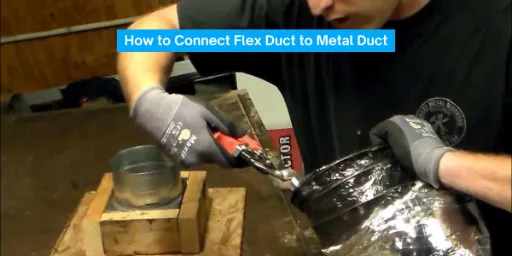
- Secure the Inner Liner: Use zip ties or nylon straps to tightly secure the inner liner to the collar. Crimp the metal with pliers for an even tighter hold.
- Fold Back Insulation: Pull the insulation over the connection.
- Secure the Outer Jacket: Use metal tape to tightly seal the outer jacket to the collar. Overlap the tape by at least 1 inch and apply firm pressure to ensure adhesion.
- Apply Duct Sealant (Optional): For added protection, especially in unconditioned spaces like attics, apply duct sealant over the taped connection. This helps prevent air leakage and moisture intrusion.
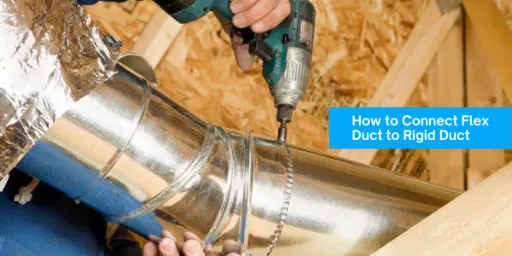
- Screw the Outer Jacket: Add screws around the collar perimeter to secure the outer jacket.
4. Sealing and Securing the Connection
Effective sealing is the hallmark of a professional installation. Poorly sealed connections lead to significant energy waste.
- Metal Tape Application: Use UL 181B-FX listed foil tape. Apply it tightly and smoothly, avoiding wrinkles or gaps. Overlap seams adequately.
- Duct Sealant Application: Apply a generous but even coat of duct sealant over the taped connection. Allow it to dry completely before operating the system.
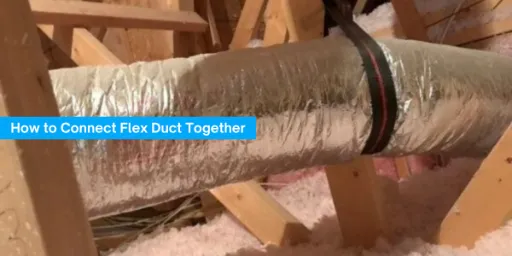
- Support the Duct: Properly support the flex duct to prevent sagging and kinking. Use hangers or straps spaced according to local codes.
Common Mistakes to Avoid
Even experienced technicians can fall prey to common errors. Avoiding these mistakes will significantly improve the quality and efficiency of your installations.
- Using excessive duct length: Longer duct runs increase friction and reduce airflow. Keep runs as short and straight as possible.
- Kinking or compressing the duct: This restricts airflow. Ensure proper support and avoid sharp bends.
- Using incorrect duct size: Undersized duct restricts airflow, while oversized duct can lead to uneven air distribution.
- Poor sealing: Air leaks are a major source of energy loss. Use quality materials and proper techniques for sealing connections.
- Using non-UL 181B-FX listed tape: This tape can degrade over time, leading to leaks. Always use the correct tape.
Career Paths and Industry Trends
The HVAC industry offers a wide range of career opportunities, from entry-level installer to highly specialized technician and engineer. According to the Bureau of Labor Statistics, the median annual wage for HVAC mechanics and installers was $59,620 in May 2023. Job outlook is projected to grow 6 percent from 2022 to 2032, about as fast as the average for all occupations.
Example Career Paths:
- HVAC Installer: Entry-level position focused on installing and connecting ductwork, equipment, and other system components. Average Salary: $45,000 - $60,000 per year.
- HVAC Technician: Diagnoses and repairs HVAC systems. Requires strong troubleshooting skills and knowledge of electrical and mechanical systems. Average Salary: $55,000 - $75,000 per year.
- HVAC Service Manager: Oversees a team of technicians and manages service operations. Requires strong leadership and customer service skills. Average Salary: $70,000 - $90,000+ per year.
- HVAC Engineer: Designs and develops HVAC systems for residential, commercial, and industrial applications. Requires a bachelor's degree in mechanical engineering. Average Salary: $80,000 - $120,000+ per year.
Industry Certifications:
- NATE (North American Technician Excellence): Demonstrates competency in specific HVAC areas. Highly valued by employers.
- EPA 608 Certification: Required for technicians who handle refrigerants.
- HVAC Excellence: Accredits HVAC programs and offers certifications.
Staying Ahead of the Curve:
The HVAC industry is constantly evolving with new technologies and regulations. Continuous learning and professional development are crucial for career advancement. Embrace opportunities to learn about:
- Smart HVAC Systems: Integrating HVAC systems with smart home technology.
- Energy Efficiency: Designing and installing high-efficiency systems.
- Sustainable Practices: Utilizing environmentally friendly refrigerants and building practices.
The Employer's Perspective
Employers in the HVAC industry seek technicians who possess a strong understanding of fundamental skills, including proper flex duct installation. Hiring managers prioritize candidates who demonstrate attention to detail, commitment to quality, and a willingness to learn.
Key Skills Employers Look For:
- Proficiency in connecting flex duct and other ductwork components.
- Knowledge of industry standards and best practices.
- Ability to read and interpret blueprints and technical drawings.
- Strong troubleshooting and problem-solving skills.
- Excellent communication and customer service skills.
- Commitment to safety.
- Relevant certifications (NATE, EPA 608).
Investing in employee training and development is essential for building a skilled workforce. Employers should provide opportunities for technicians to obtain certifications and stay up-to-date on the latest technologies.
Conclusion
Mastering the art of connecting flex duct is a critical skill for any HVAC professional. By following the guidelines outlined in this article, you can ensure efficient, reliable, and long-lasting HVAC systems. Whether you're a student, a seasoned technician, or an employer, continuous learning and a commitment to quality are the keys to success in this dynamic and rewarding industry. Remember to stay informed about the latest industry trends and best practices, and never underestimate the importance of a properly sealed and supported duct system. Your work directly impacts energy efficiency, indoor air quality, and the comfort of countless homes and businesses.