How To Control Humidity In Your House
How To Control Humidity In Your House: A Comprehensive Guide
Maintaining optimal humidity levels in your home is crucial for comfort, health, and preventing structural damage. Too much humidity can lead to mold growth, musty odors, and uncomfortable stickiness. Too little humidity can cause dry skin, irritated sinuses, and damage to wooden furniture. This guide explores various methods for controlling humidity, focusing on HVAC systems and supplemental solutions.
Understanding Humidity and Its Impact
Relative humidity is the percentage of moisture in the air compared to the maximum amount the air can hold at a given temperature. The ideal relative humidity range for homes is between 30% and 50%. Monitoring humidity levels with a hygrometer is the first step in effectively managing them.
High humidity can cause:
- Mold and mildew growth
- Dust mite proliferation
- Wood rot
- Increased energy bills (air conditioners work harder)
- Uncomfortable, sticky feeling
Low humidity can cause:
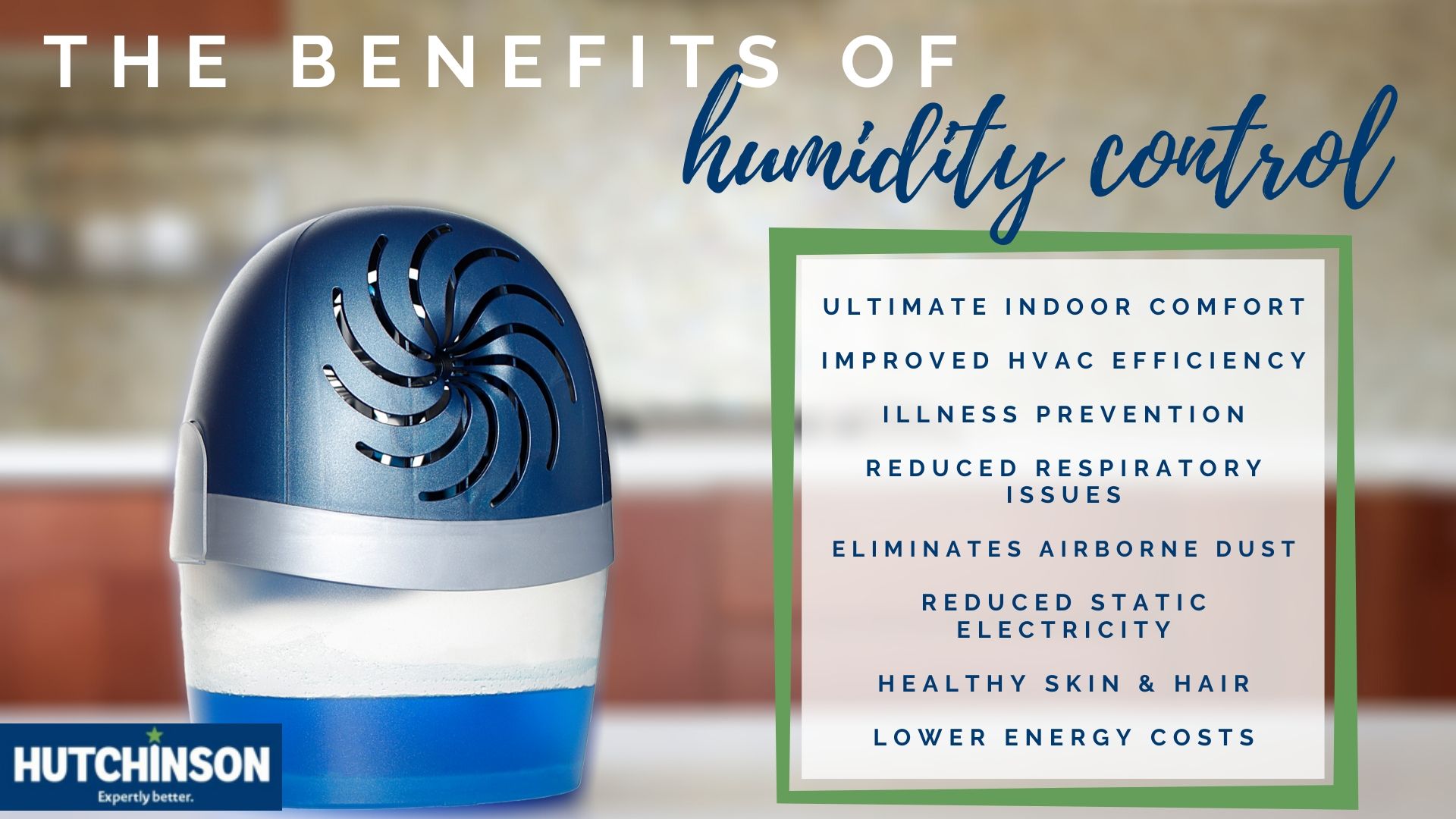
- Dry skin and itchy eyes
- Cracked lips
- Sore throat and respiratory problems
- Damage to wooden furniture and musical instruments
- Increased static electricity
HVAC Systems and Humidity Control
Your HVAC system plays a significant role in regulating humidity. While air conditioners primarily cool the air, they also remove moisture as a byproduct of the cooling process. Some systems offer more advanced humidity control features.
Air Conditioners
Standard air conditioners remove humidity as they cool. The cooling coil condenses moisture out of the air, which is then drained away. However, relying solely on an air conditioner for humidity control can be inefficient, especially during milder weather when cooling demands are low. The SEER (Seasonal Energy Efficiency Ratio) rating is important, but it doesn't directly reflect humidity control capabilities.
Pros: Cooling and dehumidifying in one unit, relatively common.
Cons: Inefficient dehumidification during cooler periods, primarily focused on cooling.
Whole-House Dehumidifiers
A whole-house dehumidifier is integrated directly into your HVAC system to remove excess moisture from the entire home. These systems are particularly effective in humid climates or homes with moisture problems. They connect to the ductwork and drain system, operating independently of the air conditioner.
Pros: Effective dehumidification throughout the house, energy-efficient operation, automatic humidity control.
Cons: Higher initial cost, requires professional installation, ongoing maintenance.
Dehumidifying Air Conditioners
Some advanced air conditioners have enhanced dehumidification features. These systems can operate at lower speeds to remove more moisture without significantly lowering the temperature. They may use features like variable-speed compressors and advanced coil designs to optimize dehumidification.
Pros: Combines cooling and dehumidification efficiently, can provide better comfort than standard air conditioners, may offer smart features.
Cons: Higher initial cost than standard air conditioners, may require professional calibration for optimal performance.
Heat Pumps
Heat pumps, like air conditioners, remove humidity during the cooling process. However, their primary function is to both heat and cool, and their dehumidification capabilities are generally similar to those of standard air conditioners. The HSPF (Heating Seasonal Performance Factor) rating measures heating efficiency, while SEER measures cooling efficiency.
Pros: Dual functionality (heating and cooling), dehumidifies during cooling mode.
Cons: Dehumidification limited to cooling mode, may not be as effective as dedicated dehumidifiers in humid climates.
Popular HVAC Brands and Models for Humidity Control
Several brands offer excellent options for humidity control. Here are a few notable examples:
- Carrier: Carrier offers a range of air conditioners with enhanced dehumidification features, including their Infinity series. These systems often include variable-speed compressors and advanced control systems for precise humidity management.
- Trane: Trane's TruComfort variable-speed systems are known for their ability to maintain consistent temperatures and humidity levels. They also offer whole-house dehumidifiers that integrate seamlessly with their HVAC systems.
- Lennox: Lennox offers several models with Precise Comfort technology, which allows for precise temperature and humidity control. Their iComfort S30 smart thermostat can also be used to monitor and adjust humidity levels remotely.
- Goodman: Offers affordable solutions, and while not as feature-rich as other brands, some models have dehumidifying settings and work well coupled with stand alone dehumidifiers.
When selecting an HVAC system, consider the AFUE (Annual Fuel Utilization Efficiency) rating for furnaces (gas or oil) and the SEER and HSPF ratings for air conditioners and heat pumps. Higher ratings generally indicate greater energy efficiency. Also, be sure to ask about warranty information.
Supplemental Humidity Control Solutions
In addition to HVAC systems, several other solutions can help control humidity in your home.
Portable Dehumidifiers
Portable dehumidifiers are a cost-effective option for controlling humidity in specific rooms or areas. They are available in various sizes and capacities, making them suitable for different needs. Look for models with automatic shut-off, adjustable humidity settings, and easy-to-empty water tanks.
Pros: Affordable, easy to install, portable.
Cons: Limited coverage area, requires manual emptying of water tank, can be noisy.
Ventilation
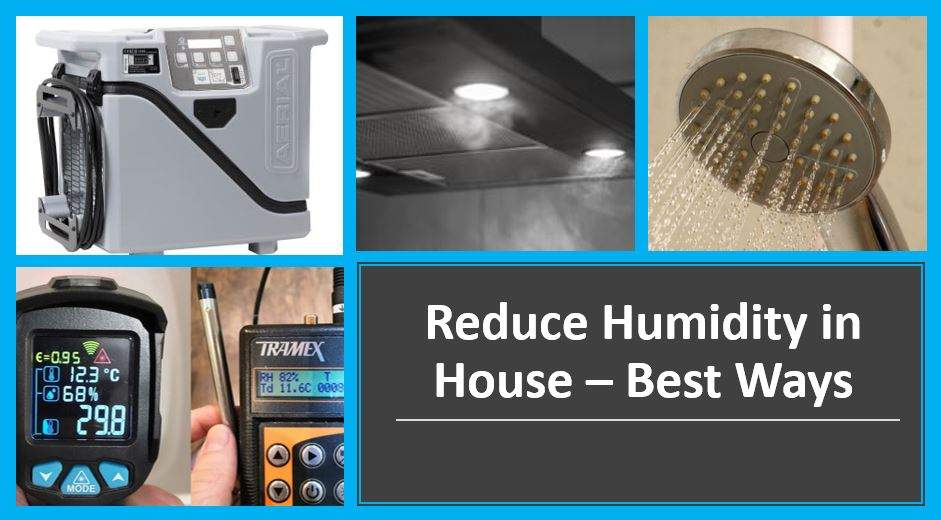
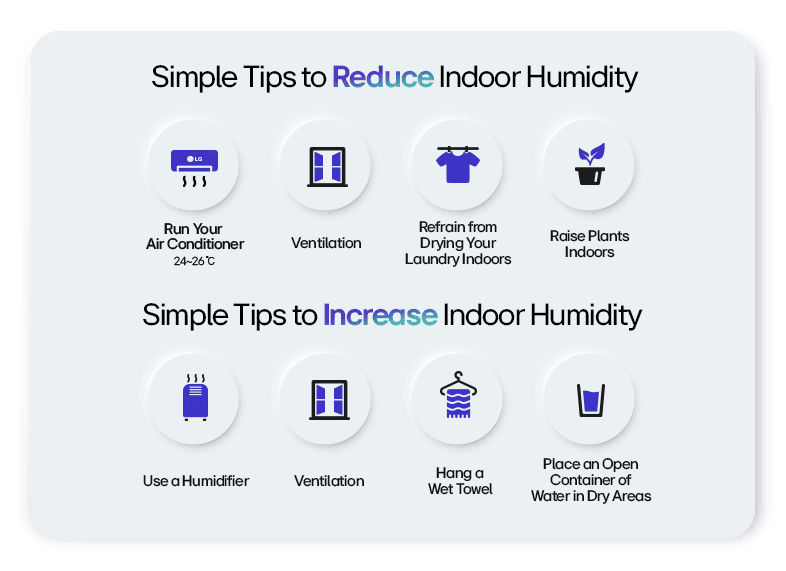
Proper ventilation is essential for removing excess moisture and stale air from your home. Consider installing exhaust fans in bathrooms and kitchens to vent moisture produced during showering, cooking, and washing dishes. A whole-house ventilation system can provide continuous air exchange and improve indoor air quality.
Pros: Improves air quality, removes moisture, can reduce energy bills.
Cons: Can be expensive to install, requires maintenance.
Air Purifiers with Dehumidifying Features
Some air purifiers are designed to also help remove moisture from the air. These typically won't be as powerful as a dehumidifier, but it provides two benefits in one machine.
Pros: Improve air quality, remove some moisture, can provide multiple benefits.
Cons: Less effective than dedicated dehumidifiers, more expensive than basic air purifiers.
Addressing Sources of Moisture
Identifying and addressing sources of moisture is crucial for long-term humidity control. Common sources of moisture include:
- Leaky plumbing
- Poorly ventilated crawl spaces
- Damp basements
- Inadequate insulation
- Improperly sealed windows and doors
Repairing leaks, improving ventilation, and properly sealing your home can significantly reduce humidity levels.
Pricing and Maintenance Considerations
The cost of humidity control solutions varies depending on the type of system and its features. Portable dehumidifiers typically range from $100 to $500, while whole-house dehumidifiers can cost $1,500 to $3,000 or more, including installation. High-efficiency air conditioners with enhanced dehumidification features may cost $3,000 to $8,000 or more, depending on the size and features.
Regular maintenance is essential for ensuring the efficient operation of your HVAC system and humidity control devices. This includes:
- Changing air filters regularly
- Cleaning cooling coils and condensate drains
- Inspecting ductwork for leaks
- Scheduling professional HVAC tune-ups
Following a regular maintenance schedule can help extend the life of your equipment and prevent costly repairs.
Making the Right Choice
Choosing the right humidity control solution depends on your specific needs and circumstances. Consider the size of your home, the climate you live in, and your budget when making your decision. Consulting with a qualified HVAC professional can help you assess your needs and recommend the best solution for your home.
By understanding the causes and effects of humidity, exploring the various control options, and implementing a regular maintenance plan, you can create a comfortable and healthy indoor environment for you and your family.
Remember to always consult with licensed and certified HVAC professionals for installation and maintenance of your HVAC systems. Improper installation or maintenance can lead to inefficiencies, equipment damage, and potential safety hazards.