How To Create Positive Pressure In A Room
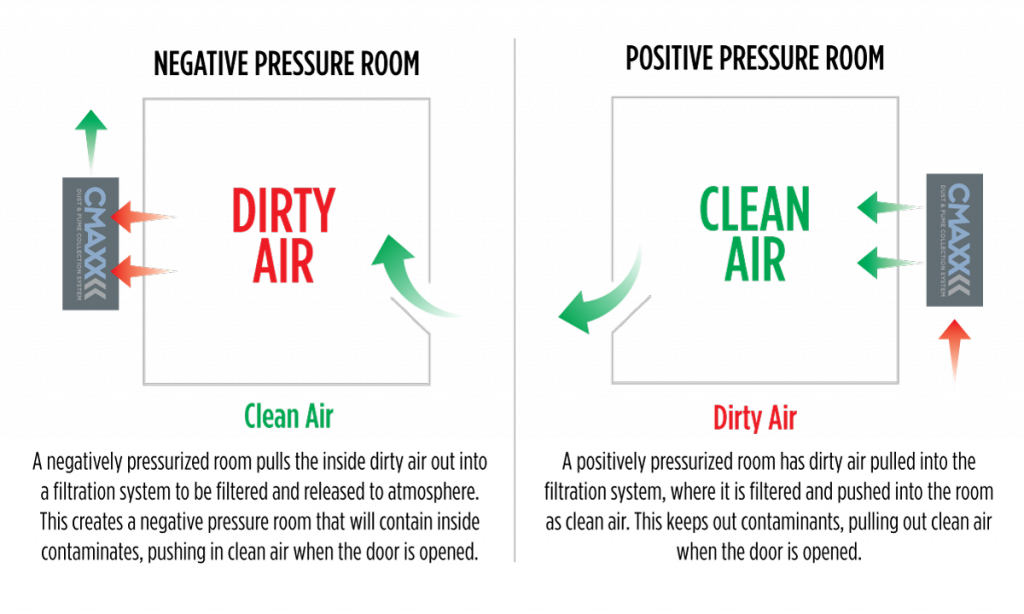
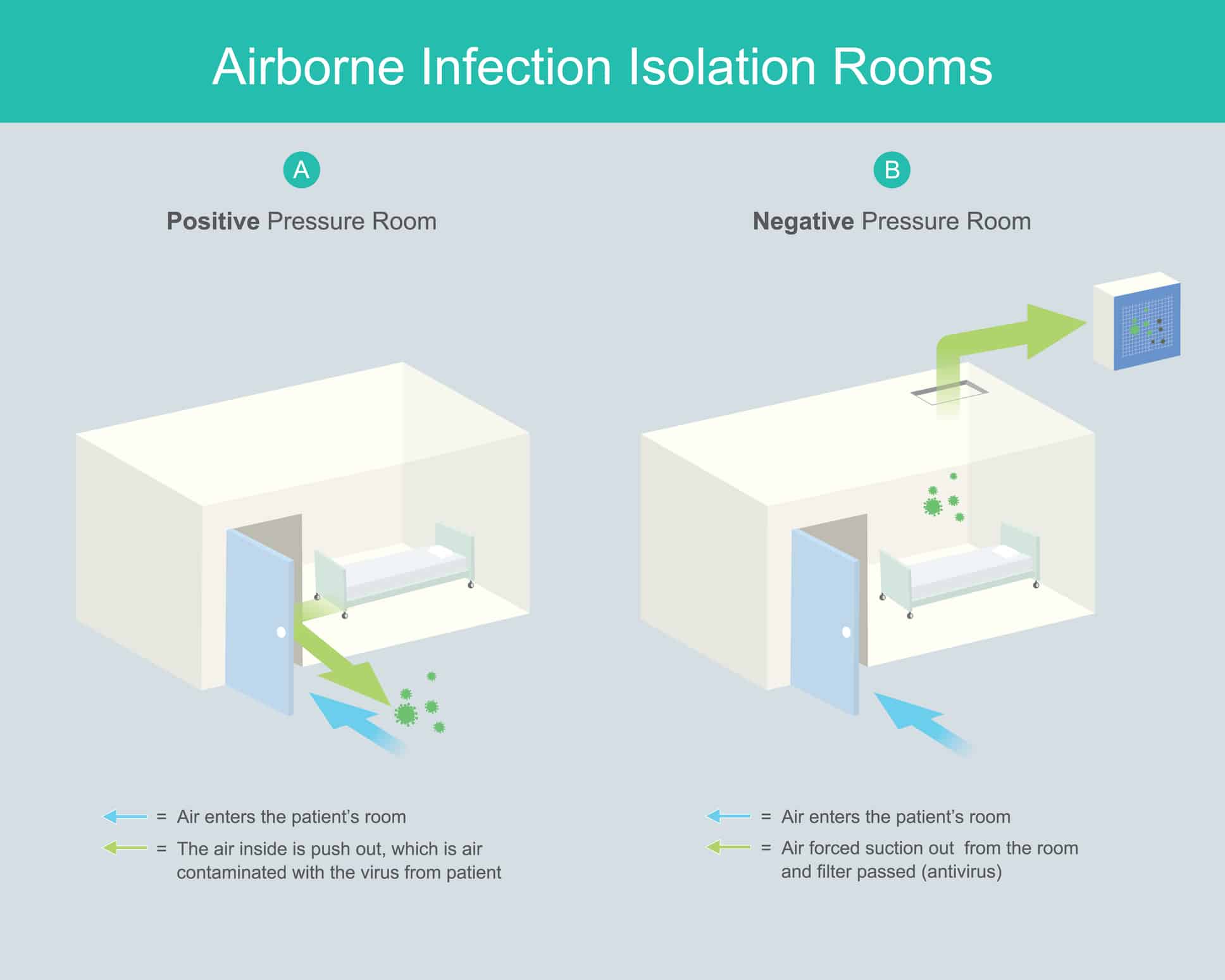
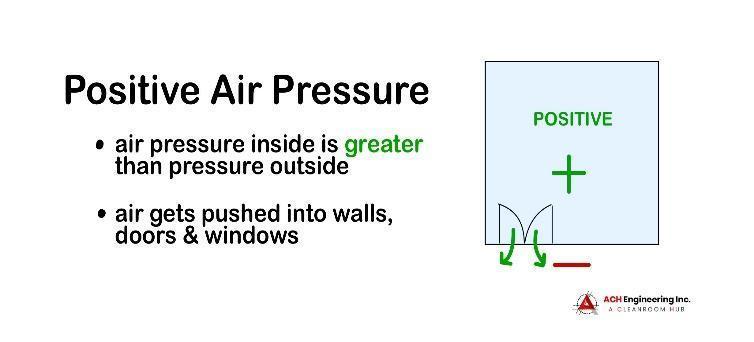
Creating positive pressure in a room means ensuring the air pressure inside is slightly higher than the air pressure outside. This seemingly simple concept has significant benefits in various applications, from cleanrooms and hospitals to homes and workshops. This guide will provide a comprehensive, yet easy-to-understand explanation of how to achieve positive pressure, covering the necessary principles, methods, and considerations.
Understanding Air Pressure Basics
Before diving into the "how-to," it's crucial to understand what air pressure is. Air pressure is the force exerted by the weight of air on a surface. We don't usually notice it because it's all around us, but it's constantly present. Air naturally flows from areas of high pressure to areas of low pressure. This is the fundamental principle behind creating positive pressure.
Why Create Positive Pressure?
Positive pressure offers several advantages:
* Preventing Contaminant Entry: The primary benefit is that it prevents unfiltered air, dust, pollutants, and other contaminants from entering the room. Because the air pressure is higher inside, air flows outward through any cracks or openings, effectively blocking unwanted particles. * Maintaining Cleanliness: In environments like cleanrooms, positive pressure is vital for maintaining a sterile environment, crucial for manufacturing sensitive products or conducting scientific research. * Odor Control: In areas prone to odors, such as laboratories or cannabis grow operations, positive pressure can help prevent odors from escaping and affecting surrounding areas. * Improved Air Quality: By ensuring that the air inside is constantly being forced outward, only the air that has been filtered and purified inside the room can leave, promoting a healthier indoor environment.Methods for Achieving Positive Pressure
There are several methods to establish positive pressure in a room, each with its own advantages and disadvantages. The best method for you will depend on the size of the room, the level of pressure required, and your budget.
1. Supply Air Exceeding Exhaust Air
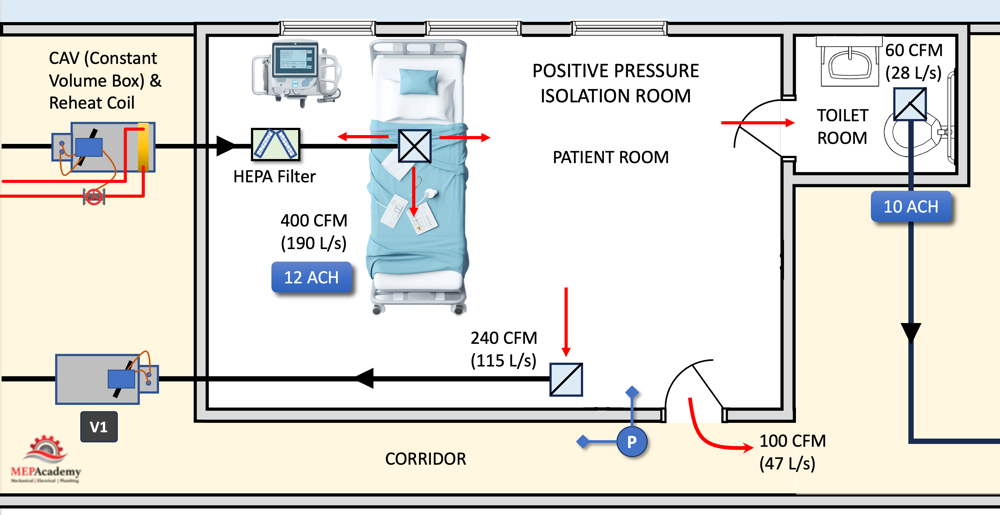
This is the most common and straightforward method. The principle is simple: you introduce more air into the room than you exhaust. Think of it like inflating a balloon. If you blow more air into the balloon than is escaping, the pressure inside the balloon increases. The same applies to a room.
How to implement:
* Forced Air System: The most effective way is to use a forced-air heating, ventilation, and air conditioning (HVAC) system. You need to ensure that the supply airflow rate (measured in cubic feet per minute or CFM) is higher than the exhaust airflow rate. A professional HVAC technician can measure and adjust the airflow rates to achieve the desired positive pressure. * Air Purifier with Positive Pressure Function: Some air purifiers are designed to create positive pressure by actively forcing filtered air into the room. These are suitable for smaller rooms or as a supplementary measure. Look for models specifically advertising this feature. * Supply Fan: A simple supply fan can also be used to push air into the room, especially for smaller spaces. The fan should draw air from a clean source and be sized appropriately for the room's volume.Considerations:
* Air Filtration: It is crucial to filter the incoming air to remove dust, pollen, and other contaminants. Use a high-efficiency particulate air (HEPA) filter or a MERV-rated filter suitable for your specific needs. * Air Sealing: The room must be reasonably well-sealed. Gaps around windows and doors will allow air to escape, making it harder to maintain positive pressure. Seal these gaps with weather stripping or caulk. * Pressure Monitoring: Ideally, you should monitor the pressure difference between the inside and outside of the room using a manometer or a differential pressure sensor. This will ensure that you are maintaining the desired level of positive pressure.2. Reducing Exhaust Airflow
Another approach, sometimes used in conjunction with increasing supply air, is to reduce the amount of air being exhausted from the room. This can be achieved by modifying or restricting existing exhaust systems.
How to implement:
* Adjust Exhaust Fan Speed: If the room has an exhaust fan, reducing its speed will decrease the exhaust airflow. This can be done by installing a speed controller or by selecting a fan with multiple speed settings. * Restrict Exhaust Vents: Partially blocking or closing exhaust vents will also reduce airflow. However, this should be done carefully to avoid damaging the exhaust system or creating other ventilation problems. Never completely block an exhaust vent. * Ensure Proper Exhaust Placement: Exhaust vents should be placed strategically to avoid drawing air directly from the supply source. This will ensure that the supply air is evenly distributed throughout the room.Considerations:
* Potential for Stagnation: Reducing exhaust airflow can lead to air stagnation and poor air quality if not done carefully. It's essential to ensure adequate air circulation within the room. * Impact on Existing Systems: Modifying exhaust systems can impact the performance of other systems, such as fume hoods or kitchen ventilation. Consult with a professional before making any major changes.3. Using a Dedicated Positive Pressure System
For critical applications, such as cleanrooms and hospitals, dedicated positive pressure systems are often used. These systems are specifically designed to maintain precise pressure control and air quality.
How to implement:
* Professional Design and Installation: These systems require professional design and installation to ensure they meet the specific requirements of the application. They typically involve a dedicated air handling unit, sophisticated control systems, and pressure sensors. * Redundancy and Monitoring: Critical systems often include redundancy features, such as backup fans and power supplies, to ensure continuous operation. They also incorporate comprehensive monitoring and alarm systems to alert operators to any deviations from the desired pressure or air quality levels.Considerations:
* High Cost: Dedicated positive pressure systems are the most expensive option, but they offer the highest level of performance and reliability. * Complexity: These systems are complex and require specialized knowledge to operate and maintain.Important Factors to Consider
Achieving and maintaining positive pressure requires careful planning and attention to detail. Here are some important factors to consider:
* Room Sealing: Air leaks are your enemy. The better sealed the room is, the easier it will be to maintain positive pressure. Pay close attention to windows, doors, walls, ceilings, and any penetrations for pipes or wires. Use caulk, weather stripping, and other sealing materials to eliminate air leaks. * Air Filtration: As mentioned earlier, proper air filtration is crucial. Choose filters with a MERV (Minimum Efficiency Reporting Value) rating appropriate for the level of cleanliness required. Higher MERV ratings capture smaller particles. HEPA filters are recommended for critical applications. Regularly replace or clean filters to maintain their effectiveness. * Airflow Patterns: Consider the airflow patterns within the room. Ensure that the supply air is distributed evenly and that there are no dead spots where air stagnates. You may need to adjust the placement of supply vents to achieve optimal airflow. * Door Operation: The act of opening and closing doors can significantly affect the pressure within the room. Consider using airlocks or automatic door closers to minimize pressure fluctuations. * Exhaust Systems: Understand the impact of any existing exhaust systems, such as bathroom fans or kitchen range hoods. These systems can significantly reduce the pressure within the room and may need to be adjusted or supplemented. * Pressure Monitoring: Regularly monitor the pressure difference between the inside and outside of the room to ensure that you are maintaining the desired level of positive pressure. Use a manometer or a differential pressure sensor for accurate measurements. * Maintenance: Regularly inspect and maintain the positive pressure system to ensure it is operating correctly. This includes cleaning or replacing filters, inspecting seals, and checking airflow rates.Troubleshooting Common Problems
Even with careful planning and execution, you may encounter problems maintaining positive pressure. Here are some common issues and their potential solutions:
* Insufficient Positive Pressure: If the pressure difference is too low, check for air leaks, increase the supply airflow rate, or reduce the exhaust airflow rate. * Pressure Fluctuations: Pressure fluctuations can be caused by door openings, changes in weather conditions, or fluctuations in the performance of the HVAC system. Consider using airlocks or automatic door closers to minimize door-related fluctuations. Implement a more robust HVAC system with pressure control for the weather-related challenges. * High Energy Consumption: Maintaining positive pressure can increase energy consumption. Optimize the system by using efficient fans and filters, and by minimizing air leaks. * Noise: High airflow rates can generate noise. Use sound attenuators or variable-speed fans to reduce noise levels.Professional Consultation
While this guide provides a comprehensive overview of creating positive pressure in a room, it's important to remember that each situation is unique. For complex applications or if you are unsure about any aspect of the process, it's always best to consult with a qualified HVAC professional or air quality specialist. They can assess your specific needs, recommend the most appropriate solution, and ensure that the system is installed and operated safely and effectively.
Creating positive pressure is a valuable technique for improving air quality, controlling odors, and preventing contamination. By understanding the principles involved and following the guidelines outlined in this guide, you can create a healthier and more controlled environment for your home, workplace, or laboratory.