How To Defrost A Frozen Drain Pipe
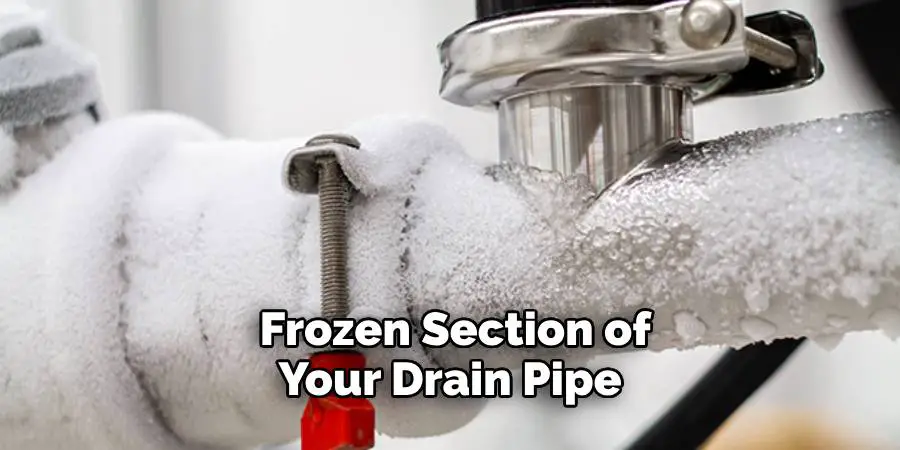
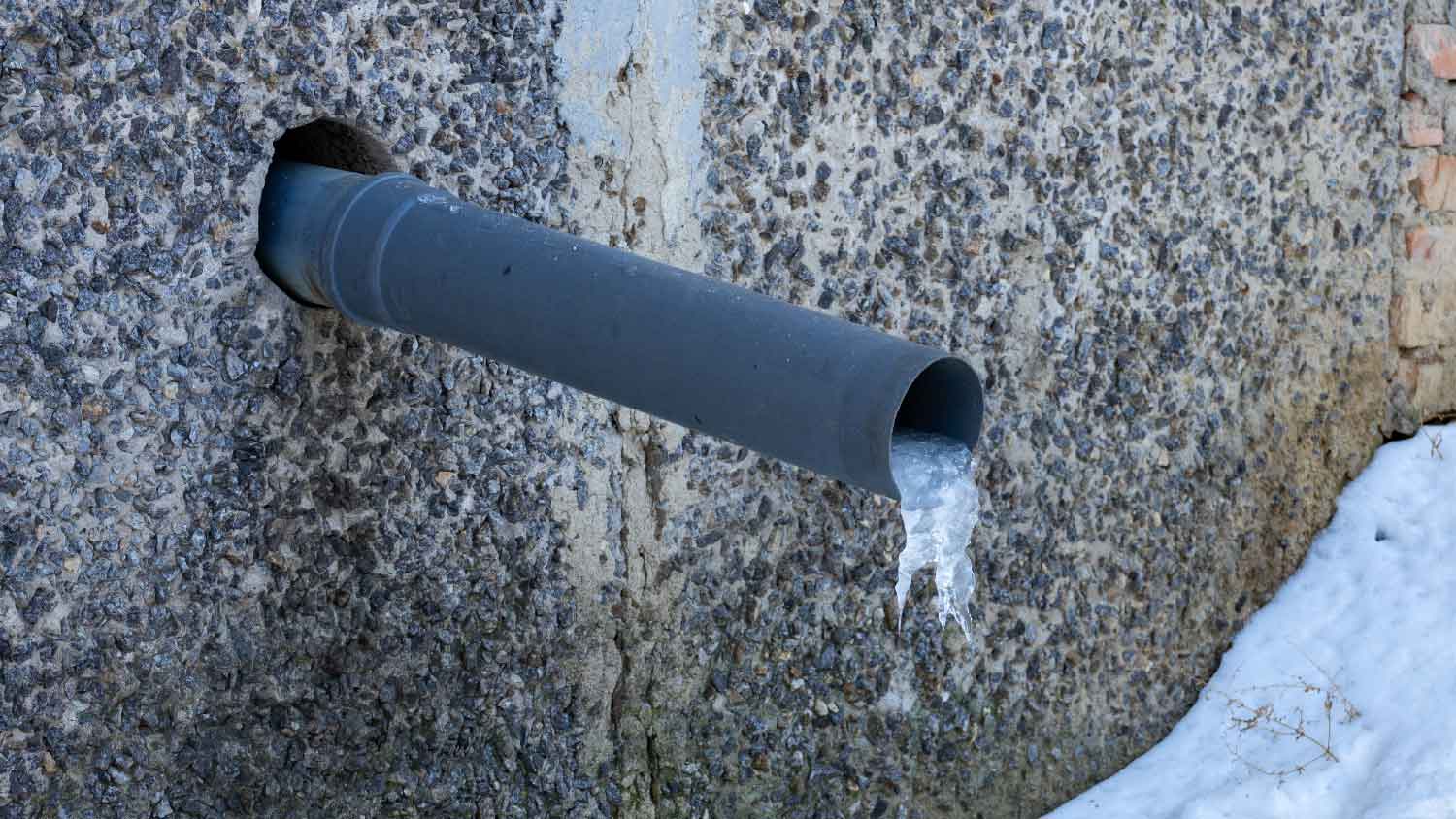
One of the most frustrating household woes, especially during the colder months, is discovering a frozen drain pipe. Whether it's a kitchen sink stubbornly refusing to drain or a toilet that won't flush, a frozen pipe can disrupt your daily routine and potentially lead to burst pipes and costly water damage. Fortunately, in many cases, you can safely tackle this problem yourself. This guide provides a step-by-step approach to thawing frozen drain pipes.
Understanding the Problem: Why Drain Pipes Freeze
Before diving into solutions, it's helpful to understand why drain pipes freeze in the first place. The most common reason is exposure to freezing temperatures. Pipes located in unheated or poorly insulated areas like:
- Exterior walls
- Crawl spaces
- Attics
- Under sinks where cold air can circulate
are particularly vulnerable. When the temperature drops below freezing (32°F or 0°C), the water inside the pipe can freeze and expand, eventually blocking the flow of water. In severe cases, the expanding ice can even cause the pipe to burst.
Safety First! Important Precautions
Working with plumbing and especially with heating elements requires caution. Always prioritize your safety:
- Never use an open flame, such as a propane torch, to thaw pipes. This is a fire hazard and can damage the pipe itself.
- Do not pour boiling water directly into a drain. The rapid temperature change can crack porcelain sinks and toilets or melt PVC pipes.
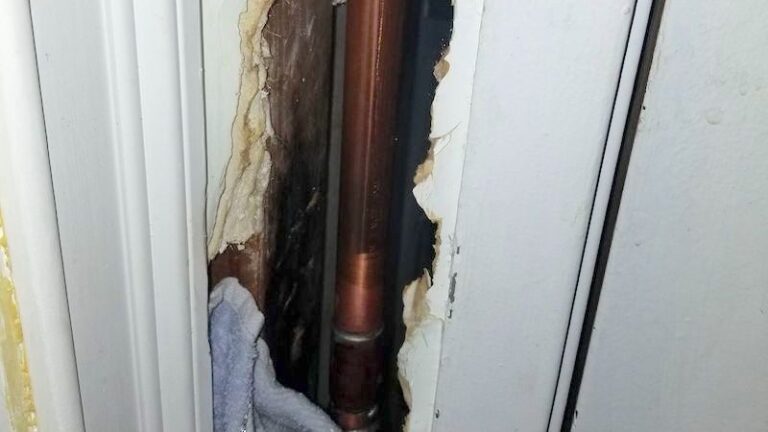
- If you suspect the frozen pipe is already cracked or burst, immediately shut off the water supply to that pipe to prevent further damage. The main shut-off valve is usually located near your water meter. Call a plumber immediately.
- If you are using an electrical device, ensure your hands and the surrounding area are dry to avoid electric shock. Never stand in water while using electrical appliances.
- If you are unsure about any step or the situation seems too complex, call a licensed plumber. It's always better to be safe than sorry.
Troubleshooting and Thawing a Frozen Drain Pipe: A Step-by-Step Guide
This guide assumes the frozen pipe is not burst or severely damaged. If you suspect a burst pipe, skip to the "When to Call a Professional" section.
Step 1: Identify the Frozen Section of Pipe
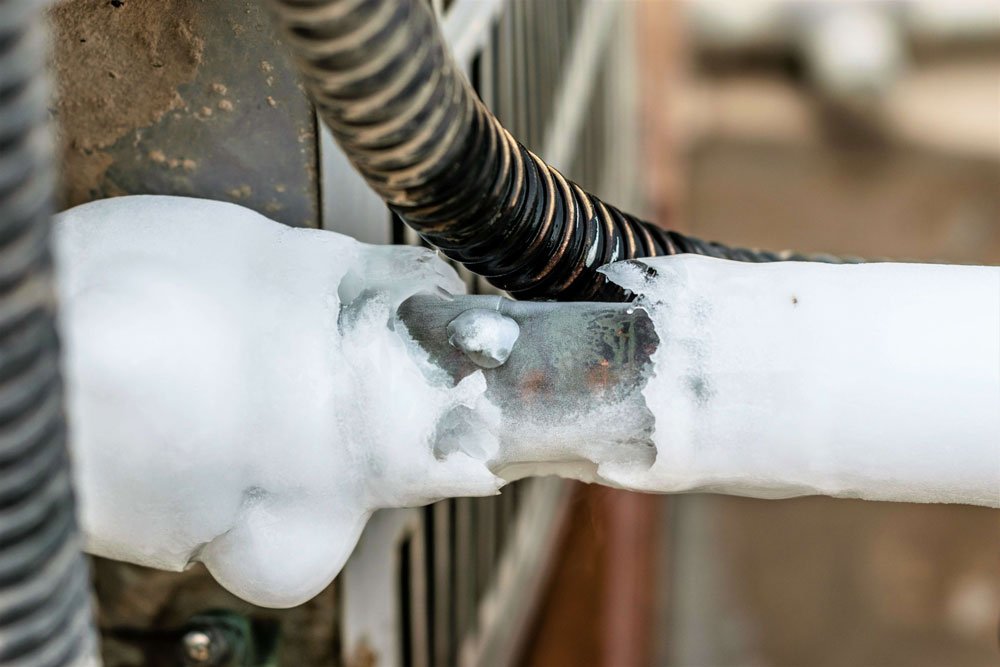
The first step is to pinpoint the location of the ice blockage. Look for:
- Pipes that are unusually cold to the touch.
- Areas of the pipe where condensation or frost has formed.
- Check pipe sections that are exposed to the coldest temperatures first.
- Consider the drain layout. Is there a long, exposed section of pipe before it enters a warmer area?
Knowing the location will help you focus your thawing efforts.
Step 2: Prepare the Area
Before you start thawing, take these precautionary measures:
- Remove any items stored under the sink or around the affected pipe to provide clear access.
- Place towels or buckets underneath the pipe to catch any water that may leak as the ice melts. This will help prevent water damage to your floors and cabinets.
- Open the faucet connected to the frozen drain slightly. This will relieve pressure in the pipe and allow melting water to escape, preventing a potential buildup of pressure that could cause a burst.
Step 3: Safe Thawing Methods
Here are several safe and effective methods for thawing a frozen drain pipe:
A. Hair Dryer
A hair dryer is a gentle and effective way to thaw frozen pipes.
- Set the hair dryer to a low or medium heat setting.
- Direct the warm air onto the frozen section of the pipe. Start at the end of the pipe closest to the faucet or drain opening and work your way outwards.
- Keep the hair dryer moving back and forth along the pipe to avoid overheating any one spot.
- Periodically check the faucet to see if water starts to flow.
- This method can take time, sometimes 30 minutes or more, depending on the severity of the freeze. Be patient and persistent.
- Never use a hair dryer near standing water.
B. Warm Towels
This is a simple and safe method, especially for easily accessible pipes.
- Soak towels in warm water (not boiling).
- Wring out the excess water.
- Wrap the warm towels around the frozen section of the pipe.
- Replace the towels with freshly warmed ones every 15-20 minutes.
- This method is gentler but may take longer than using a hair dryer.
C. Heat Tape
Heat tape is an electrical cable designed to generate heat and prevent pipes from freezing. Important: Use only heat tape specifically designed for pipes and follow the manufacturer's instructions carefully. Some heat tape is self-regulating and automatically adjusts its heat output based on the surrounding temperature.
- Wrap the heat tape around the frozen section of the pipe, following the manufacturer's instructions. Usually, this involves spiraling the tape along the length of the pipe.
- Plug the heat tape into a grounded electrical outlet.
- Monitor the pipe and faucet for signs of thawing.
- Once the pipe is thawed, unplug the heat tape.
- For preventative measures, you can leave the heat tape in place during extremely cold weather. Always follow the manufacturer’s safety guidelines.
D. Space Heater
If the frozen pipe is in an accessible and enclosed space, like under a sink cabinet, a space heater can be used to warm the general area and thaw the pipe.
- Place the space heater a safe distance from the pipe and any flammable materials.
- Ensure the space is well-ventilated.
- Turn on the space heater and direct the warm air towards the frozen pipe.
- Monitor the pipe and faucet for signs of thawing.
- Never leave a space heater unattended.
Step 4: Monitoring and Prevention
Once you've thawed the pipe and water is flowing freely, it's crucial to monitor the pipe for any leaks or damage. Also, take steps to prevent future freezing:
- Check for Leaks: Inspect the thawed pipe and surrounding connections for any signs of leaks. Tighten any loose connections, but be careful not to overtighten and damage the pipes. If you find a leak that you can't easily fix, call a plumber.
- Insulate Pipes: Wrap exposed pipes with pipe insulation sleeves or heat tape, especially in unheated areas. This will help to maintain the temperature of the water inside the pipe and prevent it from freezing.
- Seal Air Leaks: Seal any cracks or openings in walls and around pipes to prevent cold air from reaching the pipes. Use caulk or spray foam insulation to seal these gaps.
- Let Faucets Drip: During extremely cold weather, let the cold water faucet drip slowly. The movement of water through the pipes can help prevent them from freezing. This is especially important for pipes that are prone to freezing.
- Keep Cabinet Doors Open: Open cabinet doors under sinks, especially in kitchens and bathrooms, to allow warm air to circulate around the pipes.
- Maintain Heat: Keep the thermostat set to a reasonable temperature, even when you are away. A temperature of 55°F (13°C) or higher is generally sufficient to prevent pipes from freezing.
When to Call a Professional
While many frozen pipe situations can be resolved with DIY methods, there are times when it's best to call a licensed plumber. Here are some situations where professional help is recommended:
- Suspected Burst Pipe: If you suspect the frozen pipe has already burst or cracked, immediately shut off the water supply and call a plumber. Trying to thaw a burst pipe yourself can lead to significant water damage.
- Inaccessible Pipes: If the frozen pipe is located behind walls or in other inaccessible areas, it may be difficult and dangerous to thaw it yourself. A plumber has the tools and expertise to access and thaw these pipes safely.
- Complex Plumbing Systems: If you have a complex plumbing system or are unsure about the location of the frozen pipe, it's best to call a plumber. They can diagnose the problem and recommend the best course of action.
- Electrical Concerns: If you are uncomfortable working with electrical appliances or suspect that the frozen pipe is near electrical wiring, do not attempt to thaw it yourself. Call a qualified electrician or plumber to handle the situation.
- Gas Lines: Never attempt to thaw a frozen gas line yourself. This is extremely dangerous and can lead to a gas leak or explosion. Call your gas company immediately.
- Persistent Freezing: If you have recurring problems with frozen pipes, a plumber can help identify the underlying cause and recommend permanent solutions, such as better insulation or relocating the pipes.
A plumber can also offer:
- Pipe Repair or Replacement: If the pipe has been damaged by the freezing, a plumber can repair or replace the damaged section.
- Pipe Insulation: Plumbers can properly insulate your pipes to prevent future freezing.
- Thawing Equipment: They have specialized equipment for thawing frozen pipes quickly and safely, such as pipe thawing machines.
Conclusion
Dealing with a frozen drain pipe can be a stressful experience, but by following these steps and prioritizing safety, you can often resolve the issue yourself. Remember to identify the frozen section, use safe thawing methods, and take steps to prevent future freezing. However, don't hesitate to call a professional plumber when the situation is beyond your comfort level or involves potential hazards. With a little knowledge and caution, you can keep your pipes flowing freely all winter long.
:max_bytes(150000):strip_icc()/how-to-thaw-a-frozen-water-pipe-2124986_FINAL-edit-01-6ff53ed13c7e41559df7070680efe4a6.jpg)