How To Determine Btu For Furnace

Sizing Up Savings: How to Determine the Right BTU for Your Furnace
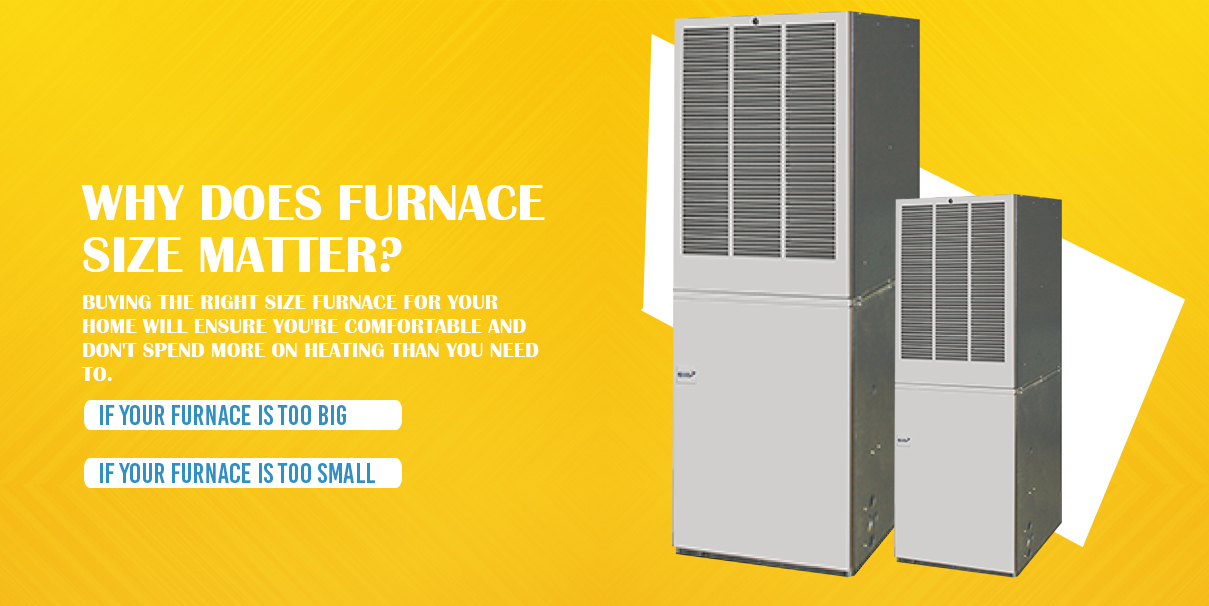
Choosing the right furnace is a crucial step in optimizing your home's energy efficiency and minimizing heating costs. A furnace that's too small will struggle to keep your home warm, leading to discomfort and higher energy bills as it runs constantly. Conversely, an oversized furnace will cycle on and off too frequently, wasting energy and potentially shortening its lifespan. The key to finding the perfect fit lies in understanding BTU – British Thermal Units – and how to calculate the appropriate BTU output for your specific needs.
What is BTU and Why Does It Matter?
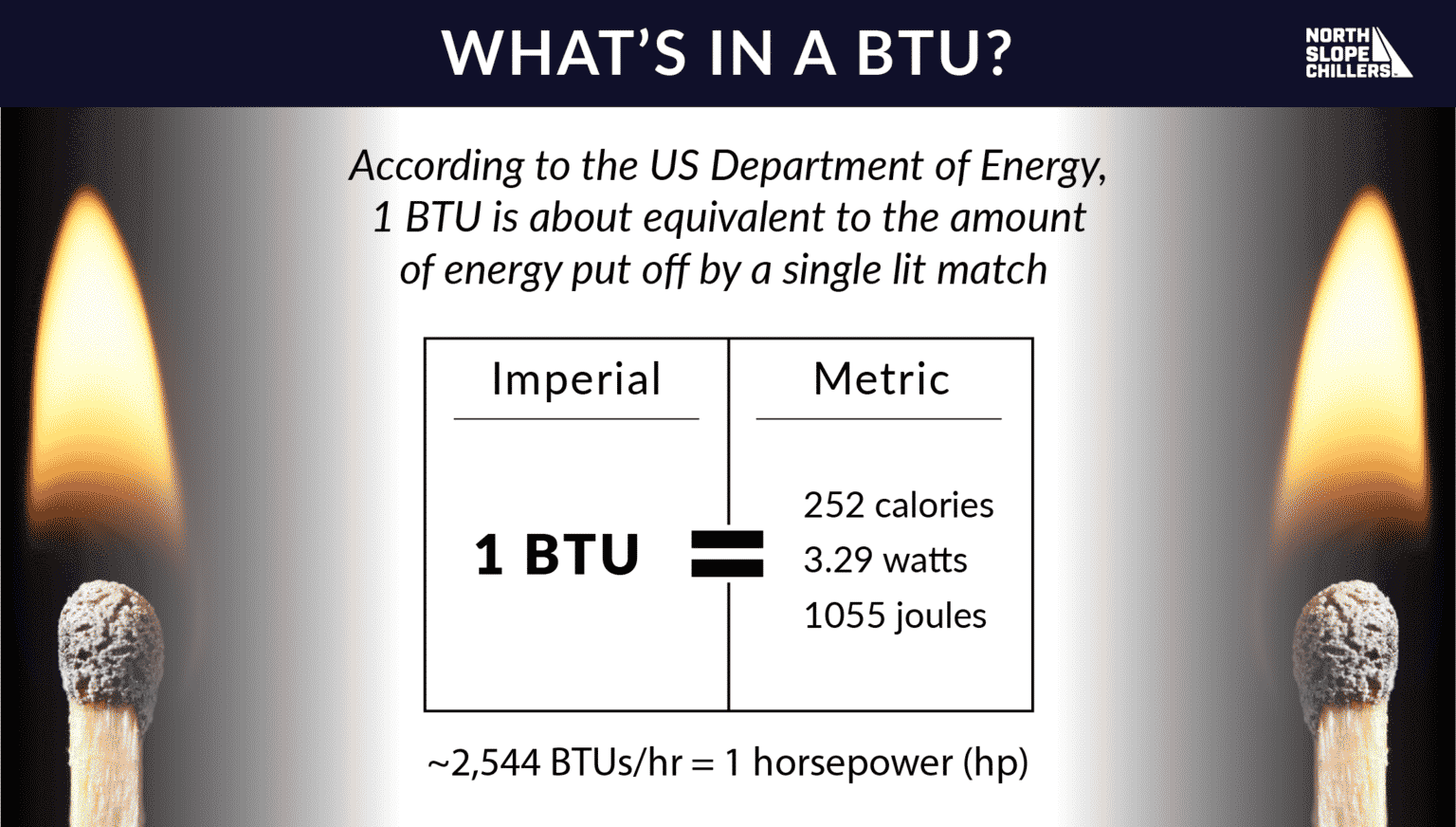
BTU is the standard unit for measuring heat. Specifically, one BTU is the amount of energy required to raise the temperature of one pound of water by one degree Fahrenheit. In the context of furnaces, the BTU rating indicates the amount of heat the furnace can produce in one hour. A higher BTU rating means more heating power. However, more power doesn't automatically equate to better efficiency or lower costs. An improperly sized furnace, regardless of its BTU rating, will inevitably lead to wasted energy and increased expenses.
The Manual J Calculation: The Gold Standard for Furnace Sizing
The most accurate method for determining the appropriate furnace BTU is to perform a Manual J load calculation. This comprehensive calculation takes into account numerous factors that affect your home's heating needs, including:
- Climate Zone: Heating requirements vary significantly depending on your geographic location and its average winter temperatures.
- Square Footage: The total area you need to heat is a primary factor in determining the required BTU output.
- Insulation Levels: The R-value of your walls, ceilings, and floors directly impacts heat loss and gain.
- Window Efficiency: The type and number of windows in your home, along with their U-factor and SHGC (Solar Heat Gain Coefficient), play a significant role in heat loss.
- Air Leakage: Drafts and air leaks through cracks and openings can significantly increase heating demands.
- Building Materials: The materials used to construct your home affect its ability to retain heat.
- Orientation: The direction your home faces can affect how much solar heat it absorbs.
- Occupancy: The number of people living in your home can influence heating needs.
While you can find simplified online calculators, they often provide inaccurate estimates because they don't consider all of these factors. A professional HVAC contractor will use specialized software to perform a detailed Manual J calculation, ensuring a precise and reliable BTU recommendation. This is the best way to avoid oversizing or undersizing your furnace.
A Simplified BTU Calculation (Use with Caution!)
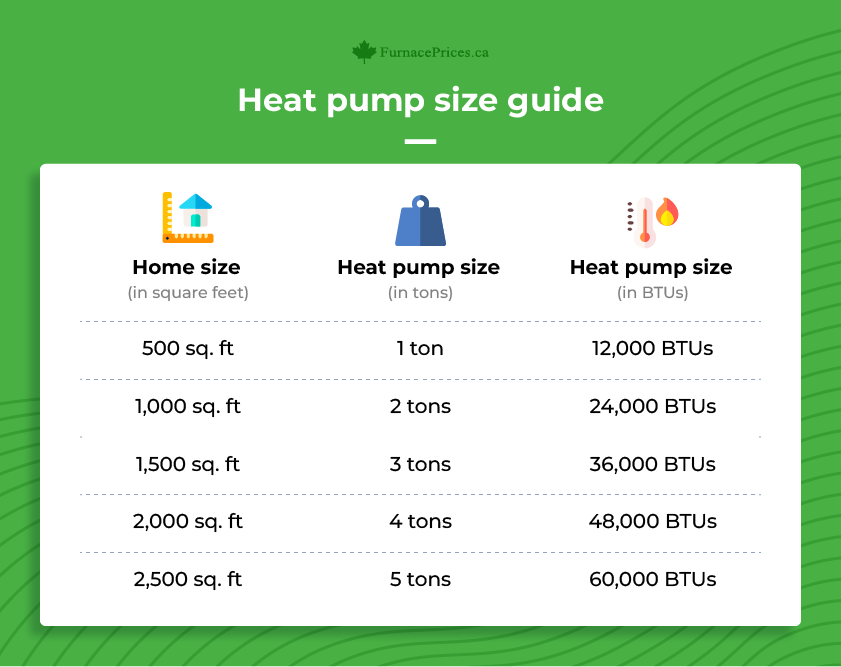
If you're looking for a quick, albeit less precise, estimate, you can use a simplified calculation as a starting point. This method involves multiplying your home's square footage by a BTU factor that varies based on your climate zone. Consult a climate zone map to determine your region. Then, use the following guidelines:
- Warm Climate: 20-30 BTU per square foot
- Moderate Climate: 30-40 BTU per square foot
- Cold Climate: 40-50 BTU per square foot
- Very Cold Climate: 50-60 BTU per square foot
Example: For a 1,500 square foot home in a moderate climate, the estimated BTU requirement would be 1,500 sq ft x 35 BTU/sq ft (average) = 52,500 BTU.
Important Note: This simplified calculation is merely a rough estimate and should not be used as the sole basis for selecting a furnace. Always consult with a qualified HVAC professional for a proper Manual J calculation.
Understanding Furnace Efficiency: AFUE Ratings
Once you've determined the appropriate BTU output, the next critical factor is furnace efficiency, measured by the Annual Fuel Utilization Efficiency (AFUE) rating. The AFUE rating indicates the percentage of fuel the furnace converts into usable heat. For example, an AFUE of 95% means that 95% of the fuel is converted into heat, while the remaining 5% is lost through the exhaust flue.
Energy Star certified furnaces have a minimum AFUE rating of 95% for those in the Northern United States and 90% for the Southern United States, ensuring significant energy savings compared to older, less efficient models. Investing in a high-efficiency furnace with a higher AFUE rating can significantly reduce your heating bills over its lifespan. Look for rebates from your utility company and federal tax credits to offset the upfront cost.
Older furnaces can have AFUE ratings as low as 60%, meaning 40% of the fuel is wasted. Upgrading to a modern, high-efficiency furnace can result in energy savings of 30% or more.
The Impact of Oversized Furnaces
Installing an oversized furnace is a common mistake that can lead to a variety of problems:
- Short Cycling: An oversized furnace heats the home too quickly and then shuts off, only to turn back on again shortly after. This frequent on-off cycling, known as short cycling, puts unnecessary strain on the furnace components, reducing its lifespan and increasing maintenance costs.
- Uneven Heating: Short cycling can lead to temperature fluctuations throughout the home, with some rooms becoming overheated while others remain cold.
- Reduced Efficiency: Furnaces operate most efficiently when running for longer periods. Short cycling prevents the furnace from reaching its optimal operating temperature, reducing its overall efficiency and wasting energy.
- Increased Energy Bills: The frequent starts and stops of an oversized furnace consume more energy than a properly sized unit running for longer, more consistent periods.
The Benefits of Under-Sized Furnaces
While generally not as problematic as oversizing, an undersized furnace also presents challenges:
- Insufficient Heating: The furnace struggles to maintain the desired temperature, especially during extremely cold weather.
- Longer Run Times: The furnace runs constantly, potentially increasing wear and tear on components.
- Higher Energy Bills: While not always the case, continuous operation can still lead to increased energy consumption compared to a properly sized unit.
Smart Home Integration and Energy Savings
Integrating your new, properly sized furnace with smart home technology can further enhance energy efficiency and reduce heating costs. Smart thermostats learn your heating preferences and automatically adjust the temperature based on your schedule, occupancy, and even weather forecasts. This eliminates the need for manual adjustments and ensures that you're only heating your home when necessary.
Smart sensors can monitor temperature and humidity in different rooms, allowing you to create customized heating zones. This ensures that each area of your home is heated to the desired temperature, eliminating hot and cold spots and maximizing comfort.
Many smart thermostats and sensors also provide detailed energy usage reports, allowing you to track your savings and identify areas where you can further optimize your heating habits. You can often control these systems remotely via your smartphone or tablet, giving you complete control over your home's heating system, even when you're away.
Furnace Rebates, Tax Credits, and Incentives
Before purchasing a new furnace, research available rebates, tax credits, and incentives offered by your utility company, state government, and the federal government. Energy Star maintains a comprehensive database of rebates and incentives available in your area. These programs can significantly reduce the upfront cost of a new, energy-efficient furnace, making it an even more attractive investment.
For example, the Inflation Reduction Act offers tax credits for homeowners who install energy-efficient heating systems. These credits can help offset the cost of a new furnace and make it more affordable to upgrade to a high-efficiency model.
Finding the Right HVAC Contractor
Choosing a qualified and experienced HVAC contractor is essential for a successful furnace installation. Look for contractors who are licensed, insured, and have a proven track record of providing quality service. Ask for references and read online reviews to get a sense of their reputation.
A reputable contractor will perform a thorough Manual J load calculation to determine the appropriate furnace BTU size. They will also discuss your specific heating needs and recommend the best furnace model for your home and budget. They should also be knowledgeable about available rebates and incentives and help you navigate the application process.
In Conclusion
Determining the right BTU for your furnace is a critical step in optimizing energy efficiency and minimizing heating costs. By understanding BTU, AFUE ratings, and the importance of proper sizing, you can make an informed decision and choose a furnace that meets your specific heating needs. Consulting with a qualified HVAC contractor and leveraging smart home technology can further enhance energy savings and ensure a comfortable and efficient home heating system. Remember to take advantage of available rebates and incentives to make your investment even more cost-effective. By taking these steps, you can enjoy a warmer home and lower energy bills for years to come.