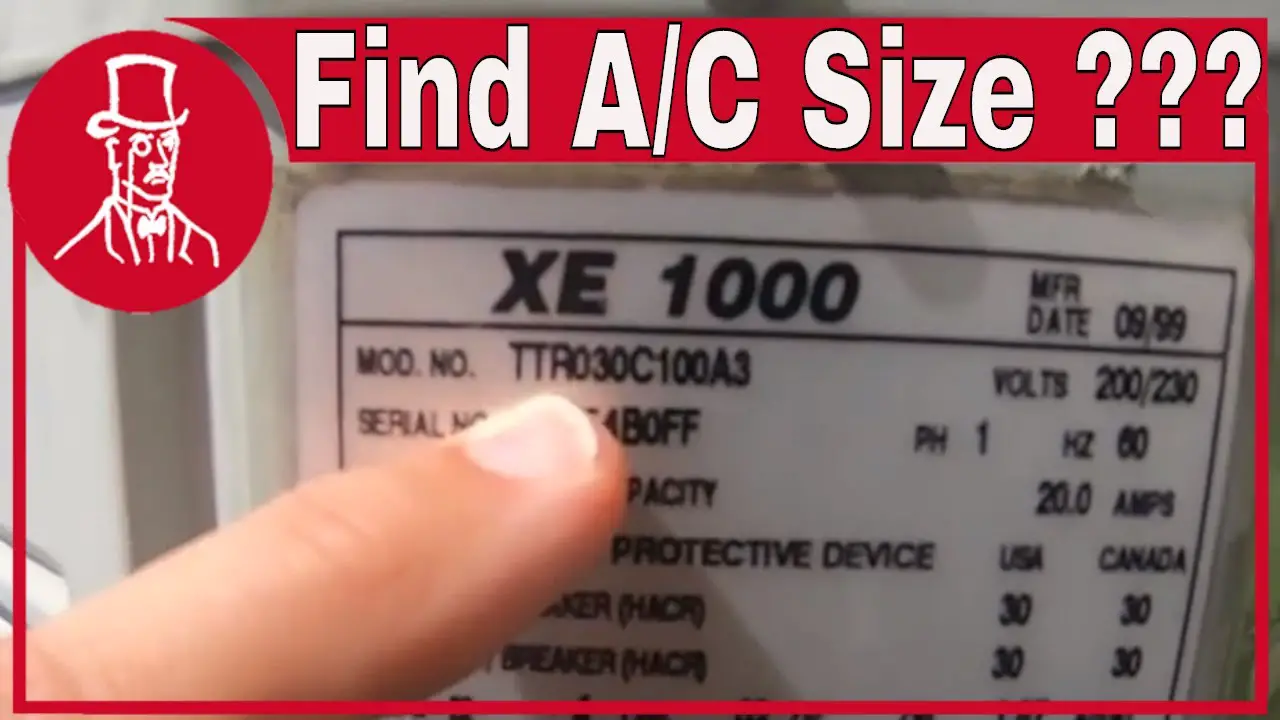
How To Determine Tonnage Of Hvac Unit

Determining the correct size, or tonnage, of your HVAC (Heating, Ventilation, and Air Conditioning) unit is crucial for ensuring optimal comfort and energy efficiency in your home. An undersized unit will struggle to cool or heat your space adequately, leading to discomfort and higher energy bills. Conversely, an oversized unit will cycle on and off too frequently, resulting in uneven temperatures, increased wear and tear, and also higher energy bills. This guide will walk you through the process of how to determine the right tonnage for your HVAC unit.
Understanding HVAC Tonnage
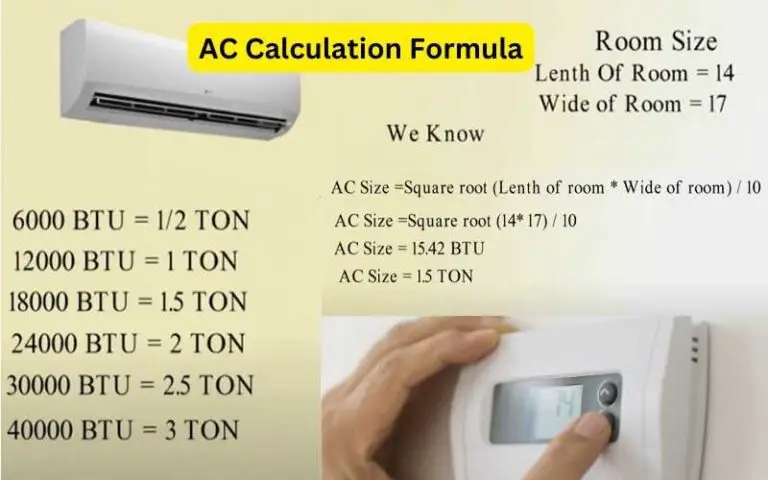
The term "tonnage" in HVAC refers to the cooling capacity of an air conditioning unit. It's a bit of an archaic term, originating from the amount of heat needed to melt one ton (2000 pounds) of ice in 24 hours. One ton of cooling is equivalent to 12,000 British Thermal Units per hour (BTU/hr). BTUs measure the amount of heat energy. So, a 2-ton AC unit can remove 24,000 BTUs of heat per hour.
Why is proper sizing so important?
- Comfort: A properly sized unit maintains consistent temperatures throughout your home.
- Efficiency: Correct sizing ensures the unit operates efficiently, minimizing energy consumption and saving you money.
- Lifespan: Proper sizing reduces stress on the unit, extending its lifespan. Short cycling from oversized units can damage components over time.
- Dehumidification: AC units remove humidity as they cool. An oversized unit cools the air quickly but doesn't run long enough to effectively dehumidify, leading to a damp and uncomfortable indoor environment.
Methods for Determining HVAC Tonnage
There are several methods you can use to determine the appropriate tonnage for your HVAC unit. Some are more accurate than others, and it's often best to consult with a qualified HVAC professional for the most precise assessment.
1. The Manual J Calculation: The Gold Standard
The Manual J calculation is the industry-recognized standard for determining the precise heating and cooling load of a home. It's a comprehensive analysis that takes into account various factors that affect heat gain and loss, including:
- Climate: Local weather patterns, including average temperatures, humidity levels, and solar radiation.
- House Size and Layout: Square footage, number of rooms, and floor plan.
- Insulation: R-value of walls, ceilings, and floors. Higher R-values mean better insulation.
- Windows and Doors: Size, type (e.g., single-pane, double-pane, low-E), and orientation. Window orientation significantly impacts heat gain.
- Air Leakage: How airtight the house is, measured through a blower door test.
- Occupancy: Number of people living in the home.
- Lighting and Appliances: Heat generated by lights, appliances, and other equipment.
- Ductwork: Efficiency and insulation of the duct system. Leaky ducts can waste significant energy.
A Manual J calculation requires specialized software and expertise. It's best performed by a qualified HVAC contractor who can accurately input all the necessary data and interpret the results. While it might seem like an added expense, the accuracy of a Manual J calculation is worth the investment in the long run, as it ensures you get the right-sized unit.
2. Square Footage Method: A Rough Estimate
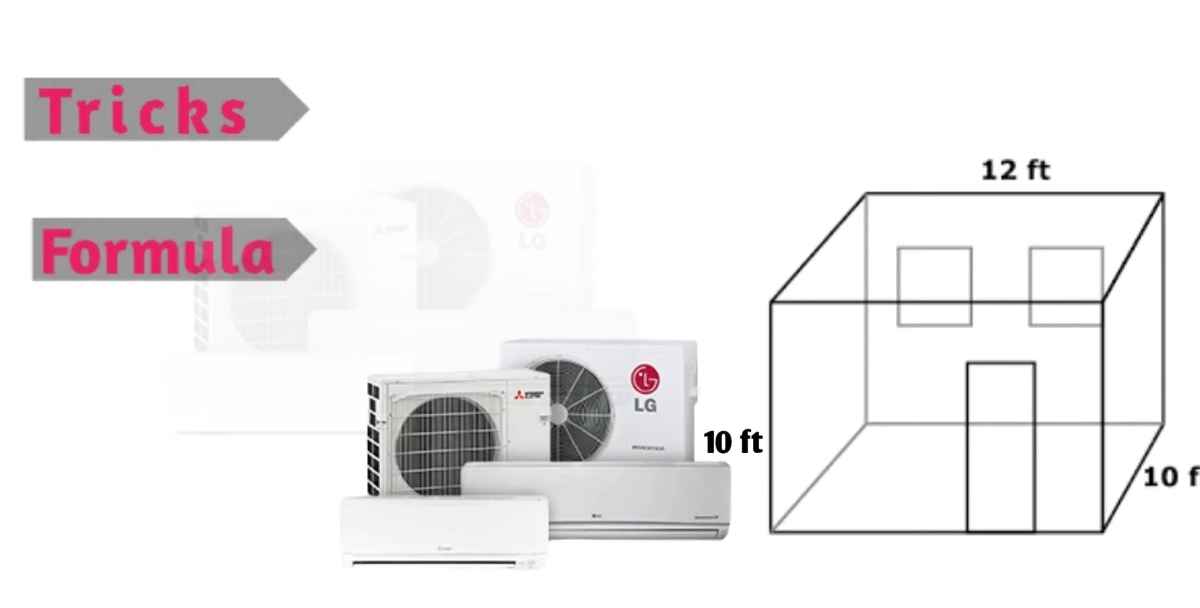
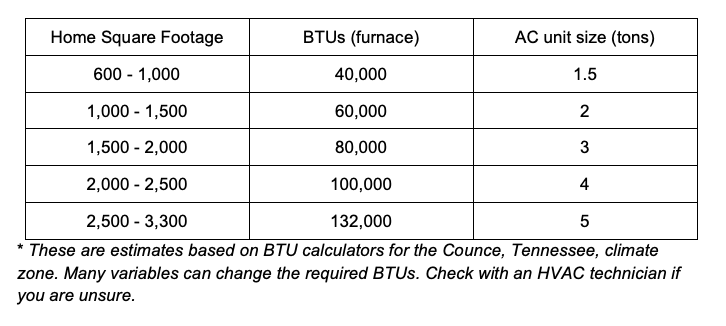
The square footage method is a simplified approach that provides a rough estimate of the required tonnage. It's based on the assumption that a certain amount of cooling capacity is needed per square foot of living space.
General Rule of Thumb:
- In most climates, you can estimate 1 ton of cooling for every 400-600 square feet of living space.
Example:
For a 1600 square foot home, the estimated tonnage would be:
- 1600 sq ft / 400 sq ft per ton = 4 tons (Higher end of the range)
- 1600 sq ft / 600 sq ft per ton = 2.67 tons (Lower end of the range)
Therefore, a unit between 2.5 and 4 tons *might* be appropriate. However, this is a very broad estimate.
Limitations of the Square Footage Method:
- Ignores crucial factors: It doesn't account for insulation levels, window efficiency, climate, or other important variables.
- Can lead to oversizing or undersizing: The square footage method can easily result in an incorrectly sized unit, especially in homes with poor insulation, many windows, or unusual layouts.
When to Use the Square Footage Method:
This method is only suitable for a very rough initial estimate or when other methods are not feasible. Never rely solely on the square footage method for determining the final tonnage.
3. Checking Your Existing Unit: A Starting Point
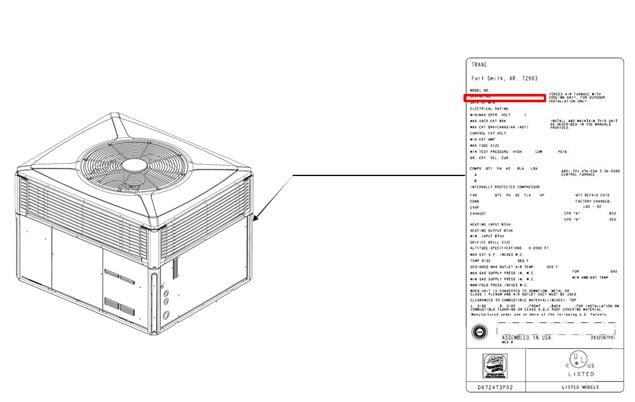
If you're replacing an existing AC unit, you can check the nameplate on the outdoor unit to see its current tonnage. The tonnage is usually indicated in the model number or specifications. For example, a model number like "XYZ-24" might indicate a 2-ton (24,000 BTU/hr) unit. Similarly, "XYZ-36" may be a 3 ton (36,000 BTU/hr) unit. Note that 12,000 BTU equals 1 ton.
Important Considerations:
- Was the old unit properly sized? If your old unit was undersized or oversized, simply replacing it with the same tonnage will perpetuate the problem.
- Changes to the home: If you've made any significant changes to your home since the old unit was installed (e.g., added insulation, replaced windows, added an addition), the old tonnage may no longer be appropriate.
- Performance Issues: Consider why the previous unit failed or why you are replacing it. If it constantly struggled to cool your home, it may have been undersized, or the system could have had leaks and wasn't cooling efficiently.
How to Find the Nameplate:
The nameplate is typically located on the side or back of the outdoor unit (condenser). It's a metal or plastic label containing information about the unit's specifications.
4. Online HVAC Calculators: Use with Caution
Numerous online HVAC calculators are available that claim to determine the appropriate tonnage based on a few basic inputs. While these calculators can provide a general idea, they are often inaccurate and should be used with caution.
Limitations of Online Calculators:
- Simplified inputs: They typically only ask for basic information, such as square footage, location, and number of windows, without considering the more nuanced factors that affect heat gain and loss.
- Lack of precision: The algorithms used in online calculators are often simplistic and may not accurately reflect the specific characteristics of your home.
- Potential for bias: Some calculators may be biased towards recommending larger units, which can benefit the company providing the calculator.
How to Use Online Calculators:
If you choose to use an online calculator, treat the results as a very rough estimate only. Don't rely on the calculator to make a final decision about the tonnage of your HVAC unit. Always consult with a qualified HVAC professional for a proper assessment.
The Importance of Professional Consultation
As you can see, accurately determining the correct tonnage for your HVAC unit requires careful consideration of various factors. While the methods described above can provide some guidance, the best approach is to consult with a qualified HVAC professional.
Benefits of Hiring an HVAC Professional:
- Accurate Assessment: A professional can perform a Manual J calculation to accurately determine the heating and cooling load of your home.
- Expert Advice: They can provide expert advice on the best type and size of HVAC unit for your specific needs and budget.
- Proper Installation: A professional will ensure that the unit is installed correctly, which is crucial for optimal performance and efficiency.
- Warranty Protection: Many HVAC manufacturers require professional installation for warranty coverage.
Choosing the Right HVAC Contractor:
- Look for licensed and insured contractors.
- Check online reviews and get referrals from friends or family.
- Get multiple quotes and compare them carefully.
- Ask about their experience with Manual J calculations.
- Ensure they offer a warranty on their work.
Final Thoughts
Selecting the correct tonnage for your HVAC unit is an investment in your home's comfort, energy efficiency, and the lifespan of the equipment. While DIY methods can offer preliminary estimates, consulting a qualified HVAC professional for a Manual J calculation and expert advice is highly recommended. A properly sized and installed HVAC system will provide years of reliable and efficient heating and cooling.
Remember, a well-sized unit will:
- Maintain a consistent temperature.
- Reduce energy consumption and costs.
- Provide proper dehumidification.
- Extend the life of the equipment.
Don't underestimate the importance of proper sizing. Investing the time and effort to get it right will pay off in the long run.