How To Discharge Ac System In Car

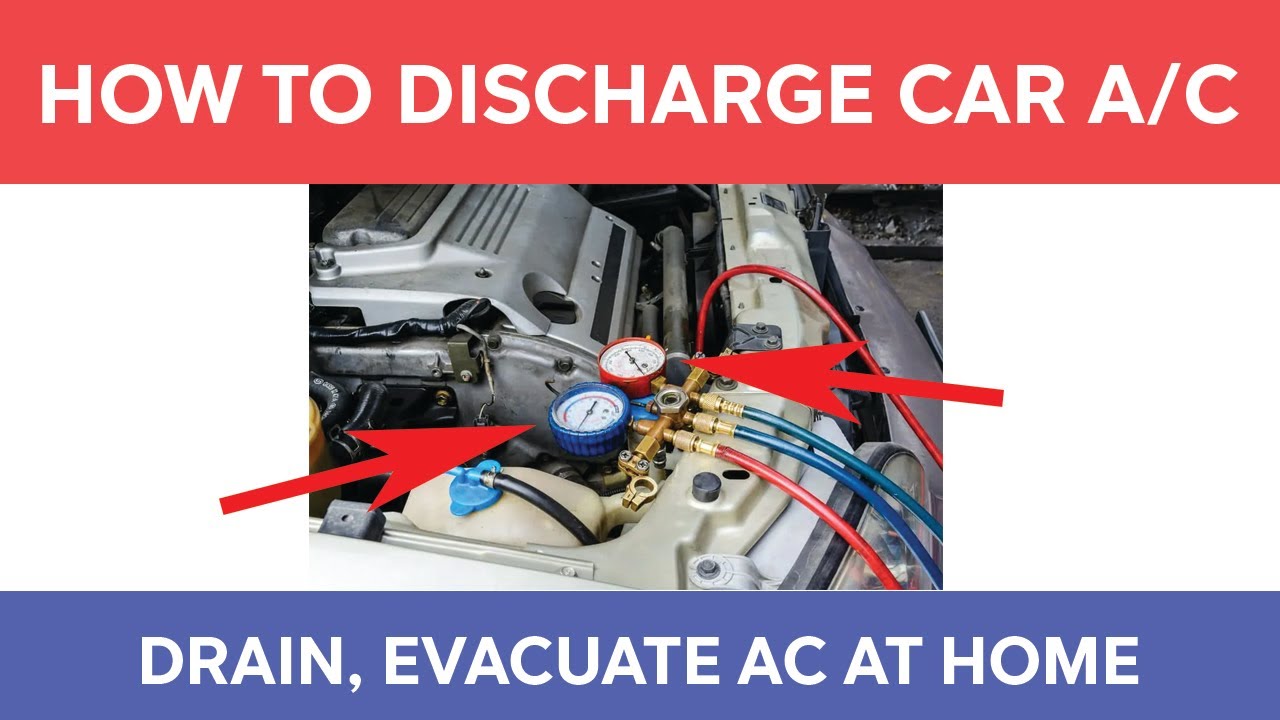
Is your car's air conditioning blowing warm air on a sweltering day? You're not alone. A malfunctioning AC system is a common automotive woe, and sometimes, to diagnose or repair certain components, you'll need to safely discharge the system. Working with AC systems involves refrigerant, which can be harmful if released improperly. This guide will walk you through the basics of understanding why and how to *safely* approach discharging your car's AC, while always prioritizing your safety.
Understanding the Need to Discharge Your AC System
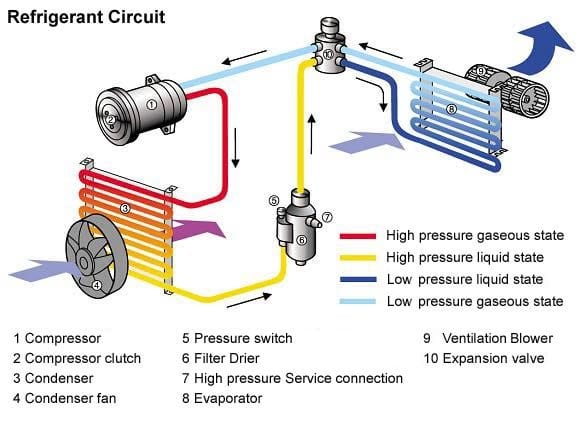
Before we dive into the how-to, let's understand the why. Your car's AC system uses a refrigerant (typically R-134a or the newer R-1234yf) under high pressure to cool the air. You might need to discharge the system for several reasons:
- Replacing a component: If you need to replace parts like the compressor, condenser, evaporator, or even a hose, you must remove the refrigerant first. Trying to disconnect these components with a pressurized system is extremely dangerous.
- Diagnosing leaks: While leak detection dyes are often used, sometimes a full evacuation is necessary to accurately pinpoint the source of a leak.
- System contamination: If moisture or other contaminants have entered the system, it needs to be evacuated and recharged with fresh refrigerant.
Important Safety Precautions: Refrigerant can cause frostbite, blindness, and other health problems. *Never* release refrigerant into the atmosphere. It's harmful to the ozone layer (though modern refrigerants are designed to be less damaging, it's still irresponsible). Always wear appropriate safety gear, including eye protection (goggles) and gloves, when working with the AC system.
Is DIY Discharge Right for You?
Here's the crucial question: Can you safely discharge your car's AC system at home? The straightforward answer is: Generally, no. While there are DIY kits available, they often involve releasing the refrigerant into a container, which then requires proper disposal at a certified recycling center. This process carries significant risks if not handled correctly. Additionally, these kits often don't have the precision needed for complete evacuation, which is essential for some repairs.
When to Call a Professional: If you're unsure about any step of the process, or if you lack the proper equipment (specifically, an AC recovery machine), *always* consult a certified automotive technician. They have the training, experience, and specialized equipment to safely and legally discharge, recover, and recharge your AC system. Attempting to bypass these precautions can lead to serious injury, environmental damage, and potential fines.
However, there are some *limited* diagnostic steps you can take before deciding to call a professional.
Limited DIY Diagnostic Steps (Before Seeking Professional Help)
Before you even think about discharging the system, perform these basic checks:
1. Visual Inspection
Carefully inspect all visible components of the AC system:
- Hoses: Look for cracks, leaks (oily residue), or signs of damage.
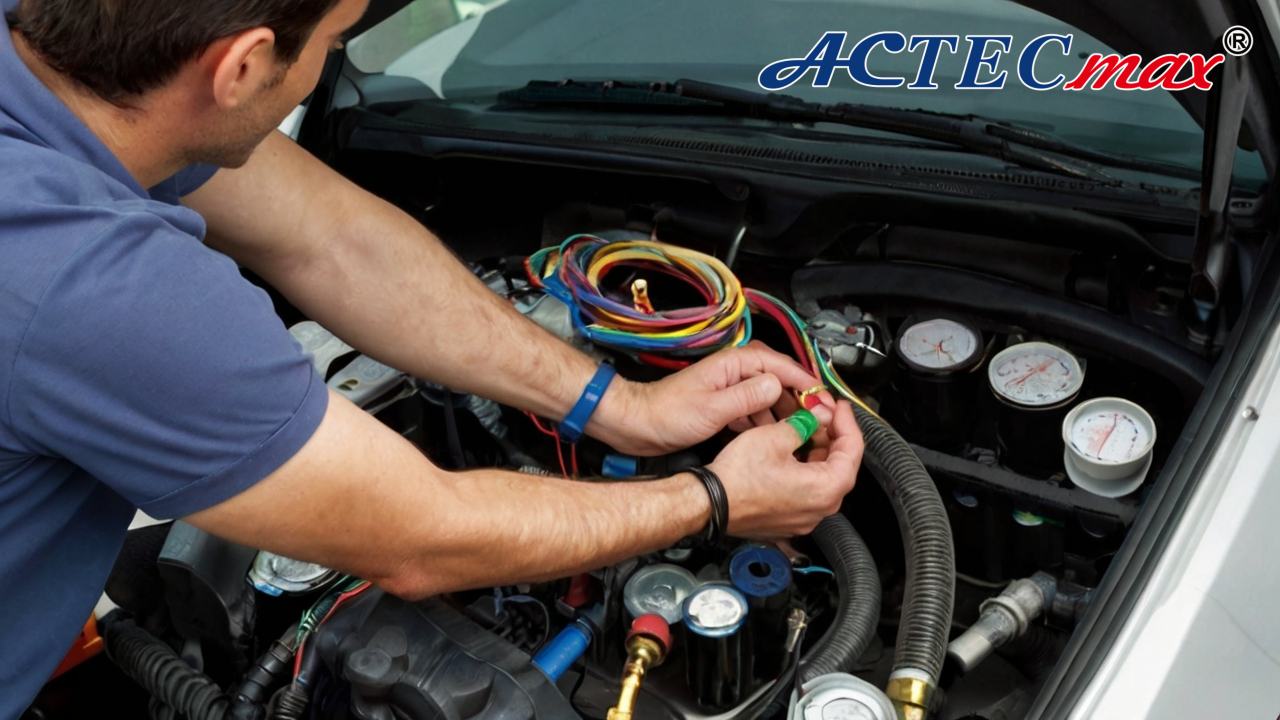
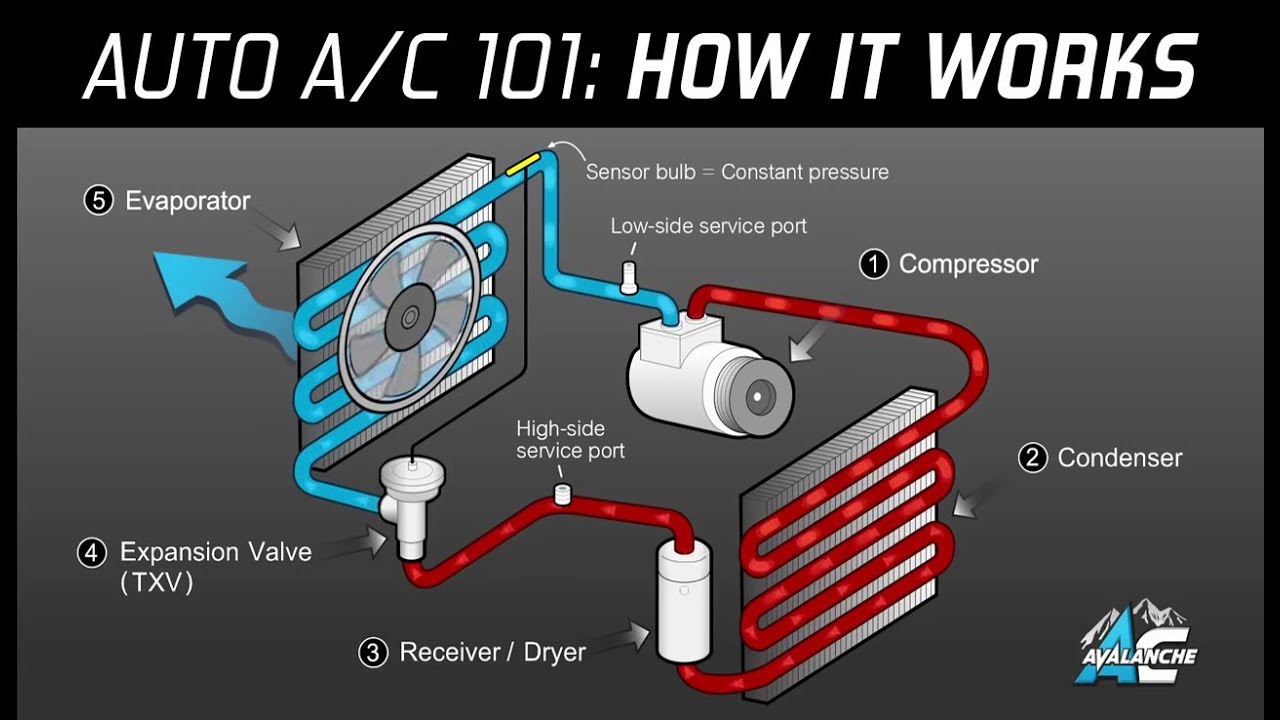
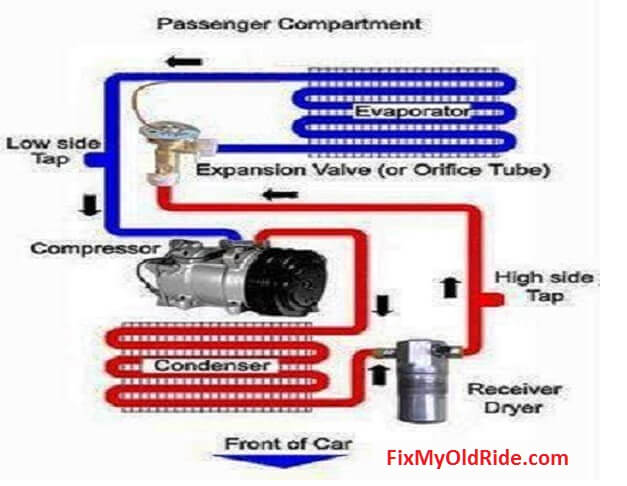
- Compressor: Check the compressor for leaks, unusual noises when the AC is turned on, and proper engagement of the clutch. (The clutch is the front part of the compressor pulley that engages when the AC is on).
- Condenser: Located in front of the radiator, the condenser can be damaged by road debris. Look for bent fins or signs of leakage.
- Connections: Check all fittings and connections for tightness and signs of oil.
2. Check the AC Clutch
With the engine running and the AC turned on, observe the AC compressor clutch. It should engage and disengage periodically. If it doesn't engage at all, it could indicate a problem with the compressor, a low refrigerant level (which triggers a safety switch to prevent compressor damage), or an electrical issue.
Caution: Keep your hands and clothing clear of moving parts when the engine is running.
3. Check the Cabin Air Filter
A clogged cabin air filter restricts airflow, reducing the effectiveness of the AC. Locate your cabin air filter (usually behind the glove box or under the dashboard) and replace it if it's dirty.
4. Low-Side Pressure Check (Advanced - Use with Caution)
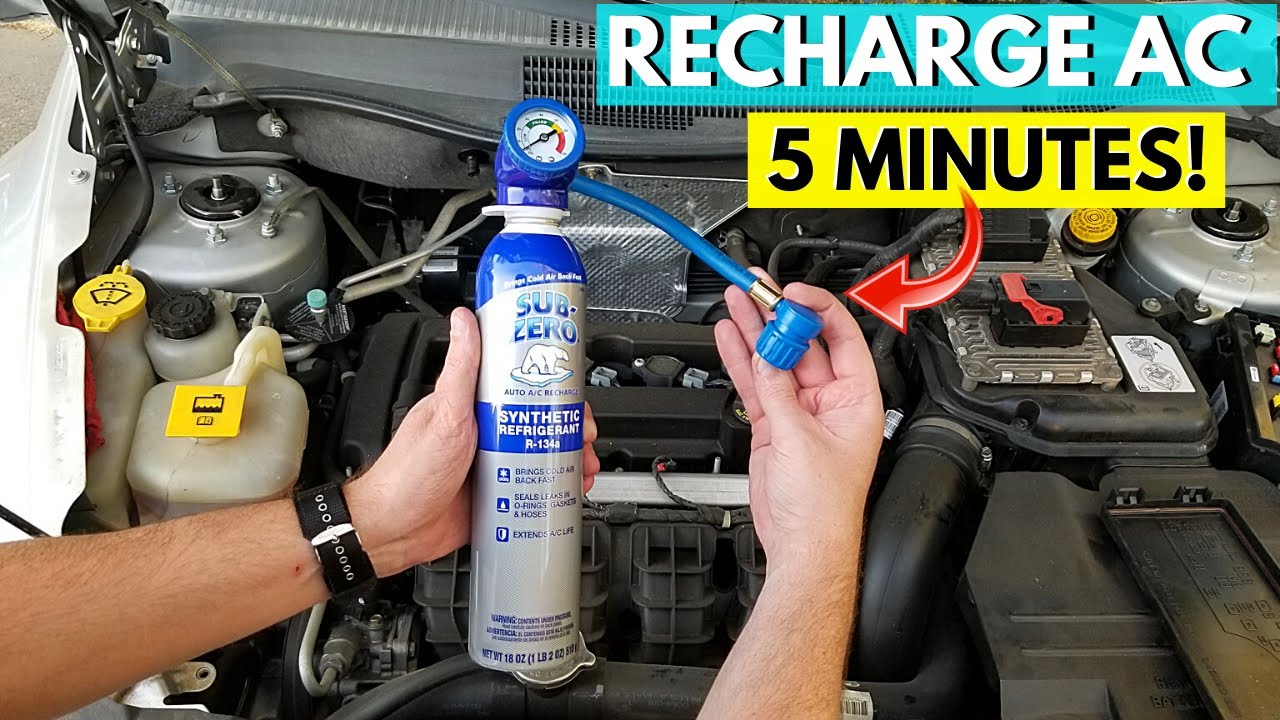
This step requires a low-side refrigerant pressure gauge. Use extreme caution and wear eye protection. If you're not comfortable with this, skip it and consult a professional.
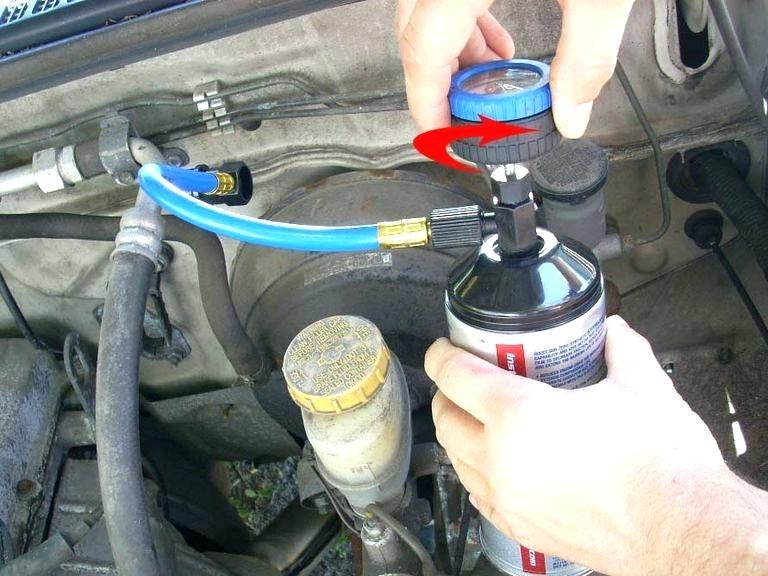
Locate the low-side service port (it's usually marked with an "L" and is a smaller fitting than the high-side port). Attach the gauge to the port. Read the pressure with the AC on and the engine running.
- Low Pressure: If the pressure is very low (below the recommended range for your refrigerant type, usually around 25-45 psi), it could indicate a leak or a very low refrigerant level.
- High Pressure: If the pressure is very high, it could indicate a blockage or overcharging.
Note: These pressure readings are just indicators. Interpreting them accurately requires understanding your specific vehicle's AC system and refrigerant type. Consult a repair manual or online resources specific to your car's make and model before drawing any conclusions.
The (Potentially) Problematic DIY Discharge Kits
While I strongly advise against DIY discharge, I want to address the DIY AC discharge kits available on the market. These kits typically involve puncturing the low-side service port with a can containing a valve and a hose, allowing you to slowly bleed the refrigerant into the can. Here are the dangers:
- Incomplete Evacuation: These kits rarely evacuate the system completely, leaving residual refrigerant and potentially contaminating the system when you refill it.
- Environmental Damage: Improperly handling the refrigerant and releasing it into the atmosphere is illegal and harmful to the environment.
- Safety Hazards: Puncturing the service port can be dangerous, and the refrigerant can cause frostbite if it comes into contact with your skin or eyes.
- Legal Ramifications: In many jurisdictions, it's illegal to vent refrigerant into the atmosphere, and you could face fines.
If you absolutely insist on using one of these kits (again, I strongly advise against it), follow these guidelines meticulously:
- Wear full safety gear: Goggles, gloves, and long sleeves are essential.
- Work in a well-ventilated area: This is crucial to minimize the risk of inhaling refrigerant vapors.
- Follow the kit instructions *exactly*:** Don't deviate from the manufacturer's instructions.
- Proper Disposal: Find a certified recycling center that accepts used refrigerant. Don't just throw the can in the trash.
Even with these precautions, the risks outweigh the benefits.
Professional AC System Discharge and Service
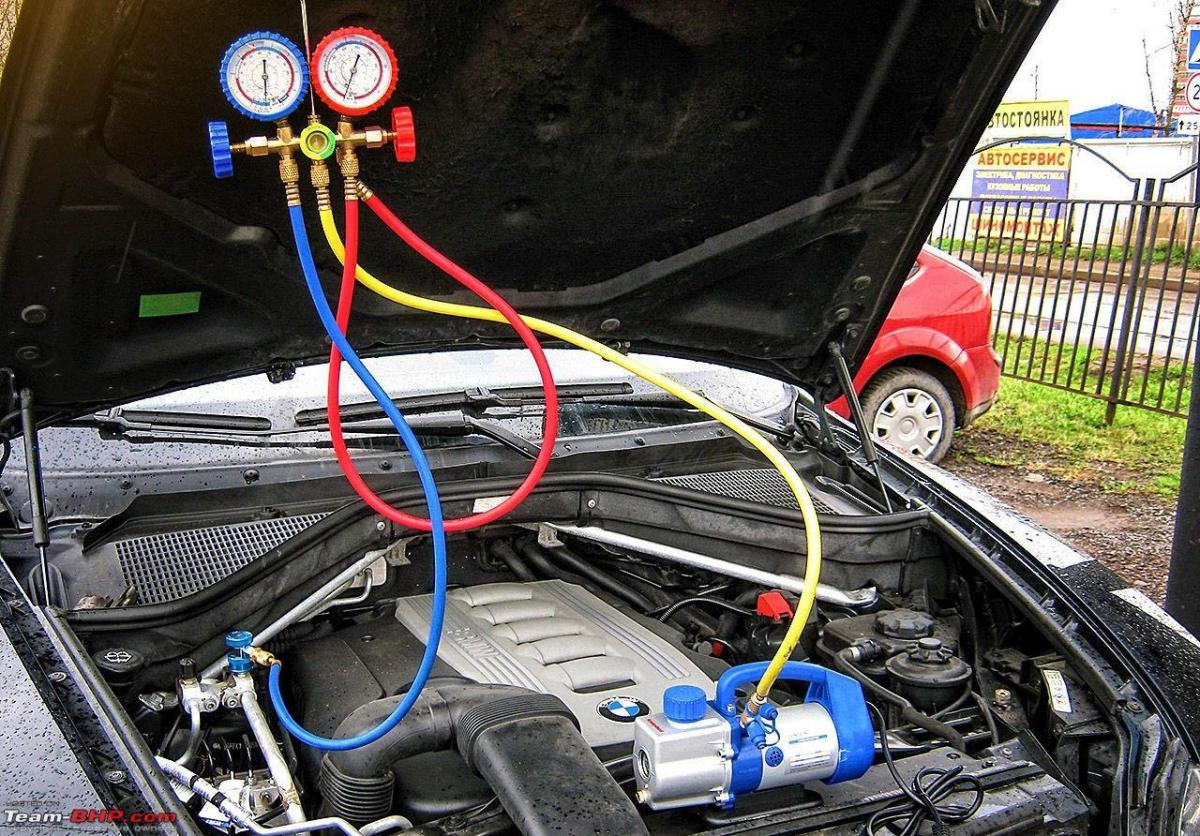
A certified automotive technician will use an AC recovery machine to safely and efficiently discharge your system. The machine will:
- Recover the Refrigerant: The machine extracts the refrigerant from your car's system and stores it in a sealed container.
- Vacuum the System: The machine creates a vacuum in the system to remove moisture and air.
- Leak Test: The technician can use the machine to perform a leak test to identify any leaks in the system.
- Recharge the System: After repairs are made, the technician will recharge the system with the correct amount of refrigerant.
The benefits of professional service are clear:
- Safety: Technicians are trained to handle refrigerants safely and prevent injury.
- Environmental Responsibility: Refrigerant is properly recovered and recycled, preventing environmental damage.
- Accuracy: Technicians have the tools and knowledge to accurately diagnose and repair AC system problems.
- Warranty: Professional repairs often come with a warranty, providing peace of mind.
Simple DIY Fixes (That Don't Require Discharge)
Sometimes, the AC problem is something simple that you can fix without discharging the system:
- Replacing the Cabin Air Filter: As mentioned earlier, a clogged filter can significantly reduce AC performance.
- Cleaning the Condenser Fins: Gently clean the condenser fins with a soft brush to remove dirt and debris. Be careful not to damage the fins.
- Checking and Replacing Fuses and Relays: Locate the fuse and relay for the AC compressor and check if they are blown or damaged. Consult your owner's manual for the location of these components.
When to Seek Professional Help (Recap)
Here's a summary of when it's time to call a professional:
- You suspect a refrigerant leak.
- The AC compressor is not engaging.
- The AC system is making unusual noises.
- You need to replace any major AC component (compressor, condenser, evaporator, etc.).
- You're uncomfortable working with refrigerant.
- You don't have the proper tools or equipment.
Conclusion
While understanding the basics of your car's AC system is helpful, *discharging the system should generally be left to the professionals.* The risks associated with DIY discharge are significant, and the benefits of professional service outweigh the costs. Focus on the simple diagnostic steps outlined above, and don't hesitate to seek help from a qualified technician when needed. Remember, your safety and the environment are paramount. By prioritizing these, you can ensure your car's AC system is working efficiently and effectively for years to come. Always remember to exercise caution and prioritize safety when working with any part of your vehicle.