How To Draw Out Poison From A Spider Bite
While we typically focus on keeping your home's temperature comfortable and air clean, sometimes life throws unexpected curveballs. Spider bites, though often harmless, can occasionally inject venom requiring immediate attention. While this article isn’t a substitute for professional medical advice, it provides general guidance on how to react while waiting for medical help. Remember, when in doubt, contact a medical professional immediately.
Identifying a Venomous Spider Bite
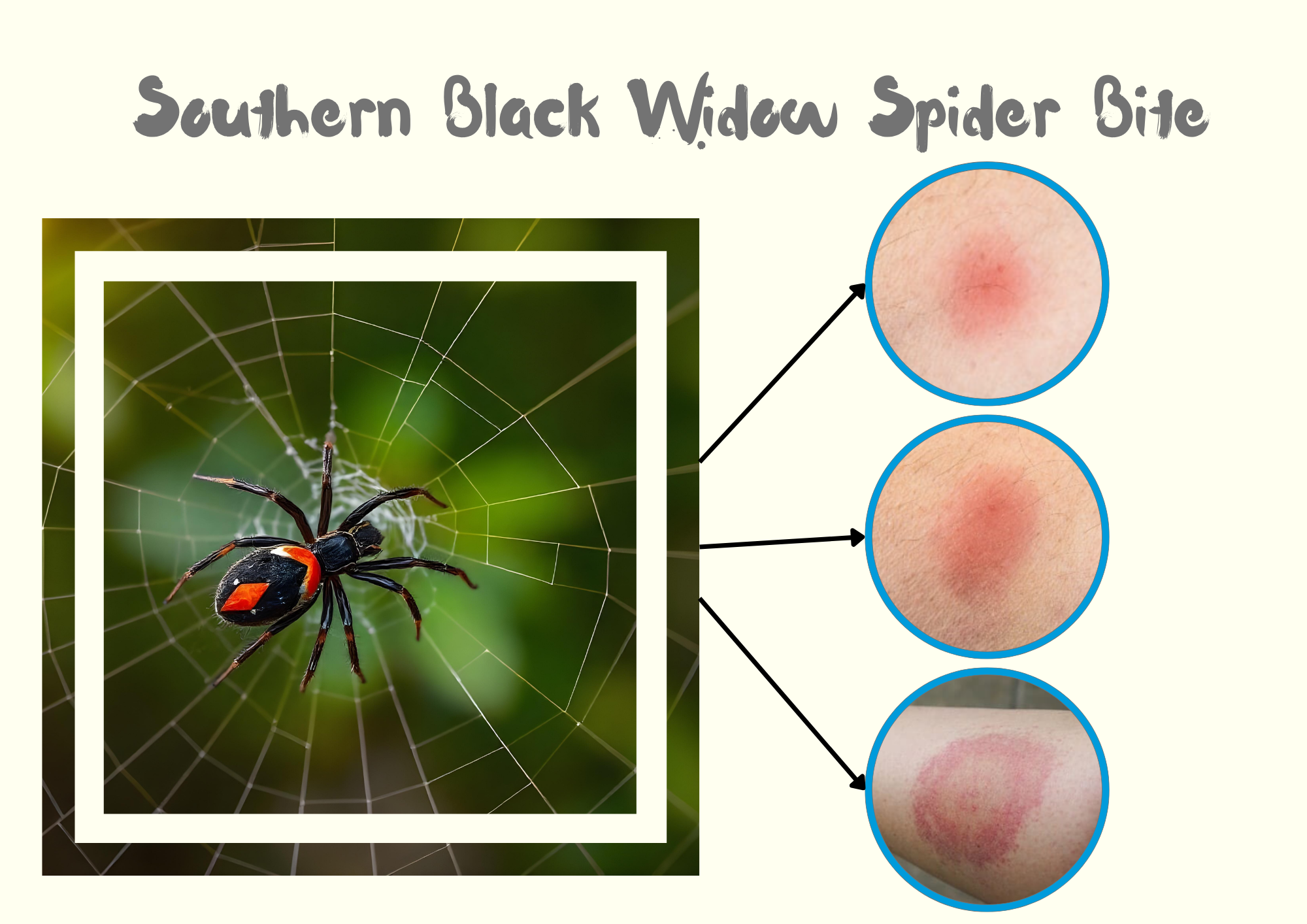
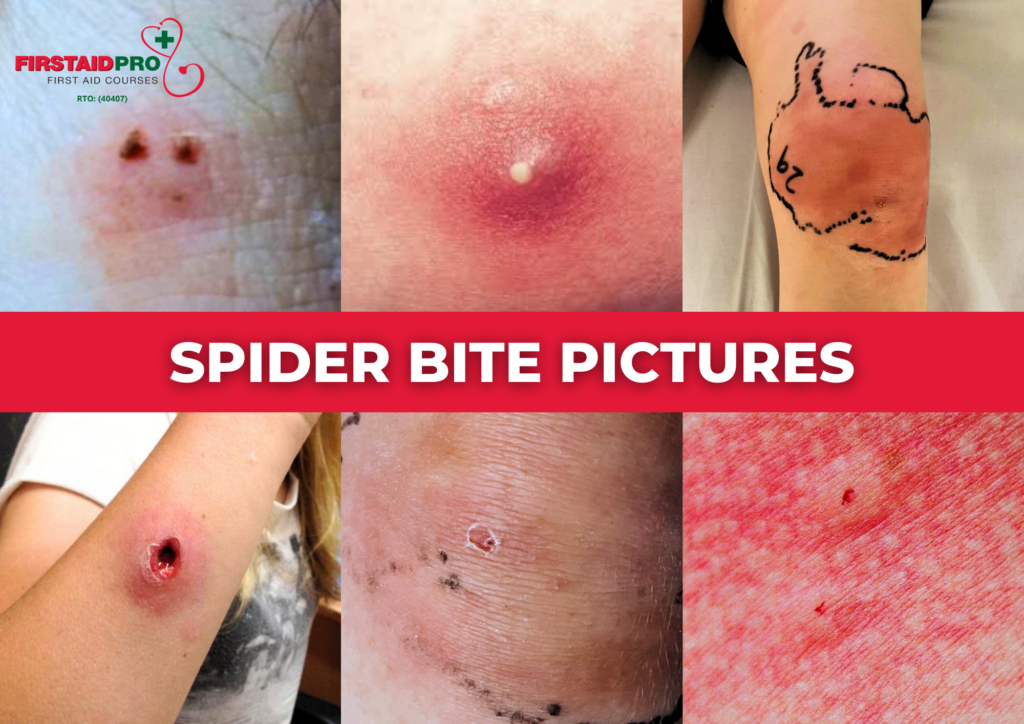
Not all spider bites are created equal. Most bites are minor and cause localized irritation. However, certain spider bites, like those from the black widow or brown recluse, can be venomous and require swift action. Identifying characteristics can include:
- Severe pain: Out of proportion to the size of the bite.
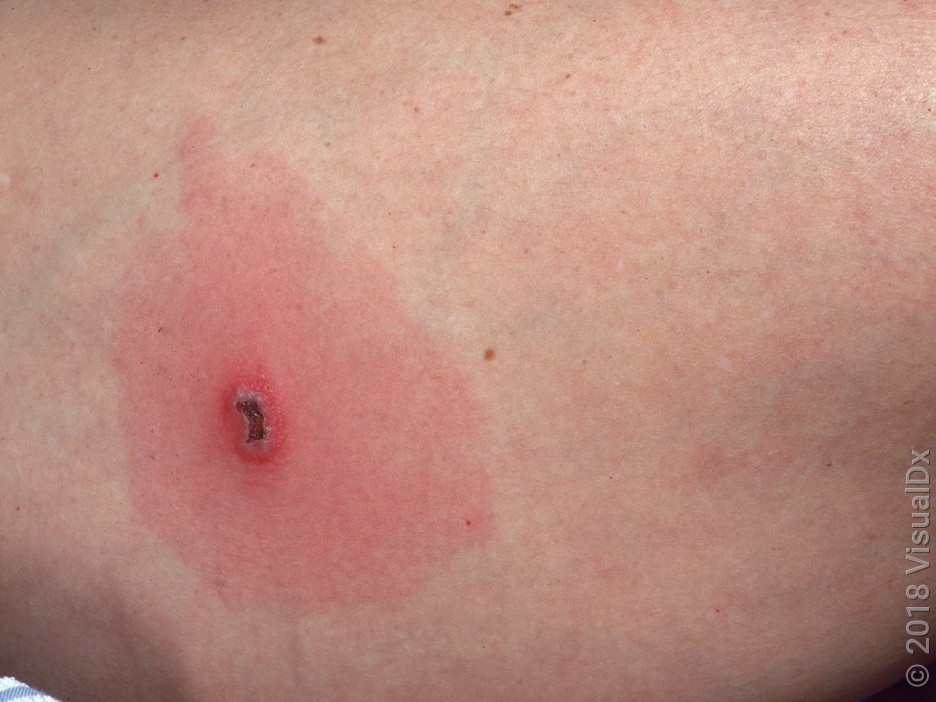
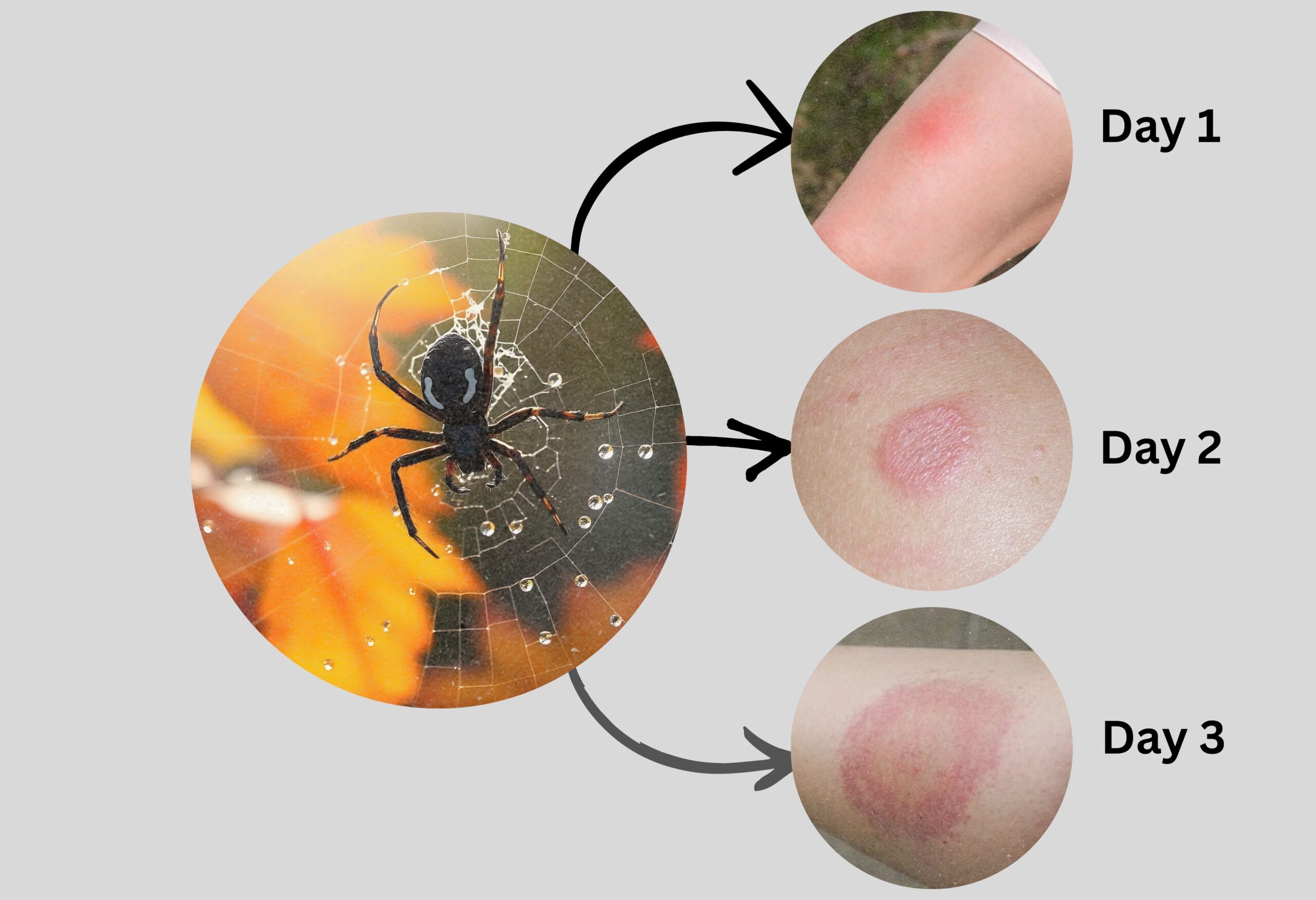
- Redness and swelling: Spreading from the bite area.
- Blistering: Especially with brown recluse bites, often appearing as a bullseye pattern.
- Muscle cramps or spasms: Particularly with black widow bites.
- Systemic symptoms: Fever, chills, nausea, vomiting, headache, or difficulty breathing (seek immediate medical help).
If you suspect a venomous spider bite, seek medical attention immediately. The following steps are intended as first aid while awaiting professional care.
First Aid Steps: Immediate Action
Your immediate response is crucial. These steps aim to slow the venom's spread and minimize its impact while you await medical assistance.
- Remain Calm: Panic can increase your heart rate, potentially spreading the venom faster. Take deep breaths.
- Clean the Bite Area: Gently wash the bite with soap and water. This helps prevent secondary infections.
- Apply a Cold Compress: Use an ice pack or a bag of frozen vegetables wrapped in a cloth. Apply for 10 minutes, then remove for 10 minutes. Repeat. This can help reduce swelling and pain.
- Elevate the Affected Limb: Raising the bitten arm or leg above heart level can slow the venom's spread.
- Monitor Symptoms: Keep a close eye on how the bite is progressing. Note any changes in pain, swelling, or other symptoms. Report these to medical personnel.
Debunking Myths: What NOT to Do
There are many old wives' tales and misconceptions about treating spider bites. Avoid these practices as they can be harmful:
- Cutting and Sucking: This is ineffective and can introduce bacteria into the wound, increasing the risk of infection.
- Applying a Tourniquet: Tourniquets can cut off blood flow and potentially cause tissue damage. Only trained medical professionals should apply tourniquets in specific circumstances.
- Applying Heat: Heat can actually worsen inflammation and potentially increase the venom's spread.
- Using Electrical Shock: There's no scientific evidence to support the use of electrical shock to neutralize venom, and it can be dangerous.
“Drawing Out” Venom: What Works?
The term "drawing out" venom can be misleading. While you can't completely extract venom once it's injected, some strategies can help manage symptoms and potentially slow its spread. Note that these are for symptom management while waiting for professional medical help.
Activated Charcoal Poultice
Activated charcoal is known for its absorbent properties and ability to bind to toxins. A poultice can help draw out fluids and potentially some venom components from the bite area.
- Gather Supplies: Activated charcoal powder (available at most pharmacies), clean water, a clean cloth or gauze pad, and tape.
- Make a Paste: Mix the activated charcoal powder with enough water to form a thick paste.
- Apply the Poultice: Spread the paste generously over the bite area, covering the entire affected region.
- Cover and Secure: Cover the poultice with a clean cloth or gauze pad and secure it with tape.
- Leave in Place: Leave the poultice in place for several hours, or overnight.
- Replace as Needed: Replace the poultice every few hours, or when it becomes dry or saturated.
- Monitor and Seek Medical Care: This should be used as a temporary measure before seeking medical help.
Important Note: Activated charcoal is not a substitute for medical treatment. If you experience any signs of a severe reaction, such as difficulty breathing, swelling of the face or throat, or dizziness, seek immediate medical attention.
Epsom Salt Soaks
Epsom salts (magnesium sulfate) can help reduce inflammation and draw out fluid from the tissues surrounding the bite. This may provide some relief from pain and swelling.
- Prepare the Soak: Fill a basin or tub with warm (not hot) water.
- Add Epsom Salts: Dissolve 1-2 cups of Epsom salts in the water.
- Soak the Affected Area: Submerge the bitten area in the Epsom salt solution for 15-20 minutes.
- Repeat as Needed: Repeat the soak 2-3 times per day.
Important Note: Avoid using Epsom salt soaks if you have open wounds or broken skin near the bite. Always consult a doctor before using Epsom salts if you have kidney problems or other medical conditions.
Over-the-Counter Pain Relief
While not directly drawing out venom, over-the-counter pain relievers can help manage pain and inflammation associated with the bite.
- Ibuprofen (Advil, Motrin): An NSAID that reduces inflammation and pain.
- Acetaminophen (Tylenol): A pain reliever that doesn't reduce inflammation.
- Antihistamines (Benadryl): Can help reduce itching and allergic reactions, but may cause drowsiness.
Follow the dosage instructions on the label. If you have any underlying medical conditions or are taking other medications, consult your doctor or pharmacist before taking over-the-counter pain relievers.
When to Seek Professional Medical Attention
It's crucial to know when to seek professional medical help for a spider bite. Err on the side of caution, especially if:
- You suspect a bite from a black widow or brown recluse.
- You experience severe pain, swelling, or blistering.
- You develop systemic symptoms such as fever, chills, nausea, vomiting, or difficulty breathing.
- The bite shows signs of infection (increased redness, pus, or warmth).
- You have a pre-existing medical condition, such as diabetes or a weakened immune system.
- You are unsure about the spider that bit you.
Seek immediate medical attention by calling emergency services (911 in the US) or going to the nearest emergency room.
Preventing Spider Bites
Prevention is always better than cure. Here are some tips to minimize your risk of spider bites:
- Wear protective clothing: When working in areas where spiders may be present, wear long sleeves, pants, gloves, and boots.
- Shake out clothing and shoes: Before wearing clothes or shoes that have been stored for a while, shake them out to dislodge any spiders that may be hiding inside.
- Use insect repellent: Apply insect repellent containing DEET or picaridin to your skin and clothing.
- Seal cracks and crevices: Seal any cracks and crevices in your home's foundation, walls, and windows to prevent spiders from entering.
- Keep your home clean and clutter-free: Spiders are attracted to cluttered areas where they can find food and shelter. Keep your home clean and free of clutter to reduce the risk of spiders.
- Hire a pest control professional: If you have a serious spider infestation, consider hiring a pest control professional to eliminate the spiders and prevent them from returning.
While dealing with a spider bite is never fun, knowing the right steps to take can help you manage the situation effectively. Remember, this information is not a substitute for medical advice. When in doubt, consult a medical professional.
And remember, just like you rely on us for HVAC expertise, trust medical professionals for medical concerns. We hope this guide helps you navigate this potentially unsettling situation.
:max_bytes(150000):strip_icc()/spiderbitefinal-5a2ff7229e94270037bb4efa.png)