How To Find Dampers In Ductwork
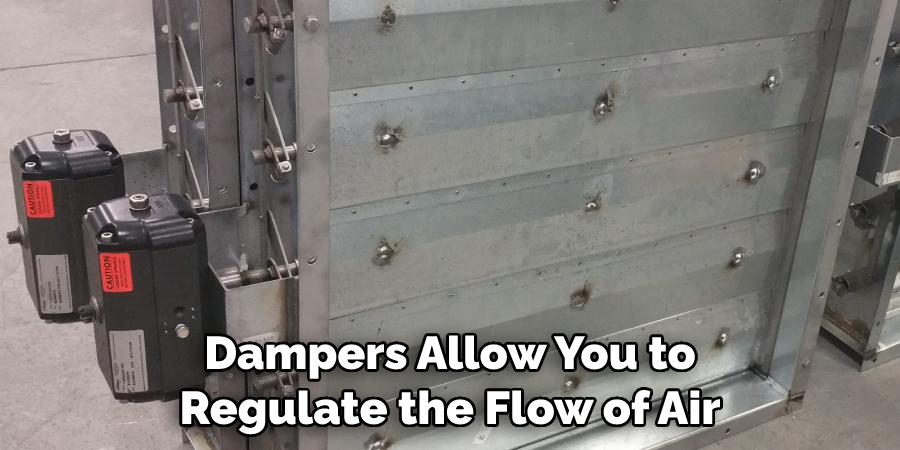
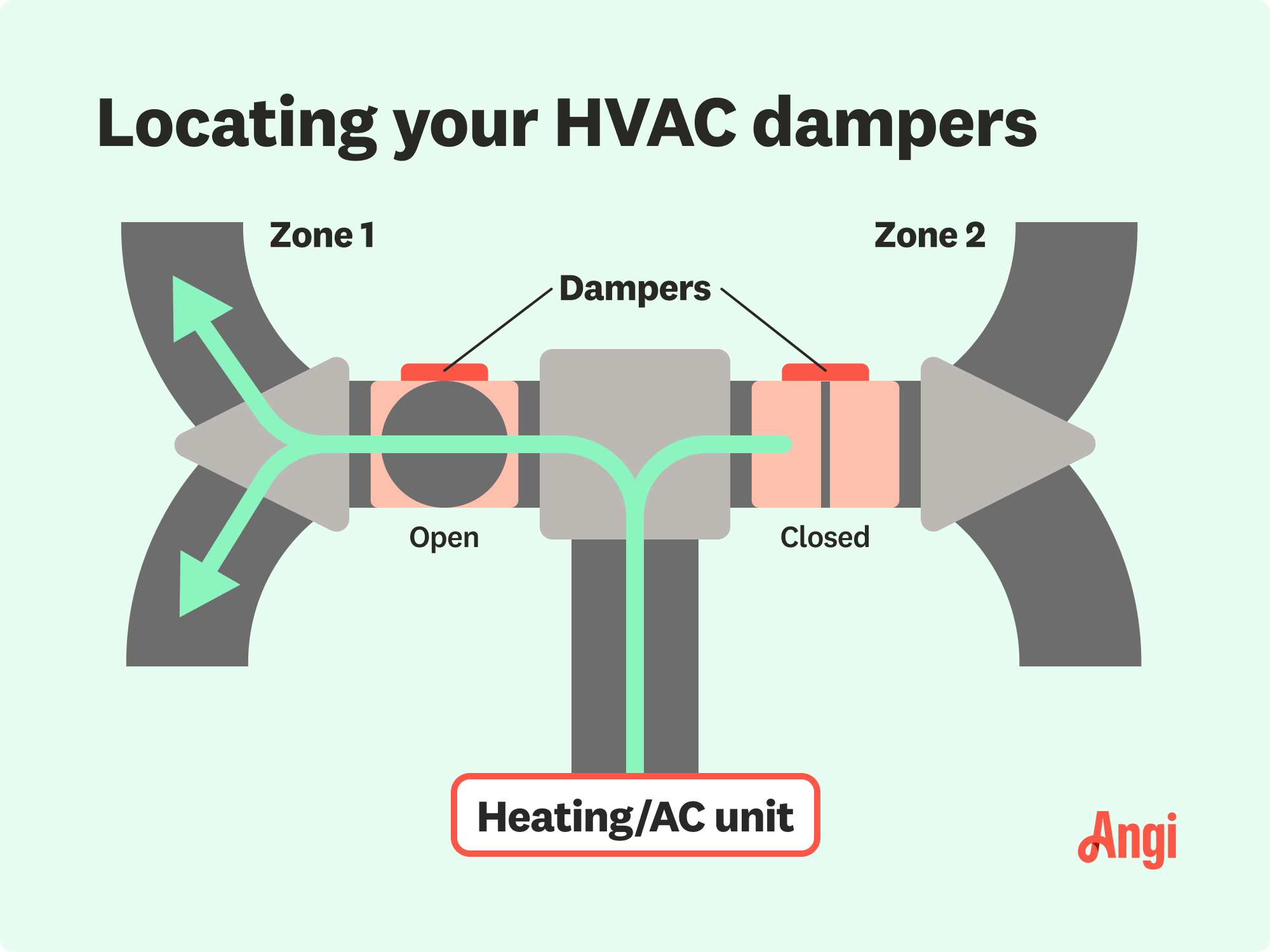
Understanding your home's ductwork is essential for efficient heating and cooling. A crucial, often overlooked, component within this network is the damper. Dampers are essentially adjustable plates or valves inside your ducts that control airflow, allowing you to balance temperatures in different rooms or zones. Whether you're troubleshooting uneven heating/cooling, upgrading your HVAC system, or simply curious about optimizing your home's comfort, knowing how to find dampers is a valuable skill. This guide will walk you through the process, providing the knowledge you need to locate and understand these vital components.
Why Find Dampers?
Before we delve into the 'how,' let's briefly cover the 'why.' Locating and understanding your dampers can lead to several benefits:
- Improved Comfort: Adjusting dampers can address hot or cold spots in your home.
- Energy Savings: By directing airflow to occupied areas, you can reduce energy waste.
- Troubleshooting: Dampers can sometimes malfunction, causing airflow restrictions. Identifying and addressing these issues can improve system performance.
- System Optimization: When upgrading your HVAC system, understanding your ductwork and damper locations can help ensure proper sizing and installation.
Types of Dampers
Dampers come in various forms, each with its own characteristics:
- Manual Dampers: These are the most common type and are adjusted by hand. They typically feature a lever or handle that rotates to open or close the damper.
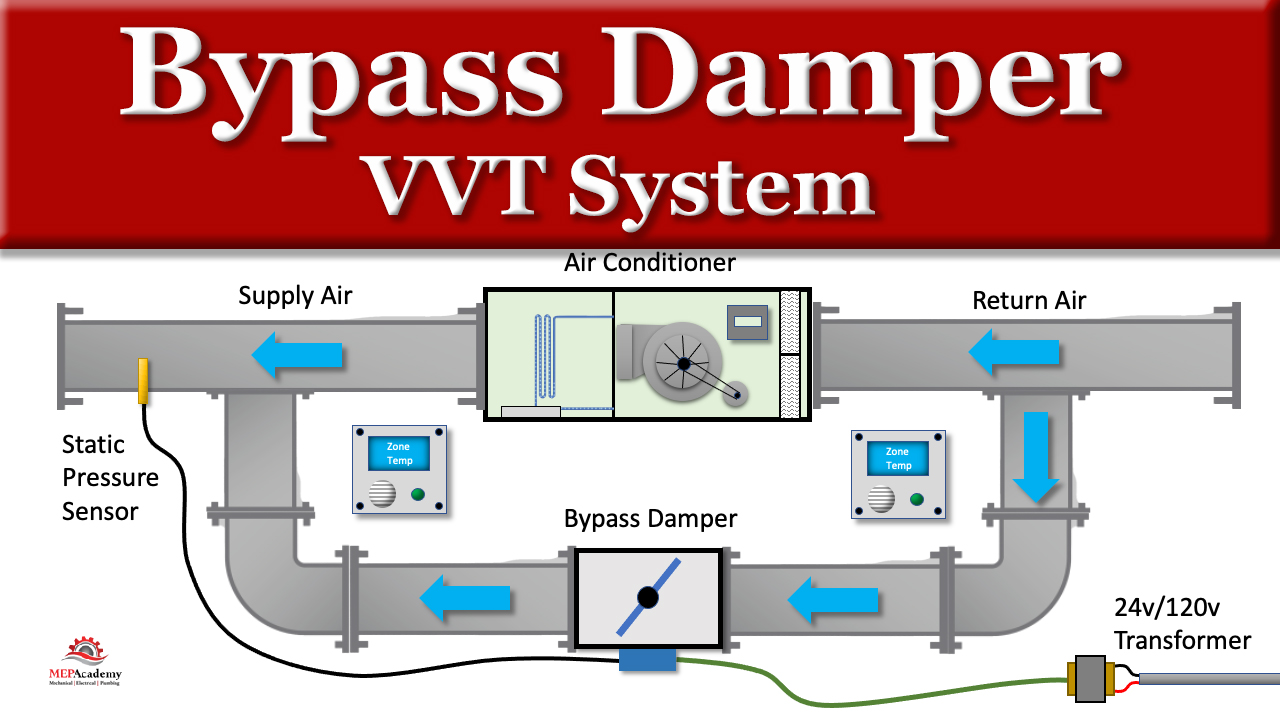
- Automatic Dampers (Motorized Dampers): These are controlled by a thermostat or zoning system. They use a small motor to automatically adjust airflow based on temperature settings. These are frequently found in homes with zoned HVAC systems, which allow for independent temperature control in different areas.
- Balancing Dampers: These are used to fine-tune airflow in specific duct runs. They're typically adjusted during the initial HVAC system installation and are less frequently adjusted by homeowners.
- Fire Dampers: These are safety devices designed to automatically close in the event of a fire, preventing the spread of flames and smoke through the ductwork. These dampers are not manually adjustable by homeowners.
Where to Look for Dampers
The location of dampers depends on your home's ductwork configuration. Here are the most common places to check:
1. Main Duct Runs
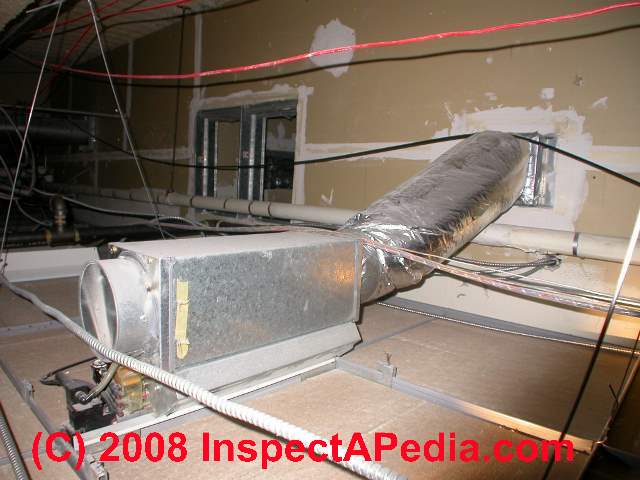
Start by inspecting the main duct runs that branch off from your furnace or air handler. These are typically located in the basement, attic, or crawl space. Look for circular or rectangular ducts with a handle or lever protruding from the side. The handle will often indicate the position of the damper inside the duct.
Tip: Follow the ductwork from the HVAC unit outward. Dampers are most likely to be located near where branch ducts split off from the main duct.
2. Branch Ducts
Once you've examined the main ducts, follow the branch ducts leading to individual rooms or zones. Dampers may be located on these branches, especially if you have noticeable temperature differences between rooms.
3. Near Air Registers or Vents
In some cases, dampers are located directly behind air registers or vents. Remove the register or vent cover and look inside the duct for a damper plate or handle. This is less common but worth checking, especially in older homes.
4. Zoned Systems
If you have a zoned HVAC system, your dampers are likely to be automatic dampers controlled by the zoning system. These are typically located in the main duct runs and are wired to a central control panel. You may not be able to manually adjust these dampers.
5. Around the HVAC Unit
Don't forget to check the ductwork immediately surrounding your furnace or air handler. Dampers might be present in this area to control airflow within the unit itself.
How to Identify a Damper
Once you've located a potential damper, how do you confirm it's actually a damper and not some other component? Here are some key characteristics to look for:
- Handle or Lever: Most manual dampers have a handle or lever that can be rotated or moved to adjust the damper position.
- Indicator Markings: Some dampers have markings indicating the damper position (e.g., "OPEN," "CLOSED," or percentage markings).
- Circular or Rectangular Plate: You may be able to see the damper plate inside the duct, especially if you shine a flashlight into the duct opening.
- Changes in Airflow: If you adjust the handle or lever, you should notice a change in airflow from the corresponding air register or vent.
- Wiring (for Automatic Dampers): Automatic dampers will have electrical wiring connected to them, leading back to the zoning system control panel.
Using Dampers Effectively
Once you've located your dampers, understanding how to use them effectively is key. Here are some general guidelines:
- Adjust Gradually: Make small adjustments to the dampers and wait a few hours to see how it affects the temperature in the room.
- Balance Airflow: Aim to balance airflow throughout your home, ensuring that all rooms receive adequate heating or cooling.
- Consider Seasonal Changes: You may need to adjust your dampers seasonally to compensate for changes in outdoor temperature and sunlight exposure.
- Don't Completely Close Dampers: Avoid completely closing off airflow to any room, as this can create backpressure and strain your HVAC system.
- Consult a Professional: If you're unsure how to adjust your dampers or if you're experiencing significant airflow problems, consult a qualified HVAC technician.
Troubleshooting Damper Issues
Dampers can sometimes malfunction, leading to airflow problems. Here are some common issues and how to address them:
- Stuck Dampers: Dampers can become stuck due to rust, debris, or improper lubrication. Try gently moving the handle or lever to free the damper. If necessary, apply a lubricant such as WD-40.
- Broken Handles: If the handle or lever is broken, you may need to replace the damper.
- Motorized Damper Problems: If an automatic damper isn't working, check the wiring and the zoning system control panel. You may need to replace the motor or the entire damper assembly.
- Leaking Dampers: Even when closed, dampers may not completely seal off airflow. This is normal to some extent, but excessive leakage can indicate a problem. Consider replacing the damper with a tighter-sealing model.
HVAC System Considerations and Damper Integration
When selecting a new HVAC system, consider how dampers can enhance its performance and efficiency. Zoned HVAC systems, in particular, rely heavily on dampers to deliver customized comfort and energy savings. Reputable brands like Carrier, Trane, and Lennox offer a range of zoning solutions with advanced damper control capabilities.
Here's a brief comparison:
- Carrier Infinity System: Offers precise temperature control and zoning capabilities. Look for models with high SEER (Seasonal Energy Efficiency Ratio) ratings (up to 26) for cooling efficiency and AFUE (Annual Fuel Utilization Efficiency) ratings (up to 98.5%) for heating efficiency.
- Trane TruComfort Variable Speed Systems: Provides consistent comfort and energy savings. Focus on models with excellent HSPF (Heating Seasonal Performance Factor) ratings for heat pumps and high SEER and AFUE ratings for other systems.
- Lennox iComfort S30 Smart Thermostat: Integrates seamlessly with Lennox HVAC systems and allows for sophisticated zoning control. Choose models with variable-speed technology for optimal efficiency.
When choosing an HVAC system, carefully review the warranty terms. Most manufacturers offer limited warranties on their equipment, but extended warranties are often available for added peace of mind. Proper maintenance is crucial for ensuring the longevity and efficiency of your HVAC system. Regular filter changes, duct cleaning, and annual professional inspections are essential.
Conclusion
Finding and understanding the dampers in your ductwork is a valuable skill that can empower you to improve your home's comfort, save energy, and troubleshoot HVAC problems. By following the steps outlined in this guide, you can confidently locate and adjust your dampers to optimize your home's heating and cooling system. Remember that if you're unsure about any aspect of your HVAC system, it's always best to consult a qualified professional.