How To Fix A Clogged Drain
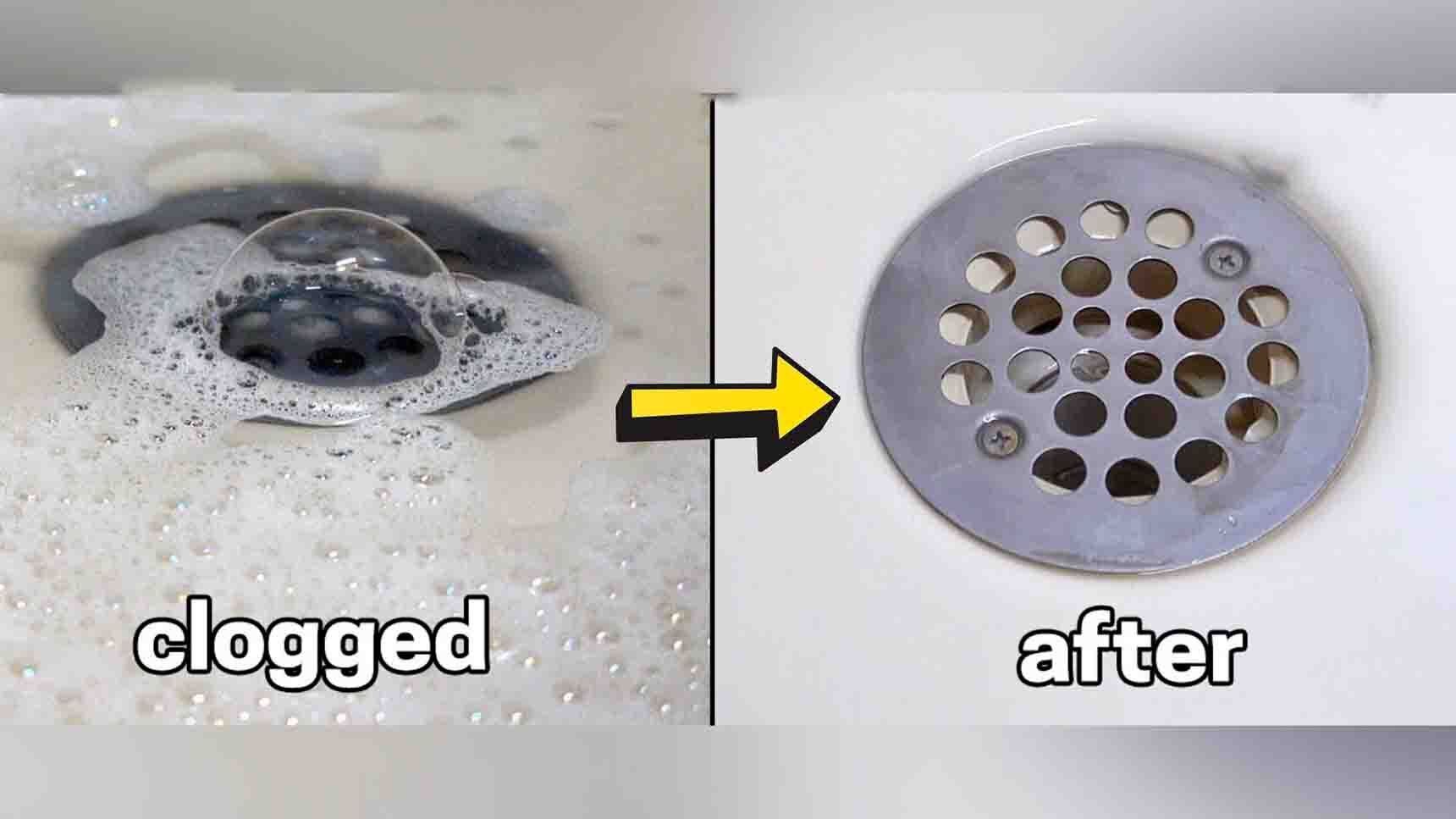
One of the most common household headaches homeowners face is a clogged drain. Whether it's a slow-draining sink, a gurgling shower, or a completely blocked toilet, a clog can disrupt your daily routine and lead to bigger plumbing problems if left unaddressed. Fortunately, many clogs are simple to fix with a little know-how and some basic tools. This guide will walk you through a step-by-step process for diagnosing and tackling clogged drains, empowering you to resolve the issue safely and effectively.
Diagnosing the Clog
Before you start plunging or snaking, it's crucial to understand the symptoms and pinpoint the location of the clog. This will help you choose the right approach and avoid unnecessary work. Here's how to diagnose the problem:
Step 1: Identify the Affected Drain
First, determine which drain is affected. Is it the kitchen sink, bathroom sink, shower, tub, or toilet? This seems obvious, but it's important to be precise. If multiple drains are slow or clogged, it could indicate a blockage deeper in the main drain line.
Step 2: Observe the Symptoms
Pay close attention to how the drain is behaving. Is the water draining slowly, gurgling, or not draining at all? A slow drain often means a partial blockage, while a complete stoppage indicates a more significant clog. Gurgling sounds can suggest air being trapped in the drainpipe due to the blockage.
Step 3: Check Other Fixtures
Test other fixtures in the same bathroom or kitchen. If multiple fixtures are affected, the clog is likely located further down the drain line, potentially in the main drainpipe. This could indicate a more serious problem requiring professional attention.
Step 4: Look for Obvious Blockages (Without Tools)
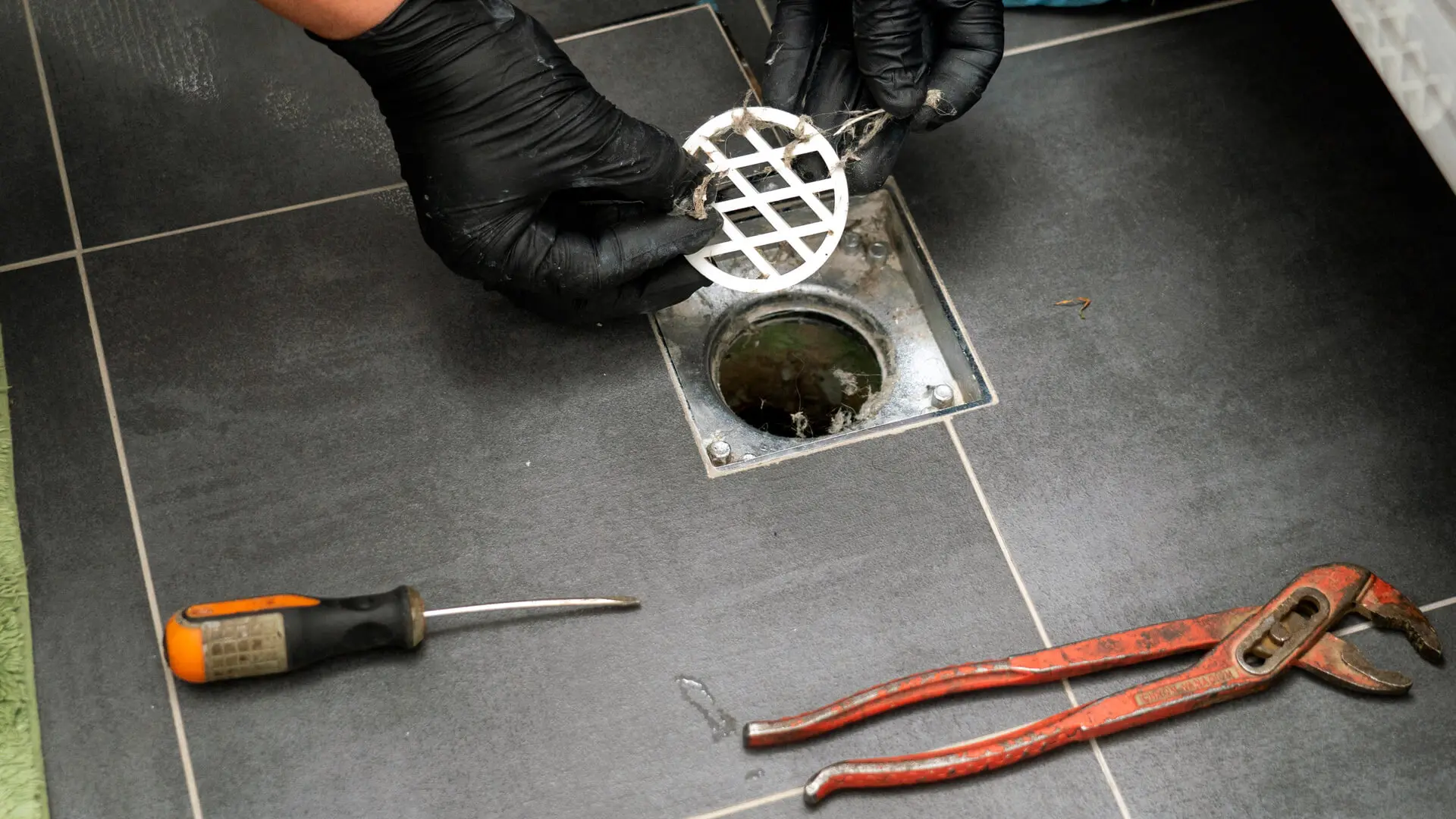
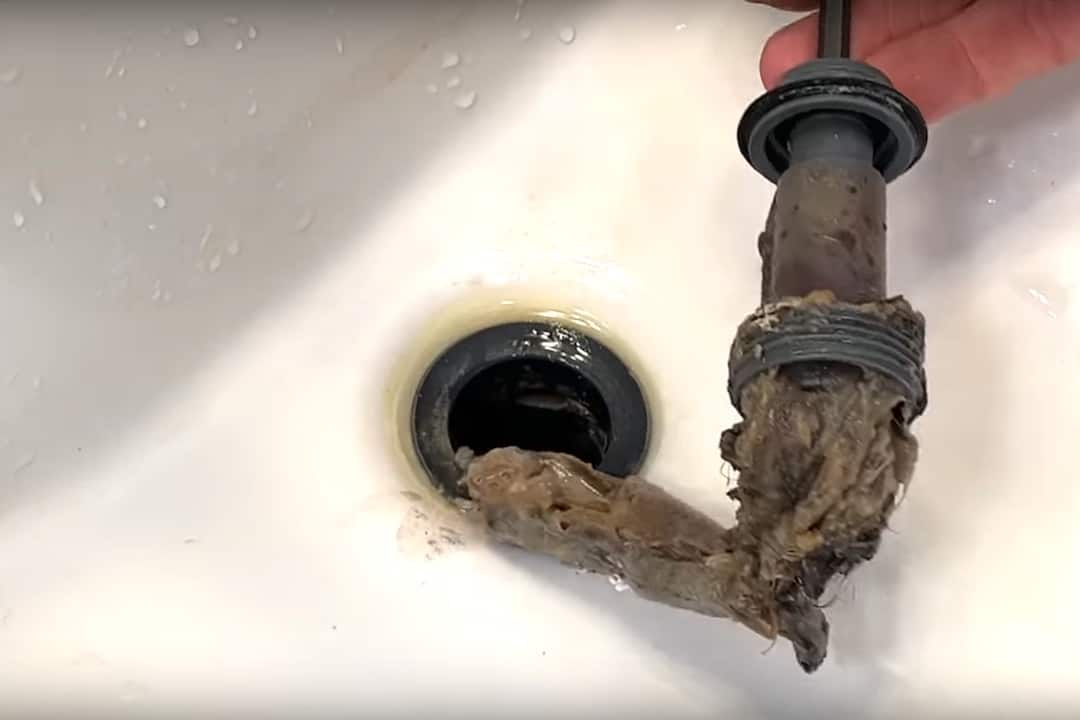
Before reaching for tools, visually inspect the drain opening. Remove any visible debris like hair, soap scum, or food particles. Use your fingers (protected with gloves!) to gently pull out any easily accessible obstructions. Do not push anything further down the drain.
DIY Solutions for Minor Clogs
Once you've diagnosed the problem and ruled out major issues, you can try these DIY solutions for minor clogs. Always start with the simplest methods and work your way up to more involved techniques.
Solution 1: Boiling Water (No Tools Required)
Boiling water is a simple and often effective way to dissolve grease and soap buildup. This method is best for kitchen sinks clogged with grease.
- Boil a kettle or pot of water.
- Slowly pour the boiling water down the drain in stages, allowing it to work its way through the clog.
- Wait a few minutes between pours to see if the water starts to drain.
- Repeat as needed.
Important: Do not use boiling water on PVC pipes or if you have a porcelain sink, as the heat can damage them. Use hot (but not boiling) tap water instead. Also, be extremely careful when handling boiling water to avoid burns.
Solution 2: Plunger (Requires a Plunger)
A plunger is a versatile tool for dislodging many types of clogs. There are two main types: cup plungers (for flat surfaces like sinks and tubs) and flange plungers (for toilets).
- For Sinks and Tubs: Make sure there's enough water in the sink or tub to cover the cup of the plunger. If necessary, add water.
- For Toilets: The toilet bowl should have enough water to cover the cup of the flange plunger.
- Position the plunger cup over the drain opening, ensuring a tight seal.
- Push and pull the plunger up and down vigorously for several minutes, maintaining the seal.
- Remove the plunger and see if the water drains.
- Repeat as needed.
If the plunger doesn't work after several attempts, try sealing the overflow drain with a wet cloth to create more suction. If you have a double kitchen sink, plug the other drain opening as well.
Solution 3: Baking Soda and Vinegar (No Tools Required)
The baking soda and vinegar method creates a natural fizzing action that can help break down clogs. This is a good alternative to harsh chemical drain cleaners.
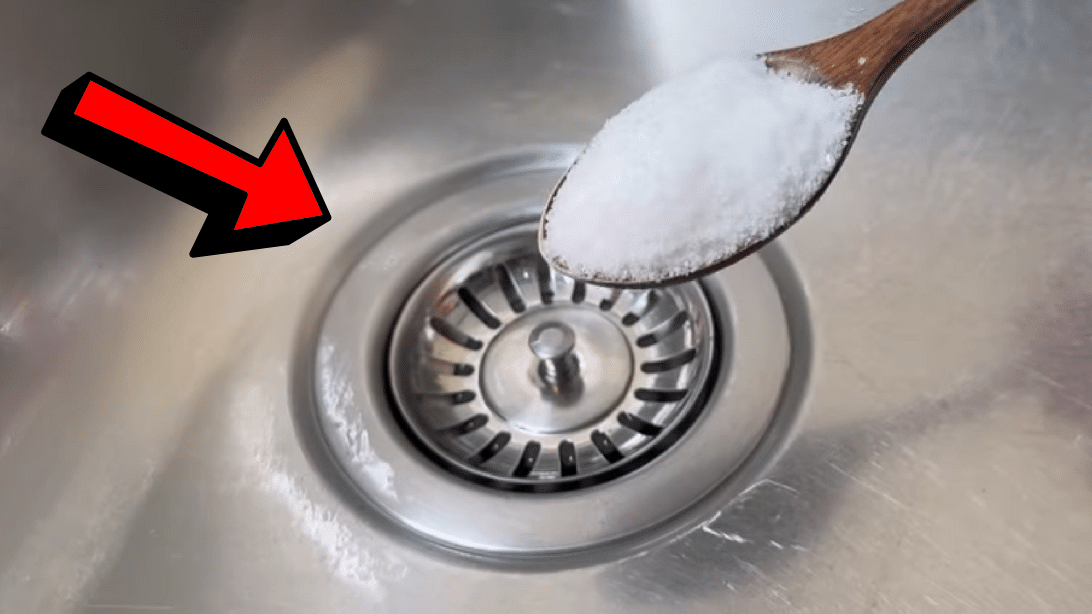
- Pour one cup of baking soda down the drain.
- Follow with one cup of vinegar.
- Let the mixture fizz for 30 minutes.
- Flush with hot water.
- Repeat as needed.
For tough clogs, you can try pouring a kettle of boiling water down the drain after the baking soda and vinegar have fizzed.
Solution 4: Bent Wire Hanger (Requires a Wire Hanger)
A bent wire hanger can be used to manually remove obstructions from the drain. Be careful not to scratch the porcelain.
- Straighten a wire hanger and bend one end into a small hook.
- Carefully insert the hooked end into the drain opening.
- Probe around to feel for the clog.
- Once you locate the clog, try to hook it and pull it out.
- Be patient and persistent, as it may take several attempts.
- After removing the clog, flush the drain with hot water.
Important: Be gentle when using a wire hanger to avoid pushing the clog further down the drain or damaging the drainpipe.
Solution 5: P-Trap Removal (Requires a Plunger and a Wrench (Optional))
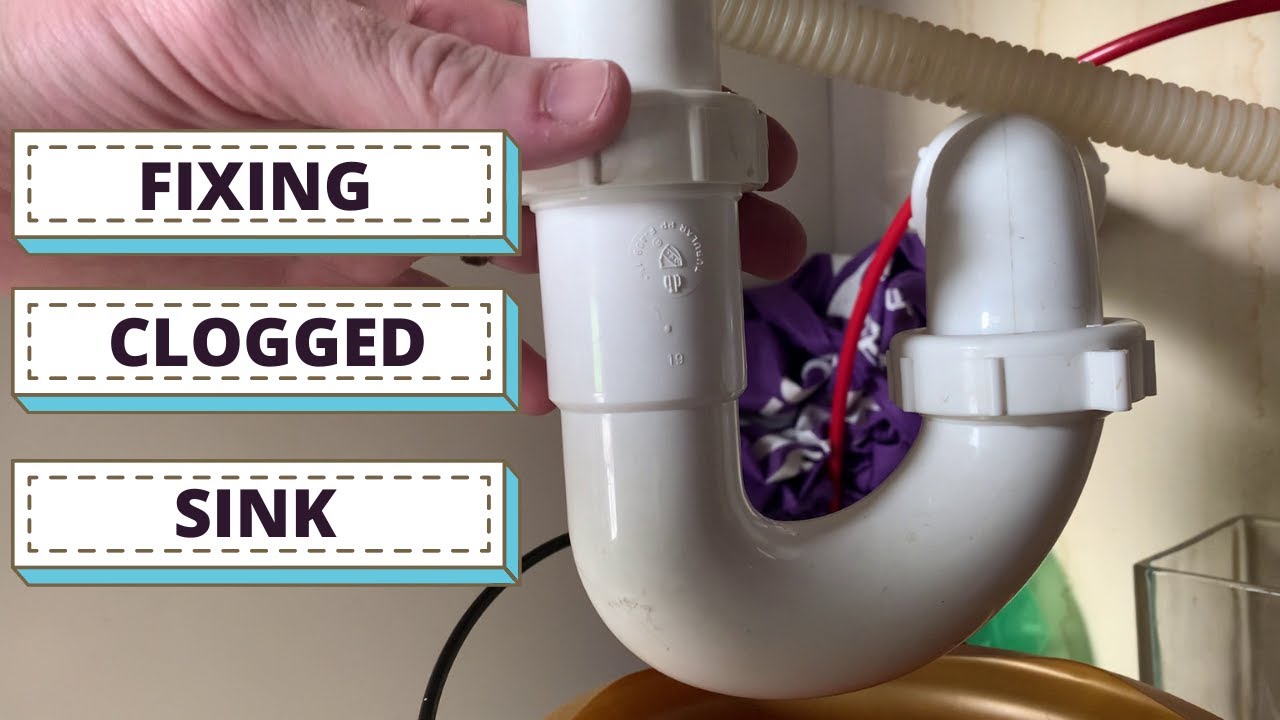
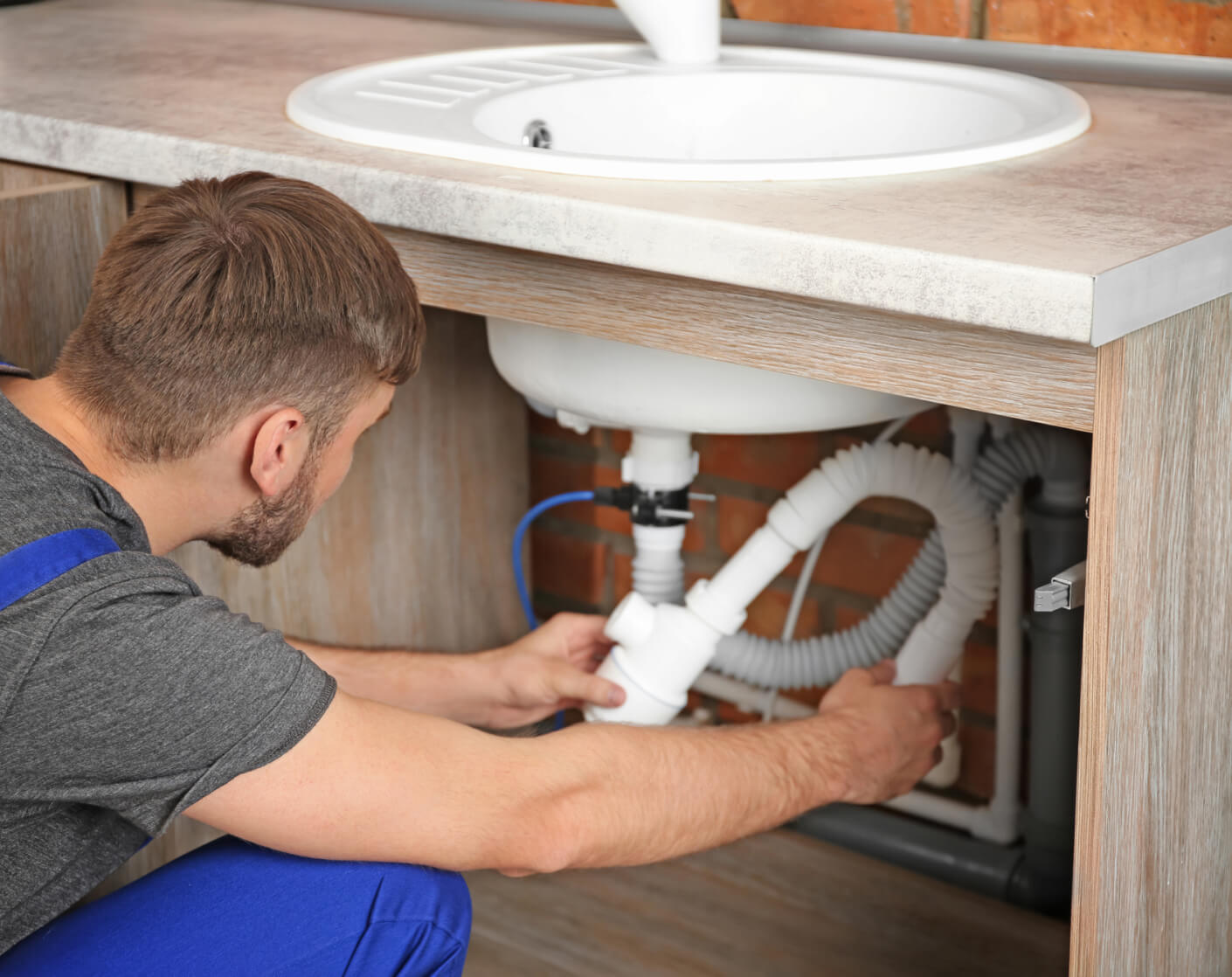
The P-trap is the U-shaped pipe located under most sinks. It's designed to trap debris and prevent sewer gases from entering your home. Sometimes, the clog is located right in the P-trap. Be prepared for some mess!
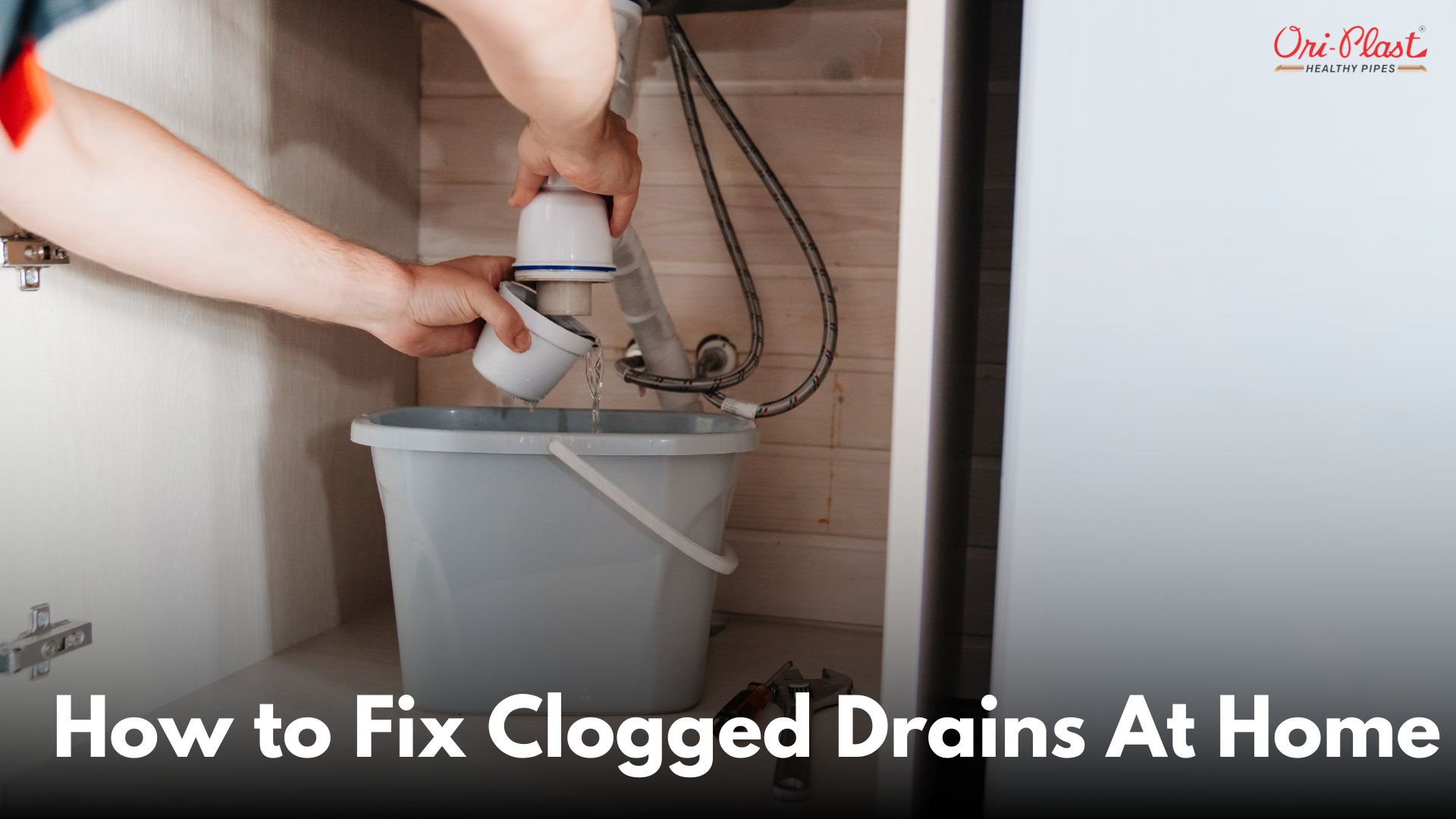
- Place a bucket or container under the P-trap to catch any water and debris.
- Loosen the slip nuts that connect the P-trap to the drain pipes. You may need a wrench for this, but often you can loosen them by hand.
- Carefully remove the P-trap, emptying its contents into the bucket.
- Inspect the P-trap for any clogs. Remove any debris you find.
- Flush the P-trap with water to ensure it's clear.
- Reassemble the P-trap, tightening the slip nuts securely.
- Run water to check for leaks.
Important: Make sure the rubber washers are properly seated when reassembling the P-trap to prevent leaks. If you encounter difficulty loosening the slip nuts, try using a pipe wrench. Be careful not to overtighten them, as this can damage the pipes.
When to Call a Professional Plumber
While many clogged drains can be resolved with DIY methods, there are situations where it's best to call a professional plumber. Attempting to fix complex plumbing issues yourself can lead to further damage and costly repairs.
Signs You Need a Plumber:
- Multiple drains are clogged: This often indicates a blockage in the main drain line, which requires specialized tools and expertise.
- You suspect a sewer line problem: Signs include sewage backup in drains, foul odors, and slow flushing toilets.
- You've tried several DIY methods without success: If you've exhausted the above solutions and the drain is still clogged, it's time to call a professional.
- You're uncomfortable working with plumbing: If you're not confident in your ability to diagnose and fix the problem, it's best to leave it to the experts.
- You notice signs of water damage: Leaks around pipes or water stains on walls and ceilings can indicate a serious plumbing problem.
Potential Risks of DIY Plumbing
Attempting DIY plumbing without the proper knowledge and tools can lead to several risks:
- Damaging pipes: Using excessive force or the wrong tools can crack or break pipes, leading to leaks and water damage.
- Creating leaks: Improperly tightening connections can result in leaks that can cause significant water damage over time.
- Contaminating your water supply: If you're not careful, you can introduce contaminants into your water supply, posing a health risk.
- Electrical hazards: If you're working near electrical wiring, you could be exposed to the risk of electric shock.
- Voiding your homeowner's insurance: Some insurance policies may not cover damage caused by DIY plumbing repairs.
What a Plumber Can Do
A professional plumber has the experience, tools, and knowledge to diagnose and fix even the most challenging drain clogs. They can:
- Use specialized tools like drain snakes and hydro-jetters to clear stubborn clogs.
- Inspect your plumbing system for underlying problems.
- Repair or replace damaged pipes.
- Ensure that your plumbing system meets all local codes and regulations.
Preventing Future Clogs
The best way to deal with clogged drains is to prevent them from happening in the first place. Here are some tips for keeping your drains clear:
- Avoid pouring grease down the drain: Grease solidifies as it cools, clogging pipes. Dispose of grease in a container and throw it away.
- Use a drain strainer: Drain strainers catch hair, food particles, and other debris before they enter the drain.
- Flush only toilet paper: Avoid flushing feminine hygiene products, diapers, and other non-flushable items.
- Run hot water after each use: This helps to flush away any remaining debris.
- Pour a mixture of baking soda and vinegar down the drain periodically: This helps to keep pipes clear.
- Have your drains professionally cleaned: Consider having your drains professionally cleaned every year or two to prevent buildup and clogs.
By following these tips and taking prompt action when you notice a slow-draining drain, you can keep your plumbing system running smoothly and avoid costly repairs.
Dealing with a clogged drain doesn't have to be a daunting task. By understanding the basics of diagnosis and utilizing simple DIY solutions, you can tackle many clogs yourself. However, knowing when to call a professional is just as important. Don't hesitate to seek help when you're unsure or when the problem is beyond your capabilities. A little preventative maintenance can also go a long way in keeping your drains clear and your plumbing system in top shape. Good luck!