How To Flush Your Ac Drain Line

Condensation is a natural byproduct of your air conditioning system working hard to keep you cool. As warm, humid air passes over the cold evaporator coil, water vapor condenses, dripping into a drain pan and flowing out through a drain line. However, this drain line can become clogged with algae, mold, dirt, and even small insects, leading to water backing up, potentially causing damage to your home and hindering your AC's performance. Preventative maintenance, specifically flushing the AC drain line, is essential. This guide provides instructions for homeowners, HVAC technicians, and facility managers.
Materials and Tools Needed
Before you begin, gather the necessary supplies. Having everything on hand will streamline the process and minimize potential delays. Here’s a comprehensive list:
- Wet/Dry Vacuum: This is the most effective tool for clearing drain lines. Choose a model with a hose adapter for smaller openings.
- Drain Line Adapter: A rubber adapter or duct tape will help create a tight seal between the vacuum hose and the drain line opening.
- Garden Hose: Useful for flushing the drain line with water, especially if the vacuum method doesn’t completely clear the blockage.
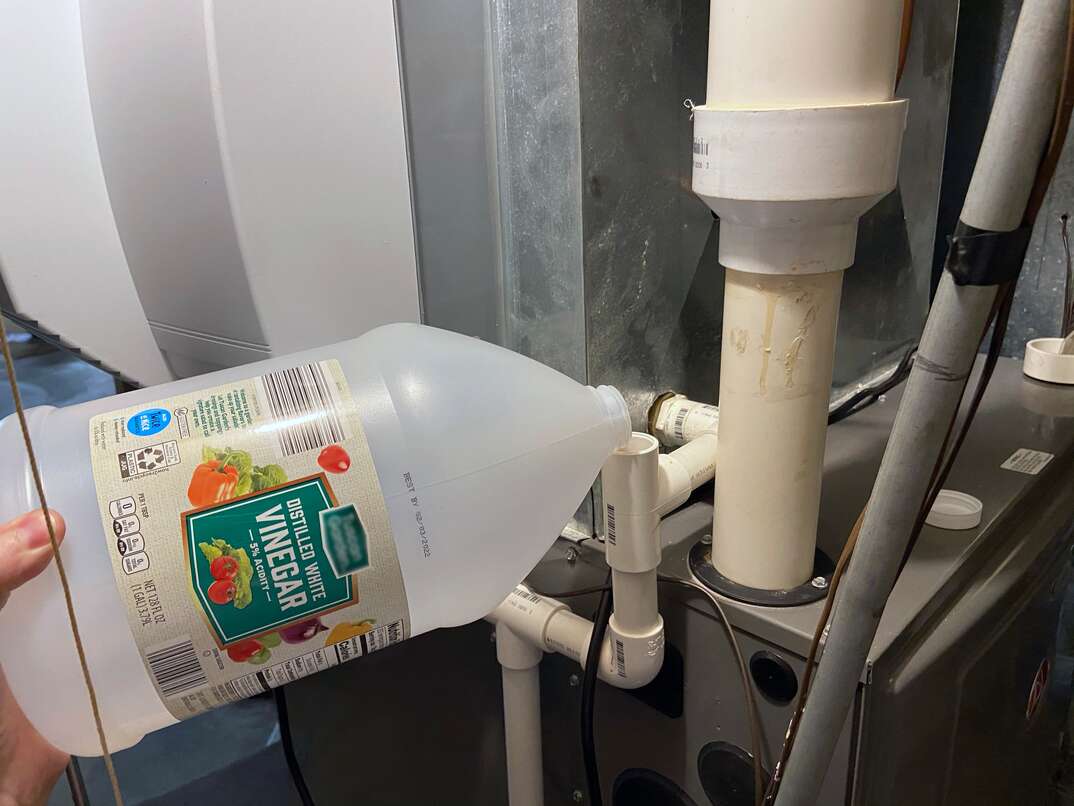
- Bleach or Vinegar: These are effective solutions for killing algae and mold in the drain line. White vinegar is a more environmentally friendly option.
- Funnel: A funnel will help you pour the cleaning solution into the drain line without spilling.
- Screwdriver or Wrench: You might need these to access the drain line opening, depending on your system's setup.
- Safety Glasses and Gloves: Protect your eyes and hands from potential contact with cleaning solutions and debris.
- Wire Brush or Stiff Bristled Brush: Can be useful to clean any debris that is easily visible.
- Flashlight or Headlamp: To provide light and better visibility especially when working in dark areas.
Locating the AC Drain Line
The first step is to find the AC drain line. Its location varies depending on the type of system and the building's layout. Here’s where to look:
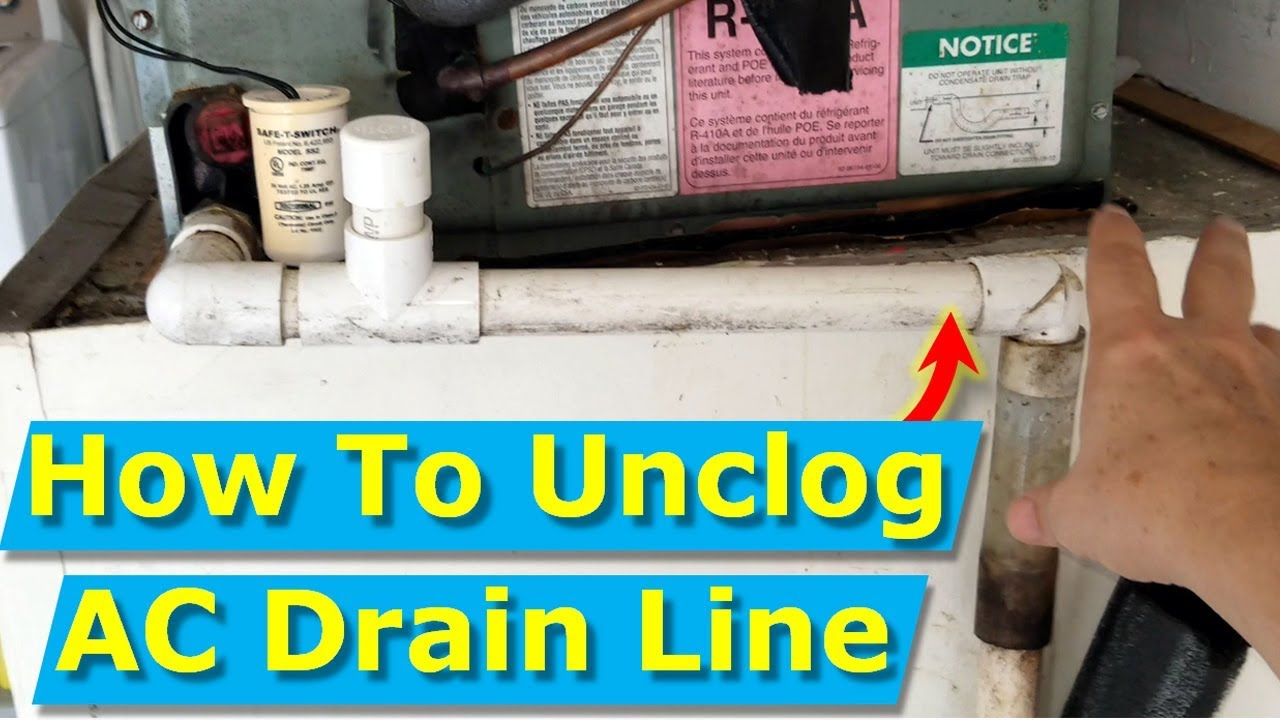
- Indoor Unit: The primary drain line usually exits the air handler unit located in your attic, basement, closet, or utility room. Look for a PVC pipe (typically ¾ inch or 1 inch in diameter) exiting the unit. This pipe often leads to an outside wall or into a floor drain.
- Outdoor Unit: Some systems, especially heat pumps in cooling mode, may have a secondary drain line near the outdoor unit. This is usually a smaller pipe and serves as an overflow in case the primary drain line is blocked.
- Condensate Pump: If your system uses a condensate pump (common in basements or areas where gravity drainage isn't possible), the drain line will exit the pump and connect to a plumbing drain.
Important Note: Once you’ve located the drain line, inspect it for any visible signs of blockage, such as algae growth or standing water in the drain pan.
Clearing the AC Drain Line with a Wet/Dry Vacuum
Using a wet/dry vacuum is the most effective method for clearing a clogged AC drain line. Follow these steps:
- Turn Off the AC System: Before you begin, switch off your AC system at the thermostat and the breaker to prevent any electrical hazards.
- Locate the Drain Line Opening: Find the end of the drain line where the water exits. This is usually outside your home or near a floor drain.
- Attach the Vacuum Hose: Securely attach the vacuum hose to the drain line opening. Use a drain line adapter or duct tape to create a tight seal. This is crucial to maximize suction and prevent air leaks.
- Seal Tightly: Ensuring the tightest seal possible between the vacuum hose and the drain line is paramount. The more airtight the seal, the more suction will be applied to the clog.
- Turn on the Vacuum: Turn on the vacuum and let it run for 15-20 minutes. The powerful suction should dislodge any debris blocking the line.
- Check for Suction: After a few minutes, check the drain pan near the indoor unit. If the vacuum is successfully clearing the clog, you should see water and debris being sucked into the vacuum.
- Repeat if Necessary: If the drain line is heavily clogged, you may need to repeat the process several times. Try pulsing the vacuum on and off to help break up the blockage.
- Detach the Vacuum: Once you’re confident the drain line is clear, turn off the vacuum and carefully detach the hose.
Flushing the Drain Line with Water
If the vacuum method doesn’t completely clear the blockage, flushing the drain line with water can help dislodge any remaining debris:
- Locate the Access Point: Find the access point to the drain line, usually near the indoor unit. This may be a T-shaped vent or a removable cap.
- Pour Water into the Drain Line: Using a funnel, carefully pour water into the drain line. Observe the water flow. If it drains quickly and smoothly, the line is likely clear. If the water backs up, there’s still a blockage.
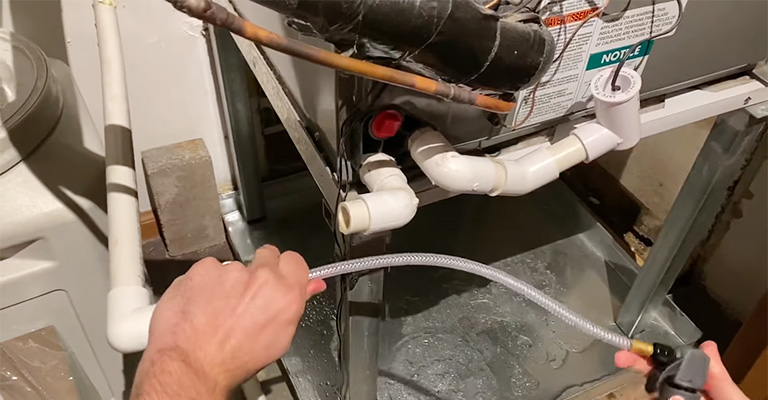
- Use a Garden Hose: If the water doesn't drain easily, attach a garden hose to the access point. Gently turn on the water, allowing it to flow through the drain line. The pressure from the hose can help dislodge stubborn debris.
- Monitor the Flow: Check the end of the drain line to ensure water is flowing freely and carrying away any debris.
Using Cleaning Solutions
To prevent future clogs, use a cleaning solution to kill algae and mold in the drain line:
- Prepare the Solution: Mix one cup of bleach (sodium hypochlorite) or white vinegar with one cup of water.
- Pour the Solution: Using a funnel, carefully pour the cleaning solution into the drain line through the access point near the indoor unit.
- Let it Sit: Allow the solution to sit in the drain line for at least 30 minutes to kill any algae and mold. For severe clogs, you can let it sit overnight.
- Flush with Water: After the soaking period, flush the drain line with water to remove any remaining cleaning solution and debris.
Reassembling and Testing the System
Once you’ve cleared and cleaned the drain line, reassemble any components you removed and test the system:
- Reassemble Components: Reattach any caps, vents, or other components you removed to access the drain line.
- Turn On the AC System: Turn on your AC system at the thermostat and the breaker.
- Monitor the Drain Line: Observe the drain line for any leaks or drips. Ensure water is flowing freely from the end of the drain line when the AC is running.
- Check the Drain Pan: Inspect the drain pan near the indoor unit to ensure it’s dry and there’s no standing water.
Preventative Maintenance
To prevent future clogs, incorporate these preventative maintenance tips into your routine:
- Flush the Drain Line Regularly: Flush the drain line with water and a cleaning solution (bleach or vinegar) every 3-6 months.
- Install a Drain Line Cap: Install a cap on the drain line opening to prevent insects and debris from entering.
- Use Drain Line Tablets: Place drain line tablets in the drain pan or access point to prevent algae and mold growth. These tablets slowly release chemicals that inhibit the growth of microorganisms.
- Professional Maintenance: Schedule regular professional HVAC maintenance to ensure your system is running efficiently and to catch any potential problems early.
Troubleshooting Common Issues
Here are some common issues you might encounter when flushing your AC drain line and how to troubleshoot them:
- Vacuum Not Creating Suction: Ensure you have a tight seal between the vacuum hose and the drain line opening. Check the vacuum hose for any cracks or leaks.
- Water Backing Up in the Drain Pan: This indicates a persistent clog. Repeat the flushing and cleaning process. If the problem persists, consult a professional HVAC technician.
- Leaks in the Drain Line: Inspect the drain line for any cracks or damage. Replace any damaged sections with new PVC pipe and fittings.
- No Water Flowing from the Drain Line: This could indicate a frozen evaporator coil. Turn off the AC system and allow the coil to thaw. Ensure proper airflow by cleaning or replacing the air filter.
Cost Considerations
Flushing your AC drain line is a relatively inexpensive maintenance task. The cost of materials (bleach, vinegar, drain line tablets) is minimal. If you choose to hire a professional HVAC technician, the cost can range from $75 to $200, depending on the severity of the clog and the technician's hourly rate.
Professional Assistance
While flushing your AC drain line is a manageable DIY task, there are times when professional assistance is necessary:
- Severe Clogs: If you’ve tried all the methods outlined above and the drain line remains clogged, it’s best to call a professional. They have specialized tools and expertise to handle stubborn blockages.
- Complex Systems: If you have a complex HVAC system with multiple drain lines or difficult-to-access components, it’s wise to hire a professional.
- Refrigerant Leaks: If you suspect a refrigerant leak, do not attempt to repair it yourself. Contact a licensed HVAC technician immediately.
- Lack of Experience: If you’re uncomfortable working with electrical components or plumbing, it’s best to leave the task to a professional.
Conclusion
Flushing your AC drain line is a crucial maintenance task that can prevent costly water damage, improve your AC's efficiency, and extend its lifespan. By following these steps and incorporating preventative measures into your routine, you can keep your system running smoothly and enjoy comfortable, efficient cooling. Whether you're a homeowner, HVAC technician, or facility manager, this guide provides the information you need to maintain a healthy and efficient AC system. Regular drain line maintenance helps prevent issues that could lead to premature system failure, refrigerant leaks (which are environmentally harmful and expensive to repair), and decreased energy efficiency. A well-maintained AC system not only keeps you comfortable but also saves you money on energy bills and repair costs.