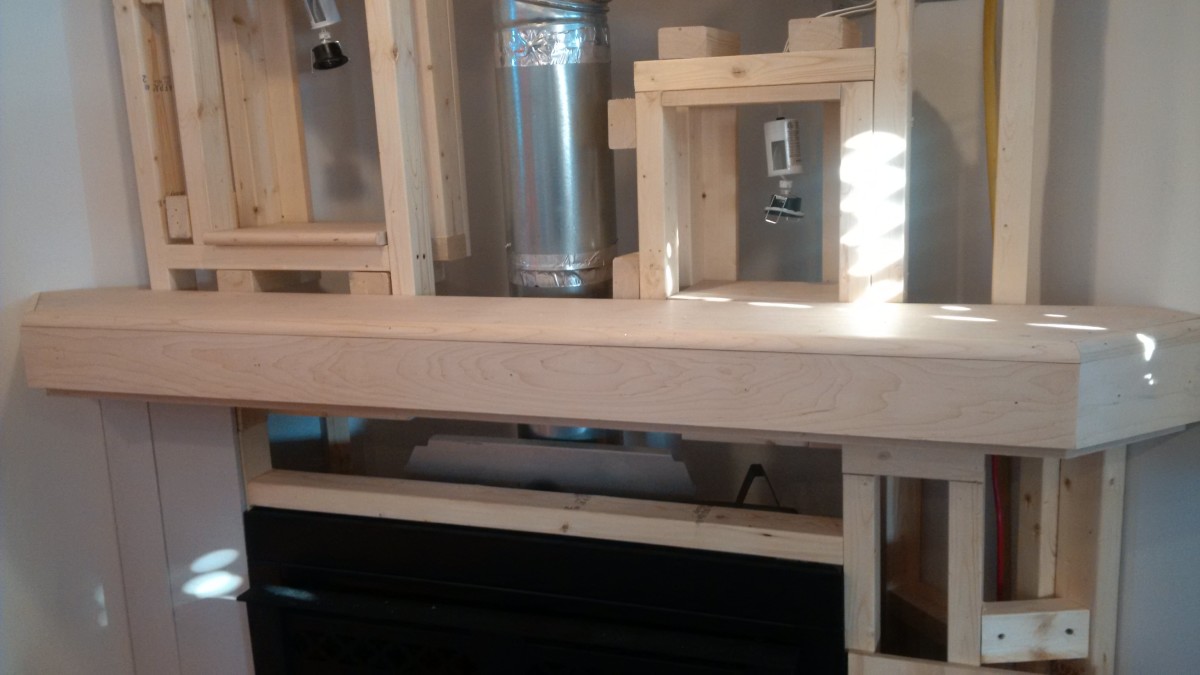
How To Frame A Gas Fireplace Surround
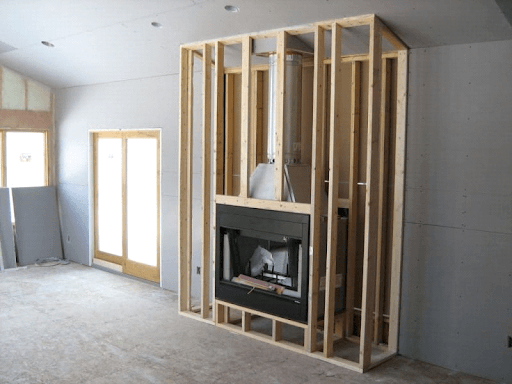
Frequently Asked Questions: Framing Your Gas Fireplace Surround
Framing a gas fireplace surround can dramatically enhance the look of your living space. This guide answers common questions to help you understand the process and ensure a safe and aesthetically pleasing outcome.
Q: What is the purpose of framing a gas fireplace surround?
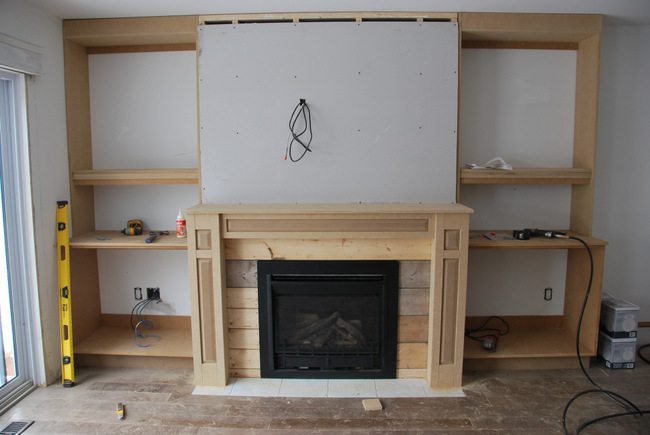
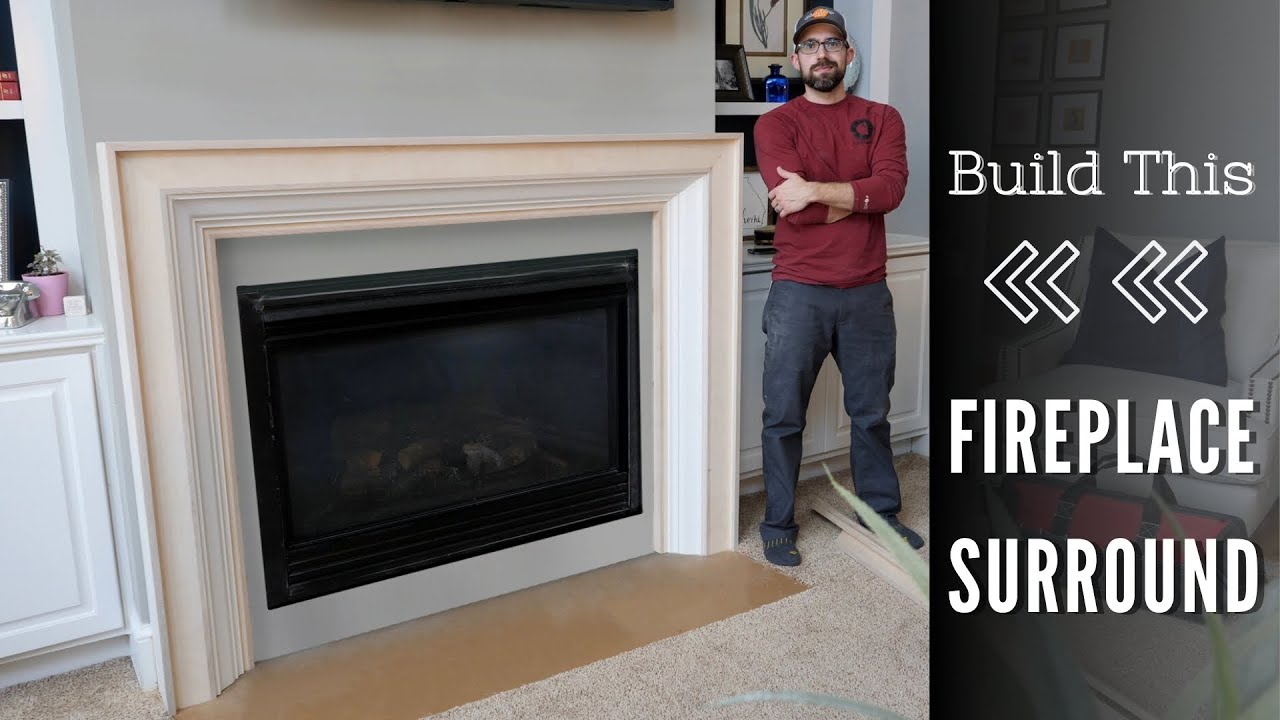
The primary purpose of framing a gas fireplace surround is to create a safe and decorative structure around the firebox. This frame provides a surface for attaching finishing materials like stone, tile, wood, or other aesthetically pleasing options. The frame also helps maintain the required clearances between the fireplace and combustible materials, ensuring fire safety. Finally, it allows you to integrate the fireplace seamlessly into your room's design.
Q: Can I use standard wood framing materials around a gas fireplace?
No, not without taking precautions! Most gas fireplaces require specific clearances from combustible materials, including standard lumber. Always refer to your fireplace manufacturer's installation manual for precise clearance requirements. In many cases, you'll need to use non-combustible framing materials like metal studs, or create a sufficient air gap between the fireplace and the wood framing, often combined with a heat shield. Ignoring these clearances is a serious fire hazard.
Q: What are the key steps involved in framing a gas fireplace surround?
Here's a breakdown of the main steps:
- Planning & Design: Determine the desired look, dimensions, and materials for your surround. Sketch out your design and ensure it adheres to all manufacturer-specified clearances.
- Gathering Materials: Collect all necessary materials, including framing lumber (or metal studs), fasteners (screws, nails), measuring tools, a level, a saw, and any safety equipment (gloves, eye protection). Remember to select appropriate non-combustible materials if required by the fireplace manufacturer.
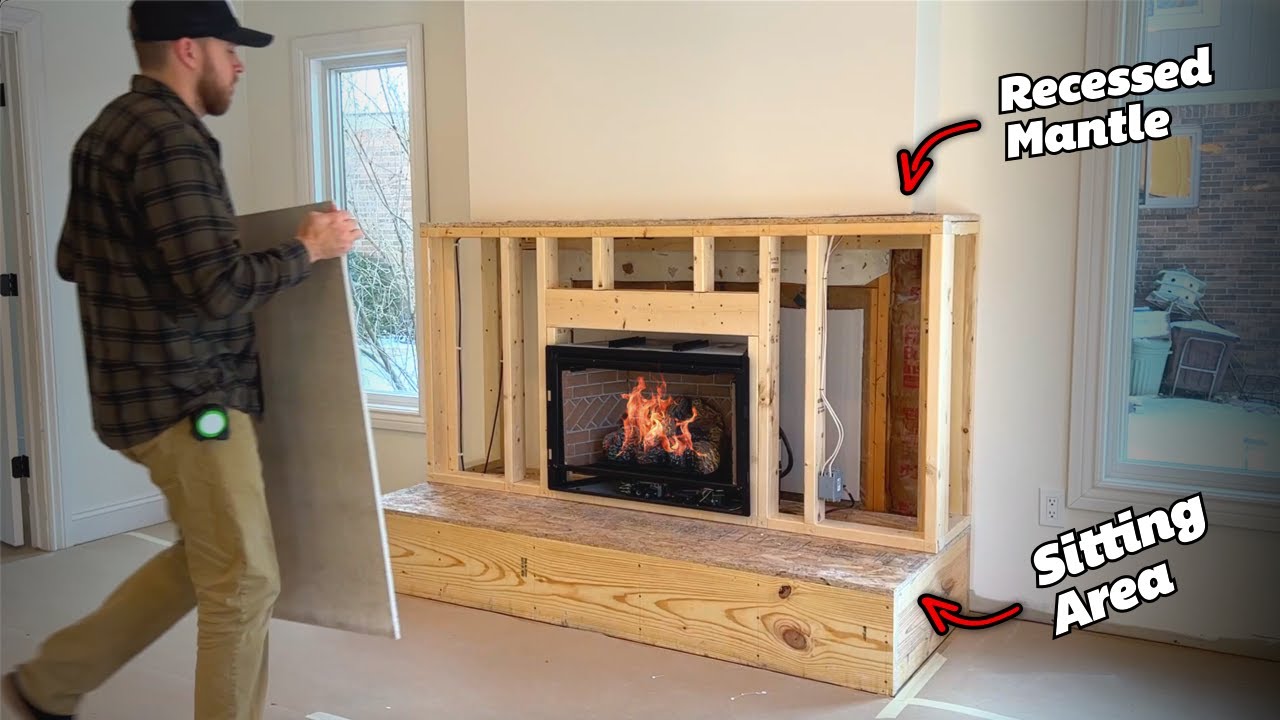
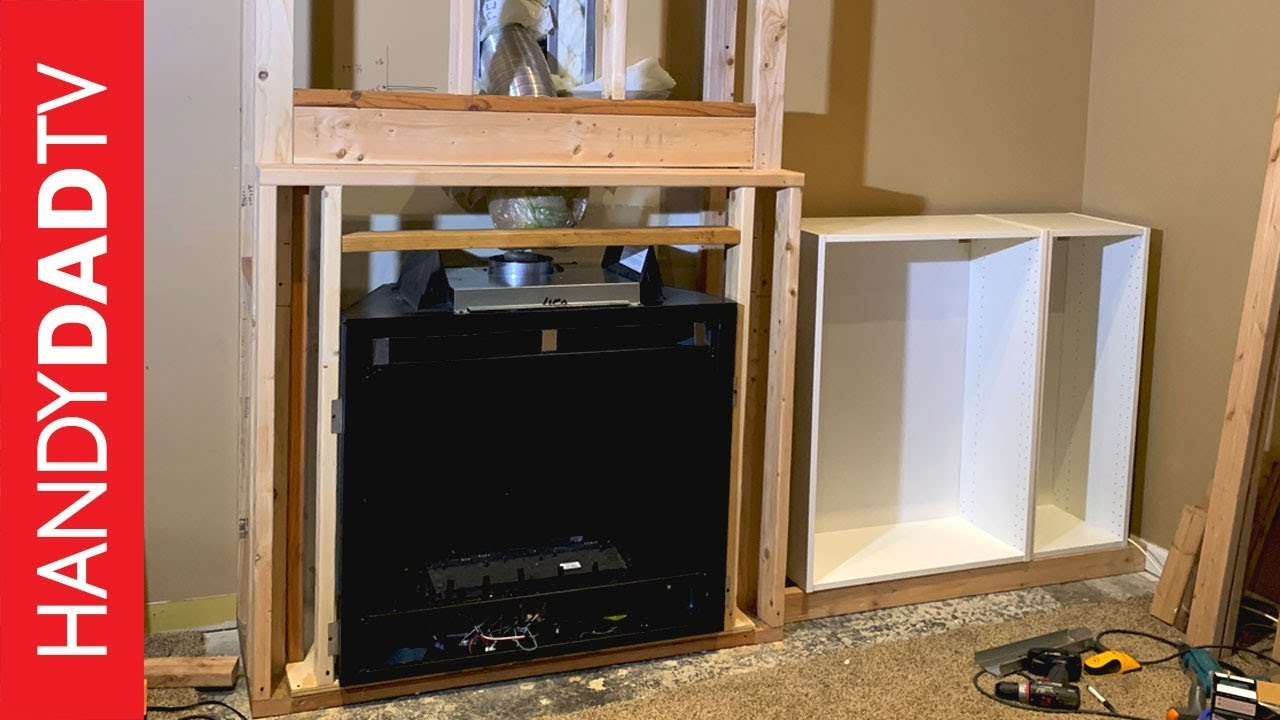
- Building the Frame: Construct the frame according to your design, ensuring it is square, level, and securely fastened. Pay close attention to the required clearances around the firebox.
- Installing Heat Shielding (if needed): Based on the manufacturer's instructions, install heat shielding materials on the framing if combustible materials are used near the firebox.
- Attaching the Surround Material: Once the frame is complete and inspected, attach your chosen surround material (stone, tile, wood, etc.) using appropriate adhesives and fasteners.
- Finishing Touches: Add any finishing touches, such as trim, grout (if tiling), or paint.
- Inspection: Always have your work inspected by a qualified professional to ensure it meets local building codes and the fireplace manufacturer's requirements.
Q: What tools will I need to frame a gas fireplace surround?
The tools you'll need will vary depending on the framing materials you choose (wood or metal studs) and the finishing materials you'll be using for the surround. However, a basic toolkit should include:
- Measuring Tape: Essential for accurate measurements.
- Level: To ensure the frame is perfectly level and plumb.
- Square: For creating accurate right angles.
- Pencil: For marking measurements.
- Saw: For cutting lumber or metal studs (a circular saw, miter saw, or reciprocating saw works well for wood; metal studs require metal-cutting blades or shears).
- Drill/Driver: For screwing in fasteners.
- Fasteners: Screws, nails, or appropriate fasteners for metal studs.
- Safety Glasses: To protect your eyes from debris.
- Gloves: To protect your hands.
- Stud Finder: To locate existing wall studs for anchoring the frame (if applicable).
- Heat-Resistant Gloves: When working close to the firebox.
Additional tools might be necessary depending on the complexity of the design and the materials being used. For instance, a tile saw is required for cutting tiles or a stone saw for cutting stone veneer.
Q: How do I determine the correct clearances for my gas fireplace?
The most important resource for determining the correct clearances is the installation manual that came with your gas fireplace. This manual provides detailed diagrams and specifications for the required distances between the firebox and any combustible materials. These clearances are typically measured from the sides, top, and front of the firebox. If you've misplaced the manual, you can often find a digital copy on the manufacturer's website by searching for your fireplace model number. Never assume clearances; always consult the manufacturer's documentation. Also, ensure compliance with local building codes, which may have additional requirements.
Q: What are some common mistakes to avoid when framing a gas fireplace surround?
Avoiding these common mistakes can save you time, money, and potential safety hazards:
- Ignoring Clearance Requirements: This is the most critical mistake. Always adhere to the manufacturer's specified clearances from combustible materials.
- Improper Fastening: Ensure the frame is securely fastened to the wall or floor to prevent it from shifting or collapsing. Use appropriate fasteners for the materials you're working with.
- Not Building Square and Level: An un-square or un-level frame will make it difficult to attach the surround material and will result in an unprofessional look.
- Using Incorrect Materials: Using combustible materials where non-combustible materials are required is a significant safety risk.
- Poor Planning: Failing to plan the design and dimensions carefully can lead to mistakes and rework.
- Skipping Heat Shielding: If combustible materials are within the required clearances, installing proper heat shielding is essential.
- Forgetting Ventilation: Ensure proper ventilation around the fireplace, as specified by the manufacturer. Blocking vents can lead to overheating and malfunction.
- Neglecting Building Codes: Always check with your local building department to ensure your project complies with all applicable codes and regulations.
Q: Should I hire a professional to frame my gas fireplace surround?
The decision to hire a professional depends on your skill level, experience, and comfort level with construction projects. If you're comfortable with basic carpentry and have a good understanding of building codes and safety procedures, you may be able to handle the project yourself. However, if you're unsure about any aspect of the process, it's always best to hire a qualified professional. A professional can ensure that the frame is built correctly, safely, and in compliance with all applicable codes and regulations. They can also help you choose the right materials and design for your surround.
Consider hiring a professional if:
- You lack experience in carpentry or construction.
- You're unsure about the required clearances or building codes.
- The project is complex or involves structural modifications.
- You want to ensure the job is done correctly and safely.
- You are unfamiliar with working with non-combustible materials, or proper heat shield installation.
Remember that safety is paramount when working with gas appliances. If you have any doubts, err on the side of caution and hire a professional.