How To Get Fiberglass Out Of Hand

Fiberglass, a common material used in insulation, boats, and various composite products, can cause significant skin irritation when its tiny fibers embed themselves in your skin. Getting fiberglass in your hand is an uncomfortable experience, but with the right techniques and patience, you can effectively remove it and relieve the itchiness.
Understanding the Enemy: Fiberglass and Your Skin
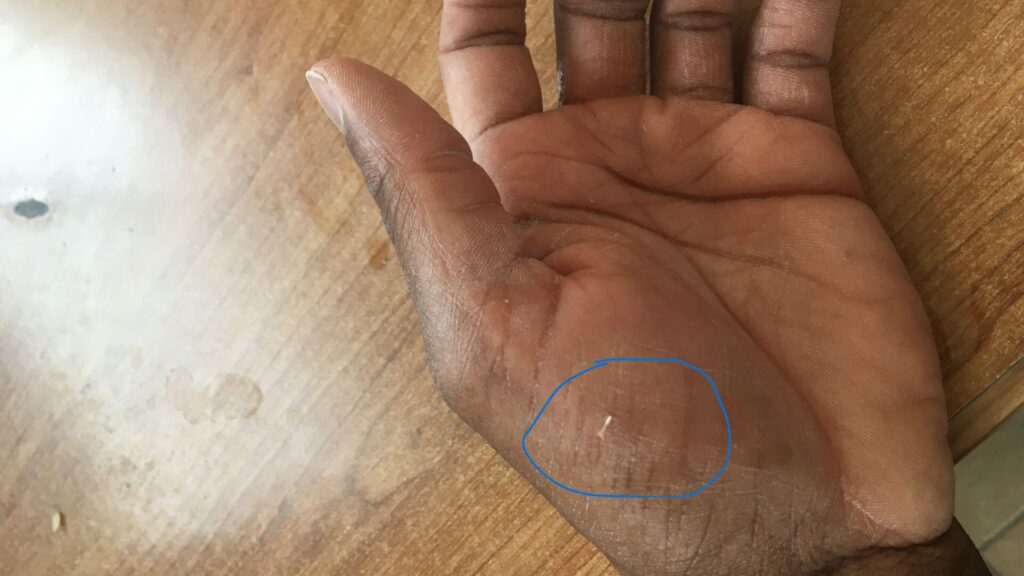
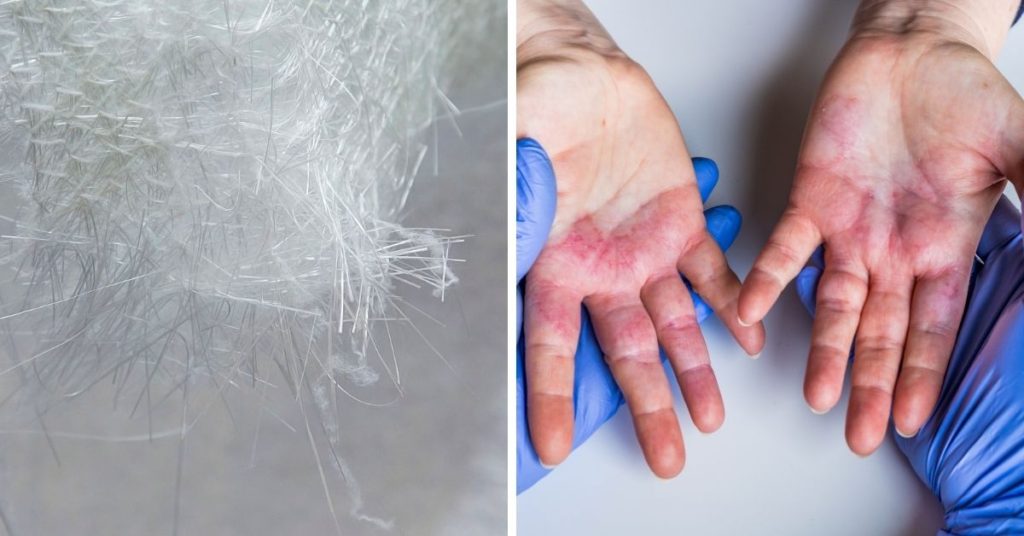
Fiberglass isn't actually glass in the traditional sense. It's made of fine strands of glass-like materials. When these strands break, they form microscopic needles. These needles are what cause the intense itching and irritation when they penetrate the skin. Think of them like tiny splinters, but made of glass instead of wood. The body reacts to these foreign objects by triggering an inflammatory response, leading to redness, itching, and sometimes even a rash.
The severity of the irritation depends on several factors: the size and number of fibers, the individual's sensitivity, and the duration of exposure. Some people are more sensitive to fiberglass than others. Repeated exposure can also worsen the reaction.
Immediate Actions: First Response is Key
The moment you suspect fiberglass has entered your skin, take these immediate steps:
1. Avoid Rubbing or Scratching
This is *crucial*. Rubbing or scratching will only drive the fibers deeper into the skin and spread them to other areas. It will significantly worsen the problem. Resist the urge to itch, no matter how intense it is.
2. Tape: The First Line of Defense
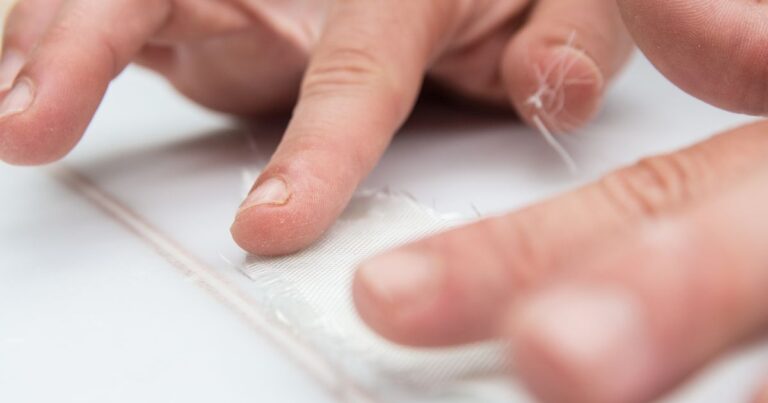
Use adhesive tape, such as duct tape, packing tape, or even masking tape. Cut a piece of tape slightly larger than the affected area. Gently press the tape onto the skin, ensuring good contact. Then, quickly and firmly peel the tape off. Repeat this several times, using a fresh piece of tape each time. The adhesive on the tape will help lift the fibers out of the skin. Think of the tape as a "fiberglass magnet," pulling the irritating particles away.
3. Wash with Cool Water (Important: Cool, Not Hot!)
Rinse the affected area with cool water. Do not use hot water! Hot water will open your pores, allowing the fibers to penetrate deeper into the skin. Cool water helps keep the pores closed, preventing further penetration. Gently pat the area dry with a soft towel; avoid rubbing.
Advanced Techniques: When Tape Isn't Enough
If the tape method doesn't remove all the fibers, or if the irritation persists, try these techniques:
1. White Glue: A Gentle Exfoliation
Apply a thin layer of white glue (like Elmer's glue) to the affected area. Allow it to dry completely. As the glue dries, it will encase the fiberglass fibers. Once dry, gently peel the glue off. This process acts as a gentle exfoliant, removing the superficial layer of skin along with the embedded fibers.
2. Baking Soda Paste: A Natural Remedy
Mix baking soda with a small amount of water to create a paste. Apply the paste to the affected area and let it dry. Baking soda has mild abrasive properties that can help dislodge the fibers. After the paste has dried, gently rinse it off with cool water.
3. Vegetable Oil: Soothing and Lubricating
Apply a liberal amount of vegetable oil (olive oil, coconut oil, etc.) to the affected area. The oil will help lubricate the skin and make it easier for the fibers to work their way out. It can also help soothe the irritation and reduce itching. Gently massage the oil into the skin for a few minutes. Afterward, rinse with cool water.
4. Tweezers: A Last Resort (Use with Caution!)
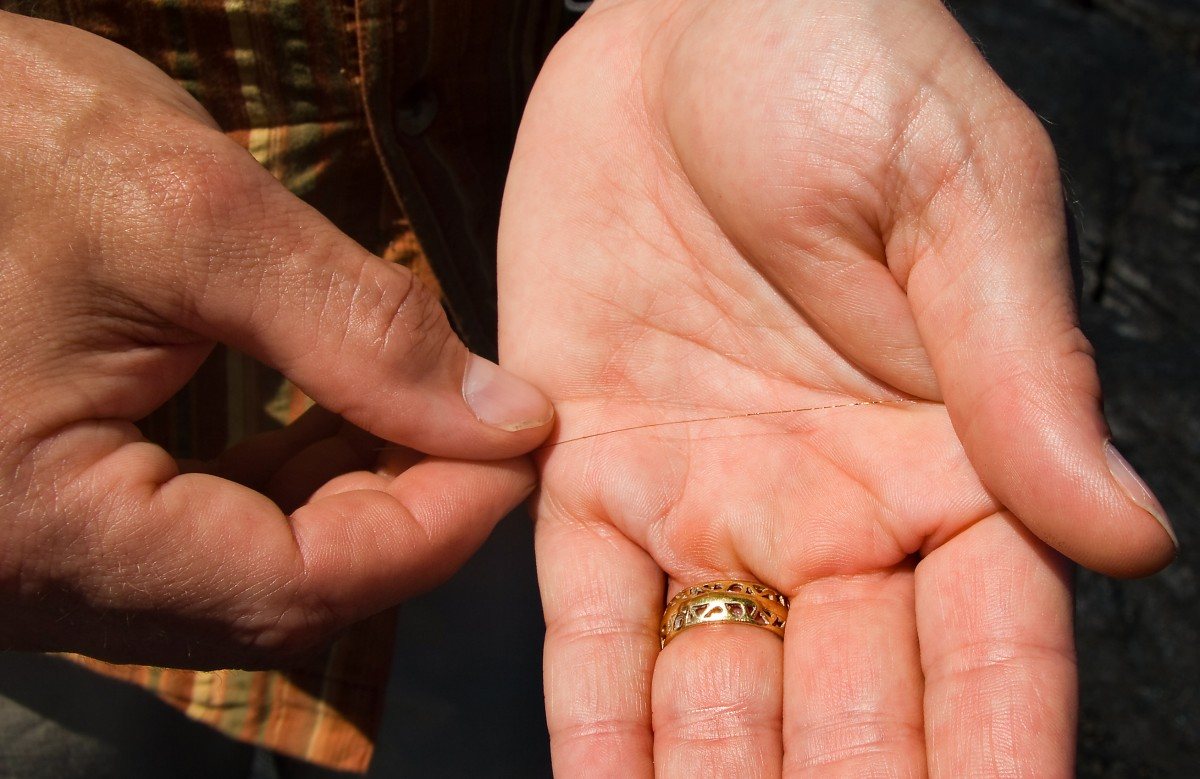
Using tweezers to remove fiberglass is generally not recommended unless you can clearly see a visible fiber protruding from the skin. If you attempt to use tweezers, be extremely careful not to break the fiber, as this will make it even more difficult to remove. Sterilize the tweezers with rubbing alcohol before use. If you can't easily grasp the fiber, it's best to avoid using tweezers, as you risk pushing the fiber deeper into the skin.
Post-Removal Care: Soothing the Irritation
After you've removed the fiberglass, it's important to soothe the irritated skin. Here are some helpful tips:
1. Cool Compresses
Apply cool compresses to the affected area to reduce inflammation and itching. Soak a clean cloth in cool water and apply it to the skin for 15-20 minutes at a time, several times a day.
2. Calamine Lotion
Calamine lotion is a classic remedy for itchy skin. It contains zinc oxide, which helps to soothe and protect the skin. Apply calamine lotion liberally to the affected area as needed.
3. Antihistamine Cream or Oral Antihistamines
An antihistamine cream, such as diphenhydramine (Benadryl) cream, can help relieve itching and reduce the allergic reaction. Oral antihistamines can also be taken to reduce itching, but be aware that they may cause drowsiness. Always follow the instructions on the medication label.
4. Corticosteroid Cream (Use with Caution)
A corticosteroid cream, such as hydrocortisone cream, can help reduce inflammation and itching. However, it should be used sparingly and only for a short period of time, as it can have side effects. Consult with a doctor or pharmacist before using a corticosteroid cream, especially if you have any underlying skin conditions.
5. Moisturizer
Keep the skin moisturized to prevent dryness and further irritation. Use a fragrance-free, hypoallergenic moisturizer several times a day.
Prevention is Better Than Cure: Protecting Yourself from Fiberglass
The best way to deal with fiberglass is to avoid getting it on your skin in the first place. Here are some preventative measures you can take:
1. Wear Protective Clothing
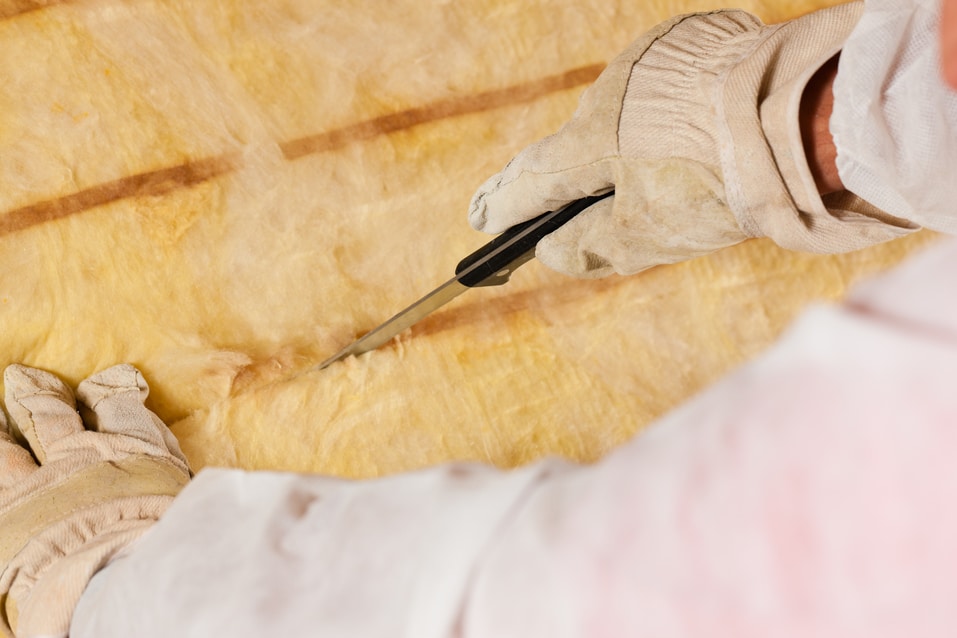
When working with fiberglass, wear long sleeves, long pants, gloves, and a hat to cover as much skin as possible. Consider wearing disposable clothing that you can discard after use.
2. Use a Respirator or Dust Mask
Fiberglass particles can also be inhaled, causing respiratory irritation. Wear a respirator or dust mask to protect your lungs.
3. Work in a Well-Ventilated Area
Ensure adequate ventilation to reduce the concentration of fiberglass particles in the air.
4. Wash Clothing Separately
Wash clothing that has been exposed to fiberglass separately from other laundry. Use hot water and a strong detergent. Consider running the washing machine through an extra rinse cycle.
5. Vacuum Regularly
Vacuum work areas regularly to remove fiberglass debris. Use a vacuum with a HEPA filter to prevent the particles from being re-circulated into the air.
When to See a Doctor: Recognizing Serious Reactions
In most cases, fiberglass irritation can be treated at home. However, it's important to see a doctor if you experience any of the following:
- Severe rash or blistering: This could indicate a more serious allergic reaction.
- Difficulty breathing or swallowing: This could be a sign of anaphylaxis, a life-threatening allergic reaction.
- Signs of infection: Such as redness, swelling, pus, or fever.
- Persistent itching that doesn't improve with home treatment: A doctor may be able to prescribe stronger medications.
Remember, if you are ever concerned about your health, it's always best to seek professional medical advice.
Dealing with fiberglass in your skin can be frustrating, but by following these steps, you can effectively remove the fibers, soothe the irritation, and prevent future occurrences. Always prioritize safety and take the necessary precautions when working with fiberglass.