How To Get More Heat From Fireplace Insert
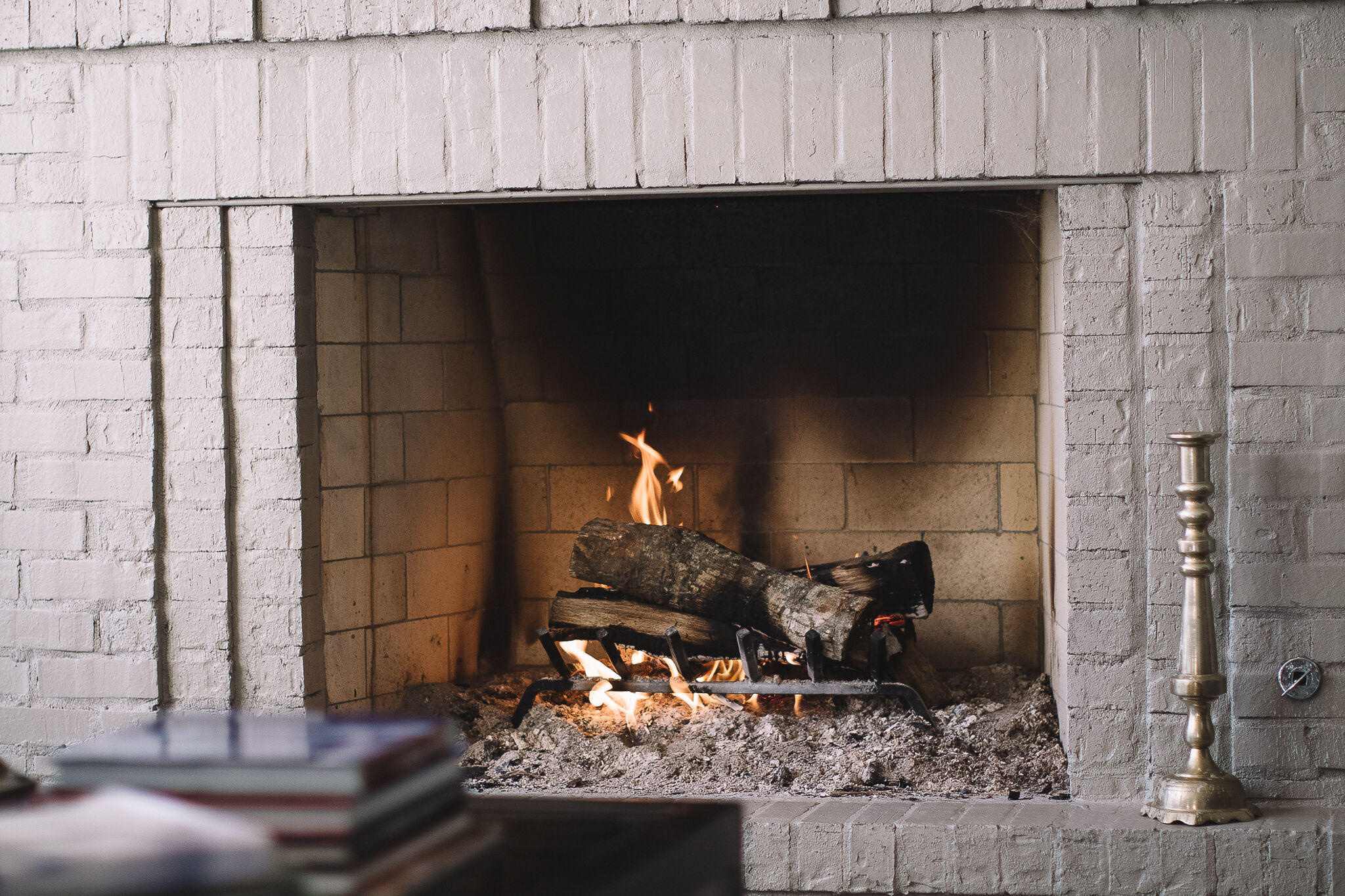
Many homeowners invest in a fireplace insert hoping for a significant boost in supplemental heat. However, it's frustrating when your insert seems to be underperforming, leaving you feeling chilly despite the flames. Don't worry, you're not alone! A fireplace insert that's not putting out enough heat is a common problem with several potential solutions. Before calling in a professional, let's walk through a systematic troubleshooting process you can do yourself.
Diagnosis: Why Isn't My Fireplace Insert Heating?
First, let's identify the likely culprits. A lack of heat can stem from several factors, ranging from improper operation to underlying mechanical issues. We'll break it down step-by-step.
1. Fuel Quality and Burning Practices
The quality of your wood is paramount. Wet or unseasoned wood is a very common problem. Green wood contains a high moisture content, requiring significant energy to evaporate that moisture before it can truly burn and produce heat. This results in a cooler, smokier fire and less overall heat output.
How to diagnose: Visually inspect your firewood. It should be dry, lightweight, and have cracks at the ends. When you knock two pieces together, they should sound hollow. If it feels heavy or damp, it's likely too green. Also, observe the fire itself. A fire struggling to burn, producing excessive smoke, and leaving behind a lot of creosote is a sign of wet wood.
DIY Fix: Only burn seasoned firewood. Ideally, firewood should be seasoned for at least six months, and preferably a year or more, in a dry, well-ventilated location. Store your wood off the ground, covered on top but with open sides to allow air circulation. If your wood is wet, you'll need to replace it with seasoned wood.
Burning Practices: The way you build and maintain your fire also greatly impacts heat output. Cramming too much wood into the insert at once can smother the flames and reduce efficiency. Similarly, not enough airflow can stifle the fire.
How to diagnose: Observe the fire. Is it struggling to breathe? Are the logs tightly packed together? Is there a thick layer of ash smothering the embers?
DIY Fix: Learn proper fire-building techniques. Start with a base of kindling and gradually add larger pieces of wood, leaving space for air to circulate. Maintain a good bed of hot embers. Rake away excess ash regularly. Experiment with different fire-building methods, such as the top-down method, to find what works best for your insert. Adjust the air controls on your insert to provide sufficient oxygen to the fire.
2. Airflow and Ventilation
Proper airflow is critical for efficient combustion. The insert needs adequate oxygen to burn hot and clean. Blocked air inlets or a poorly functioning chimney can severely restrict airflow.
How to diagnose: Check the air intakes on your insert. Are they blocked by dust, debris, or ash? Observe the draft. Does the smoke rise quickly and efficiently up the chimney, or does it linger or spill into the room when you open the insert door slightly?
DIY Fix: Clean the air intakes regularly with a vacuum cleaner or brush. Ensure there are no obstructions blocking the vents around the insert. Make sure your chimney damper is fully open. If you suspect a chimney blockage, this requires professional cleaning and inspection (see below).
Another Airflow Consideration: Blower Operation: Many fireplace inserts have a blower fan to circulate warm air into the room. If the blower isn't working correctly, the heat will remain trapped within the insert itself.
How to diagnose: Check if the blower is running. If it's not, check the power cord and outlet. Listen for unusual noises from the blower motor, which could indicate a failing motor.
DIY Fix: Ensure the blower is plugged in and the outlet is working. Try a different outlet to rule out electrical problems. If the blower is running but weakly, clean the blower fan blades and surrounding areas of dust and debris. A build-up of dust can significantly reduce airflow. If the blower motor is making loud noises or not running at all, it likely needs to be replaced. *While some homeowners may be comfortable replacing a blower motor themselves, it is highly recommended to hire a professional to do so*.
3. Insert Maintenance and Cleaning
Like any appliance, a fireplace insert requires regular maintenance to function optimally. A dirty insert or chimney can significantly reduce efficiency and heat output.
How to diagnose: Inspect the inside of the insert. Is there a significant build-up of ash, creosote, or other debris? When was the last time your chimney was professionally cleaned?
DIY Fix: Regularly remove ash from the firebox. Use a shovel and metal container to carefully remove the ash. Be sure to dispose of the ash properly, as it can contain hot embers. Follow the manufacturer's instructions for cleaning the glass door of the insert. Use a specialized glass cleaner designed for fireplace inserts. Never use abrasive cleaners, as they can scratch the glass.
4. Door Seal Integrity
A properly sealed door is essential for maintaining efficient combustion and preventing air leaks. Damaged or worn door seals can allow cold air to enter the firebox, cooling the fire and reducing heat output.
How to diagnose: Visually inspect the door seal (gasket) around the perimeter of the insert door. Look for cracks, gaps, or areas where the seal is compressed or missing. Another test is the "dollar bill test." Place a dollar bill between the door and the insert frame and close the door. Try to pull the dollar bill out. If it comes out easily, the seal is not tight enough.
DIY Fix: Replace worn or damaged door seals. You can purchase replacement gasket material from a fireplace supply store. Carefully remove the old gasket and clean the area thoroughly. Apply the new gasket according to the manufacturer's instructions. Ensure the new gasket is properly seated and compressed to create a tight seal. *Consulting with a professional, or having them handle the replacement, is advised.*
5. Chimney Draft Issues
A strong, consistent draft is crucial for drawing smoke and combustion gases up the chimney and providing fresh air to the fire. Problems with the chimney can severely impact the insert's performance.
How to diagnose: Observe the smoke coming from the chimney. Is it thin and wispy, or thick and billowing? Does the smoke rise straight up, or does it drift downwards or linger near the chimney opening? A downdraft can push smoke back into the room.
DIY Fix: Ensure there are no obstructions near the chimney opening, such as tree branches or nearby buildings, that could be interfering with the draft. Making sure your chimney is at least 2 feet taller than the highest point of your roof or anything within 10 feet of it could help the chimney produce the correct draft.
When to Call a Professional
While many of these troubleshooting steps can be done yourself, there are certain situations where it's essential to call in a qualified professional.
- Chimney Blockage: If you suspect a chimney blockage, do not attempt to clear it yourself. A professional chimney sweep has the tools and expertise to safely remove obstructions and inspect the chimney for damage.
- Damaged Chimney Liner: A damaged or deteriorated chimney liner can be a serious fire hazard. A professional inspection can identify liner problems and recommend appropriate repairs.
- Persistent Draft Issues: If you've tried the DIY solutions and are still experiencing draft problems, a professional can diagnose the underlying cause and recommend solutions, such as installing a chimney cap or extending the chimney.
- Gas Insert Malfunctions: For gas fireplace inserts, any issues with the gas valve, pilot light, or other gas components should be addressed by a qualified gas technician. Never attempt to repair gas appliances yourself.
- Complex Mechanical Problems: If you suspect a problem with the insert's internal components, such as the blower motor or control board, it's best to consult a professional for diagnosis and repair.
Safety is always the top priority. If you are uncomfortable performing any of these tasks or suspect a serious problem, don't hesitate to call a qualified professional.
By following these troubleshooting steps, you can often diagnose and resolve common issues that cause a fireplace insert to underperform. Remember to prioritize safety and consult a professional when needed. With a little effort, you can enjoy the warmth and comfort of your fireplace insert all winter long.