How To Get Rid Of Mold In Ducts
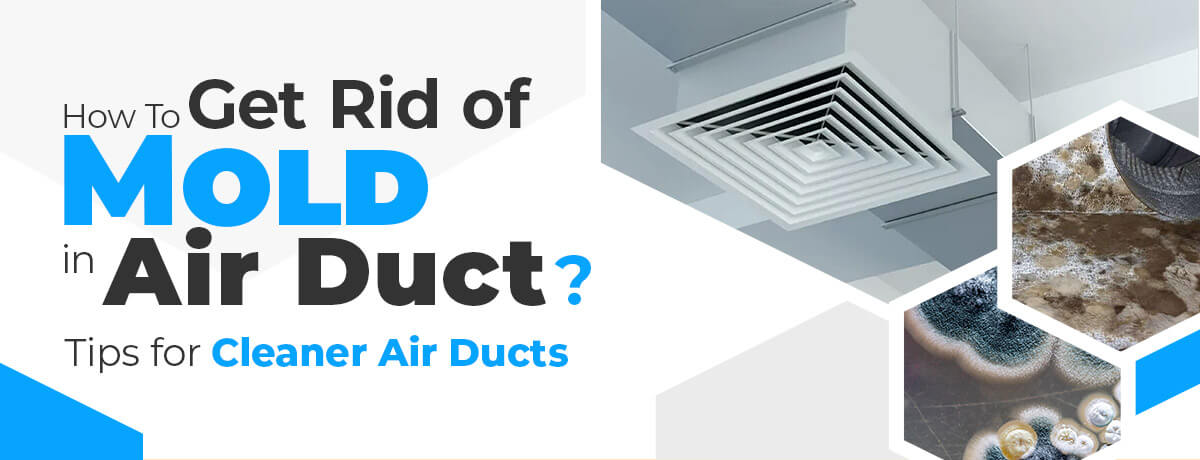
Mold in your air ducts is a serious issue that can impact your indoor air quality and potentially lead to health problems. This guide will provide a comprehensive overview of how to identify mold in your ducts and, more importantly, how to get rid of it effectively. It's crucial to understand that dealing with mold can be complex, and sometimes professional help is necessary.
Understanding Mold in Ducts
Mold thrives in damp, dark environments. Your air ducts, unfortunately, often provide ideal conditions for mold growth. Here's why:
- Moisture: Leaks in your ductwork, condensation from your AC system, or even high humidity can introduce moisture.
- Organic Matter: Dust, pollen, and other organic particles accumulate in ducts, providing a food source for mold.
- Darkness: Ductwork is usually hidden behind walls and ceilings, away from sunlight.
- Temperature: Fluctuations in temperature, especially in air conditioning systems, can contribute to condensation and mold growth.
Think of your air ducts as a highway system. Over time, dust and debris accumulate like roadside trash. When moisture is added, this "trash" becomes a breeding ground for mold.
Identifying Mold in Your Ducts
Detecting mold in your ductwork isn't always easy, but there are several telltale signs to look for:
Visual Inspection
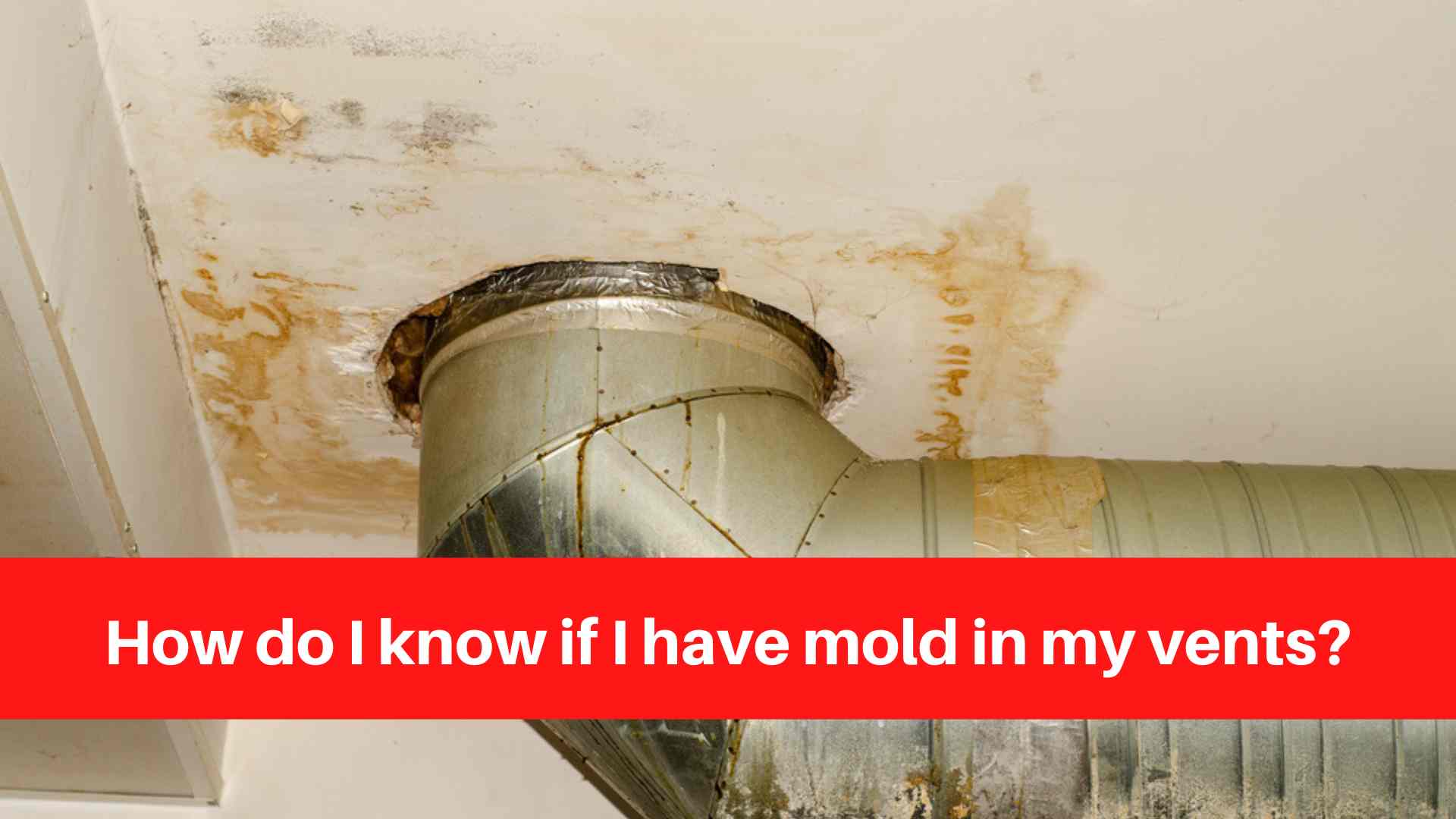
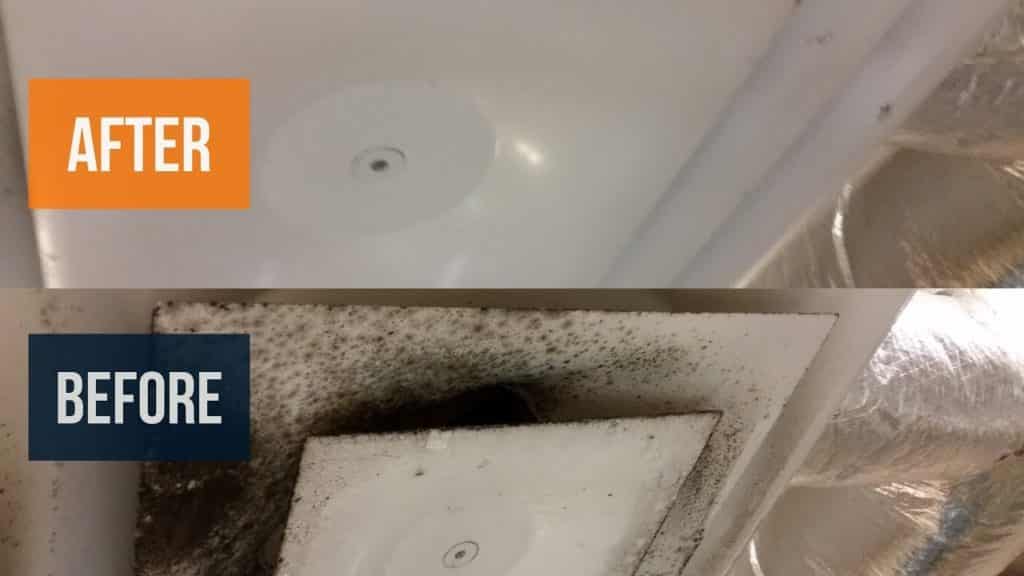
This is the most direct method. If you can access your ducts, carefully inspect them for visible mold. Look for:
- Discoloration: Patches of black, green, brown, or white.
- Fuzzy or slimy textures.
- Water stains or signs of condensation.
Keep in mind that not all discoloration is mold. Dust and dirt can also accumulate and appear dark. Use a flashlight for better visibility.
Musty Odor
A persistent musty or earthy odor, especially when your HVAC system is running, is a strong indicator of mold. The odor may be more noticeable in certain rooms or areas of your home.
Health Symptoms
Mold spores circulating through your air ducts can trigger various health symptoms, including:
- Allergic reactions: Sneezing, coughing, runny nose, itchy eyes.
- Asthma symptoms: Wheezing, shortness of breath, chest tightness.
- Headaches.
- Fatigue.
- Skin irritation.
If you experience these symptoms and suspect mold, consult a doctor to rule out other potential causes. These symptoms aren't exclusive to mold exposure.
Increased Energy Bills
Mold growth can obstruct airflow in your ducts, making your HVAC system work harder to heat or cool your home. This can lead to increased energy consumption and higher utility bills.
The Dangers of Mold Exposure
Mold exposure can pose several health risks, particularly for individuals with:
- Allergies.
- Asthma.
- Weakened immune systems.
- Respiratory problems.
Even healthy individuals can experience adverse reactions to mold exposure, such as respiratory irritation, skin rashes, and headaches. Prolonged exposure can lead to more serious health issues.
DIY Mold Removal vs. Professional Cleaning
Deciding whether to tackle mold removal yourself or hire a professional depends on the extent of the mold growth and your comfort level. Consider these factors:
DIY Mold Removal
Suitable for: Small, localized mold growth that is easily accessible.
Pros: Cost-effective.
Cons: May not be effective for widespread mold or hidden growth. Requires proper safety precautions and knowledge of mold removal techniques. Risk of spreading mold spores if not done correctly.
Professional Mold Remediation
Suitable for: Widespread mold growth, mold in hard-to-reach areas, or if you are sensitive to mold.
Pros: Thorough mold removal, professional equipment and techniques, reduces the risk of spreading mold, and often includes duct sealing and sanitization.
Cons: More expensive.
If you are unsure about the extent of the mold or if you have health concerns, it's always best to consult with a qualified mold remediation professional.
DIY Mold Removal Steps (Proceed with Caution)
If you choose to attempt DIY mold removal, take the following precautions:
- Wear personal protective equipment (PPE): A respirator mask (N-95 or higher), gloves, and eye protection.
- Isolate the area: Seal off the affected area with plastic sheeting and tape to prevent mold spores from spreading.
- Turn off your HVAC system: This will prevent the circulation of mold spores throughout your home.
Here are the steps involved in DIY mold removal from air ducts:
- Vacuum the ducts: Use a HEPA-filtered vacuum cleaner to remove loose dust and debris. A HEPA filter traps tiny particles, preventing them from being released back into the air.
- Clean the affected areas: Use a mold-killing solution. Options include:
- Vinegar: A natural and effective mold killer.
- Baking soda: Absorbs moisture and odors.
- Commercial mold cleaners: Follow the manufacturer's instructions carefully. Ensure the product is specifically designed for use in air ducts.
Apply the cleaning solution with a damp cloth or sponge. Do not saturate the ductwork.
- Scrub gently: Gently scrub the affected areas to remove mold. Avoid damaging the ductwork.
- Rinse (if necessary): If you used a cleaning solution that requires rinsing, use a damp cloth to remove any residue.
- Dry thoroughly: Use a clean, dry cloth to wipe down the ducts. You can also use a fan to speed up the drying process. Mold thrives in moisture, so thorough drying is crucial.
- Sanitize: Consider using a duct sanitizer to kill any remaining mold spores. Follow the manufacturer's instructions.
- Seal any leaks: Inspect your ductwork for leaks and seal them with duct tape or mastic sealant. This will prevent moisture from entering the ducts and promoting mold growth.
Professional Mold Remediation Process
Professional mold remediation companies follow a more comprehensive process to ensure effective mold removal and prevent recurrence. This typically involves:
- Inspection and assessment: A thorough inspection of your ductwork and HVAC system to identify the extent of mold growth and potential sources of moisture.
- Containment: Sealing off the affected area to prevent the spread of mold spores to other parts of your home.
- Mold removal: Using specialized equipment and techniques to remove mold from the ductwork, including HEPA-filtered vacuums, antimicrobial treatments, and duct cleaning machines.
- Duct cleaning: Cleaning the entire duct system to remove dust, debris, and other contaminants.
- Duct sealing: Sealing any leaks in the ductwork to prevent moisture from entering.
- Sanitization: Applying a sanitizing agent to kill any remaining mold spores.
- Source control: Addressing the underlying cause of the mold growth, such as leaks or high humidity.
- Post-remediation testing: Conducting air quality tests to ensure that the mold has been effectively removed.
Preventing Mold Growth in Your Ducts
Prevention is always better than cure. Here are some tips to prevent mold growth in your air ducts:
- Control moisture:
- Fix leaks promptly: Repair any leaks in your roof, plumbing, or HVAC system.
- Maintain proper ventilation: Use exhaust fans in bathrooms and kitchens to remove moisture.
- Use a dehumidifier: Especially in humid climates or basements.
- Regularly clean your ducts: Have your air ducts professionally cleaned every 3-5 years, or more frequently if you have pets or allergies.
- Change your air filters regularly: Dirty air filters can restrict airflow and contribute to moisture buildup in your ducts. Change them every 1-3 months, depending on the type of filter and the air quality in your home.
- Inspect your HVAC system: Have your HVAC system inspected and maintained annually by a qualified technician. This will help identify and address any potential problems that could lead to mold growth. Think of it as a regular check-up for your home's respiratory system.
- Consider UV lights: Installing UV lights inside your ductwork can help kill mold spores and prevent them from growing. UV lights disrupt the DNA of microorganisms, preventing them from reproducing.
Choosing a Mold Remediation Professional
If you decide to hire a professional, it's important to choose a qualified and experienced company. Look for:
- Certification: Certifications from organizations such as the Institute of Inspection, Cleaning and Restoration Certification (IICRC).
- Experience: A proven track record of successful mold remediation projects.
- Insurance and licensing: Make sure the company is properly insured and licensed.
- References: Ask for references from previous clients.
- Detailed estimate: Obtain a written estimate that outlines the scope of work, the cost, and the timeline.
Don't be afraid to get multiple quotes and compare services before making a decision. A reputable company will be happy to answer your questions and provide you with detailed information about their services.
Addressing mold in your air ducts is crucial for maintaining healthy indoor air quality. By understanding the causes, identifying the signs, and taking appropriate action, you can protect your home and your health. Remember to prioritize safety and seek professional help when needed.