How To Ground A Csst Gas Line
Gas lines, particularly those constructed from Corrugated Stainless Steel Tubing (CSST), require proper grounding to mitigate the risk of electrical damage. This article provides a detailed guide for homeowners, HVAC technicians, and facility managers on how to ground a CSST gas line effectively.
Understanding CSST and Grounding
CSST is a flexible, corrugated stainless steel pipe commonly used for natural gas and propane distribution in residential and commercial buildings. Its flexibility simplifies installation, but its thin walls make it vulnerable to damage from electrical surges, such as those caused by lightning strikes. These surges can create pinholes in the tubing, leading to gas leaks and potential fire hazards.
Grounding provides a safe path for electrical current to flow to the earth, minimizing the risk of damage to the CSST. Proper grounding diverts electrical energy away from the gas line, protecting it from potentially catastrophic damage.
Essential Tools and Materials
Before starting the grounding process, gather the necessary tools and materials. These include:
- Grounding Wire: Solid copper wire of appropriate gauge (typically #6 AWG). Check your local codes.
- Ground Clamps: UL-listed clamps designed for grounding gas pipes.
- Bonding Jumpers: Short lengths of grounding wire used to bond sections of CSST.
- Screwdrivers: Assorted sizes to tighten clamps and screws.
- Wire Strippers/Crimpers: For preparing and connecting grounding wires.
- Pipe Wrench: To ensure tight connections on grounding rods.
- Hammer Drill with Ground Rod Driver: For installing a new grounding rod, if required.
- Grounding Rod: Copper or copper-clad steel rod.
- Voltage Tester: To verify grounding effectiveness.
- Safety Glasses and Gloves: For personal protection.
Grounding Procedure: Step-by-Step
Step 1: Identify the CSST Gas Line
Locate the CSST gas line you intend to ground. Trace the line from the gas meter to the appliances it serves. Pay attention to any sections that are exposed or run near electrical wiring.
Step 2: Establish a Grounding Point
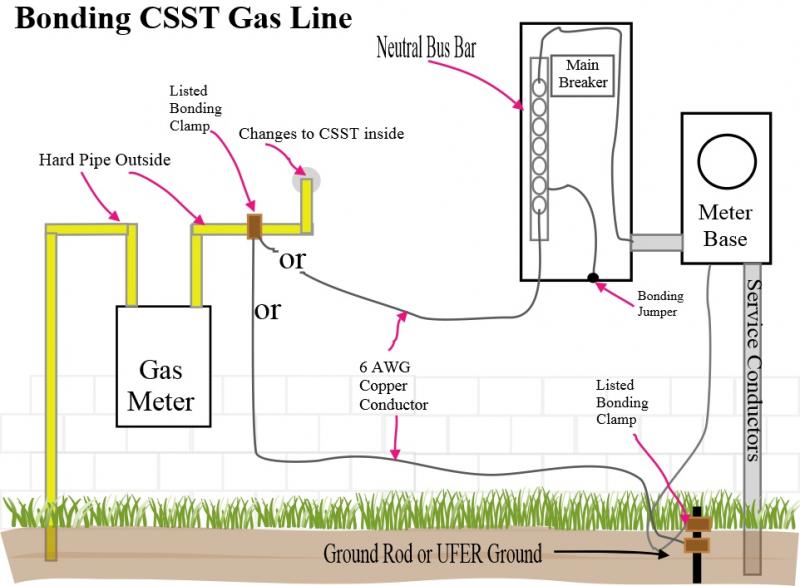
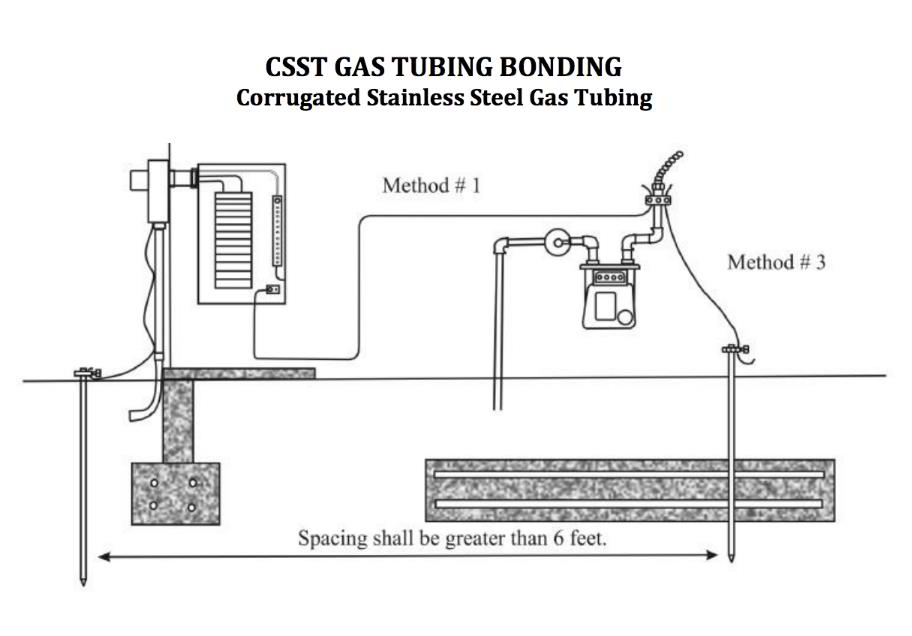
The primary grounding point is typically the main electrical service panel's grounding electrode system. This system connects to a grounding rod driven into the earth or to the building's metallic water pipe (check local codes). Ensure the grounding electrode system is in good condition and properly connected.
If the existing grounding system is inadequate or inaccessible, you may need to install a supplemental grounding rod. Drive a copper or copper-clad steel rod at least 8 feet into the ground, following local electrical codes for placement and depth.
Step 3: Connect the Grounding Wire to the Grounding Point
Attach one end of the grounding wire (typically #6 AWG solid copper) to the main grounding electrode system. Use a UL-listed grounding clamp specifically designed for this purpose. Ensure the connection is tight and secure.
Step 4: Bond the CSST Gas Line
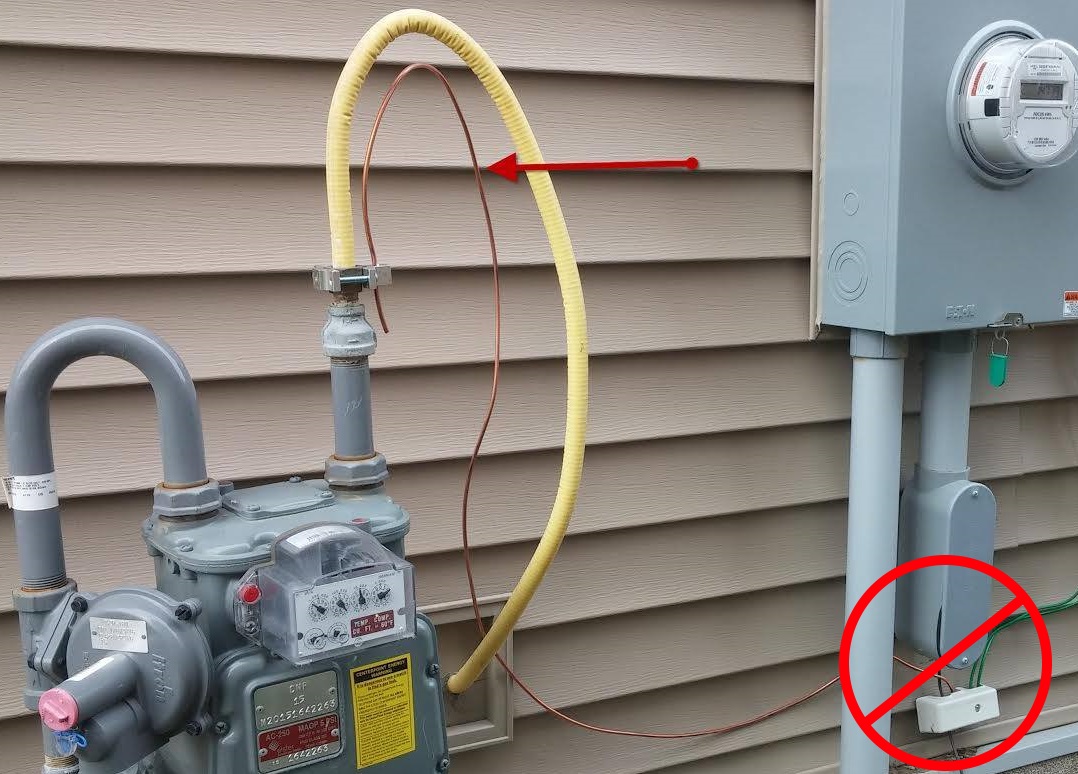
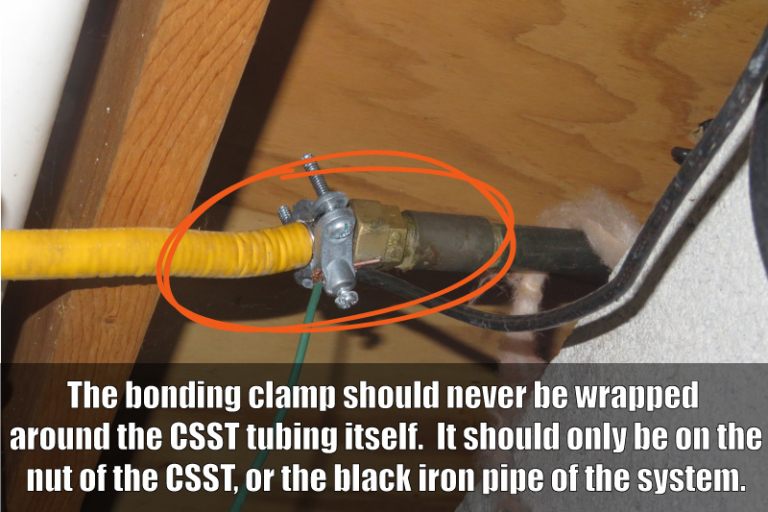
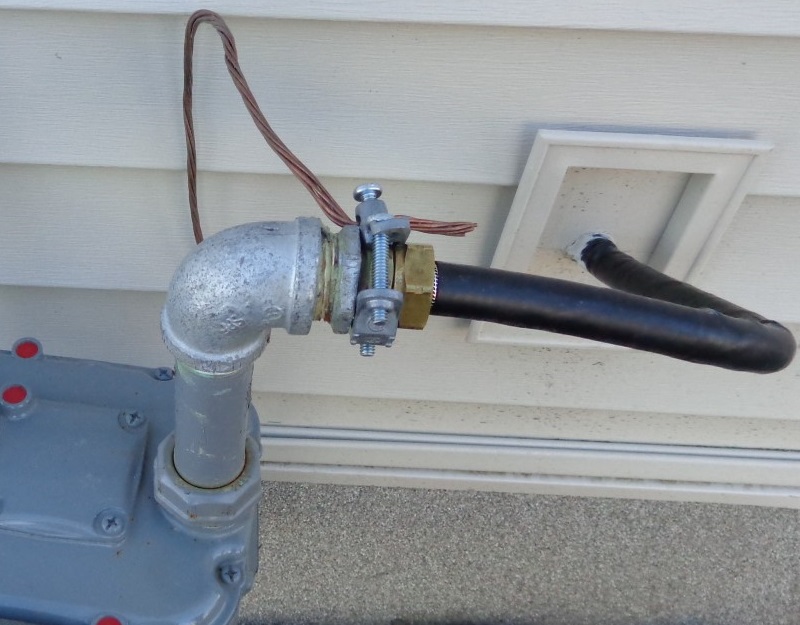
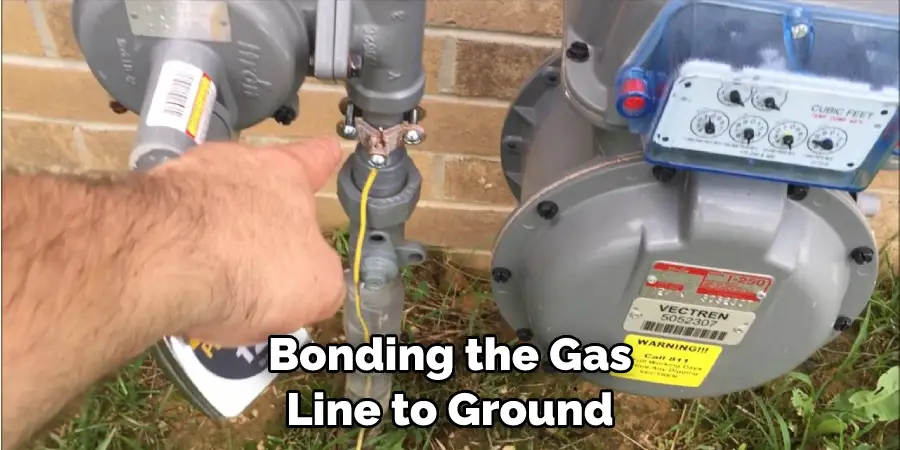
Run the grounding wire to the CSST gas line. Identify the section of the CSST closest to the gas meter or where the line enters the building. Attach a UL-listed grounding clamp to the CSST, ensuring good metal-to-metal contact. Clean the CSST surface with a wire brush before attaching the clamp to remove any corrosion or debris.
Connect the other end of the grounding wire to the grounding clamp on the CSST. Tighten the clamp securely, ensuring a solid electrical connection.
Step 5: Bonding Multiple Sections of CSST (If Applicable)
If the CSST gas line has multiple sections joined by couplings or fittings, bond each section together using bonding jumpers. These are short lengths of grounding wire connected to grounding clamps on each section of the CSST. This ensures that all sections of the gas line are equally grounded.
Step 6: Appliance Bonding
Each appliance connected to the CSST gas line should also be bonded. This can be accomplished by running a separate grounding wire from the appliance's metal frame to the nearest grounded metal component, such as a grounded electrical outlet box. This prevents electrical potential differences between the gas line and the appliances.
Step 7: Inspect and Test the Grounding
After completing the grounding installation, thoroughly inspect all connections to ensure they are tight and secure. Use a voltage tester to verify that the CSST gas line is properly grounded. Measure the voltage between the CSST and a known ground (such as a grounded electrical outlet). The voltage should be close to zero.
A low-resistance reading between the CSST and the grounding electrode system confirms a good ground connection. Use a multimeter to measure the resistance.
Common Mistakes to Avoid
- Improper Clamp Selection: Using the wrong type of grounding clamp can result in a poor connection and compromise the grounding effectiveness. Always use UL-listed clamps designed for grounding gas pipes.
- Loose Connections: Loose connections can create resistance and prevent proper grounding. Ensure all clamps and screws are tightened securely.
- Using Incorrect Wire Gauge: Using a grounding wire that is too small can limit its ability to carry electrical current. Always use the appropriate gauge wire (typically #6 AWG).
- Neglecting Appliance Bonding: Failing to bond appliances can create electrical potential differences and increase the risk of electrical damage.
- Ignoring Local Codes: Local electrical codes may have specific requirements for grounding CSST gas lines. Always consult with a qualified electrician or inspector to ensure compliance.
Maintenance and Inspection
Grounding systems require periodic inspection and maintenance to ensure their continued effectiveness. Check all connections annually for corrosion or looseness. Tighten any loose connections and replace any corroded components. Test the grounding system using a voltage tester to verify its effectiveness.
Cost Considerations
The cost of grounding a CSST gas line can vary depending on the complexity of the installation and the materials used. A typical installation may cost between $200 and $500, including materials and labor. Installing a new grounding rod can add to the cost. While it is possible to perform the grounding yourself, it is recommended to hire a qualified electrician or HVAC technician to ensure the job is done correctly and safely. Ignoring the need for a ground could lead to the cost of complete CSST replacement and extensive property repairs that could run tens of thousands of dollars.
Additional Resources
For more information on grounding CSST gas lines, consult with a qualified electrician, HVAC technician, or local building inspector. You can also refer to the manufacturer's instructions for your specific CSST gas line.
By following these steps and guidelines, homeowners, HVAC technicians, and facility managers can ensure that CSST gas lines are properly grounded, protecting them from electrical damage and potential hazards. Always prioritize safety when working with gas lines and electrical systems.
Properly grounded CSST provides critical safety against electrical surges that can cause gas leaks and fires.
Remember, the information provided in this article is for general guidance only and should not be considered a substitute for professional advice. Consult with a qualified professional before undertaking any electrical work.