How To Heat A House Without Furnace
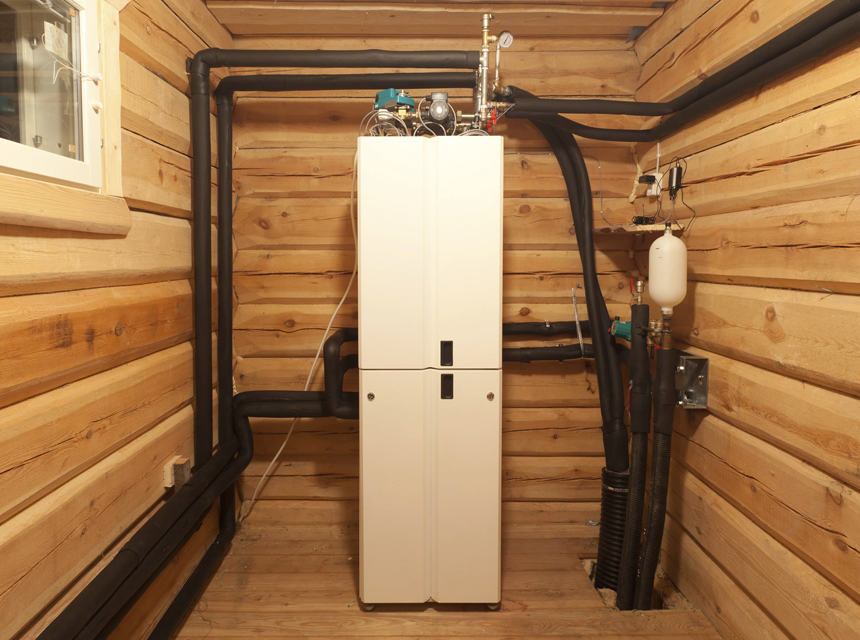
Waking up to a frigid house when your furnace has decided to take an unexpected vacation is a homeowner's nightmare. Before panicking and racking up a hefty hotel bill, let's explore some practical ways to heat your house without a furnace. This guide will help you diagnose the situation, implement some simple fixes, and, most importantly, determine when it's time to call in the pros.
Step 1: Initial Assessment and Safety First
Before you do anything, ensure everyone in the house is safe and comfortable. If the temperature is dangerously low, particularly for children or the elderly, consider temporarily relocating to a warmer environment. Then, take a deep breath. We'll get through this.
Safety Checklist:
- Carbon Monoxide Detectors: Verify that your carbon monoxide detectors are functioning correctly and have fresh batteries. This is non-negotiable, as alternative heating methods can increase the risk of carbon monoxide poisoning.
- Fire Hazards: Be mindful of flammable materials when using space heaters or candles. Keep them away from curtains, bedding, and furniture.
- Extension Cords: Avoid overloading extension cords. Plug space heaters directly into wall outlets whenever possible. If you must use an extension cord, ensure it's heavy-duty and rated for the appliance's wattage.
Once safety is addressed, let's move on to diagnosing the problem.
Step 2: Identifying the Root Cause
Knowing why your furnace isn't working can save you time and money. Here are some common culprits and how to investigate them:
A. Power Supply Issues:
Check the Circuit Breaker: The most common cause of a furnace failure is a tripped circuit breaker. Locate your electrical panel and look for the breaker labeled "Furnace" or "HVAC." If it's in the "Off" or middle position, flip it fully to the "Off" position and then back to the "On" position.
Inspect the Furnace Switch: Many furnaces have a dedicated on/off switch, often located on the furnace itself or nearby on a wall. Make sure this switch is in the "On" position. It's easily bumped by accident.
Power Outage: Rule out a general power outage in your area. Check with your neighbors or your local power company.
B. Thermostat Troubles:
Thermostat Settings: Ensure your thermostat is set to "Heat" and the temperature is set higher than the current room temperature. A simple mistake, but easily overlooked.
Battery Check: Many thermostats, especially digital ones, require batteries. Replace them with fresh batteries to ensure the thermostat is functioning correctly.
Thermostat Wiring: (Caution: This involves working with low-voltage electricity. If you are uncomfortable, skip to the next section.) Carefully remove the thermostat cover and inspect the wiring connections. Look for loose wires or corrosion. If you find any, gently tighten the screws or clean the connections with a small brush. Before touching any wires, turn off the power to the thermostat at the circuit breaker.
C. Fuel Supply Problems (Gas Furnaces):
Check the Gas Valve: Ensure the gas valve supplying your furnace is open. It's usually a lever or knob located on the gas pipe near the furnace. If it's perpendicular to the pipe, it's closed; if it's parallel, it's open.
Pilot Light (Older Furnaces): If you have an older furnace with a pilot light, check if it's lit. Follow the manufacturer's instructions to relight the pilot light if necessary. Be extremely careful when working with gas, and if you smell gas, evacuate the house immediately and call your gas company.
D. Furnace Filter:
Dirty Filter: A clogged air filter can restrict airflow, causing the furnace to overheat and shut down. Check your furnace filter and replace it if it's dirty. A clean filter improves efficiency and can sometimes resolve the issue.
Step 3: Temporary Heating Solutions (DIY Fixes)
While you're troubleshooting the furnace, or waiting for a professional, here are some ways to keep your house warm:
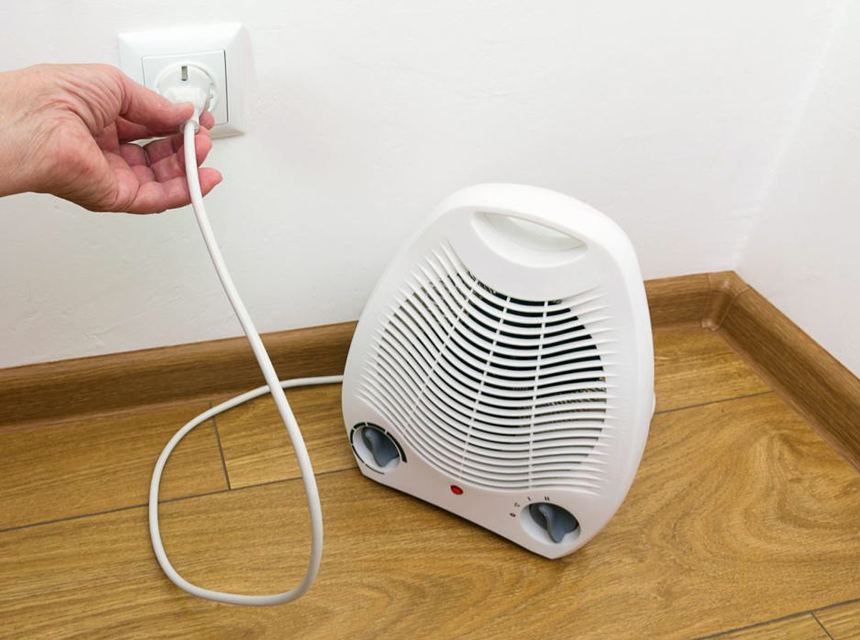
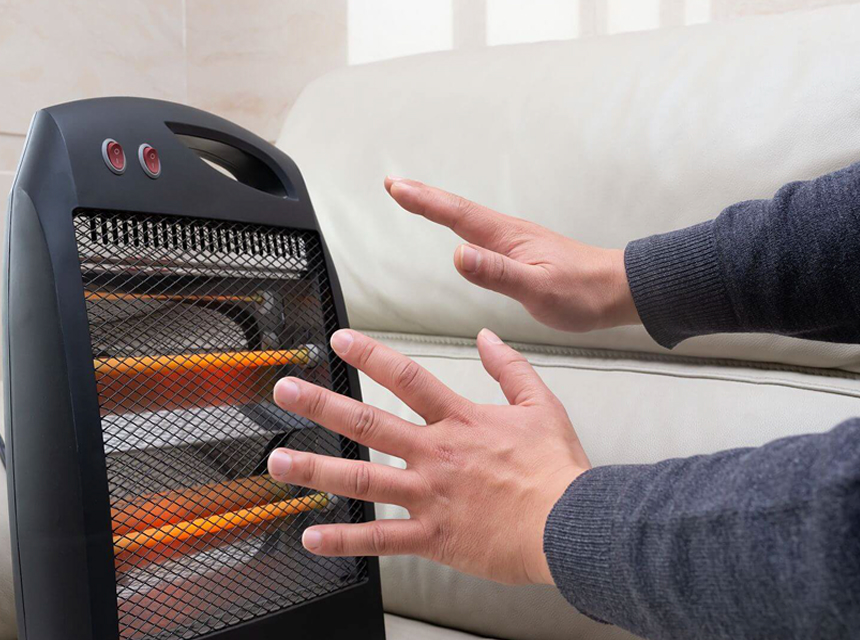
A. Space Heaters:
Strategic Placement: Space heaters are a convenient way to heat individual rooms. Place them strategically in the rooms you use most, such as the living room and bedrooms. Never leave space heaters unattended, and keep them away from flammable materials.
Heater Types:
- Ceramic Heaters: Good for small rooms, they heat up quickly and are relatively safe.
- Oil-Filled Radiators: Provide a more consistent and gentler heat, but take longer to warm up.
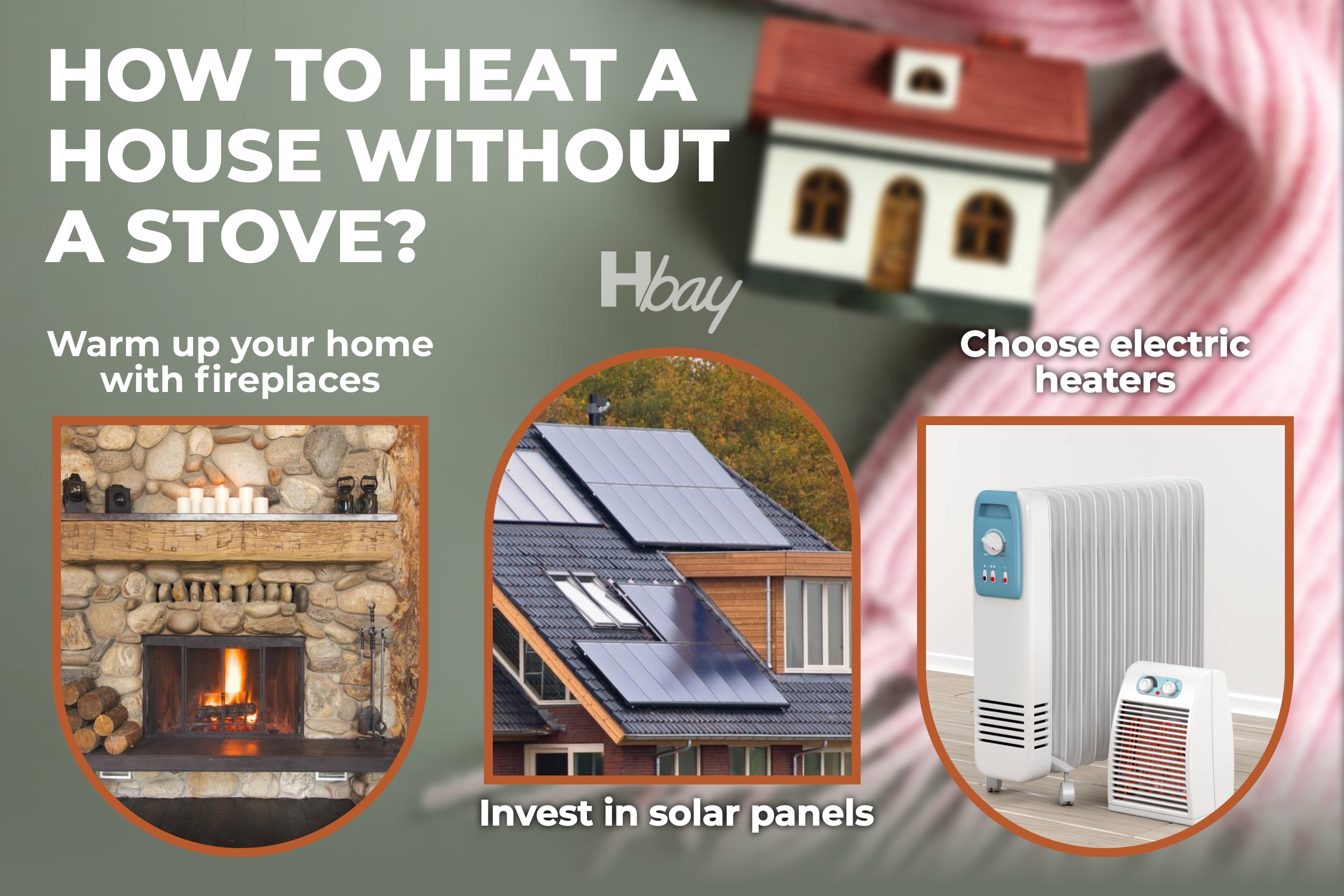
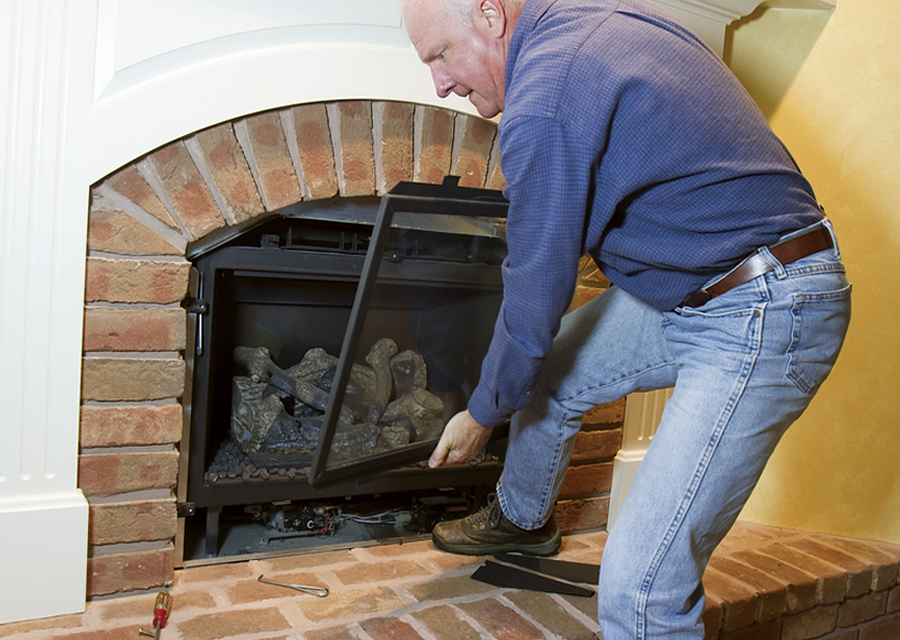
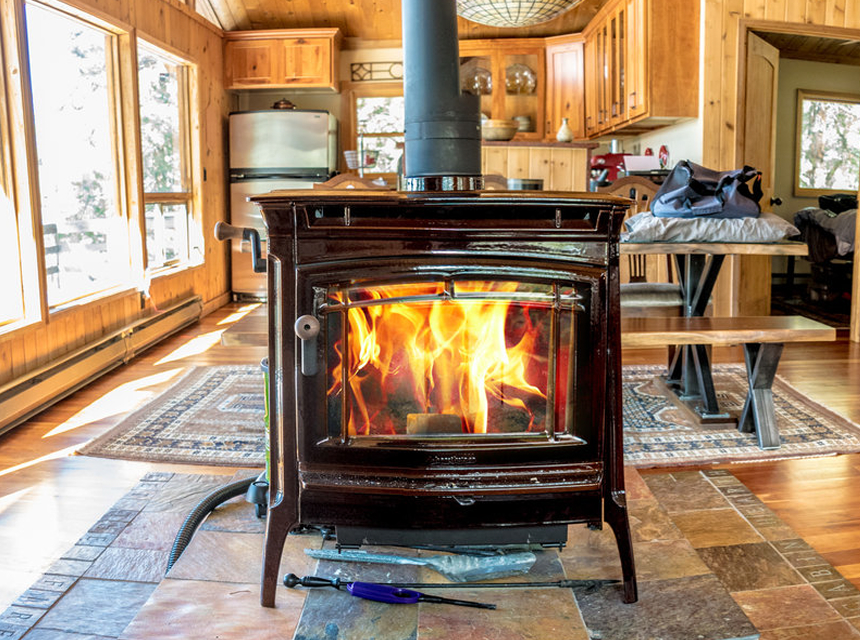
B. Fireplace (If Applicable):
Wood-Burning Fireplace: If you have a fireplace, use it to heat the main living area. Make sure the chimney is clean and the damper is open before lighting a fire. Never leave a fire unattended.
Electric Fireplace: An electric fireplace is a safer and more convenient alternative to a wood-burning fireplace.
C. Sealing Drafts:
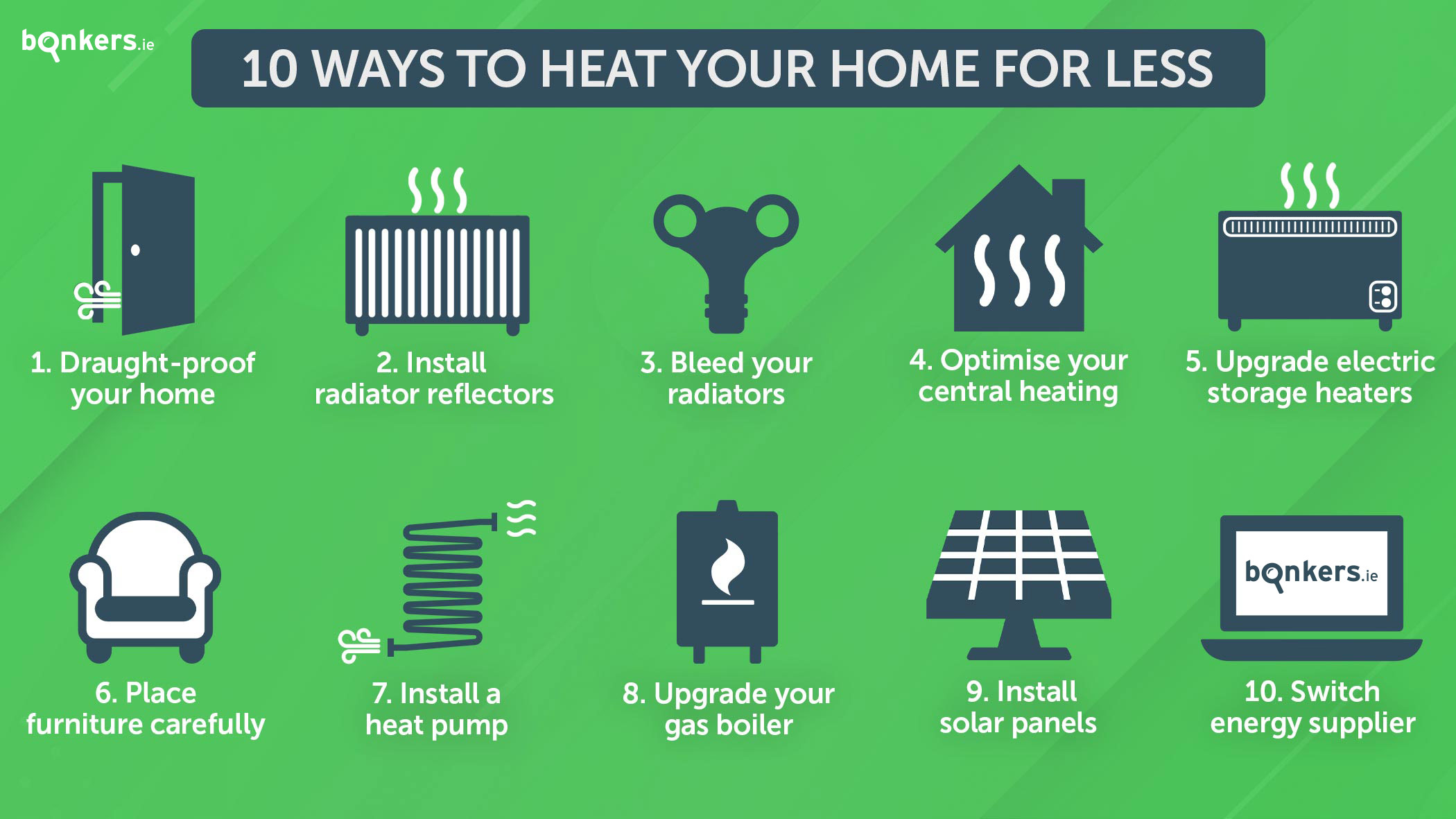
Identify Drafts: Walk around your house and feel for drafts near windows, doors, and other openings. Common culprits include gaps around window frames, under doors, and around pipes.
Simple Solutions:
- Weatherstripping: Apply weatherstripping around doors and windows to seal gaps.
- Caulking: Use caulk to seal cracks and gaps in walls and around windows and doors.
- Door Sweeps: Install door sweeps under doors to prevent drafts from entering.
- Plastic Sheeting: Cover windows with plastic sheeting to create an extra layer of insulation.
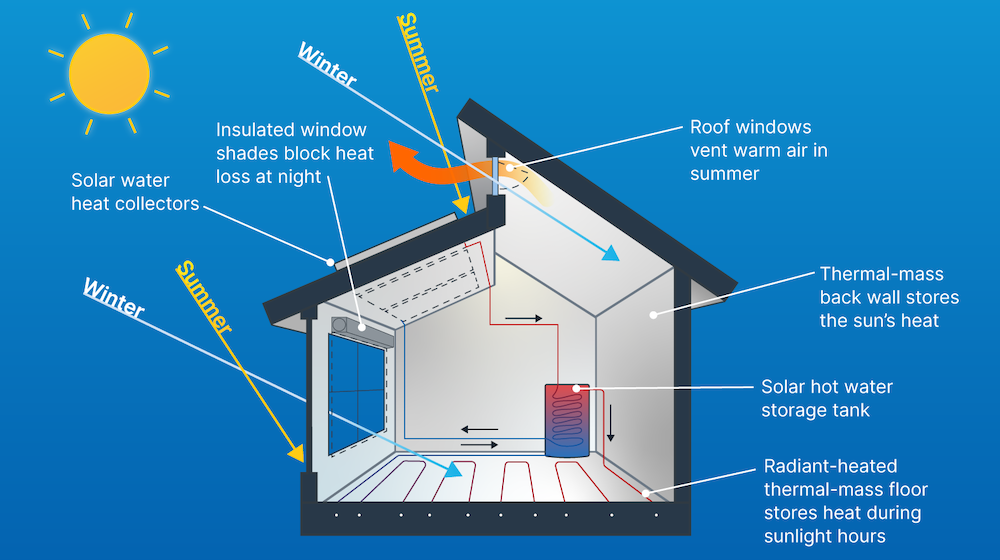
D. Maximize Sunlight:
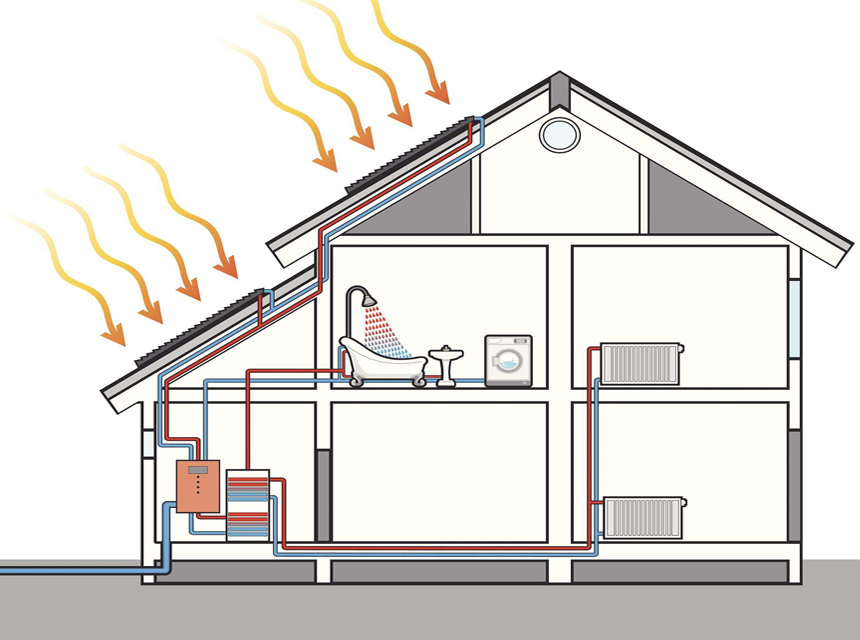
Open Curtains: During the day, open curtains and blinds on south-facing windows to allow sunlight to warm your house naturally. Close them at night to retain the heat.
E. Baking and Cooking:
Oven Warmth: While not a primary heating source, using your oven to bake or cook can add some extra warmth to your kitchen and surrounding areas. Never leave the oven unattended for extended periods, and avoid using it for prolonged heating, as it's not energy-efficient.
F. Layer Up:
Dress Warmly: Wear layers of clothing, including sweaters, long-sleeved shirts, and warm socks. A hat can also help retain body heat.
Warm Bedding: Use thick blankets, comforters, and flannel sheets to keep warm while sleeping.
Step 4: Knowing When to Call a Professional
You've checked the basics, implemented some temporary heating solutions, but your furnace still isn't working. It's time to call a qualified HVAC technician. Don't attempt repairs you're not comfortable with, especially involving gas lines or electrical components. Here are some signs that professional help is needed:
- You smell gas: If you smell gas near your furnace or anywhere in your house, evacuate immediately and call your gas company and the fire department.
- The furnace is making strange noises: Loud banging, grinding, or whistling sounds can indicate a serious mechanical problem.
- The furnace is not igniting: If the furnace is not igniting, even after checking the pilot light (if applicable) and gas valve, there may be a problem with the igniter or gas valve.
- The furnace is cycling on and off frequently: Short cycling can indicate a problem with the thermostat, flame sensor, or other components.
- You've checked the circuit breaker and thermostat, but the furnace still won't turn on: This could indicate a more complex electrical problem.
- You're uncomfortable working with electricity or gas: Safety should always be your top priority. If you're not comfortable performing a repair, call a professional.
Finding a Reliable Technician:
- Get Recommendations: Ask friends, family, or neighbors for recommendations.
- Check Online Reviews: Read online reviews on sites like Yelp and Google to get an idea of the technician's reputation.
- Verify Licensing and Insurance: Make sure the technician is licensed and insured.
- Get Multiple Quotes: Get quotes from several technicians before making a decision.
Step 5: Preventative Measures for the Future
Once your furnace is repaired, take steps to prevent future breakdowns:
- Regular Maintenance: Schedule annual furnace maintenance with a qualified HVAC technician.
- Change the Air Filter Regularly: Replace the air filter every 1-3 months, depending on usage and air quality.
- Keep the Area Around the Furnace Clear: Ensure there is plenty of space around the furnace for proper airflow.
- Inspect the Flue Pipe: Check the flue pipe (the pipe that vents exhaust gases outside) for any signs of damage or corrosion.
Dealing with a broken furnace is never fun, but by following these steps, you can safely and effectively heat your house without a furnace while troubleshooting the problem and waiting for professional help. Remember, safety always comes first. Stay warm!