How To Hide Mini Split Lines Outside
Mini-split systems, also known as ductless systems, offer efficient and targeted heating and cooling solutions. However, the exterior lineset connecting the indoor unit to the outdoor condenser can be an aesthetic challenge. This article provides a comprehensive guide on how to effectively conceal mini-split linesets, enhancing both the visual appeal and longevity of your HVAC system. We will also discuss how this skill set impacts HVAC careers and the importance of proper installation techniques.
Understanding Mini-Split Linesets
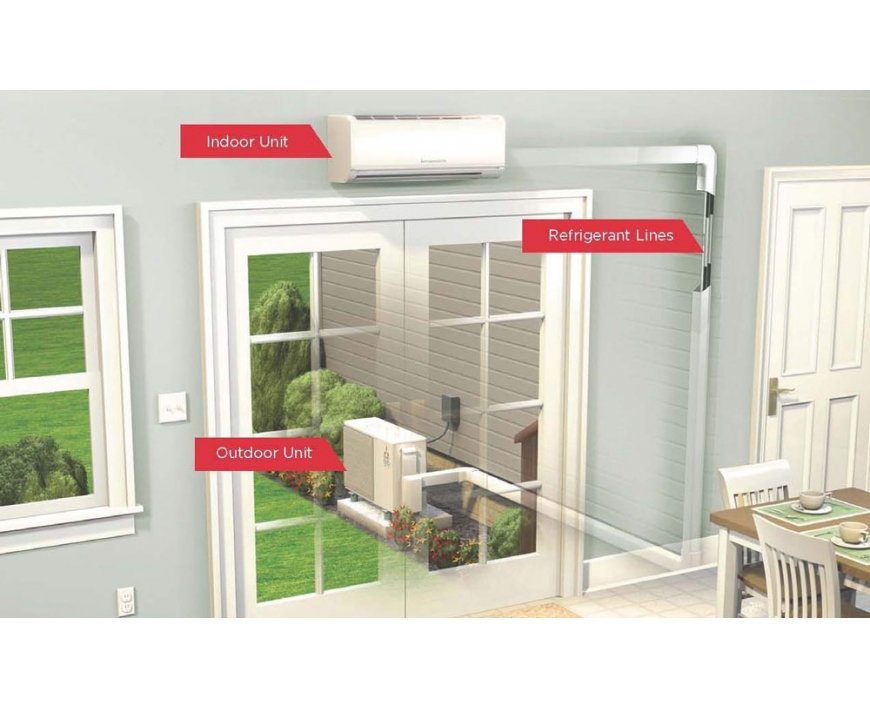
Before diving into concealment methods, it’s crucial to understand what comprises a mini-split lineset. It typically includes:
- Refrigerant Lines: Copper pipes carrying refrigerant between the indoor and outdoor units.
- Electrical Wiring: Powering the indoor unit and facilitating communication.
- Condensate Drain Line: Removing condensation from the indoor unit.
Properly managing these components is key to both efficient system operation and effective concealment.
Why Hide Mini-Split Lines?
Aesthetics are the primary driver for concealing mini-split linesets. Exposed lines can detract from a building's curb appeal, potentially impacting property value. Beyond aesthetics, protection is another vital reason. Exposed linesets are vulnerable to:
- UV Damage: Degradation of insulation and casing over time.
- Physical Damage: From weather, animals, or accidental impacts.
- Corrosion: Especially in coastal environments.
Concealing and protecting the lineset can extend the life of the system and prevent costly repairs. In addition, the growing demand for esthetically pleasing and energy-efficient HVAC solutions is shaping career opportunities in the HVAC industry.
Methods for Hiding Mini-Split Lines Outside
Several methods exist for concealing mini-split linesets. The best approach depends on factors such as budget, the length of the lineset, and the building's architecture.
1. Line Hiders/Line Set Covers
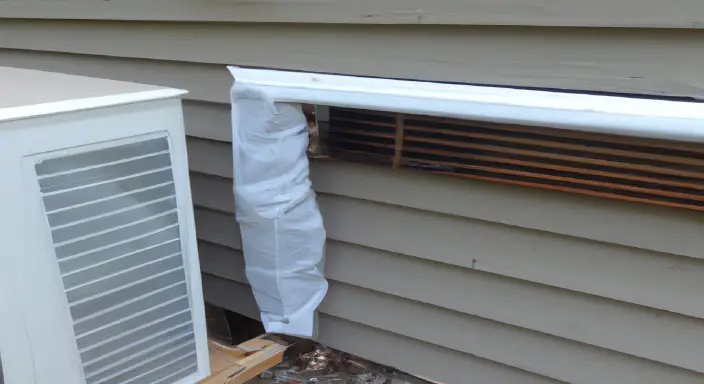
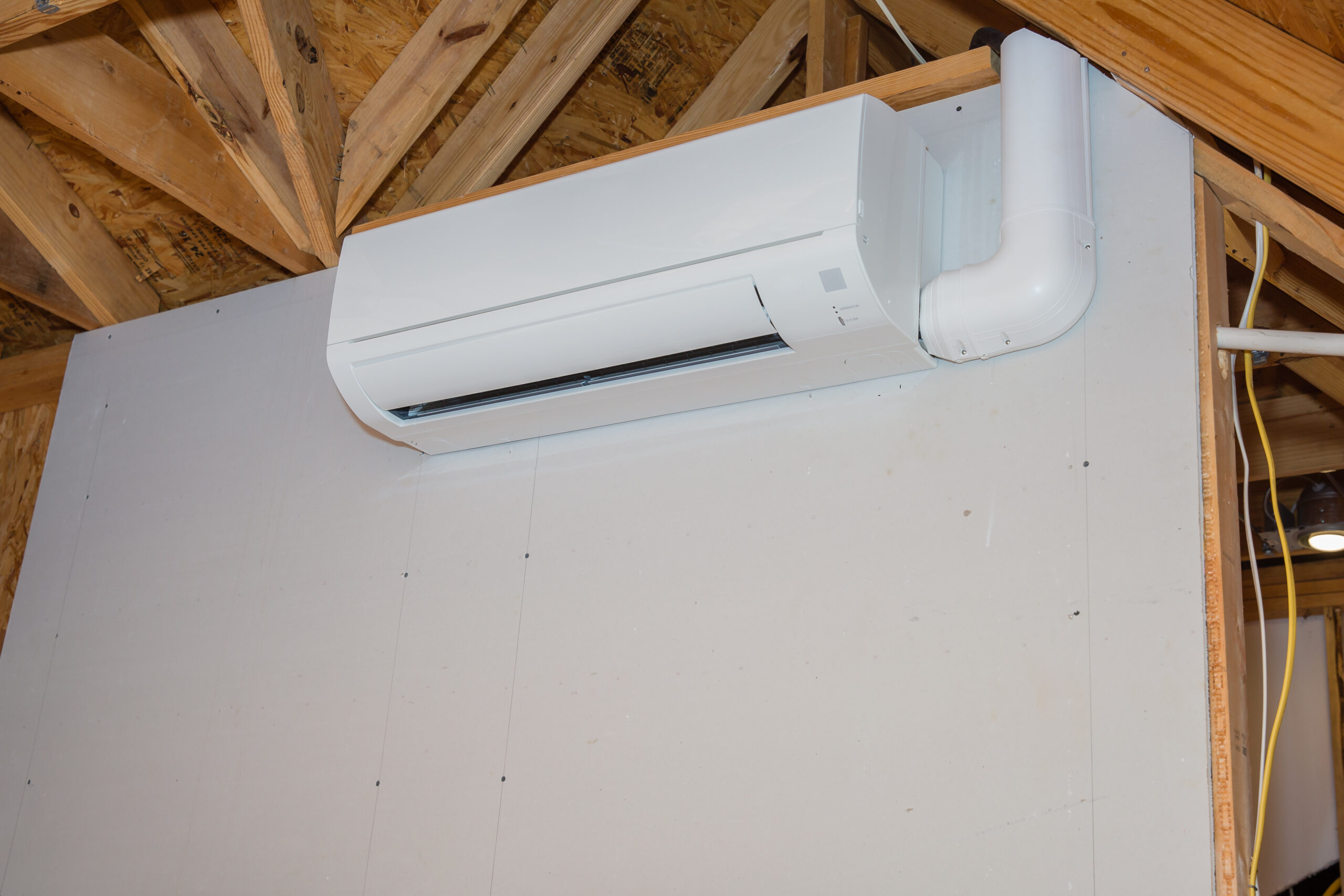
Line hiders, also known as line set covers or chase covers, are specifically designed to encase and conceal linesets. They are typically made of durable PVC or aluminum and come in various colors to match the building's exterior. They are paintable, offering further customization.
Pros:
- Easy to install.
- Durable and weather-resistant.
- Available in various sizes and colors.
- Relatively inexpensive.
Cons:
- Can be visually apparent if not carefully installed.
- May require cutting and fitting for complex runs.
Installation Tip: Ensure the line hider is securely attached to the wall using appropriate fasteners. Use sealant to prevent water intrusion.
2. Conduit
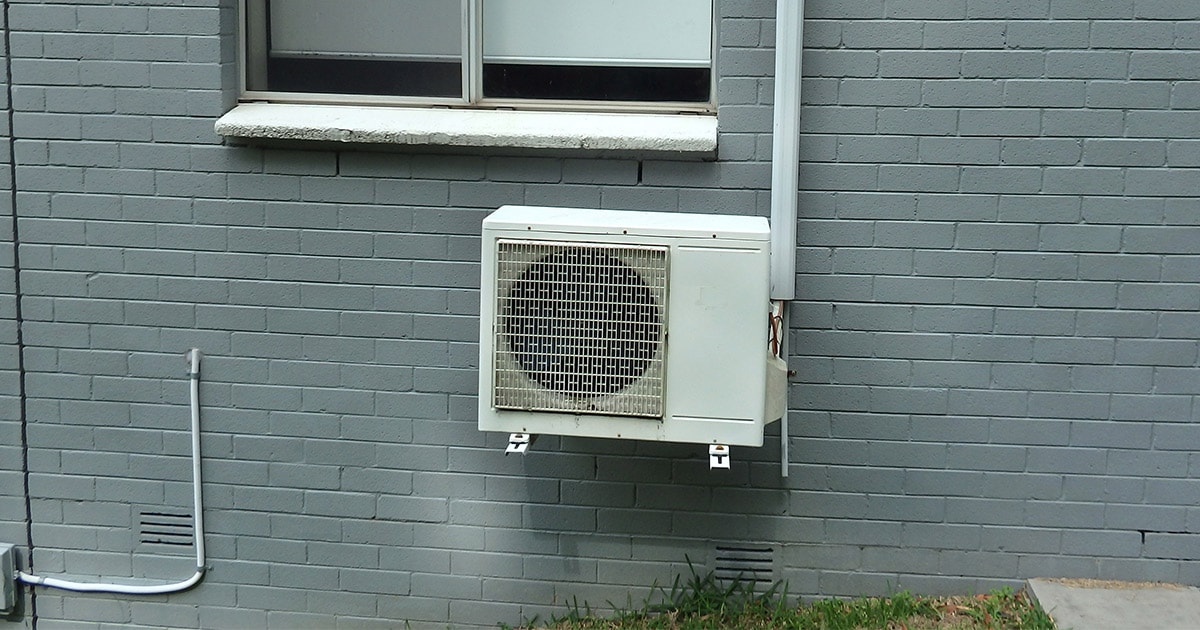
Electrical conduit, typically made of metal or PVC, can also be used to encase the lineset. While not specifically designed for this purpose, conduit offers a robust and protective solution.
Pros:
- Highly durable and protective.
- Suitable for harsh environments.
- Readily available.
Cons:
- Less aesthetically pleasing than line hiders.
- Can be more difficult to install and bend.
- Requires specialized tools for cutting and fitting.
Installation Tip: Use proper conduit fittings to ensure a watertight seal. Ground metal conduit according to electrical codes.
3. Landscaping
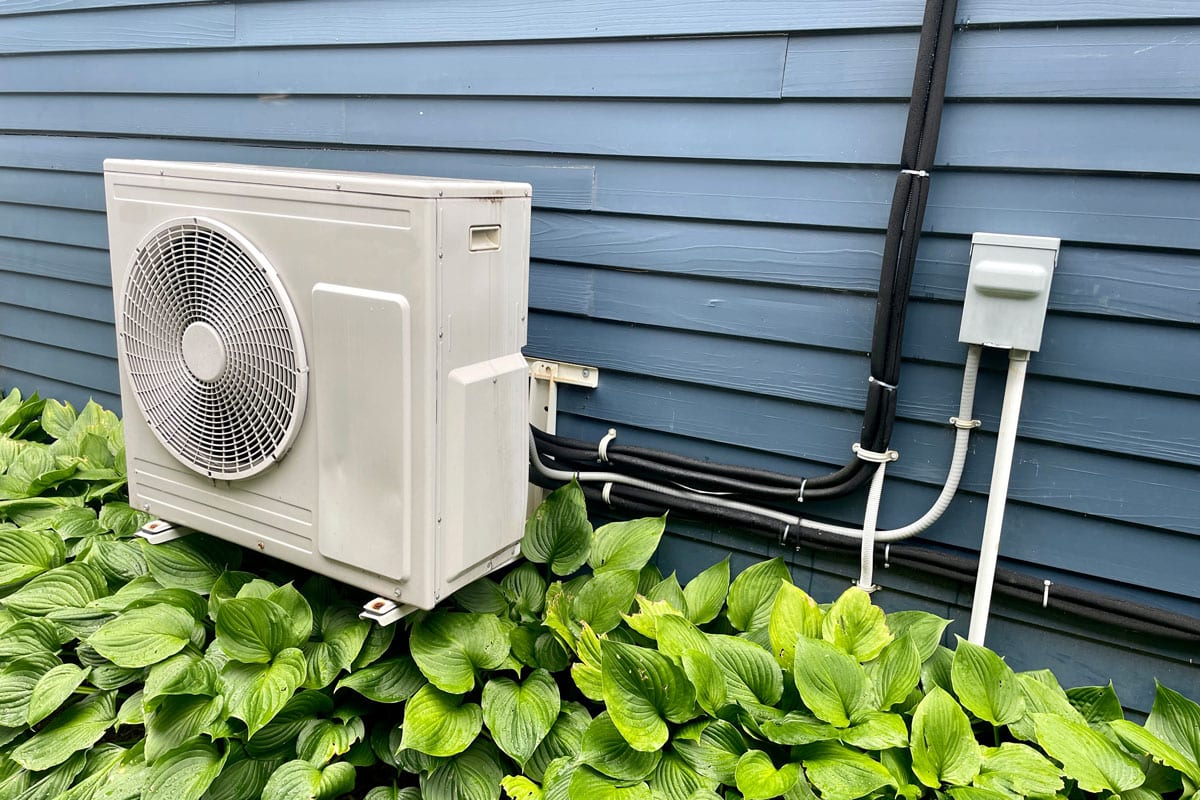
Strategic landscaping can effectively camouflage the lineset. This approach involves planting shrubs, vines, or other vegetation to obscure the lines from view. Landscaping needs to be planned, particularly for those in the field.
Pros:
- Natural and aesthetically pleasing.
- Can enhance the overall landscape design.
- Relatively inexpensive (depending on plant selection).
Cons:
- Requires ongoing maintenance (trimming, watering, etc.).
- May not be suitable for all locations.
- Plants may damage the lineset if not carefully managed.
Planting Tip: Choose non-invasive plants that won't aggressively spread or damage the lineset. Maintain adequate clearance between plants and the lineset for ventilation and maintenance access.
4. Custom Enclosures
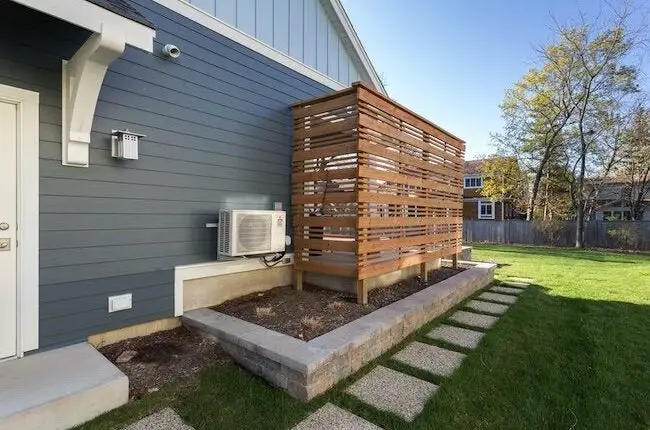
For a more integrated and seamless look, consider building a custom enclosure around the lineset. This can be made from wood, composite materials, or even brick or stone to match the building's exterior.
Pros:
- Highly customizable.
- Can be designed to blend seamlessly with the building's architecture.
- Offers excellent protection.
Cons:
- More expensive and time-consuming to construct.
- Requires carpentry or masonry skills.
- May require building permits.
Design Tip: Ensure the enclosure provides adequate ventilation for the lineset to prevent overheating. Include access panels for maintenance.
5. Painting
Painting the lineset to match the building's exterior can help it blend in and become less noticeable. This is a simple and cost-effective solution, but it doesn't offer the same level of protection as other methods.
Pros:
- Inexpensive and easy to implement.
- Can significantly improve the appearance of the lineset.
Cons:
- Doesn't offer physical protection.
- Paint may peel or fade over time.
- Requires proper surface preparation and paint selection.
Painting Tip: Use a high-quality exterior paint that is compatible with the lineset material (typically copper or PVC). Clean and prime the surface before painting to ensure proper adhesion.
HVAC Career Paths and the Importance of Lineset Installation Skills
Proficiency in mini-split installation, including lineset concealment techniques, is a valuable asset in the HVAC industry. Several career paths benefit from this skill set:
- HVAC Technician: Installing, maintaining, and repairing HVAC systems, including mini-splits. Median salary: $51,390 per year (Bureau of Labor Statistics, May 2023).
- HVAC Installer: Specializing in the installation of HVAC equipment.
- HVAC Service Manager: Overseeing HVAC service operations and technicians.
- HVAC Sales Engineer: Designing and selling HVAC systems, often requiring a deep understanding of installation requirements.
The job outlook for HVAC technicians is projected to grow 6 percent from 2022 to 2032, about as fast as the average for all occupations (Bureau of Labor Statistics). This growth is driven by increasing demand for energy-efficient heating and cooling solutions, including mini-split systems.
Employers increasingly seek technicians with comprehensive skills, including the ability to install and conceal linesets effectively. This demonstrates a commitment to both functionality and aesthetics, enhancing customer satisfaction and brand reputation.
Certifications and Continuing Education
Earning relevant certifications can significantly boost your career prospects in the HVAC industry. Key certifications include:
- NATE (North American Technician Excellence): Demonstrates competency in HVAC installation, service, and maintenance.
- EPA 608 Certification: Required for handling refrigerants.
- Manufacturer-Specific Certifications: Training programs offered by HVAC equipment manufacturers, such as Daikin, Mitsubishi Electric, and LG. These are particularly valuable for mini-split systems.
Continuing education is essential for staying current with industry trends and technological advancements. Many community colleges and vocational schools offer HVAC courses and training programs. Online resources and industry publications can also provide valuable insights.
Real-World Example: From Apprentice to Lead Installer
Consider the career trajectory of Maria Rodriguez. Maria started as an HVAC apprentice, learning the fundamentals of HVAC systems under the guidance of experienced technicians. She quickly realized the importance of aesthetic considerations in residential installations, particularly with mini-split systems. She proactively sought training in lineset concealment techniques, mastering the use of line hiders, conduit, and landscaping strategies.
Maria's dedication to quality workmanship and attention to detail led to her promotion to lead installer within three years. She now oversees complex mini-split installations, ensuring both optimal system performance and visually appealing results. Her commitment to continuous learning and skill development has made her a valuable asset to her company and a trusted professional in her community.
Best Practices for Lineset Concealment
Regardless of the chosen method, several best practices should be followed to ensure a successful and long-lasting installation:
- Plan Ahead: Carefully assess the site and develop a detailed plan for lineset routing and concealment.
- Use Quality Materials: Invest in durable and weather-resistant materials for line hiders, conduit, or custom enclosures.
- Follow Manufacturer's Instructions: Adhere to the manufacturer's recommendations for installation and maintenance.
- Ensure Proper Drainage: Properly slope the condensate drain line to prevent backups.
- Provide Access for Maintenance: Design the concealment system to allow for easy access to the lineset for inspection and repairs.
- Comply with Local Codes: Ensure the installation complies with all applicable building codes and regulations.
Conclusion
Concealing mini-split linesets is an essential aspect of HVAC installation, enhancing both the aesthetic appeal and longevity of the system. By understanding the various concealment methods, adhering to best practices, and continuously developing your skills, you can excel in the HVAC industry and deliver exceptional value to your customers. The demand for skilled HVAC technicians who can combine technical expertise with aesthetic sensitivity is only expected to grow, making this a rewarding and promising career path. Remember to stay updated with the latest industry trends, pursue relevant certifications, and prioritize quality workmanship to achieve long-term success.