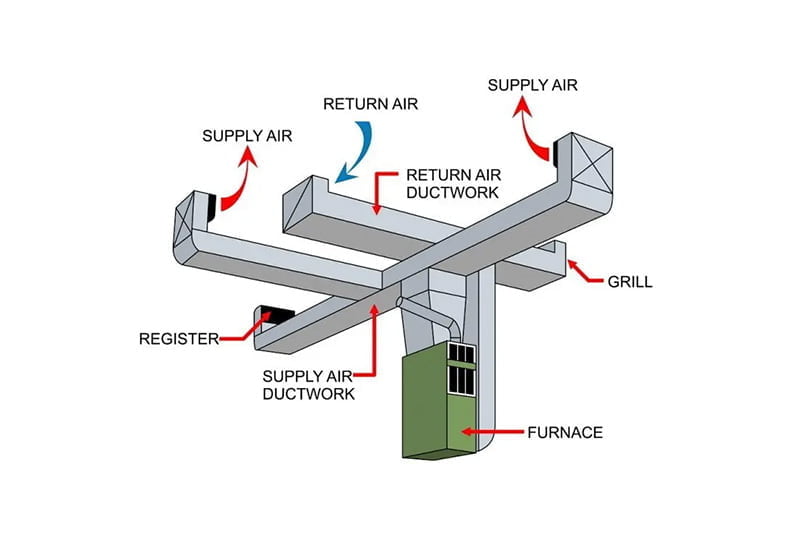
How To Identify Supply And Return Ducts
Understanding your home's HVAC (Heating, Ventilation, and Air Conditioning) system can save you money on energy bills and help you maintain a comfortable indoor environment. A key component of this system is the ductwork, which distributes heated or cooled air throughout your house. Identifying the supply and return ducts is crucial for tasks like filter replacement, system maintenance, and even improving your home's energy efficiency. This guide will walk you through the process, providing clear explanations and practical tips.
What are Supply and Return Ducts?
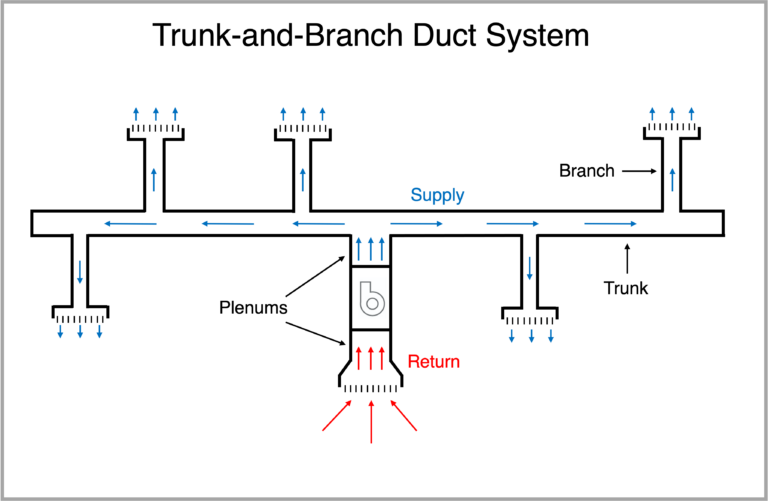
Think of your HVAC system as a breathing organism. It inhales air, processes it (heats or cools it), and then exhales the conditioned air back into your home. Supply ducts are the "exhale" – they deliver the conditioned air from your furnace or air conditioner into your rooms. Return ducts are the "inhale" – they draw air from your rooms back to the furnace or air conditioner to be reconditioned. Understanding this basic function is the first step to identification.
The Importance of Identification
Knowing the difference between supply and return ducts offers several benefits:
- Filter Replacement: Return ducts are where air filters are typically located. Incorrect placement of a filter can severely impact system performance and potentially damage your equipment.
- Troubleshooting: Identifying issues with airflow in specific rooms becomes easier when you know which ducts feed them.
- Energy Efficiency: Sealing leaks around ducts, especially supply ducts, can prevent conditioned air from escaping and reduce energy waste.
- Zoning Systems: If you have or are considering a zoning system (allowing you to control temperatures in different areas), understanding duct layout is essential.
- Professional Communication: Being able to describe your ductwork to an HVAC technician can lead to quicker and more accurate service.
Methods for Identifying Supply and Return Ducts
Several methods can help you distinguish between supply and return ducts. Let's explore some of the most common and effective approaches.
1. The Airflow Test: The Tissue Paper Method
This is perhaps the easiest and most straightforward method. You'll need a lightweight piece of tissue paper, a thin plastic bag, or even a small piece of toilet paper.
- Turn on your HVAC system: Set your thermostat to either heating or cooling, depending on the season, and ensure the system is actively running.
- Locate vents/registers: Walk through your home and find all the vents (usually rectangular or square openings in the walls, floors, or ceilings).
- Test each vent: Hold the tissue paper near a vent.
- If the tissue paper is blown away from the vent, it's a supply duct. The vent is pushing air out.
- If the tissue paper is sucked towards the vent, it's a return duct. The vent is drawing air in.
- Repeat: Test each vent in your home to identify all supply and return ducts.
This method relies on the basic principle of airflow direction. It’s a simple and effective way to get a clear indication of whether a duct is supplying or returning air.
2. Temperature Test
This method works best when there's a significant temperature difference between the air inside and outside your home (i.e., during peak heating or cooling seasons). You’ll need to allow the system to run for a decent amount of time before testing.
- Run your HVAC system: Allow your system to run for at least 15-20 minutes to stabilize the air temperature coming from the ducts.
- Feel the airflow: Hold your hand near each vent.
- If the air feels warm (in heating mode) or cool (in cooling mode), it’s likely a supply duct.
- If the air feels closer to room temperature, it’s likely a return duct. Return ducts draw in air that's already been circulating in the room.
- Consider an infrared thermometer: For a more precise measurement, use an infrared thermometer to check the air temperature coming from each vent. Compare the readings to identify the warmer/cooler supply ducts.
While not as definitive as the airflow test, the temperature test can provide a good indication, especially when used in conjunction with other methods.
3. Visual Inspection: Ductwork and Register Design
Sometimes, the design of the ductwork or the register itself can provide clues. This method requires a bit more knowledge of HVAC systems.
- Return Registers: Return registers are often larger than supply registers. This is because they need to draw in a larger volume of air to compensate for the air being supplied to the room. Look for a larger grill or vent with more open space. Also, they often have a filter behind them.
- Ductwork Size: The main return duct leading back to the air handler (furnace or AC unit) is usually larger than the main supply duct. This difference in size reflects the larger volume of air being returned.
- Ductwork Material: While not always the case, return ducts are sometimes made of different materials or have a different insulation wrapping than supply ducts. Look for variations in the type of metal or the color and thickness of the insulation.
This method is more about observing the physical characteristics of the ducts and registers. It can be helpful when combined with the other methods mentioned above.
4. The Central Unit Inspection
This method involves directly observing the ductwork connected to your furnace or air handler. Important Safety Note: Always turn off the power to your HVAC system at the breaker box before attempting any inspection of the unit itself.
- Locate your air handler: This is typically in a basement, attic, closet, or utility room.
- Identify the main ducts: Look for the large ducts connected to the unit. There will be at least one supply and one return duct.
- Trace the ductwork: Try to trace the path of the ducts as far as you can. The larger duct, especially if it has a filter slot near the unit, is likely the main return duct. The duct that splits into multiple smaller ducts leading to different areas of the house is likely the supply duct.
- Follow the airflow: With the system running (after you’ve safely inspected it with the power off), you can sometimes feel the airflow direction at the main ducts near the air handler.
This method provides a more direct view of the ductwork's layout and connections, making it easier to understand the overall system.
Important Considerations and Troubleshooting
While these methods are generally reliable, some situations can make identification more challenging.
- Poorly Designed Systems: In some older or poorly designed systems, the ductwork may be improperly sized or configured, making identification difficult.
- Leaky Ducts: Leaks in the ductwork can disrupt airflow patterns and make it harder to determine the direction of airflow. If you suspect leaks, consider having your ducts inspected and sealed by a professional.
- Balancing Dampers: Some duct systems have balancing dampers (adjustable metal plates inside the ducts) that can restrict airflow to certain areas. If a damper is closed or partially closed, it can affect the airflow at the corresponding vent.
- Unusual Vent Locations: Sometimes, vents are placed in unusual locations, such as near the floor for heating or near the ceiling for cooling. These configurations can sometimes make it harder to determine the duct type based on location alone.
- Professional Assistance: If you're still unsure after trying these methods, don't hesitate to consult a qualified HVAC technician. They have the expertise and equipment to accurately identify your ductwork and diagnose any potential problems.
Tips for Maintaining Your Ductwork
Once you've identified your supply and return ducts, consider these tips to keep your system running efficiently:
- Change Air Filters Regularly: This is perhaps the most important maintenance task. Dirty filters restrict airflow, reduce efficiency, and can damage your equipment. Check your filter monthly and replace it as needed. The recommended frequency of changing your air filters will depend on several factors, including the type of filter you're using, the number of people and pets living in your home, and the air quality in your area.
- Seal Leaky Ducts: Use duct tape or mastic sealant to seal any visible leaks in your ductwork. This will prevent conditioned air from escaping and reduce energy waste. You can also hire a professional to seal your ducts with Aeroseal, a specialized sealant that is applied internally.
- Insulate Ducts: Insulating ducts, especially those in unconditioned spaces like attics or crawl spaces, can help prevent heat loss or gain and improve energy efficiency.
- Clean Vents and Registers: Regularly clean your vents and registers to remove dust and debris that can restrict airflow. You can use a vacuum cleaner with a brush attachment or a damp cloth.
- Professional Inspection: Schedule a professional HVAC inspection at least once a year. A technician can identify and address any potential problems before they become major issues.
Conclusion
Identifying your supply and return ducts is a valuable skill for any homeowner. By using the methods outlined in this guide, you can gain a better understanding of your HVAC system, troubleshoot airflow problems, and improve your home's energy efficiency. Remember to prioritize safety when inspecting your equipment and don't hesitate to seek professional assistance if needed. By taking care of your ductwork, you can ensure a comfortable and energy-efficient home for years to come. Knowing the difference between the supply and return is an important part of homeownership.