How To Improve Air Quality In House
Improving Your Home's Air Quality: A Comprehensive Guide
Indoor air quality (IAQ) significantly impacts your health and comfort. Poor IAQ can trigger allergies, asthma, and other respiratory problems. Improving your home's air quality doesn't always require expensive solutions; often, simple maintenance and adjustments can make a huge difference. This guide provides practical steps you can take to breathe easier at home.
Understanding Common Air Quality Issues
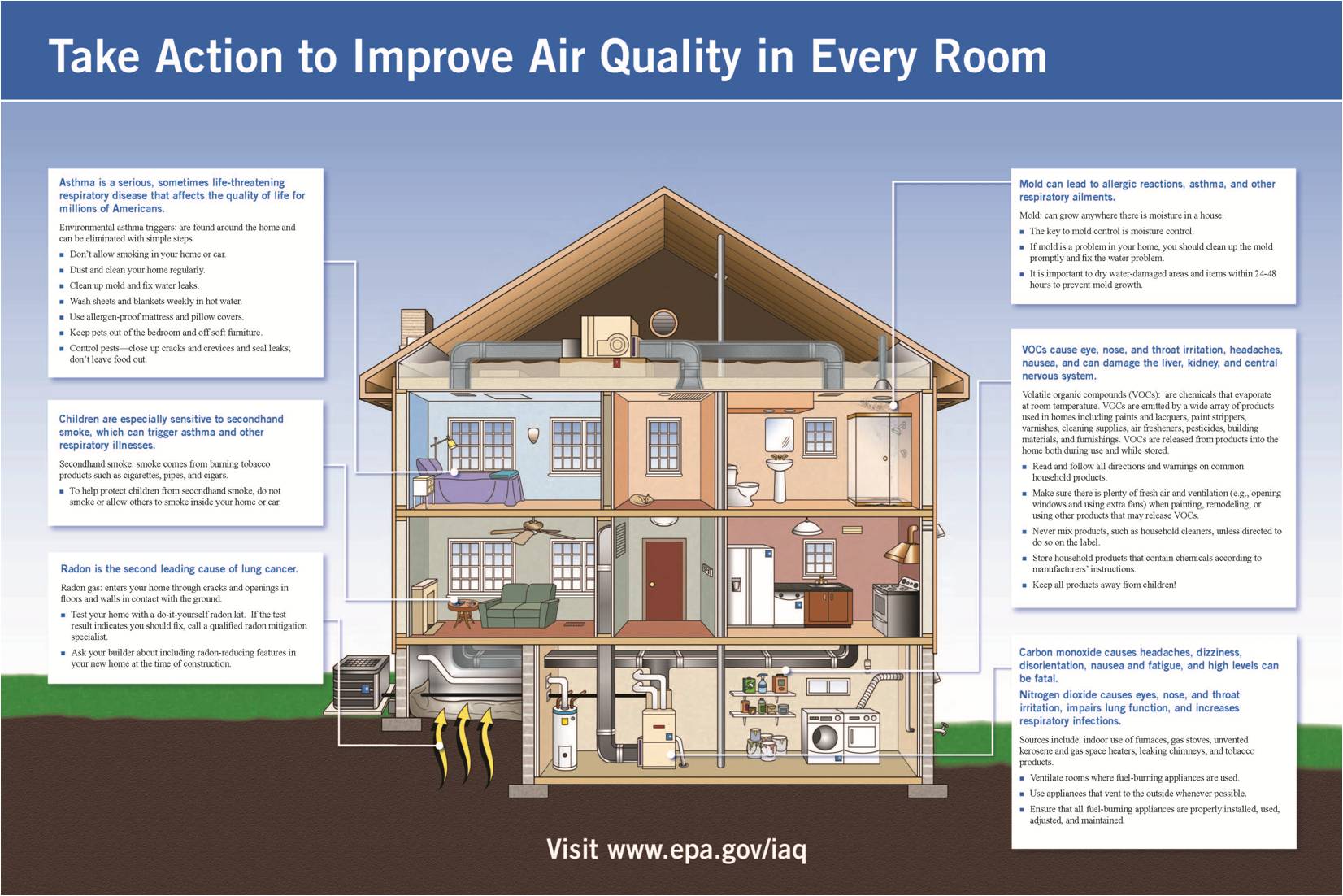
Before diving into solutions, identify potential sources of pollutants in your home. Common culprits include:
- Dust and Pollen: These allergens accumulate quickly, especially during allergy season.
- Pet Dander: Pets shed dander that can become airborne and irritate sensitive individuals.
- Mold and Mildew: Thrives in damp environments like bathrooms and basements.
- Volatile Organic Compounds (VOCs): Released from paints, cleaning products, furniture, and adhesives.
- Combustion Byproducts: From fireplaces, gas stoves, and furnaces. Carbon monoxide (CO) is a deadly, odorless gas and requires immediate attention if detected.
- Radon: A naturally occurring radioactive gas that can seep into homes from the ground.
DIY Solutions for Better Air Quality
Many effective solutions are within reach for the average homeowner. Remember to prioritize safety and consult a professional when unsure.
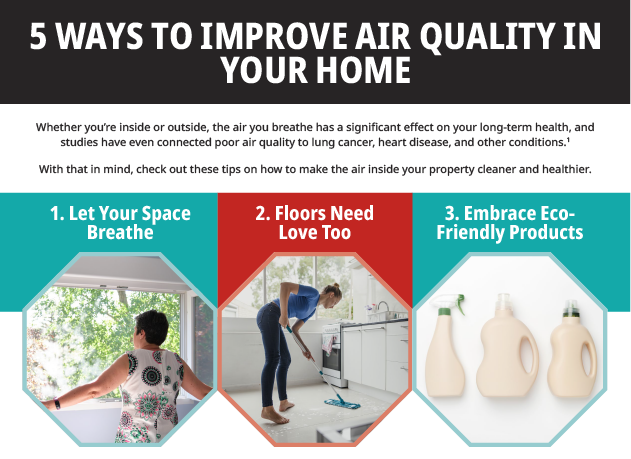
1. Regular Cleaning and Dusting
A consistent cleaning schedule is foundational. Focus on:
- Dusting surfaces: Use a microfiber cloth to trap dust instead of spreading it around.
- Vacuuming carpets and rugs: A vacuum with a HEPA filter is crucial for capturing fine particles.
- Mopping hard floors: Use a non-toxic cleaner.
- Washing bedding weekly: Hot water helps kill dust mites.
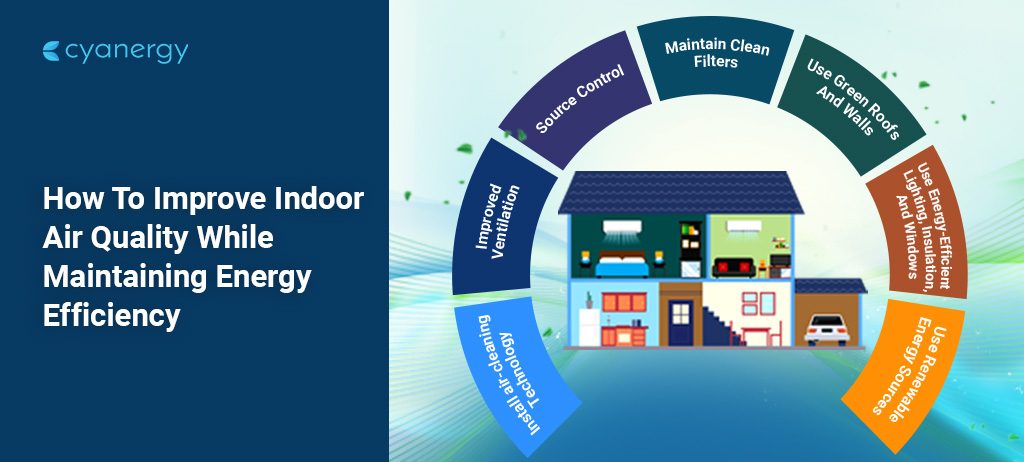
2. Improving Ventilation
Proper ventilation replaces stale, polluted air with fresh, outdoor air. Consider these options:
- Opening windows: Weather permitting, open windows regularly for cross-ventilation.
- Using exhaust fans: Run exhaust fans in bathrooms and kitchens to remove moisture and odors.
- Installing a whole-house ventilation system: A more advanced solution for continuous air exchange. Consult with an HVAC professional to determine if this is suitable for your home.
3. Air Purifiers
Air purifiers with HEPA filters effectively remove airborne particles. Choose a unit sized appropriately for the room. Some air purifiers also include activated carbon filters to absorb odors and VOCs.
Types of Air Purifiers:
- HEPA (High-Efficiency Particulate Air): Removes particles like dust, pollen, and pet dander.
- Activated Carbon: Absorbs gases, odors, and VOCs.
- UV-C Light: Kills bacteria and viruses (effectiveness varies).
- Ionic: Creates ions to attract particles (can produce ozone, which is a lung irritant).
4. Controlling Humidity
Maintaining optimal humidity levels (30-50%) prevents mold growth and dust mite proliferation.
- Use a dehumidifier: In damp basements or during humid seasons.
- Use a humidifier: During dry winter months.
- Repair leaks promptly: Address any water leaks in roofs, plumbing, or foundations.
5. HVAC System Maintenance
Your HVAC system plays a vital role in air quality. Regular maintenance is essential.
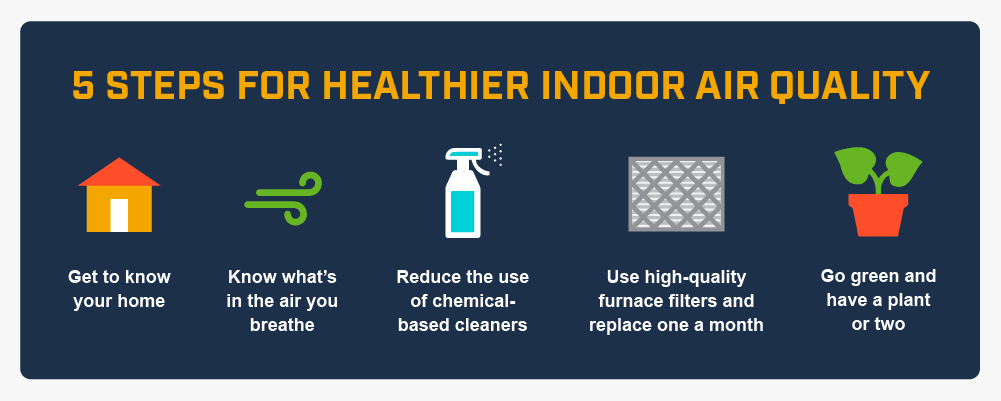
- Replacing Air Filters: Replace your HVAC air filters every 1-3 months, or as recommended by the manufacturer. Dirty filters reduce airflow and decrease efficiency. Use filters with a MERV (Minimum Efficiency Reporting Value) rating appropriate for your system. MERV 8-11 is generally suitable for homes, while higher MERV ratings offer better filtration but can restrict airflow.
- Cleaning Air Ducts: Dirty air ducts can harbor dust, pollen, and mold. Professional duct cleaning may be necessary every few years.
- Checking and Cleaning Coils: Clean evaporator and condenser coils annually to ensure efficient operation and prevent mold growth. This often requires professional assistance.
- Inspecting and Sealing Ductwork: Leaky ductwork wastes energy and can draw in pollutants from attics or crawl spaces. Seal leaks with duct mastic or metal tape.
When to Call a Professional
While many air quality improvements are DIY-friendly, some situations require professional expertise. Call an HVAC technician or air quality specialist if you encounter:
- Mold Remediation: Large mold infestations require professional removal.
- Radon Testing and Mitigation: Radon is a serious health hazard and requires specialized testing and mitigation techniques.
- Carbon Monoxide Detection: If your CO detector alarms, evacuate immediately and call emergency services.
- Complex HVAC Repairs: Repairs involving refrigerant, electrical components, or gas lines should only be performed by qualified technicians.
- Unexplained Odors or Symptoms: If you experience persistent odors or health symptoms related to air quality, consult a professional to identify the source.
Cost Considerations
The cost of improving air quality varies depending on the solutions you choose.
- Air Filters: $5 - $30 per filter (depending on type and MERV rating).
- Air Purifier: $50 - $500+ (depending on size and features).
- Dehumidifier/Humidifier: $100 - $300+.
- Duct Cleaning: $300 - $1000+ (depending on the size of the system and complexity).
- HVAC System Tune-up: $100 - $300.
- Radon Testing: $150 - $300.
- Radon Mitigation: $800 - $2500+.
- Mold Remediation: $500 - $6000+ (depending on the extent of the infestation).
Safety Precautions
Always prioritize safety when working on your HVAC system or addressing air quality issues.
- Turn off power: Before working on any electrical components, turn off the power at the circuit breaker.
- Wear protective gear: Use gloves, masks, and eye protection when handling chemicals or dusty materials.
- Read instructions carefully: Follow manufacturer's instructions for all products and equipment.
- Don't attempt repairs beyond your skill level: If you're unsure about a task, call a professional.
- Ensure proper ventilation: When using cleaning products or paints, ensure adequate ventilation.
Tools and Materials Checklist
Here's a basic list of tools and materials you might need for DIY air quality improvements:
- Vacuum cleaner with HEPA filter
- Microfiber cloths
- Non-toxic cleaning solutions
- Air filters
- Duct tape or mastic
- Screwdrivers
- Wrench
- Pliers
- Gloves
- Mask
- Eye protection
Troubleshooting Common Air Quality Problems
Here are some common problems and potential solutions:
- Problem: Musty odor. Possible Cause: Mold or mildew. Solution: Identify and eliminate the source of moisture. Clean affected areas with a mold-killing solution. If the problem is severe, call a professional.
- Problem: Stuffy air. Possible Cause: Poor ventilation. Solution: Open windows, use exhaust fans, or consider a whole-house ventilation system.
- Problem: Excessive dust. Possible Cause: Dirty air filters, leaky ductwork. Solution: Replace air filters regularly. Seal ductwork leaks. Consider a higher MERV rated air filter.
- Problem: Allergy symptoms indoors. Possible Cause: Pollen, pet dander, dust mites. Solution: Clean regularly, use a HEPA air purifier, and wash bedding frequently.
Improving your home's air quality is an ongoing process. By implementing these strategies, you can create a healthier and more comfortable living environment. Remember that regular maintenance, proactive prevention, and professional assistance when needed are key to achieving and maintaining optimal IAQ.