How To Increase The Humidity In Your Home
Many homeowners, especially during the colder months, find themselves battling excessively dry air in their homes. This dryness can lead to a host of uncomfortable issues, from dry skin and chapped lips to aggravated allergies and even damage to wooden furniture. But before you resign yourself to a season of discomfort, understand that increasing the humidity in your home is often achievable with some simple troubleshooting and proactive measures. This guide will walk you through diagnosing the problem and implementing practical, DIY solutions.
Step 1: Recognizing the Problem – Is Your Home *Really* Too Dry?
The first step is confirming that low humidity is indeed the culprit behind your discomfort. Just because you *feel* like the air is dry doesn't automatically mean it is. Subjective feelings can be misleading. To accurately assess the situation, you'll need a hygrometer.
A hygrometer is a device that measures the relative humidity in the air. They are readily available at most hardware stores or online for a reasonable price. Digital hygrometers are generally more accurate than analog models. Place the hygrometer in a central location in your home, away from direct sunlight or heat sources, and allow it to sit for several hours to get an accurate reading.
Ideal Humidity Levels
The ideal relative humidity level for your home is generally between 30% and 50%. During the winter, a slightly lower range of 30-40% is often recommended to prevent condensation on windows, which can lead to mold growth. If your hygrometer consistently reads below 30%, you likely have a low humidity problem that needs addressing.
Signs and Symptoms of Low Humidity
Even before using a hygrometer, pay attention to these common indicators of dry air:
- Dry Skin and Itchy Eyes: Low humidity pulls moisture from your skin, leading to dryness, itching, and cracking.
- Chapped Lips: Similar to your skin, your lips are highly susceptible to dryness when the air lacks moisture.
- Sore Throat and Nasal Congestion: Dry air can irritate your throat and nasal passages, leading to soreness and congestion. You might also experience nosebleeds.
- Static Electricity: An increase in static cling is a telltale sign of dry air.
- Cracking Wood Furniture or Flooring: Wood expands and contracts with changes in humidity. Extremely dry air can cause wood to shrink and crack.
- Aggravated Allergies or Asthma: Dry air can worsen respiratory problems like allergies and asthma.
Step 2: Identifying the Source of the Dry Air
Once you've confirmed that low humidity is a problem, try to identify the source. Several factors can contribute to dry air in your home:
Central Heating Systems
Forced-air heating systems (furnaces) are a primary culprit. These systems heat air and then circulate it throughout your home, often reducing the relative humidity in the process. The hotter the air, the more moisture it can hold. When heated, outside air's relative humidity drops significantly indoors.
Climate
Geographic location plays a significant role. Homes in arid climates naturally experience lower humidity levels. Even in more humid regions, winter air tends to be drier because cold air holds less moisture.
Poor Insulation and Air Leaks
Drafty windows and doors, poorly insulated walls, and cracks in your home's foundation can allow dry outside air to infiltrate your home, contributing to low humidity. This is especially impactful in colder climates.
Ventilation
While proper ventilation is essential for air quality, excessive ventilation can also dry out your home. This is because ventilation systems constantly introduce drier, outside air.
Step 3: DIY Solutions for Increasing Humidity
Fortunately, many effective solutions for increasing humidity are simple and inexpensive. Try these before considering more drastic measures:
Portable Humidifiers
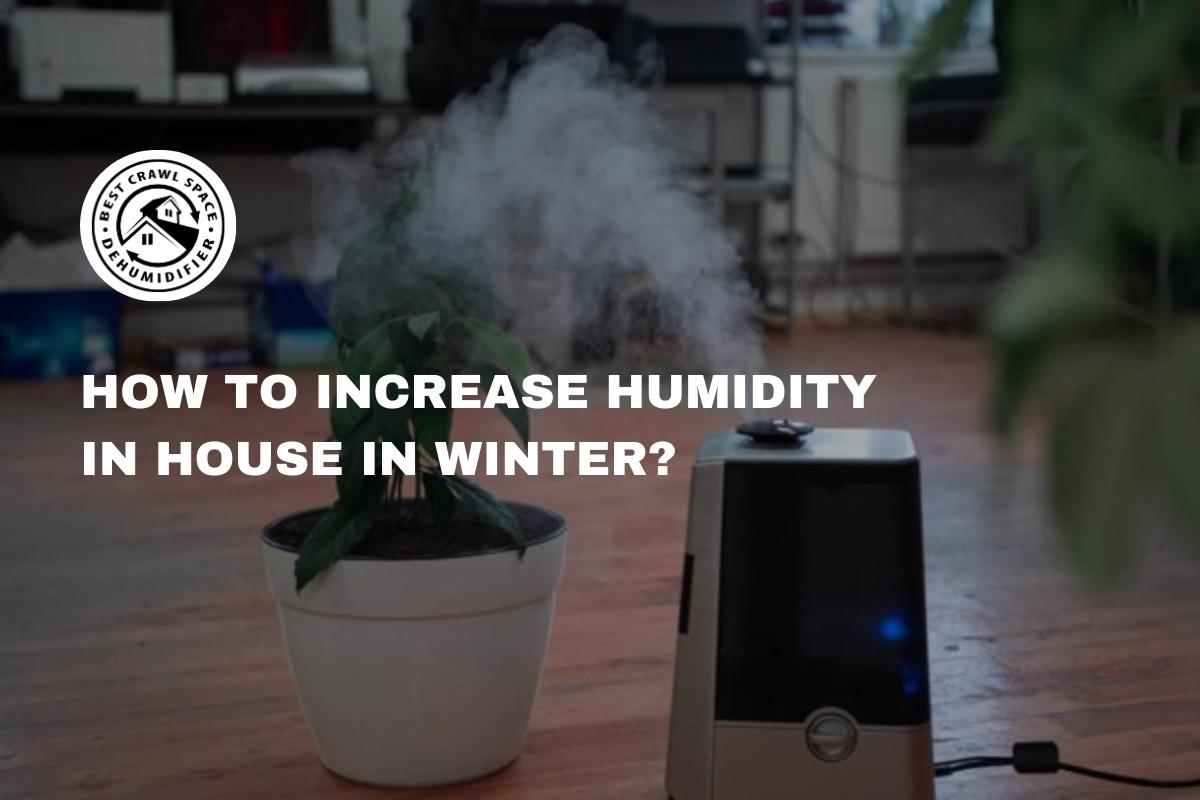
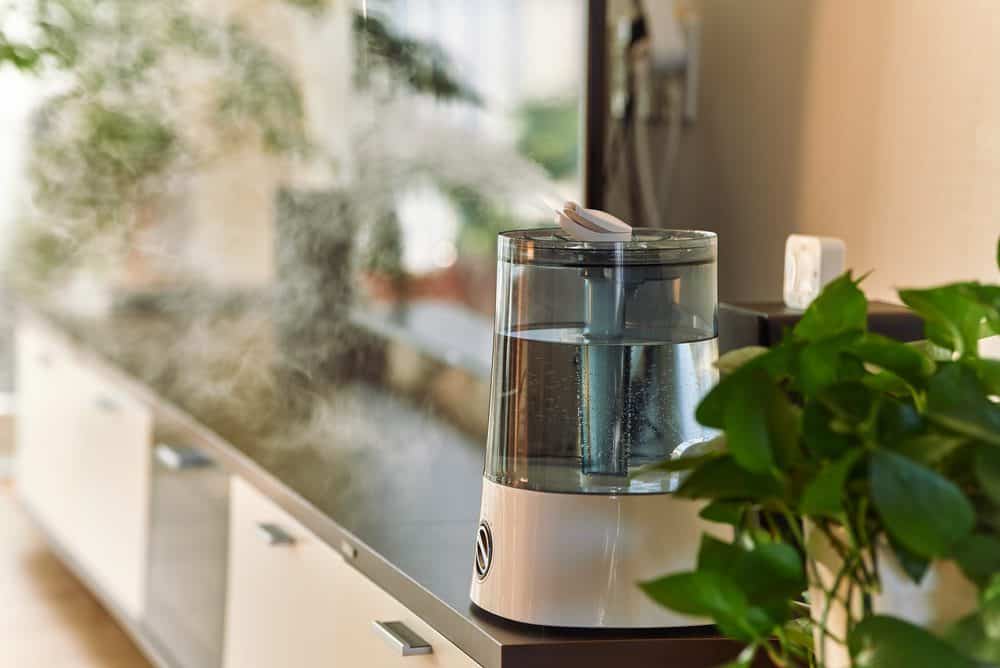
Portable humidifiers are a popular and effective solution. They come in various sizes and types, including:
- Evaporative Humidifiers: These use a wick or filter to absorb water and a fan to blow air through it, evaporating the water into the air. They are generally inexpensive and require minimal maintenance, but you will need to regularly replace the wick or filter.
- Ultrasonic Humidifiers: These use high-frequency sound vibrations to create a fine mist that is released into the air. They are quiet and energy-efficient, but they can sometimes produce white dust if you use hard water.
- Warm Mist Humidifiers: These boil water and release steam into the air. They can help kill bacteria in the water, but they use more energy and can be a burn hazard.
How to Use a Portable Humidifier Effectively:
- Choose the Right Size: Select a humidifier that is appropriately sized for the room you want to humidify.
- Use Distilled Water: Tap water contains minerals that can cause buildup and white dust. Distilled water is recommended.
- Clean Regularly: Follow the manufacturer's instructions for cleaning your humidifier to prevent mold and bacteria growth. Clean it at least once a week.
- Monitor Humidity Levels: Use a hygrometer to ensure you're not over-humidifying the room, which can lead to mold.
- Placement: Place the humidifier in a central location in the room, away from furniture and walls.
Houseplants
Houseplants naturally release moisture into the air through transpiration. They are also aesthetically pleasing and can improve air quality. Choose plants known for their high transpiration rates, such as:
- Boston Fern
- Peace Lily
- Snake Plant
- Spider Plant
- Areca Palm
Tips for Maximizing Humidity from Plants:
- Group Plants Together: Grouping plants creates a microclimate with higher humidity.
- Water Regularly: Well-hydrated plants transpire more moisture.
- Mist Plants Regularly: Misting plants directly increases humidity around them.
Open Water Sources
Simply placing bowls or vases of water around your home can help increase humidity. The water will slowly evaporate into the air. Consider adding decorative stones or flowers to the water for aesthetic appeal. You can also use a decorative fountain for similar effect.
Simmering Water on the Stove
Simmering a pot of water on the stove is a quick and easy way to add moisture to the air, especially during cold days. Add spices like cinnamon sticks or cloves for a pleasant scent.
Important Safety Note: Never leave a pot of simmering water unattended.
Take Longer, Hotter Showers (and Leave the Door Open Slightly)
While it might seem counterintuitive to waste water, leaving the bathroom door slightly open after a hot shower or bath allows the steam to escape and humidify the surrounding area. Be mindful of potential condensation issues if your bathroom isn't properly ventilated.
Dry Clothes Indoors (Strategically)
Drying clothes indoors, especially on a drying rack, adds moisture to the air as the water evaporates from the clothes. However, be cautious about doing this excessively, as it can also increase the risk of mold growth. Ensure the room is well-ventilated. Avoid drying clothes indoors if anyone in your household has allergies or asthma.
Seal Air Leaks
Sealing air leaks around windows, doors, and other openings prevents dry outside air from entering your home and reduces the amount of humidified air that escapes. Use caulk or weather stripping to seal gaps and cracks. This will not only help with humidity but also save energy and lower your heating bills.
Step 4: When to Call a Professional
While the above DIY solutions can often significantly improve humidity levels, there are situations where professional intervention is necessary:
Whole-House Humidifier Installation
If you have a central heating system and consistently struggle with low humidity throughout your entire home, a whole-house humidifier may be the best solution. These humidifiers are integrated into your HVAC system and automatically maintain optimal humidity levels. Consult with an HVAC professional to determine the appropriate size and type of humidifier for your home.
Persistent Mold Growth
If you notice persistent mold growth despite taking measures to control humidity, it's crucial to address the underlying cause. Mold can be a sign of excessive moisture or a leak in your home's structure. A professional mold remediation specialist can assess the situation and recommend appropriate solutions.
Significant Air Leaks
If you suspect significant air leaks in your home that are beyond your ability to seal, consult with a home energy auditor. They can identify and address air leaks throughout your home, improving both humidity levels and energy efficiency.
Unexplained Health Issues
If you experience unexplained health issues that you suspect are related to air quality, consult with a medical professional. They can help determine the cause of your symptoms and recommend appropriate treatment.
Troubleshooting a Whole-House Humidifier That Isn't Working
If you already have a whole-house humidifier and it's not working correctly, don't attempt complex repairs yourself. Contact an HVAC technician. Common problems include:
- Water Supply Issues: Make sure the humidifier is properly connected to a water supply and that the water is turned on. Check for kinks or blockages in the water line.
- Humidistat Problems: Ensure the humidistat (humidity sensor) is set to the desired level and is functioning correctly.
- Clogged Pads or Filters: Regularly replace the humidifier pads or filters according to the manufacturer's instructions. Clogged pads can significantly reduce the humidifier's effectiveness.
- Electrical Issues: Check the humidifier's power supply and wiring.
Key Takeaways for Maintaining Optimal Humidity
Increasing humidity in your home is often a manageable task with the right knowledge and tools. Remember these crucial points:
- Monitor Humidity Levels: Regularly check your home's humidity levels with a hygrometer.
- Identify and Address Sources of Dry Air: Be aware of the factors that contribute to low humidity in your home.
- Implement DIY Solutions: Try simple and affordable methods like using humidifiers, houseplants, and open water sources.
- Maintain Proper Ventilation: Ensure adequate ventilation to prevent mold growth.
- Seal Air Leaks: Prevent dry outside air from entering your home.
- Know When to Call a Professional: Don't hesitate to seek professional help when necessary.
By following these steps, you can create a more comfortable and healthy living environment for yourself and your family, especially during the dry winter months. A little proactive effort can go a long way in improving your indoor air quality and overall well-being.