How To Install A Dehumidifier In Crawl Space

Crawl spaces, those often-forgotten areas beneath our homes, are prone to moisture buildup. This dampness can lead to a host of problems, including mold growth, wood rot, and pest infestations. A dehumidifier is a crucial tool in controlling this moisture, but proper installation is key to its effectiveness. This guide will walk you through the process of installing a dehumidifier in your crawl space, ensuring it operates optimally and keeps your home healthy.
Understanding the Importance of Crawl Space Dehumidification
Before diving into the installation process, it's crucial to understand why dehumidifying your crawl space is so important. Excess moisture in this area can lead to:
- Mold and Mildew Growth: Damp environments are breeding grounds for mold, which can trigger allergies and respiratory problems.
- Wood Rot: Moisture weakens wooden structural components, compromising the integrity of your home.
- Pest Infestations: Many pests, like termites and rodents, thrive in damp conditions.
- Increased Energy Bills: Moisture can make your HVAC system work harder, leading to higher energy consumption.
- Musty Odors: Unpleasant smells can permeate your home from a damp crawl space.
By installing a dehumidifier, you can mitigate these risks and protect your home's value and your family's health.
Preparing for Installation
Before you start, gather the necessary tools and materials. This will make the installation process smoother and more efficient.
Tools and Materials You'll Need:
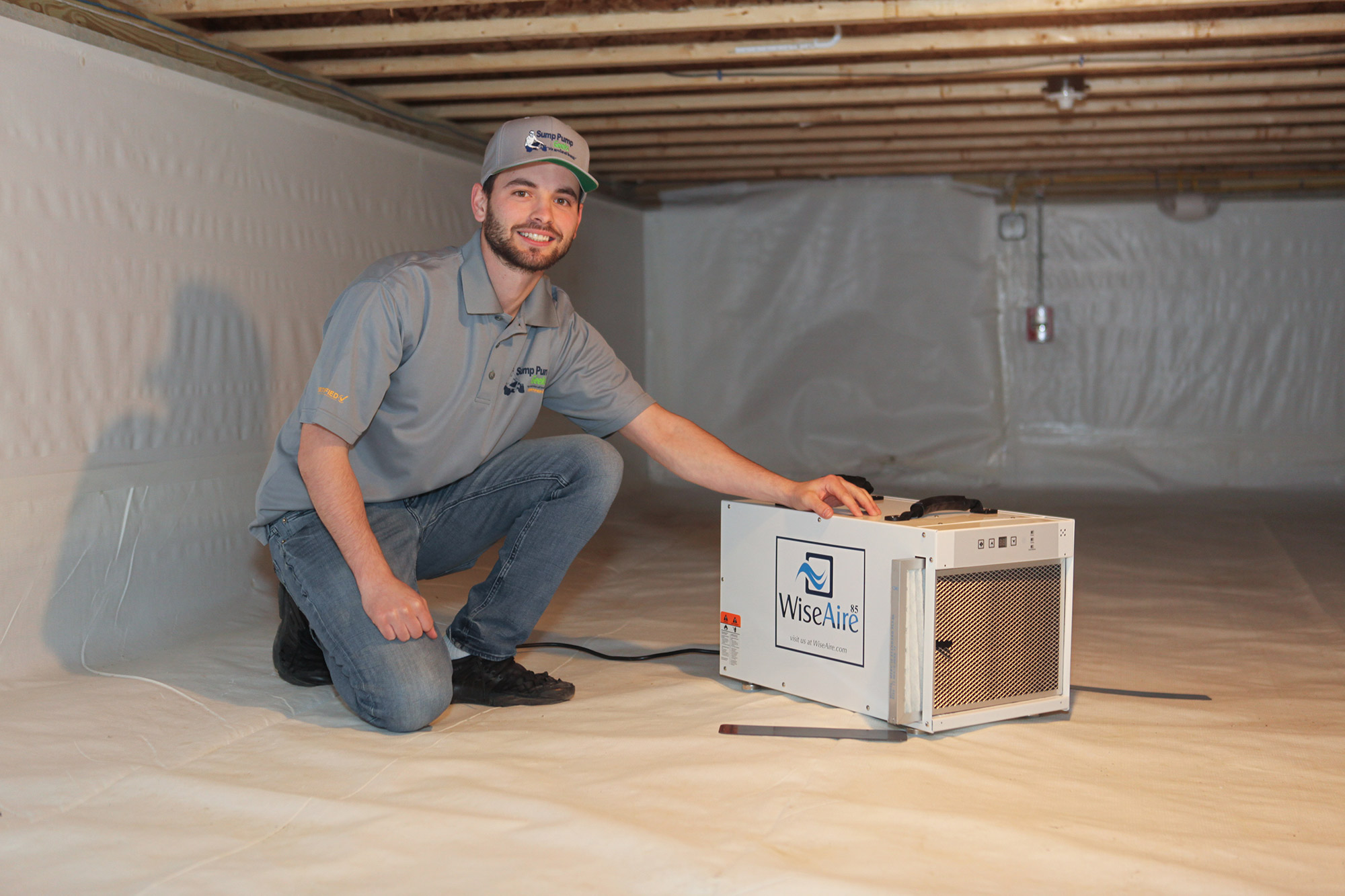
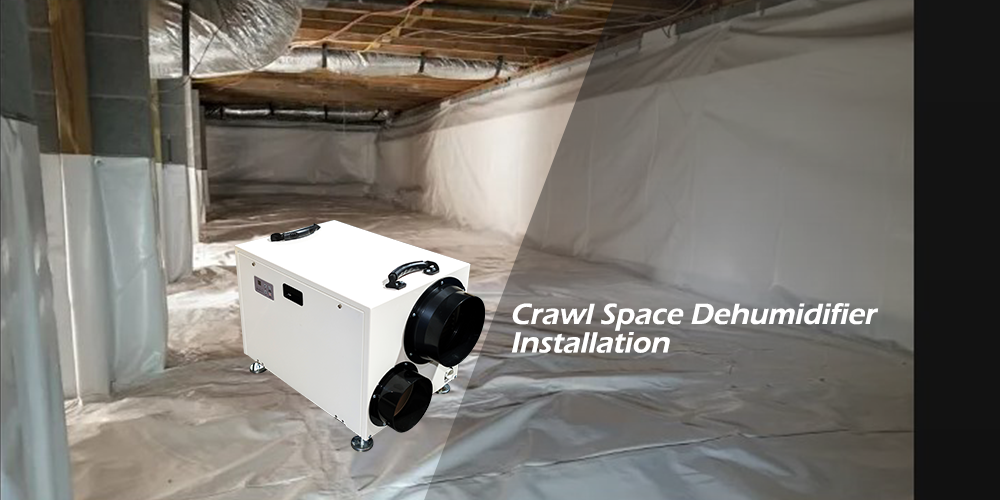
- Dehumidifier: Choose a model designed for crawl spaces, considering its size and capacity.
- Drainage Hose: Ensure it's long enough to reach a suitable drainage point.
- Level: To ensure the dehumidifier sits evenly.
- Gloves: For protection against dirt and potential hazards.
- Safety Glasses: To protect your eyes from debris.
- Screwdriver: For securing the drainage hose and any mounting hardware.
- Crawl Space Suit or Old Clothes: Crawl spaces can be dirty and cramped.
- Flashlight or Headlamp: Essential for visibility in the dimly lit crawl space.
- Measuring Tape: To measure the crawl space and the length of the drainage hose.
- Optional: A condensate pump if gravity drainage isn't possible.
Choosing the Right Dehumidifier
Selecting the appropriate dehumidifier for your crawl space is paramount. Consider these factors:
- Crawl Space Size: Measure the square footage of your crawl space. Dehumidifiers are rated by the amount of moisture they can remove per day (pints). A general guideline is 30-50 pints for a small crawl space (under 1000 sq ft), 50-70 pints for a medium crawl space (1000-1500 sq ft), and 70+ pints for a large crawl space (over 1500 sq ft).
- Temperature: Crawl spaces can get cold. Choose a dehumidifier designed to operate in low temperatures, as some models are less effective in colder environments.
- Drainage Options: Consider whether you can use gravity drainage or if you'll need a condensate pump to remove the collected water.
- Energy Efficiency: Look for an Energy Star certified model to save on electricity costs.
- Features: Some dehumidifiers have features like automatic shut-off, adjustable humidity settings, and air filters.
Preparing the Crawl Space
Before installing the dehumidifier, prepare the crawl space to maximize its effectiveness.
- Clear Debris: Remove any debris, such as leaves, branches, and construction materials.
- Seal Vents: Consider sealing crawl space vents to prevent outside air from entering. This will make the dehumidifier more efficient. Vapor barriers are an effective solution to stop ground moisture from rising and further contributing to the problem.
- Address Standing Water: If there is standing water, address the source of the leak before installing the dehumidifier. A dehumidifier can't handle large amounts of standing water.
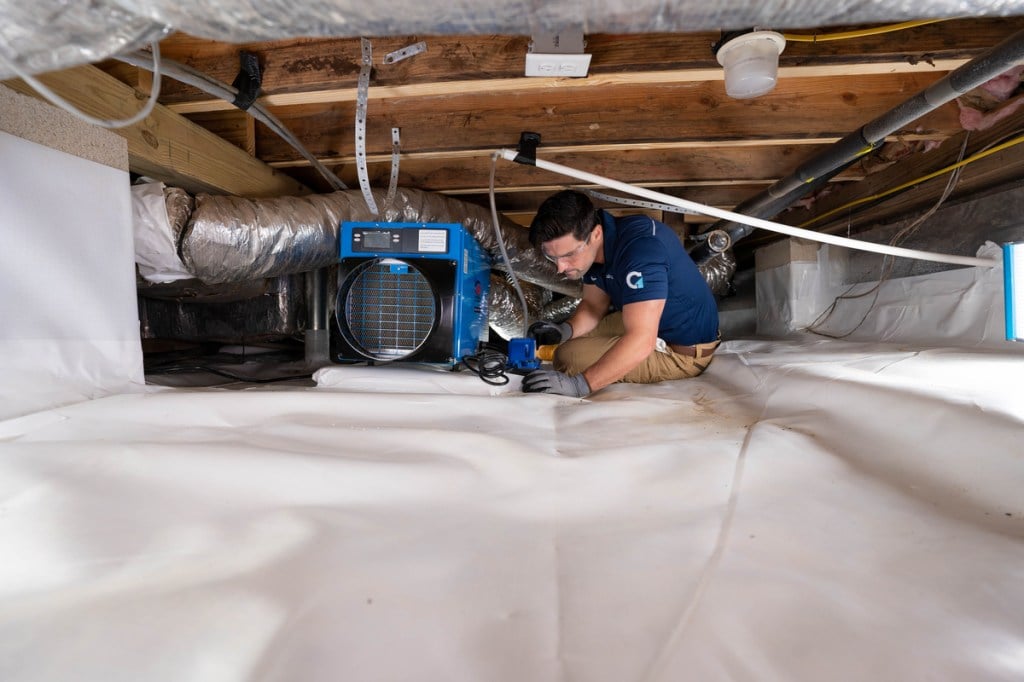
- Install a Vapor Barrier (Recommended): A vapor barrier is a plastic sheet that covers the ground in the crawl space. This helps to prevent moisture from evaporating into the air. Overlap seems by at least 12 inches and tape all seams and connections to piers and walls.
Step-by-Step Installation Guide
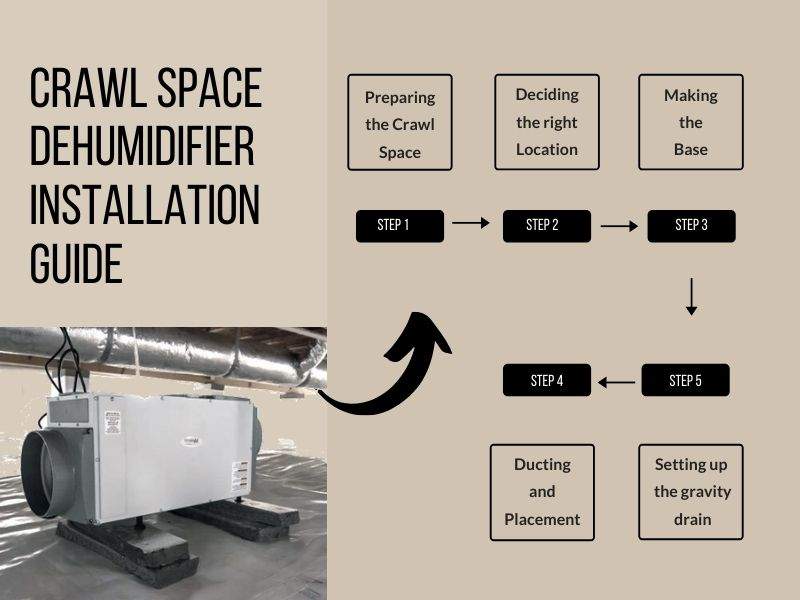
Follow these steps to install your crawl space dehumidifier correctly.
Step 1: Positioning the Dehumidifier
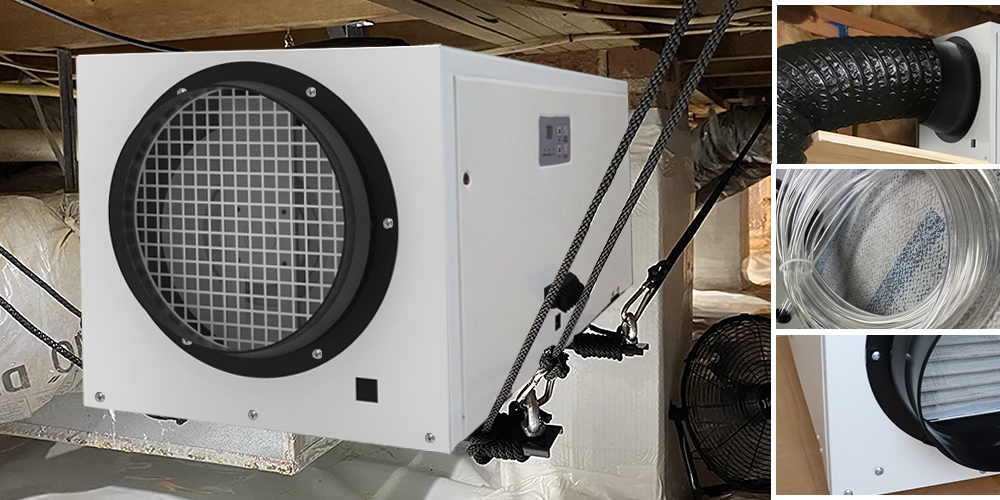
- Choose a Central Location: Place the dehumidifier in a central location within the crawl space to ensure even moisture removal.
- Ensure Level Placement: Use a level to ensure the dehumidifier is sitting evenly. Uneven placement can affect its performance.
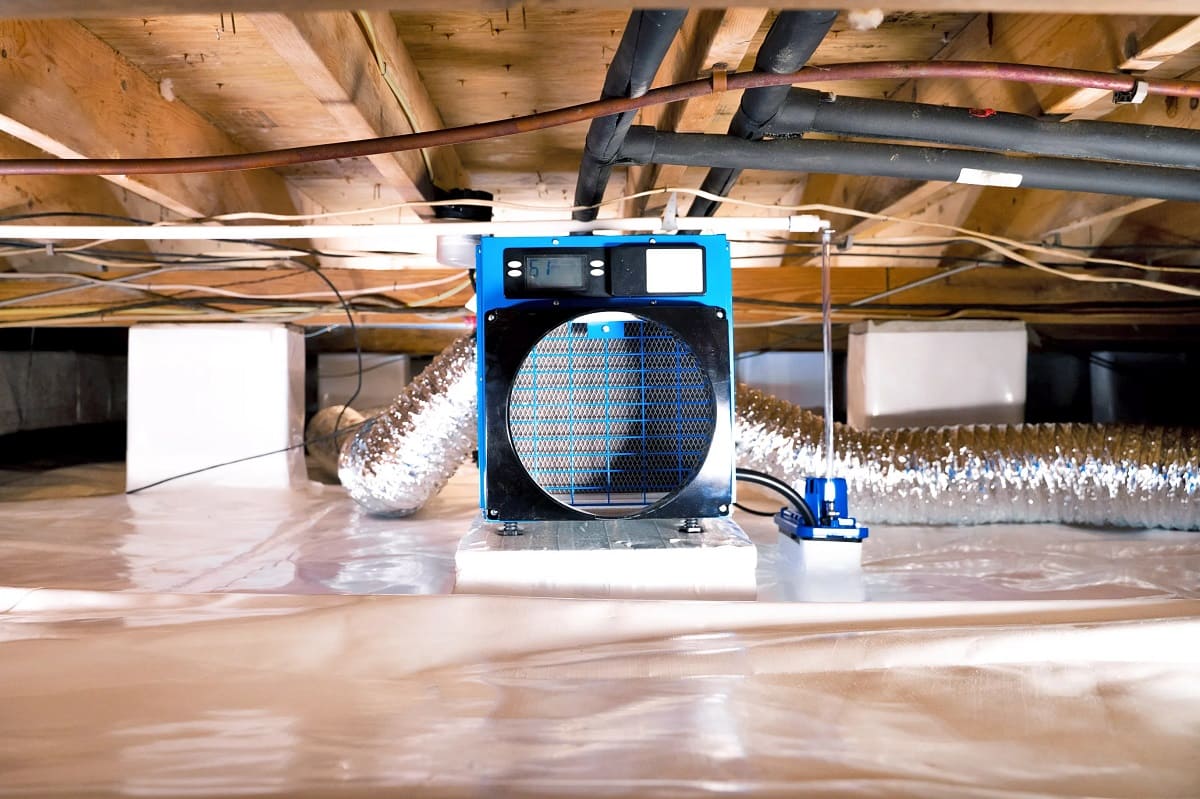
- Elevate the Dehumidifier (Optional): Consider placing the dehumidifier on concrete blocks or a platform to keep it off the ground and protect it from potential flooding.
- Avoid Obstructions: Ensure there are no obstructions around the dehumidifier that could restrict airflow.
Step 2: Setting Up Drainage
Proper drainage is crucial for the dehumidifier to function effectively.
- Gravity Drainage: If possible, use gravity drainage. Attach the drainage hose to the dehumidifier's outlet and run it to a suitable drainage point, such as a sump pump pit or an exterior drain. Ensure the hose slopes downward continuously to allow for proper water flow.
- Condensate Pump: If gravity drainage isn't possible, use a condensate pump. Place the pump near the dehumidifier and connect the drainage hose to the pump's reservoir. The pump will automatically pump the water out of the crawl space.
- Secure the Hose: Use clamps or zip ties to secure the drainage hose to the dehumidifier and the drainage point. This will prevent leaks.
- Test the Drainage: Pour a small amount of water into the dehumidifier's reservoir or directly into the drainage hose to ensure the drainage system is working properly.
Step 3: Connecting the Power Supply
Ensure a safe and reliable power connection.
- Dedicated Circuit: Ideally, the dehumidifier should be plugged into a dedicated circuit to avoid overloading the electrical system.
- GFCI Outlet: Use a GFCI (Ground Fault Circuit Interrupter) outlet for safety, especially in damp environments.
- Extension Cord (If Necessary): If you need to use an extension cord, choose a heavy-duty, outdoor-rated cord that is appropriate for the dehumidifier's wattage.
- Avoid Overloading: Do not plug other appliances into the same outlet as the dehumidifier.
- Always unplug the dehumidifier before performing any maintenance or repairs.
Step 4: Setting the Humidity Level
Adjust the humidity settings for optimal performance.
- Recommended Humidity Level: Aim for a humidity level between 50% and 60%. This will prevent mold growth and other moisture-related problems.
- Adjust the Settings: Use the dehumidifier's control panel to set the desired humidity level. Start with a higher setting and gradually lower it until you reach the desired level.
- Monitor the Humidity: Use a hygrometer to monitor the humidity level in the crawl space and adjust the dehumidifier's settings as needed.
Step 5: Testing and Monitoring
After installation, test the dehumidifier and monitor its performance.
- Initial Operation: Let the dehumidifier run for at least 24 hours to see how it performs.
- Check Drainage: Regularly check the drainage hose to ensure it's not clogged and that water is flowing properly.
- Monitor Humidity Levels: Use a hygrometer to monitor the humidity level in the crawl space and adjust the dehumidifier's settings as needed.
- Listen for Unusual Noises: Pay attention to any unusual noises coming from the dehumidifier, such as rattling or grinding sounds. These could indicate a problem.
- Regular Maintenance: Clean the dehumidifier's filter regularly to ensure it's operating efficiently.
Troubleshooting Common Issues
Even with proper installation, you might encounter some issues with your crawl space dehumidifier. Here's a troubleshooting guide to help you resolve common problems.
Issue: Dehumidifier Not Turning On
- Check the Power Cord: Ensure the power cord is securely plugged into the outlet.
- Check the Circuit Breaker: Check the circuit breaker to see if it has tripped. If so, reset it. If it trips again, there may be an electrical problem. Consult a qualified electrician.
- Check the Power Switch: Make sure the power switch is in the "on" position.
- Check the Float Switch: Some dehumidifiers have a float switch that prevents them from operating if the water reservoir is full or improperly positioned. Ensure the reservoir is empty and properly installed.
Issue: Dehumidifier Not Removing Enough Moisture
- Check the Humidity Setting: Make sure the humidity setting is low enough.
- Check the Filter: A dirty filter can restrict airflow and reduce the dehumidifier's efficiency. Clean or replace the filter.
- Check for Air Leaks: Seal any air leaks in the crawl space to prevent outside air from entering.
- Check the Drainage: Ensure the drainage hose is not clogged and that water is flowing properly.
- Check the Size of the Dehumidifier: If the dehumidifier is too small for the crawl space, it may not be able to remove enough moisture. Consider upgrading to a larger model.
- Temperature too low: Dehumidifiers rated for higher temperatures may not work properly if the temperature is too low in the crawlspace.
Issue: Dehumidifier Running Constantly
- Check the Humidity Setting: Make sure the humidity setting is not too low.
- Check for Air Leaks: Seal any air leaks in the crawl space to prevent outside air from entering.
- Check the Drainage: Ensure the drainage hose is not clogged and that water is flowing properly.
- Check the Filter: Clean or replace the filter.
- Excessive Moisture Source: Check the crawl space for leaks from plumbing or the foundation. Repair these issues before relying solely on the dehumidifier.
Issue: Dehumidifier Making Unusual Noises
- Check for Loose Parts: Check for any loose parts, such as the fan blades or the motor. Tighten any loose screws or bolts.
- Check for Obstructions: Check for any obstructions in the fan blades or the motor. Remove any debris.
- Worn Motor: If the motor is making a grinding or squealing noise, it may be worn out and need to be replaced. This repair is best left to a qualified technician.
Issue: Water Leaking From Dehumidifier
- Check the Drainage Hose: Ensure the drainage hose is securely connected to the dehumidifier and the drainage point. Tighten any loose clamps or fittings.
- Check the Water Reservoir: Ensure the water reservoir is properly installed and not cracked or damaged.
- Condensate Pump Malfunction: If you're using a condensate pump, check to see if it's functioning correctly. Clean or replace the pump if necessary. Consult a professional if you are unsure how to do this safely.
When to Call a Professional
While many dehumidifier issues can be resolved with basic troubleshooting, some problems require the expertise of a qualified technician. It's important to know when to call a professional to avoid further damage or safety hazards.
Call a professional if:
- You are not comfortable working with electrical appliances.
- The dehumidifier has a refrigerant leak. Refrigerant is a hazardous substance that should only be handled by trained professionals.
- The dehumidifier's motor is making unusual noises or is not working properly.
- The dehumidifier is experiencing frequent electrical problems, such as tripping the circuit breaker.
- You suspect there is a more serious issue with the dehumidifier that you cannot diagnose or repair yourself.
By following this guide, you can successfully install a dehumidifier in your crawl space and maintain a healthy and dry environment for your home. Remember to prioritize safety and consult a professional when necessary. With a properly installed and maintained dehumidifier, you can protect your home from the damaging effects of moisture and enjoy a healthier living environment.