How To Install A Ductless Ac
Mastering Ductless AC Installation: A Comprehensive Guide for HVAC Professionals
The demand for efficient and adaptable climate control solutions is surging, and ductless AC systems, also known as mini-splits, are leading the charge. For HVAC students, seasoned technicians, and employers seeking top talent, understanding ductless AC installation is no longer optional—it’s essential for career advancement and business growth.
The Rising Tide of Ductless Systems: Market Trends and Job Outlook
The global ductless AC market is experiencing significant growth. A report by Global Market Insights projects the market to reach over $45 billion by 2025. This expansion is fueled by factors such as increased energy efficiency demands, ease of installation in retrofit applications, and the ability to zone individual rooms for customized climate control. The U.S. Bureau of Labor Statistics projects an overall growth of 4% for HVAC mechanics and installers from 2022 to 2032, with specialized skills like ductless AC installation being in even higher demand.
This translates to excellent career opportunities. HVAC professionals who are proficient in ductless AC installation can command higher salaries and enjoy greater job security. Entry-level positions often start around $40,000 per year, while experienced technicians with specialized skills and certifications can earn upwards of $70,000 annually. Specialty roles like project managers and system designers can even surpass $90,000.
Ductless AC Installation: A Step-by-Step Guide
Proper installation is crucial for the performance and longevity of a ductless AC system. Here’s a breakdown of the key steps:
1. Planning and Preparation:
Before you even touch a tool, thorough planning is key.
- Load Calculation: Determine the appropriate BTU (British Thermal Unit) rating for the space to be cooled. Factors include room size, insulation, window area, and occupancy. Software tools and industry standard manuals like the ACCA (Air Conditioning Contractors of America) Manual J are invaluable here.
- System Selection: Choose a ductless AC system that meets the BTU requirements and features desired functionality, such as heat pump capability, inverter technology, and smart controls. Researching different brands and models is a must!
- Permitting and Codes: Ensure you comply with all local building codes and obtain the necessary permits before starting the installation. Code violations can lead to costly fines and delays.
- Site Assessment: Inspect the installation site for any potential obstructions, structural limitations, and accessibility issues. Verify electrical capacity and grounding is adequate.
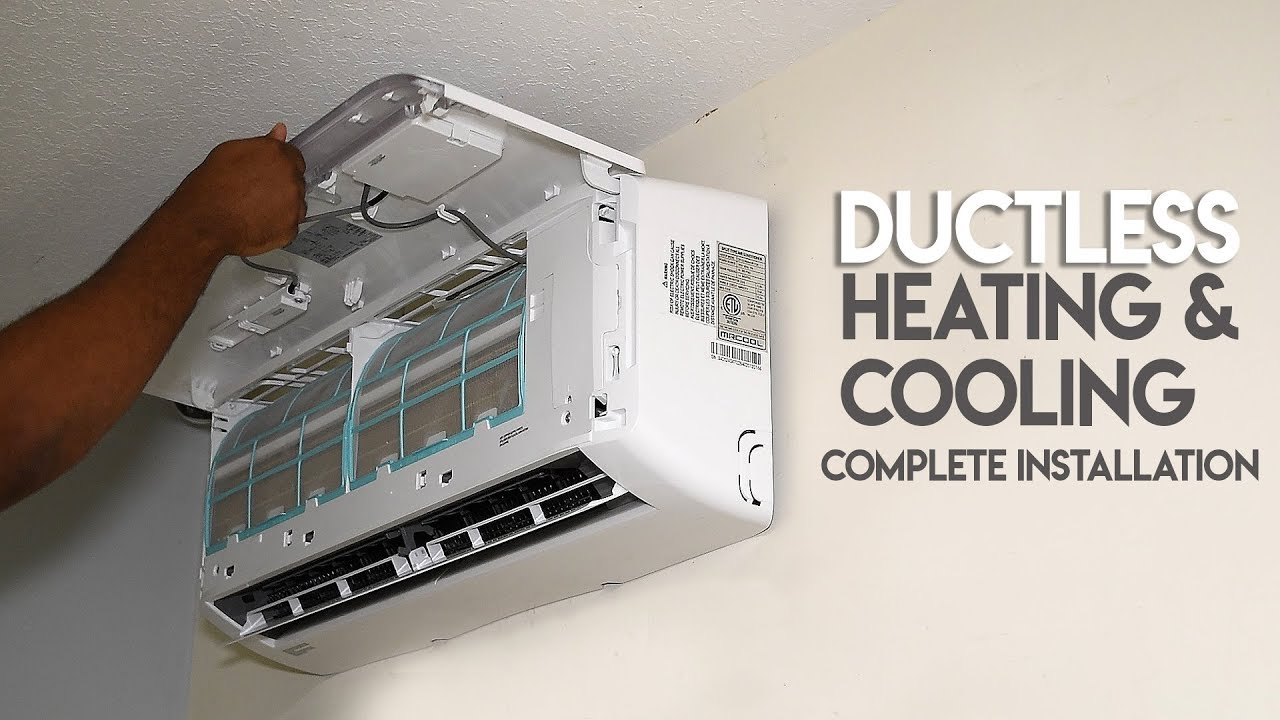
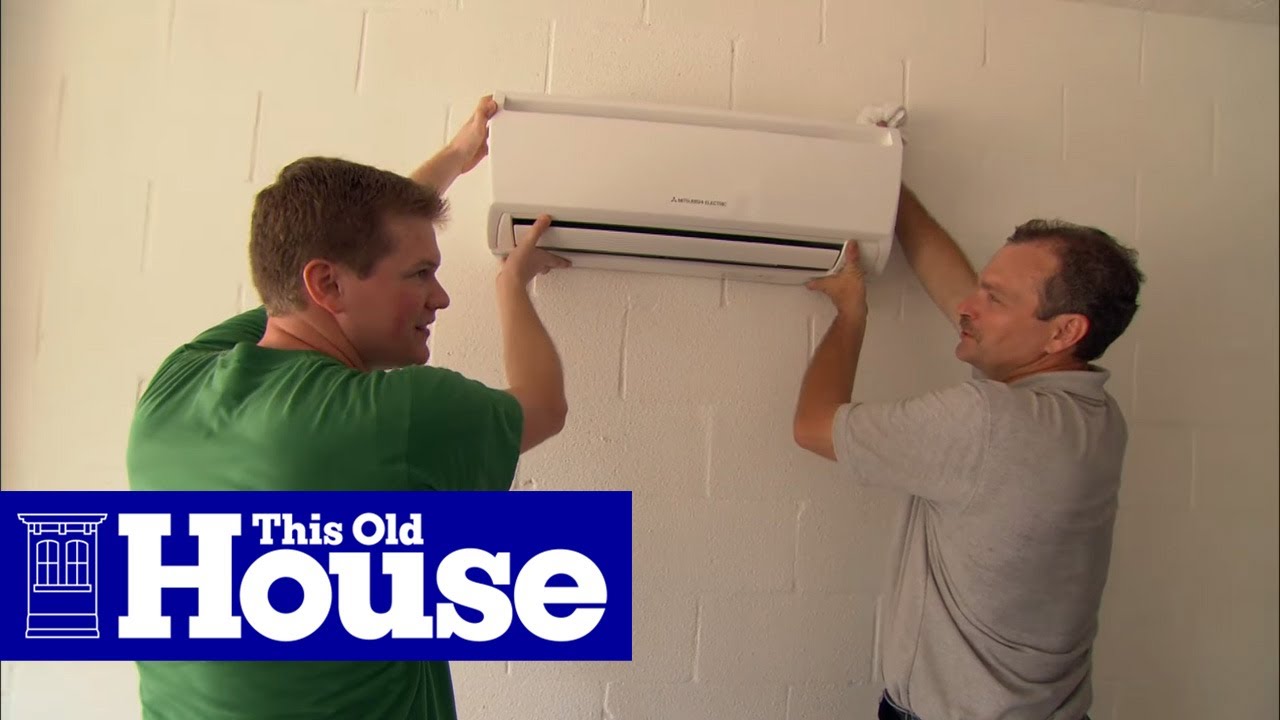
2. Mounting the Indoor Unit:
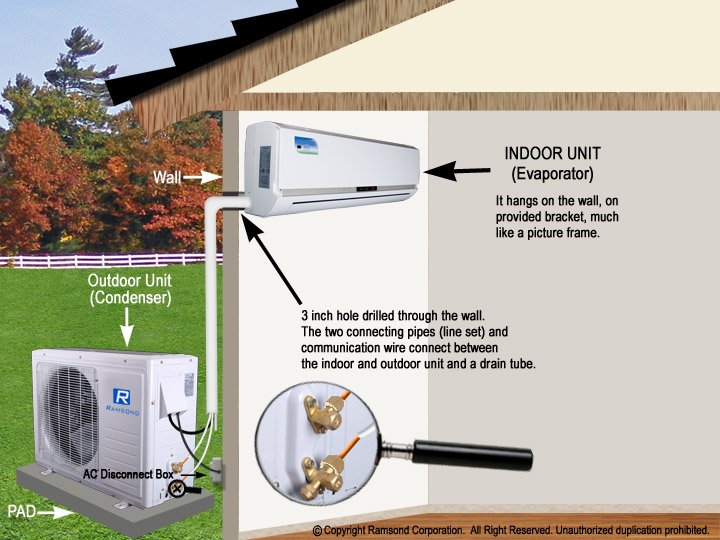
The indoor unit (also called the evaporator) needs a solid foundation.
- Location, Location, Location: Select a mounting location that allows for proper airflow and condensate drainage. Avoid placing the unit near heat sources or in direct sunlight.
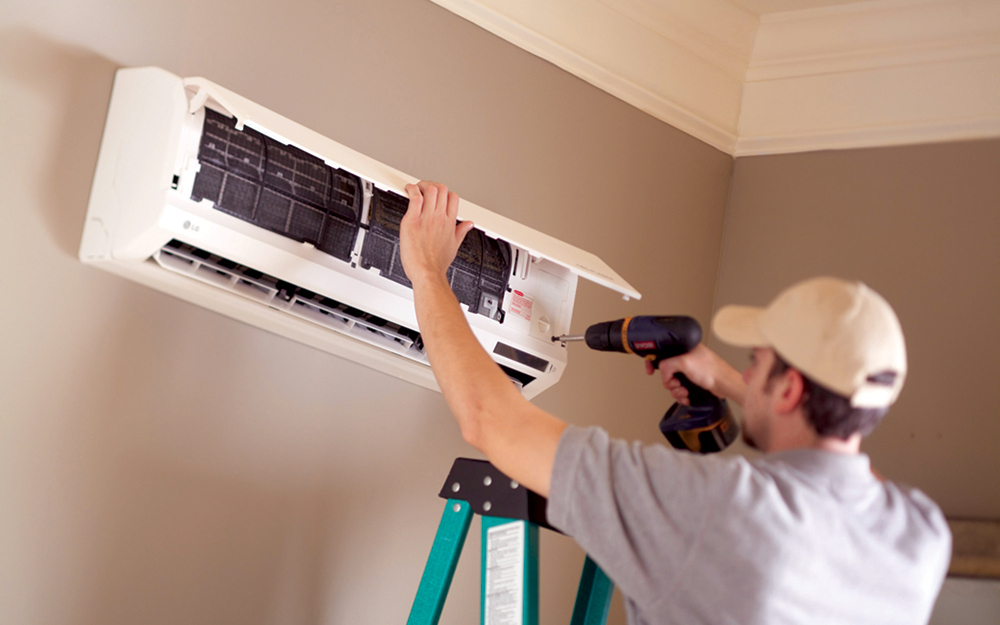
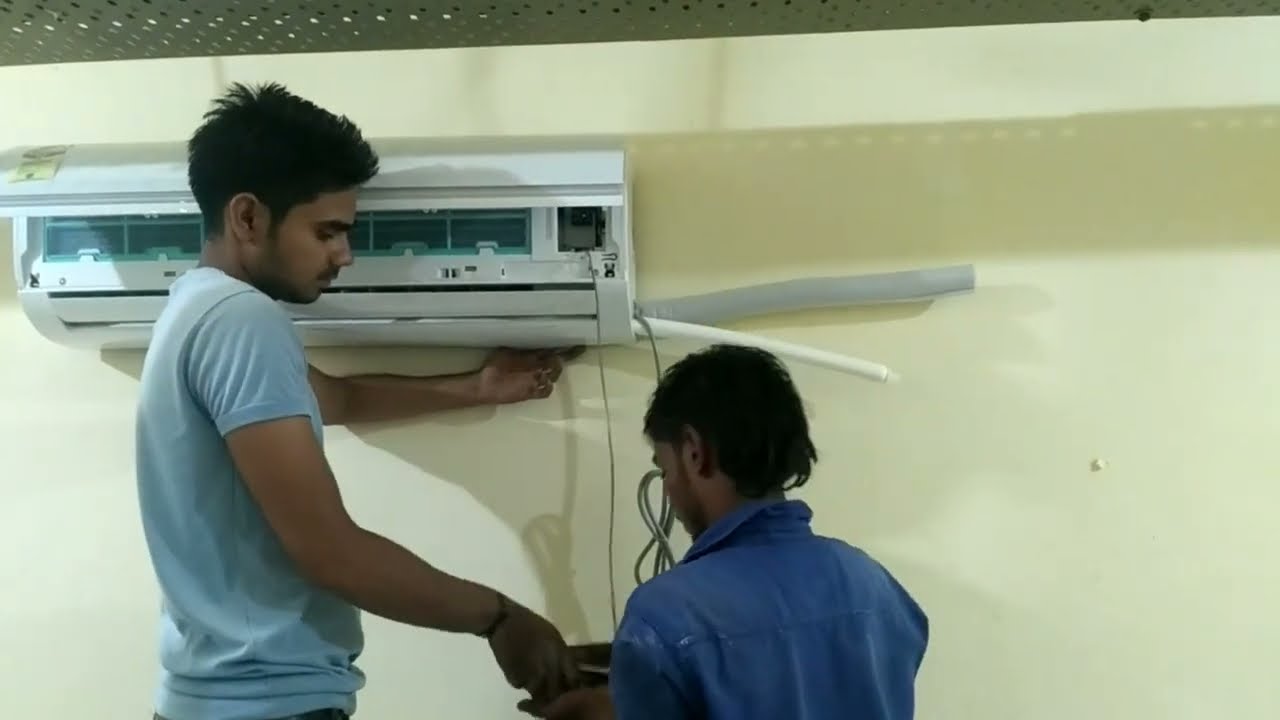
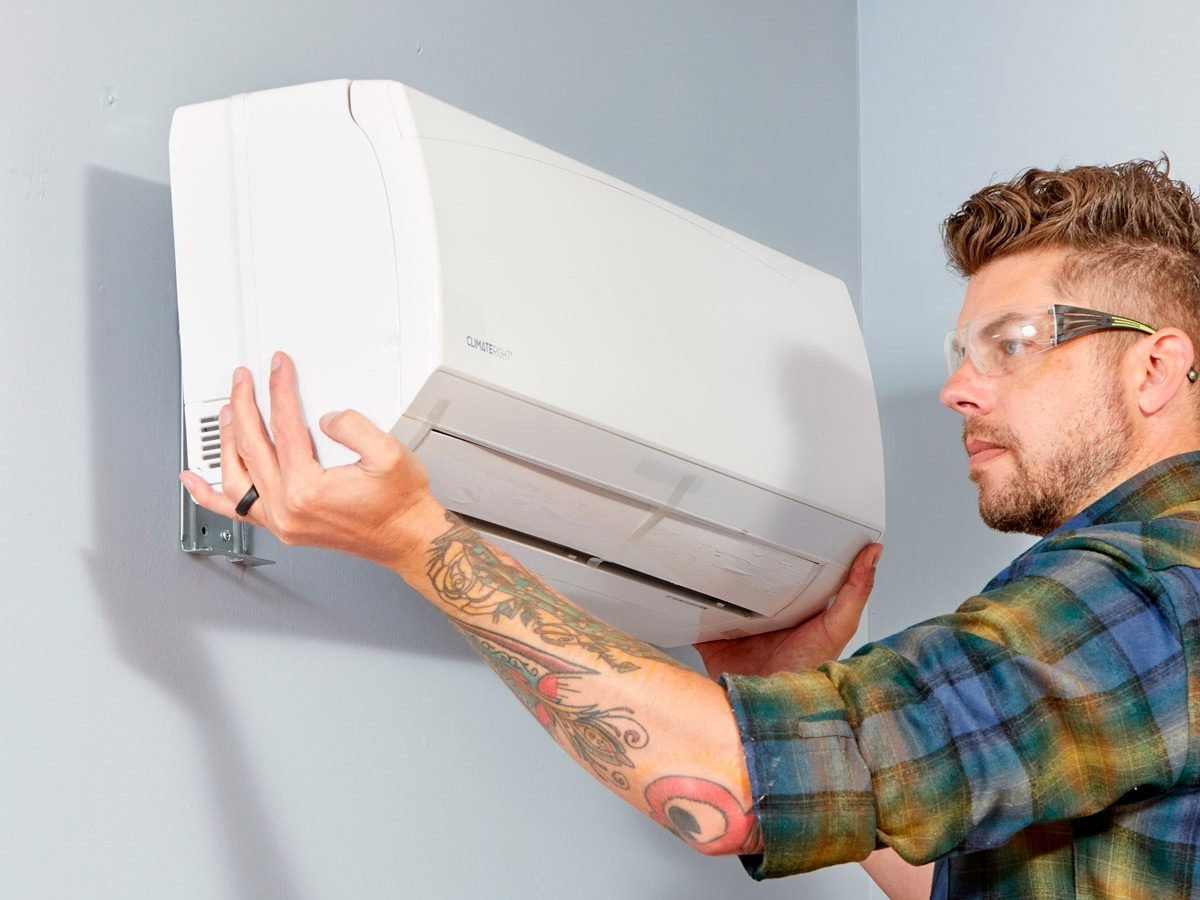
- Secure Mounting: Use a sturdy mounting bracket that is appropriate for the wall type. Ensure the bracket is level and securely fastened to the wall studs.
- Drilling and Wiring: Drill a hole through the wall for the refrigerant lines, condensate drain line, and electrical wiring. Seal the hole properly to prevent air leaks and moisture infiltration.
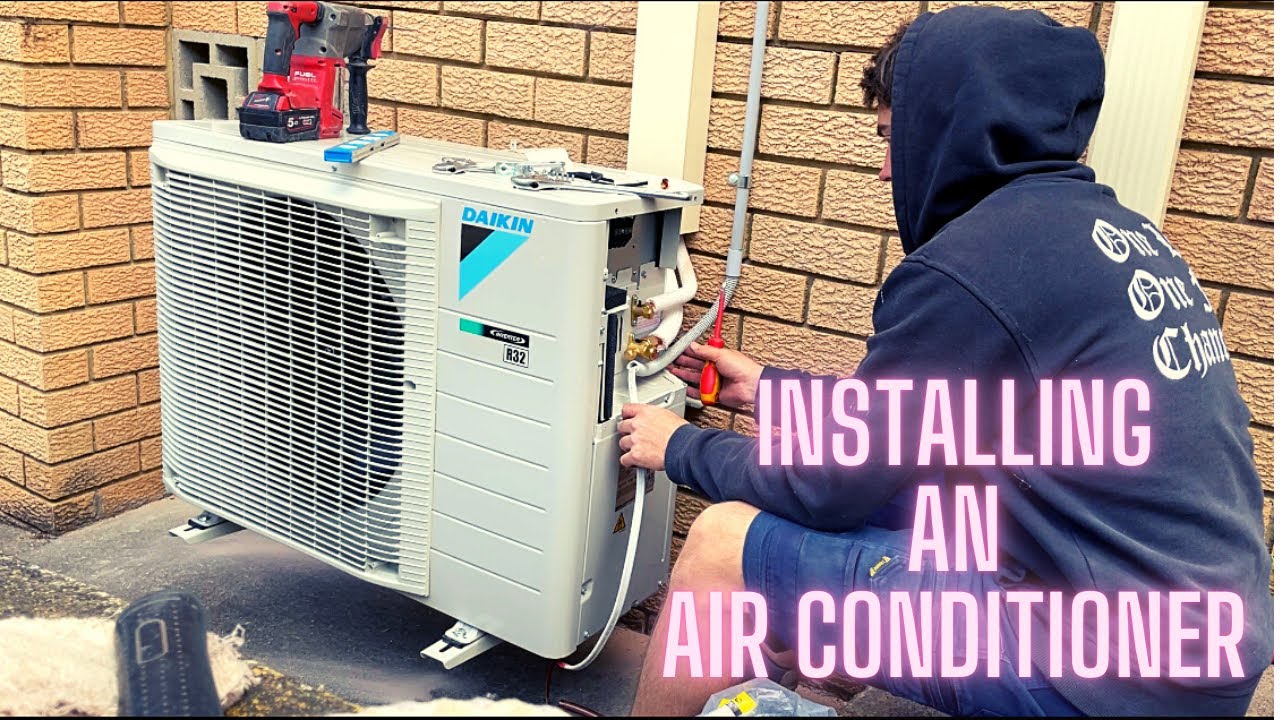
3. Installing the Outdoor Unit:
The outdoor unit (condenser) needs adequate space and ventilation.
- Clearance is Key: Provide sufficient clearance around the outdoor unit for proper airflow and maintenance access. Consult the manufacturer's specifications for minimum clearance requirements.
- Level Ground: Mount the unit on a level concrete pad or mounting bracket. Avoid placing it directly on the ground, as this can lead to corrosion and damage.
- Electrical Connections: Connect the electrical wiring to the outdoor unit, ensuring proper voltage and grounding. Always disconnect power before working with electrical components.
4. Connecting Refrigerant Lines:
This is where precision and attention to detail are paramount.
- Line Set Installation: Carefully run the refrigerant lines between the indoor and outdoor units, avoiding sharp bends or kinks. Insulate the lines to prevent heat loss and condensation.
- Flaring and Connections: Use a flaring tool to create properly flared connections at the indoor and outdoor units. Tighten the connections to the manufacturer's specified torque to prevent leaks.
- Nitrogen Purge: Purge the refrigerant lines with dry nitrogen to remove any air or moisture before charging the system with refrigerant.
5. Evacuating and Charging the System:
Vacuum and then charge the system with refrigerant with calibrated accuracy.
- Vacuuming the System: Connect a vacuum pump to the refrigerant lines and evacuate the system to remove any remaining air, moisture, and non-condensables. Achieve a vacuum level specified by the manufacturer (typically around 500 microns).
- Refrigerant Charging: Charge the system with the correct type and amount of refrigerant, according to the manufacturer's specifications. Use a refrigerant scale to accurately measure the charge.
- Leak Testing: Thoroughly leak test all refrigerant connections using a leak detector. Repair any leaks immediately.
6. System Testing and Commissioning:
Ensure the system is operating correctly and efficiently.
- Performance Monitoring: Monitor the system's performance to ensure it is operating within the manufacturer's specifications. Check supply and return air temperatures, refrigerant pressures, and electrical voltage.
- Control System Configuration: Configure the system's control settings, such as temperature setpoints, fan speeds, and timer programs.
- Customer Education: Educate the customer on the proper operation and maintenance of the ductless AC system. Provide them with the owner's manual and warranty information.
Certifications and Training: Elevating Your Skills
Formal training and certifications are essential for demonstrating competence and credibility in the HVAC industry.
- EPA 608 Certification: Required by the EPA for anyone who handles refrigerants. This certification covers the proper handling, recovery, and recycling of refrigerants to protect the ozone layer. There are four types of EPA 608 certifications: Type I, Type II, Type III, and Universal. Each allows for different applications and scope of practice.
- NATE (North American Technician Excellence) Certification: NATE offers certifications in various HVAC specialties, including air conditioning and heat pumps. NATE certification demonstrates a technician's knowledge and skills to employers and customers.
- Manufacturer Training Programs: Many ductless AC manufacturers offer training programs specifically designed for their products. These programs provide in-depth knowledge of installation, service, and troubleshooting.
- Vocational Schools and Apprenticeships: Vocational schools and apprenticeship programs offer comprehensive HVAC training, including classroom instruction and hands-on experience.
Career Paths in Ductless AC Systems: Opportunities Abound
Proficiency in ductless AC installation opens doors to various career paths:
- HVAC Technician: Install, maintain, and repair ductless AC systems in residential and commercial settings.
- HVAC Installer: Specialize in the installation of ductless AC systems, working with contractors and homeowners.
- HVAC Service Technician: Focus on the service and repair of ductless AC systems, diagnosing and resolving technical issues.
- HVAC Sales Engineer: Sell ductless AC systems to customers, providing technical expertise and product recommendations.
- HVAC Project Manager: Manage ductless AC installation projects, overseeing budgets, schedules, and personnel.
Real-World Example: Maria Rodriguez started her career as an HVAC apprentice after graduating from a vocational school. She obtained her EPA 608 certification and then specialized in ductless AC systems through manufacturer training programs. Within five years, she became a lead installer for a large HVAC company, earning a salary of over $75,000 per year.
Employer's Perspective: Hiring for Ductless AC Expertise
For employers, hiring technicians with ductless AC expertise is a strategic investment. These skills are in high demand, and technicians with specialized knowledge can contribute to increased efficiency, customer satisfaction, and profitability. When hiring, look for:
- Certifications: EPA 608 and NATE certifications are strong indicators of competence.
- Experience: Look for candidates with proven experience in ductless AC installation and service.
- Training: Prioritize candidates who have completed manufacturer training programs or have experience with specific ductless AC brands.
- Problem-Solving Skills: Ductless AC systems can present unique challenges, so look for candidates with strong troubleshooting and problem-solving skills.
- Customer Service Skills: Technicians often interact directly with customers, so excellent communication and customer service skills are essential.
"Having technicians certified to install ductless systems allows us to bid on jobs other companies can't handle. It's a significant competitive advantage." - John Smith, Owner, Smith HVAC
Staying Ahead of the Curve: Continuous Learning and Adaptation
The HVAC industry is constantly evolving, with new technologies and regulations emerging regularly. To stay ahead of the curve, HVAC professionals must commit to continuous learning and adaptation.
- Attend Industry Conferences: Industry conferences and trade shows provide opportunities to learn about the latest technologies and trends.
- Read Trade Publications: Stay informed about industry news and best practices by reading trade publications and online resources.
- Take Continuing Education Courses: Enhance your skills and knowledge by taking continuing education courses offered by manufacturers, vocational schools, and industry associations.
- Network with Other Professionals: Build relationships with other HVAC professionals to share knowledge and learn from each other.
Mastering ductless AC installation is a pathway to a successful and rewarding career in the HVAC industry. By investing in training, certifications, and continuous learning, you can position yourself for long-term success and contribute to the growing demand for energy-efficient and adaptable climate control solutions. The HVAC field offers more than just a job; it's a chance to build a career that is vital to our world.