How To Install A Electric Tankless Water Heater

Installing an electric tankless water heater can provide on-demand hot water, save space, and potentially reduce energy costs. However, it's a project that requires careful planning and execution due to the high voltage electrical requirements and plumbing modifications involved. This guide provides a comprehensive overview for homeowners, HVAC technicians, and facility managers considering this upgrade.
Understanding Electric Tankless Water Heaters
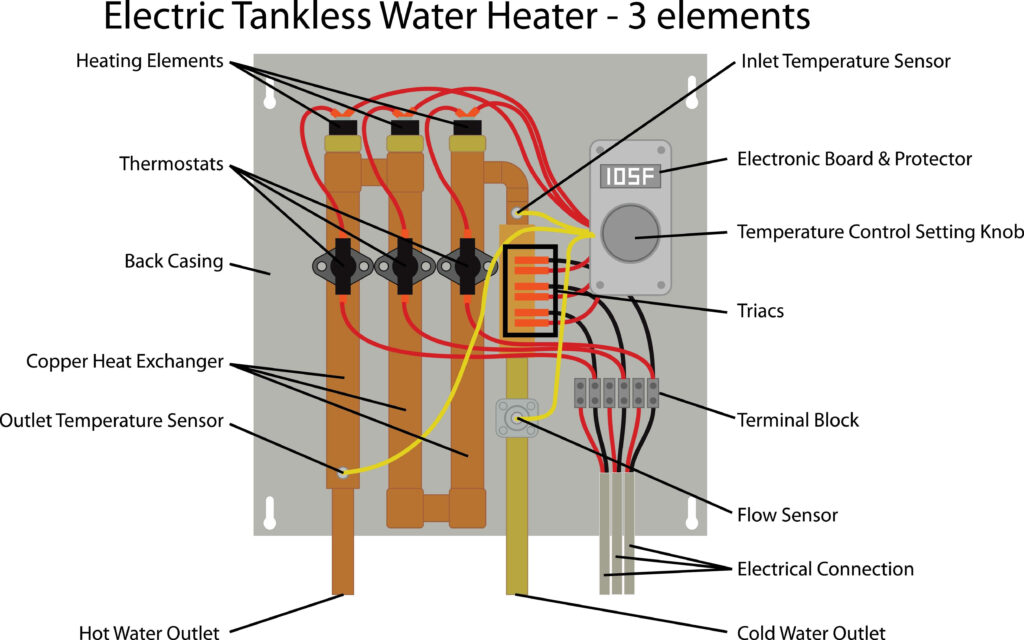
Unlike traditional tank water heaters that constantly heat and store a large volume of water, electric tankless water heaters heat water only when you need it. This eliminates standby heat loss, which is a significant energy drain for tank models. The key components include:
- Heating elements: These high-powered elements rapidly heat the water as it flows through the unit.
- Flow sensor: Detects water flow and activates the heating elements.
- Temperature sensor: Monitors the water temperature and adjusts the heating elements accordingly.
- Control board: The brain of the unit, managing all functions and safety features.
Tankless heaters are rated by their flow rate (gallons per minute, or GPM) and temperature rise. The temperature rise is the difference between the incoming water temperature and the desired output temperature. For example, if your incoming water is 50°F and you want hot water at 120°F, you need a temperature rise of 70°F. A higher GPM rating allows you to run multiple hot water fixtures simultaneously without a significant drop in temperature.
Planning the Installation
Before purchasing an electric tankless water heater, several factors must be considered:
Electrical Capacity
This is the most critical aspect. Electric tankless water heaters require significant electrical power, often demanding multiple dedicated circuits. A whole-house unit can require 100-200 amps at 240 volts. Consult a licensed electrician to assess your electrical panel's capacity and determine if an upgrade is necessary. An insufficient electrical supply is a common reason for tankless heater malfunction and can be a fire hazard. Newer homes built to more modern electrical codes are often better suited for this upgrade.
Plumbing Requirements
Tankless water heaters typically use 1/2-inch or 3/4-inch water lines. Ensure your existing plumbing can handle the required flow rate. Copper or PEX piping is recommended. A pressure regulator may be required if your water pressure is too high.
Venting
While electric tankless water heaters don't produce exhaust gases like gas-fired models, proper ventilation is still important to prevent moisture buildup. Locate the unit in a well-ventilated area.
Local Codes and Permits
Always check your local building codes and obtain the necessary permits before starting the installation. This ensures the installation meets safety standards and avoids potential fines.
Step-by-Step Installation Guide
Disclaimer: This guide is for informational purposes only. Electric tankless water heater installation involves working with high voltage electricity and plumbing, which can be dangerous. It is strongly recommended to hire a qualified and licensed electrician and plumber to perform the installation.
- Shut Off the Power and Water: Turn off the main power breaker to the water heater's circuit and close the main water shut-off valve. Drain any remaining water from the existing water heater.
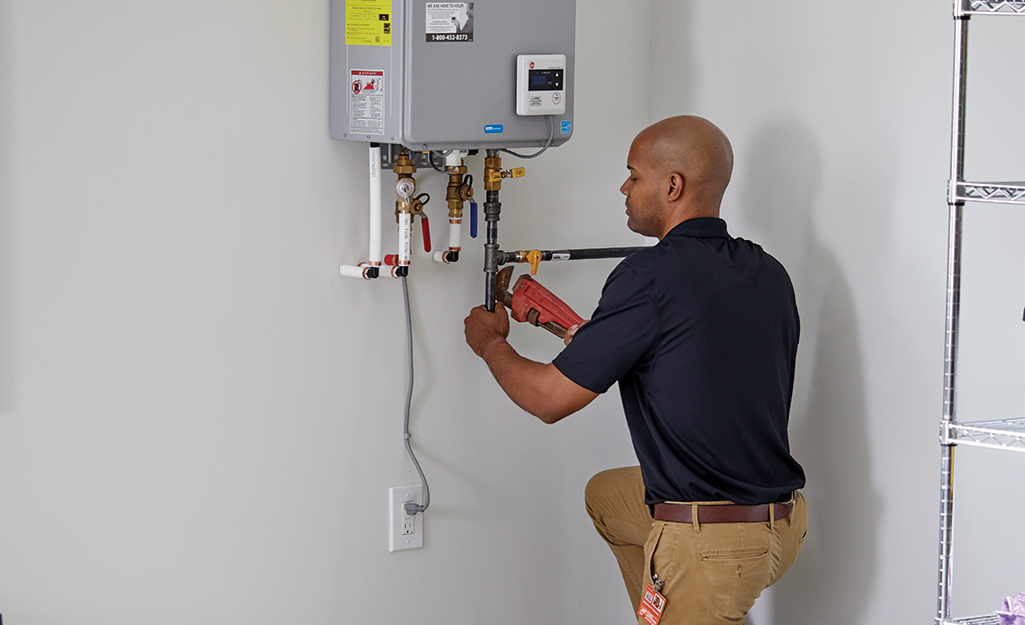
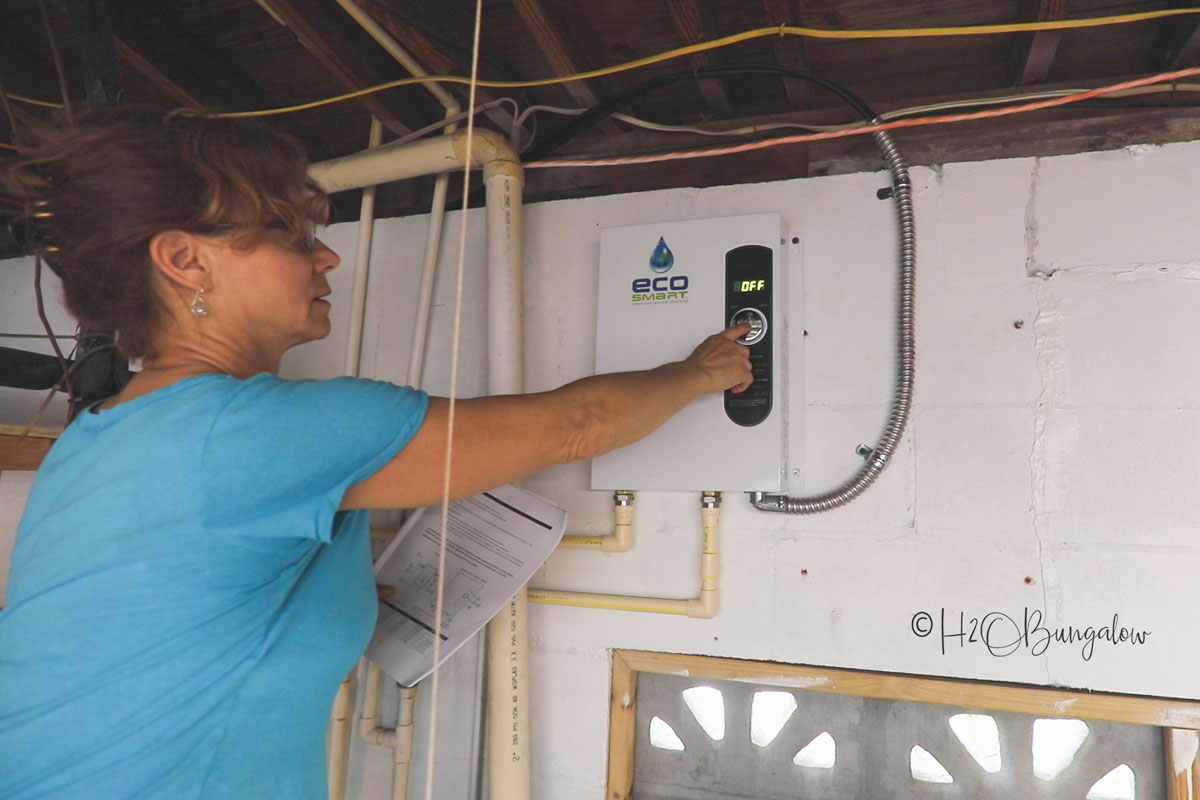
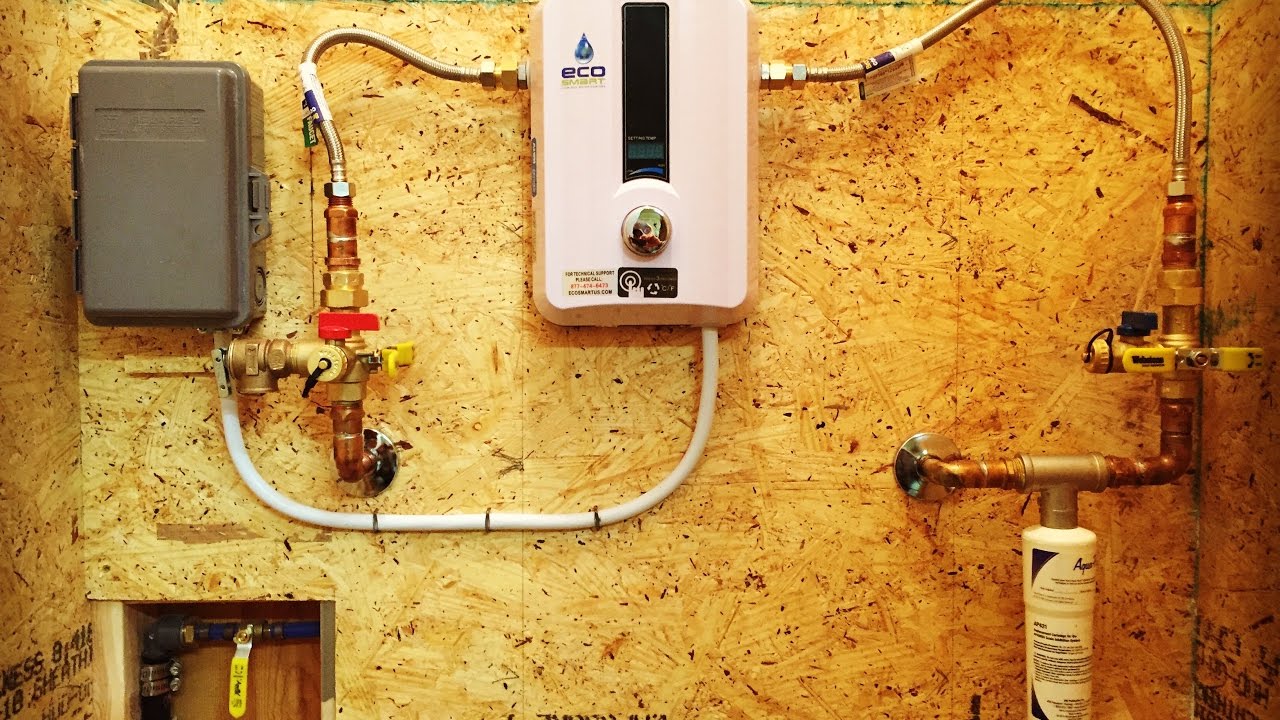
- Mount the Tankless Water Heater: Locate a suitable mounting location on a sturdy wall. Use a level to ensure the unit is mounted straight. Follow the manufacturer's instructions for mounting height and clearance requirements.
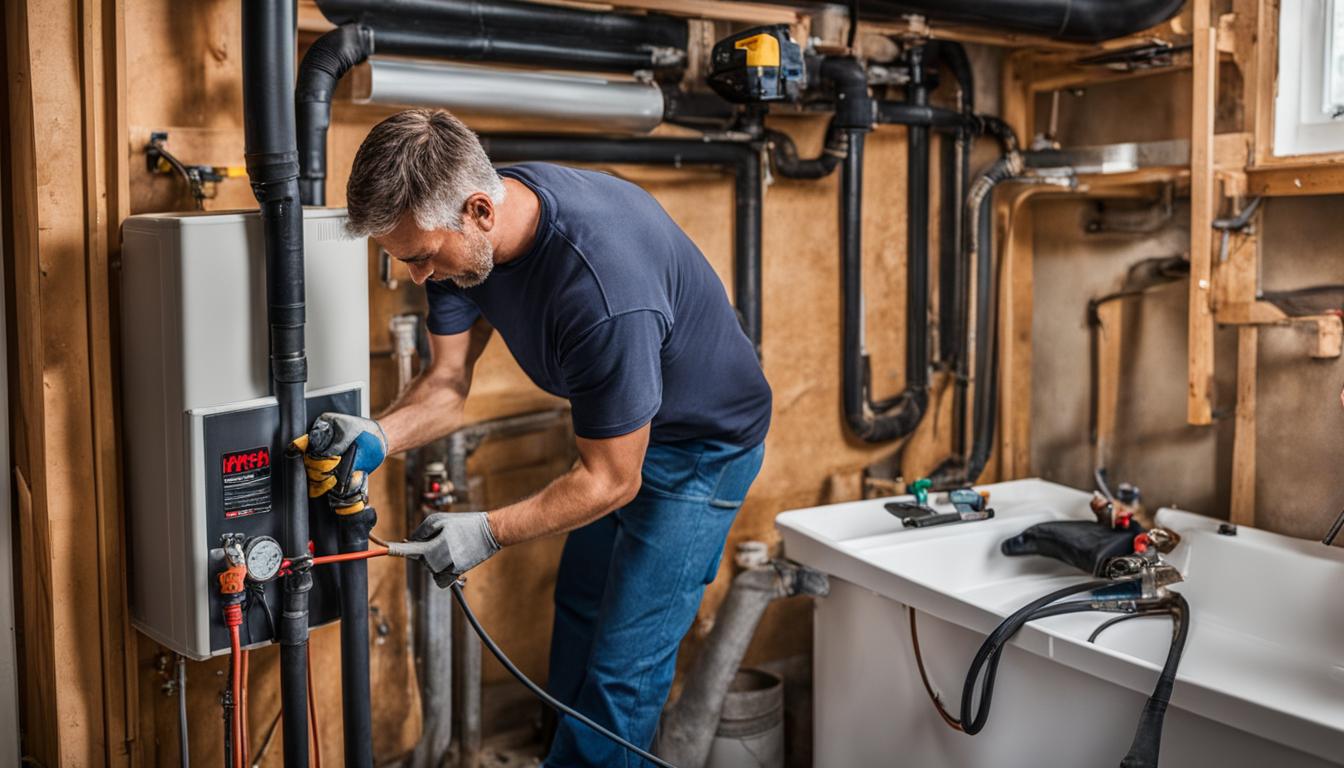
- Plumbing Connections: Connect the cold water inlet and hot water outlet to the corresponding pipes. Use Teflon tape on all threaded connections to prevent leaks. Use unions for easy future disconnection.
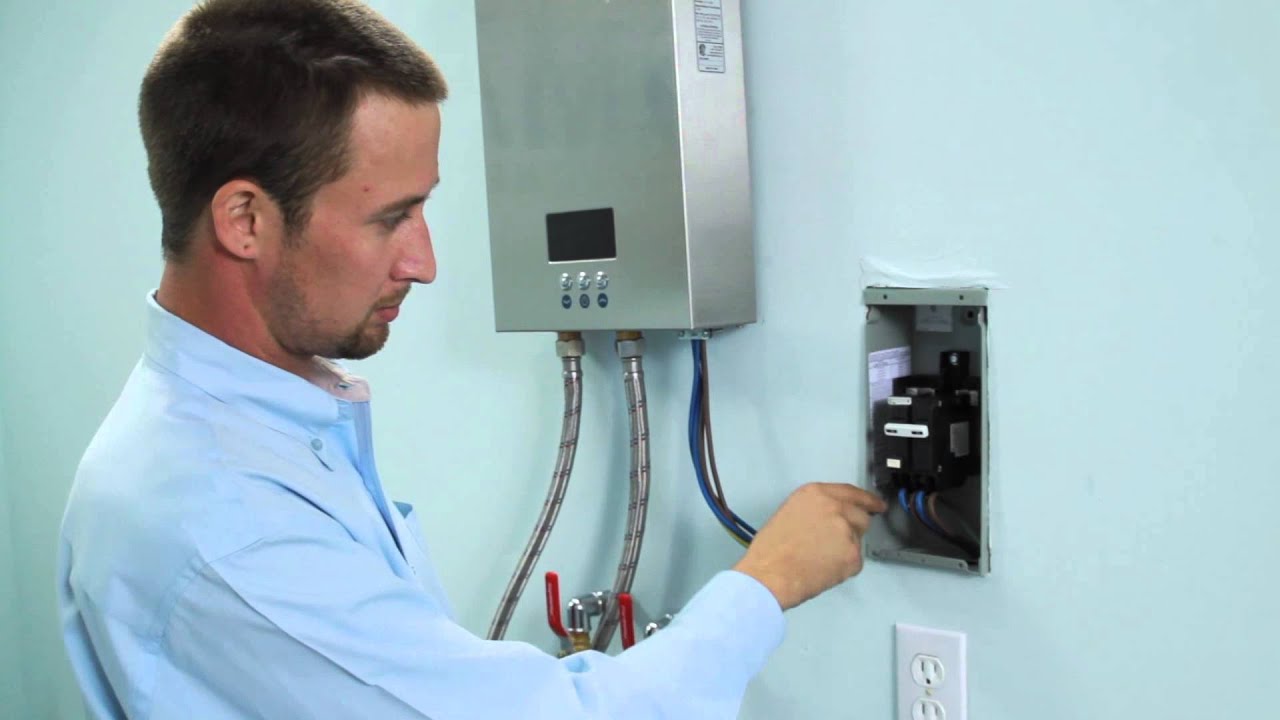
- Electrical Connections: This step is critical and should only be performed by a licensed electrician. Run the appropriate gauge wires from the electrical panel to the water heater. Connect the wires according to the manufacturer's wiring diagram. Ensure the unit is properly grounded. Many tankless water heaters require multiple dedicated circuits. For example, a 24 kW unit might require three 40 amp double-pole breakers.
- Testing: After completing the plumbing and electrical connections, slowly turn on the main water supply. Check for leaks around all connections. Once you're confident there are no leaks, turn on the power breaker to the water heater.
- Configuration: Follow the manufacturer's instructions to configure the water heater settings, such as the desired temperature.
Troubleshooting Common Issues
- No Hot Water: Check the power supply, circuit breakers, and water flow. Ensure the unit is properly configured.
- Insufficient Hot Water: The unit may be undersized for your needs. Consider upgrading to a larger model or limiting the number of simultaneous hot water users. Also, check the inlet water temperature as extremely cold water will require more energy to heat.
- Error Codes: Consult the manufacturer's manual for specific error code meanings and troubleshooting steps.
- Water Leaks: Tighten connections or replace damaged fittings.
Cost, Efficiency, and Lifespan
The upfront cost of an electric tankless water heater is typically higher than that of a traditional tank water heater. Expect to pay between $500 and $2000 for the unit itself, plus installation costs, which can vary widely depending on the complexity of the electrical and plumbing work. The total installation cost could easily exceed $3000, particularly if electrical panel upgrades are necessary.
However, tankless water heaters can save money over the long term due to their higher energy efficiency. They eliminate standby heat loss, resulting in lower energy bills. The actual savings will depend on your hot water usage habits and local electricity rates.
Electric tankless water heaters typically have a lifespan of 15-20 years, which is longer than the average lifespan of a tank water heater (10-12 years). Proper maintenance, such as periodic descaling, can extend the lifespan of your tankless water heater.
Comparing Electric Tankless to Other Options
Consider these points when comparing electric tankless water heaters to other types:
- Gas Tankless: Gas tankless heaters offer higher flow rates and faster heating, but require a gas line and venting, which can increase installation costs.
- Heat Pump Water Heaters: Heat pump water heaters are very energy efficient, but they require space and can be noisy.
- Traditional Tank Heaters: Tank heaters are less expensive upfront, but they are less energy efficient and have a shorter lifespan.
Maintenance Tips
Regular maintenance is essential to ensure your electric tankless water heater operates efficiently and reliably.
- Descaling: Hard water can cause mineral buildup inside the unit, reducing its efficiency. Descale the unit annually using a descaling solution recommended by the manufacturer.
- Check Connections: Periodically inspect all plumbing and electrical connections for leaks or corrosion.
- Clean the Inlet Filter: Clean the inlet filter regularly to remove sediment and debris.
Conclusion
Installing an electric tankless water heater can be a worthwhile investment for homeowners, HVAC technicians, and facility managers seeking on-demand hot water and energy savings. However, it's crucial to carefully assess your electrical and plumbing capacity, obtain the necessary permits, and follow proper installation procedures. When in doubt, always consult a qualified professional. Investing in a quality unit and professional installation can ensure years of reliable and efficient hot water service.