How To Install A Filter In Furnace
Maintaining good air quality in your home is crucial for your health and comfort. One of the simplest, yet most effective ways to achieve this is by regularly replacing the air filter in your furnace. This guide will walk you through the process, empowering you to handle this essential task yourself and save money on maintenance costs.
Why Change Your Furnace Filter?
A furnace filter's primary job is to trap dust, pollen, pet dander, and other airborne particles before they can circulate through your home's air ducts and into your living spaces. Think of it like a "gatekeeper" for your air quality.
Here's why a clean filter is so important:
- Improved Air Quality: A clean filter traps more pollutants, leading to cleaner, healthier air for you and your family to breathe. This is especially important for individuals with allergies, asthma, or other respiratory sensitivities.
- Increased Energy Efficiency: A clogged filter restricts airflow, forcing your furnace to work harder to circulate air. This can significantly increase your energy bills.
- Extended Furnace Lifespan: When your furnace has to overwork, it puts strain on its components, potentially leading to premature breakdowns and costly repairs.
- Preventing Costly Repairs: A dirty filter can cause your furnace to overheat, potentially damaging the heat exchanger or other critical parts. Replacement or repair of these parts can be quite expensive.
Knowing When To Change Your Filter
The frequency of filter changes depends on several factors, including:
- Type of Filter: Some filters are designed to last longer than others.
- Number of Occupants: More people in the house generally mean more dust and allergens.
- Pets: Pet dander can quickly clog filters, requiring more frequent changes.
- Presence of Allergies or Asthma: Those with respiratory sensitivities may benefit from more frequent filter changes.
- Home Construction and Environment: New construction, remodeling, or living in a dusty environment can all lead to dirtier filters.
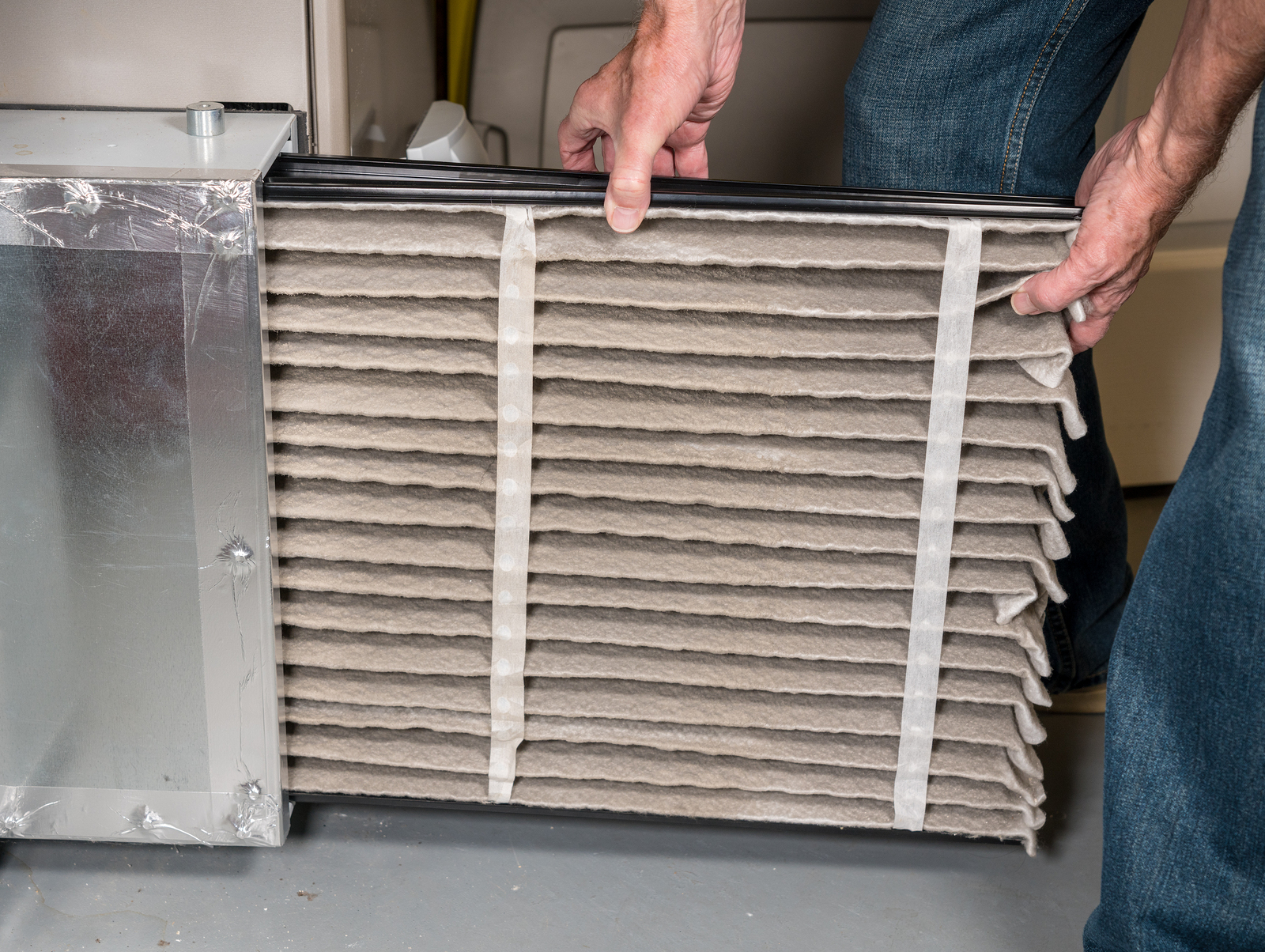
As a general guideline, it's recommended to change your filter every 1-3 months. However, it's always best to visually inspect your filter monthly. If it appears dirty or clogged, it's time for a change.
Gathering Your Supplies
Before you start, make sure you have everything you need:
- New Furnace Filter: This is the most important item! Ensure you have the correct size and type for your furnace. (See section below on selecting the right filter.)
- Screwdriver (possibly): Some furnace filter access panels are secured with screws.
- Vacuum Cleaner (optional): To clean up any dust or debris that may accumulate during the process.
- Work Gloves (optional): To protect your hands.
Selecting The Right Furnace Filter
Choosing the correct furnace filter is essential for both air quality and furnace performance. Here's what you need to consider:
Filter Size
The size of your filter is the most critical factor. Using the wrong size can allow unfiltered air to bypass the filter, defeating its purpose. The filter size is typically printed on the side of the existing filter. It will be a combination of three numbers representing the length, width, and thickness of the filter (e.g., 16x25x1). Always double-check the size before purchasing a new filter. If you can't find the size on the old filter, measure the filter slot in your furnace.
Filter Type (MERV Rating)
The MERV (Minimum Efficiency Reporting Value) rating indicates how well the filter captures airborne particles. The higher the MERV rating, the more particles the filter traps. However, a very high MERV rating can also restrict airflow.
Here's a breakdown of common MERV ratings:
- MERV 1-4: These filters are basic and primarily trap large particles like dust and pollen. They are the least expensive but offer the least amount of filtration.
- MERV 5-8: These filters offer a good balance of filtration and airflow. They capture dust, pollen, pet dander, and mold spores. This is a common and often recommended range for general household use.
- MERV 9-12: These filters capture even smaller particles, such as smog and some bacteria. They are suitable for people with allergies or asthma but may slightly reduce airflow.
- MERV 13-16: These filters offer the highest level of filtration, capturing very small particles like viruses and smoke. However, they can significantly restrict airflow and may not be suitable for all furnaces. Consult with an HVAC professional before using a filter with this high of a rating.
For most homes, a MERV 8 filter is a good choice. If you have allergies or asthma, you might consider a MERV 11 filter. Avoid using filters with MERV ratings higher than 13 unless specifically recommended by an HVAC technician. This is because high MERV ratings can restrict airflow too much, potentially damaging your furnace.
Step-by-Step Installation Guide
Now that you have your supplies and the right filter, let's get started:
- Turn Off the Furnace: Safety first! Locate the power switch for your furnace (usually located on or near the furnace itself) and turn it to the "off" position. This will prevent any accidental starting of the unit while you're working.
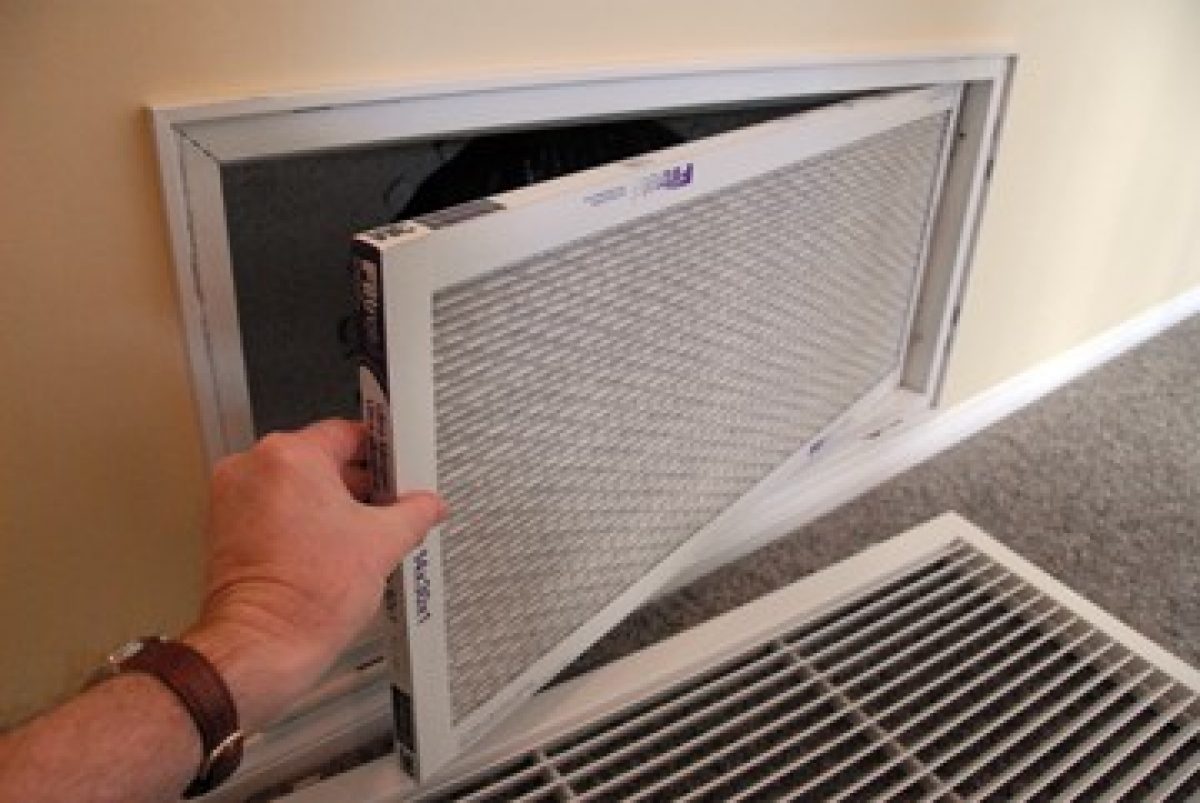
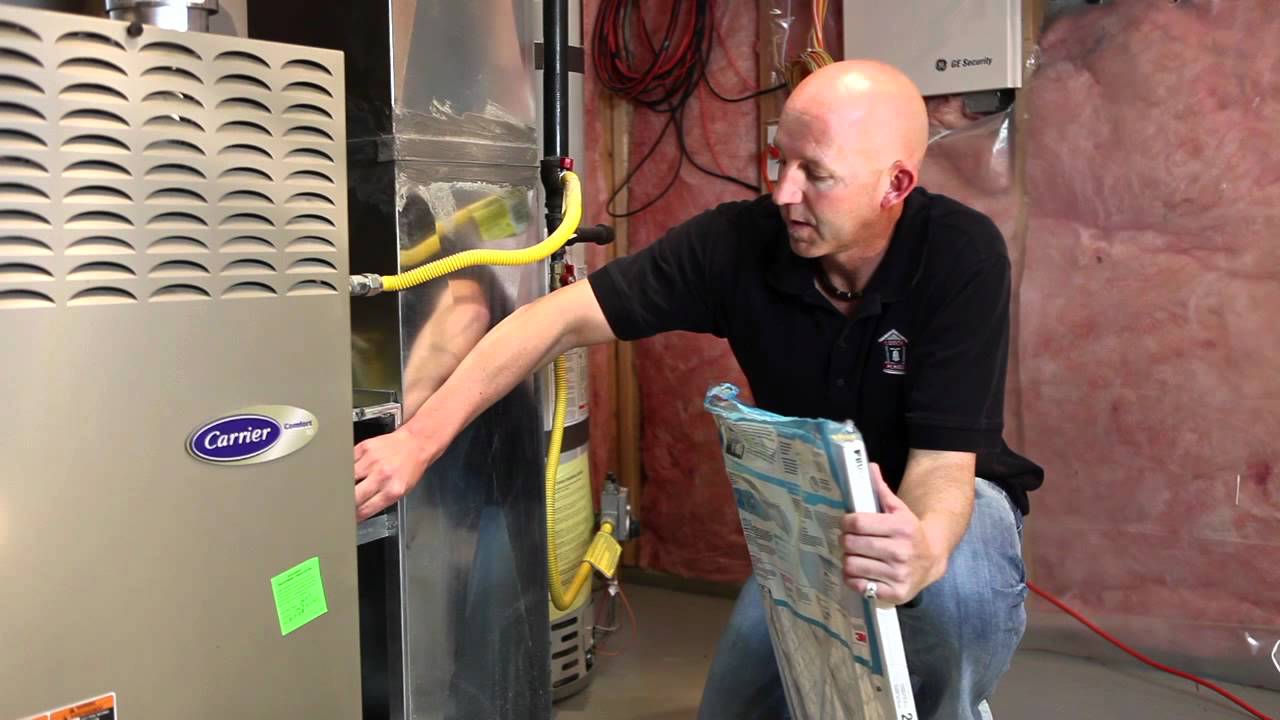
- Locate the Filter Compartment: The filter is typically located in a slot between the return air duct and the furnace itself. It may be behind a removable panel or door. Look for a rectangular opening. Sometimes it is in the blower compartment.
- Remove the Access Panel: Depending on your furnace, the access panel may be held in place by clips, screws, or a simple latch. If there are screws, use your screwdriver to remove them. Carefully remove the panel and set it aside.
- Remove the Old Filter: Gently slide the old filter out of its slot. Be prepared for some dust and debris to fall out. Hold the filter by its edges to avoid getting dirty.
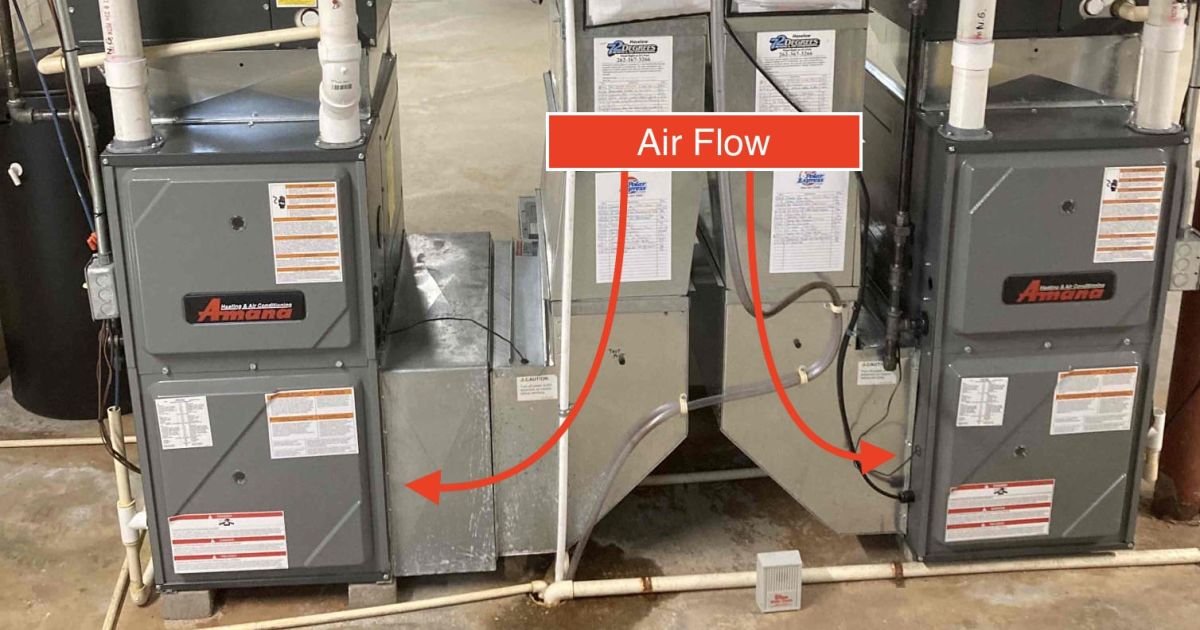
- Observe the Airflow Direction: This is crucial! Note the arrow printed on the side of the old filter. This arrow indicates the direction of airflow. You'll need to install the new filter with the arrow pointing in the same direction. The arrow usually points toward the furnace.
- Clean the Filter Compartment (Optional): Use your vacuum cleaner to remove any accumulated dust or debris from the filter compartment. This will help prevent it from contaminating the new filter.
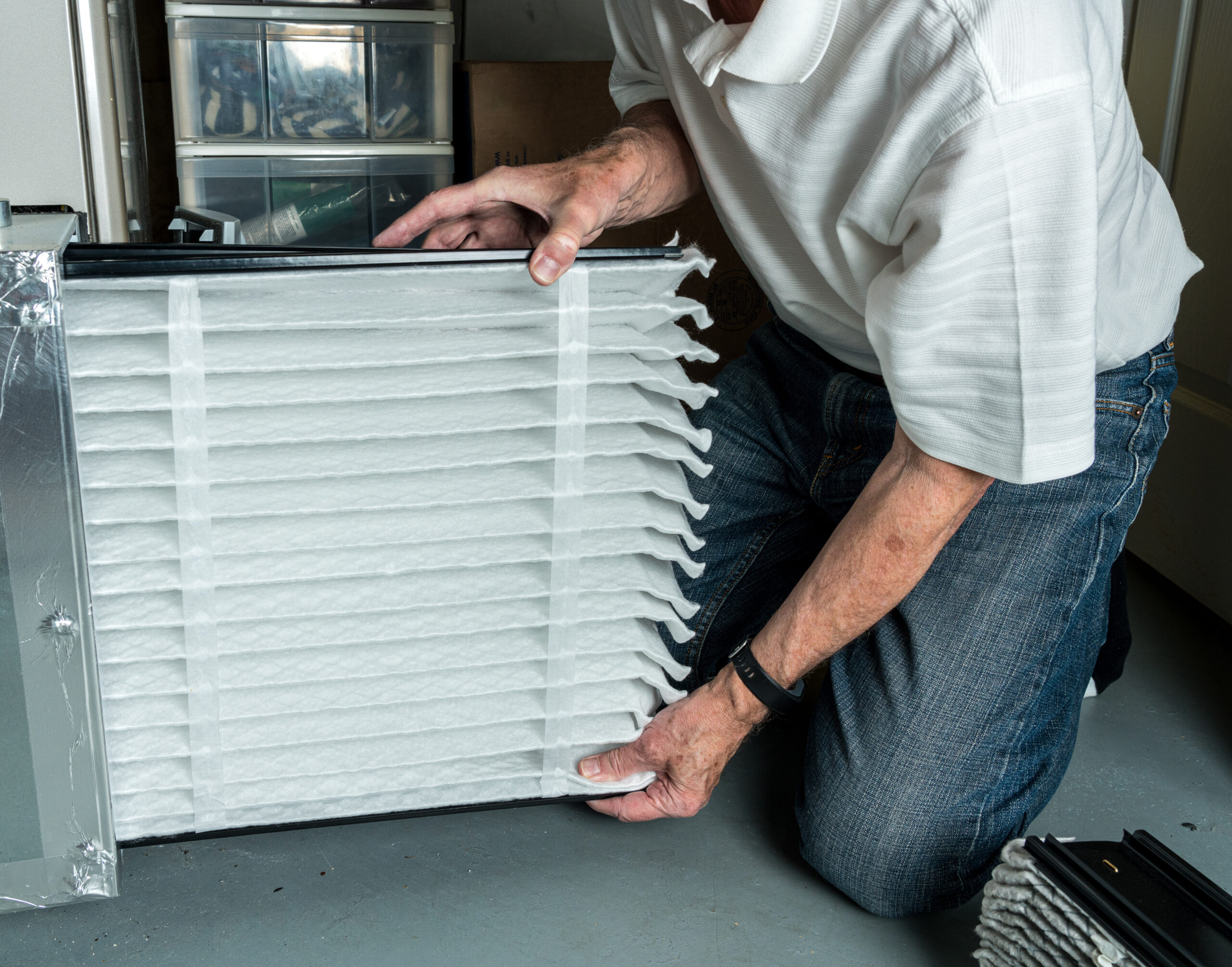
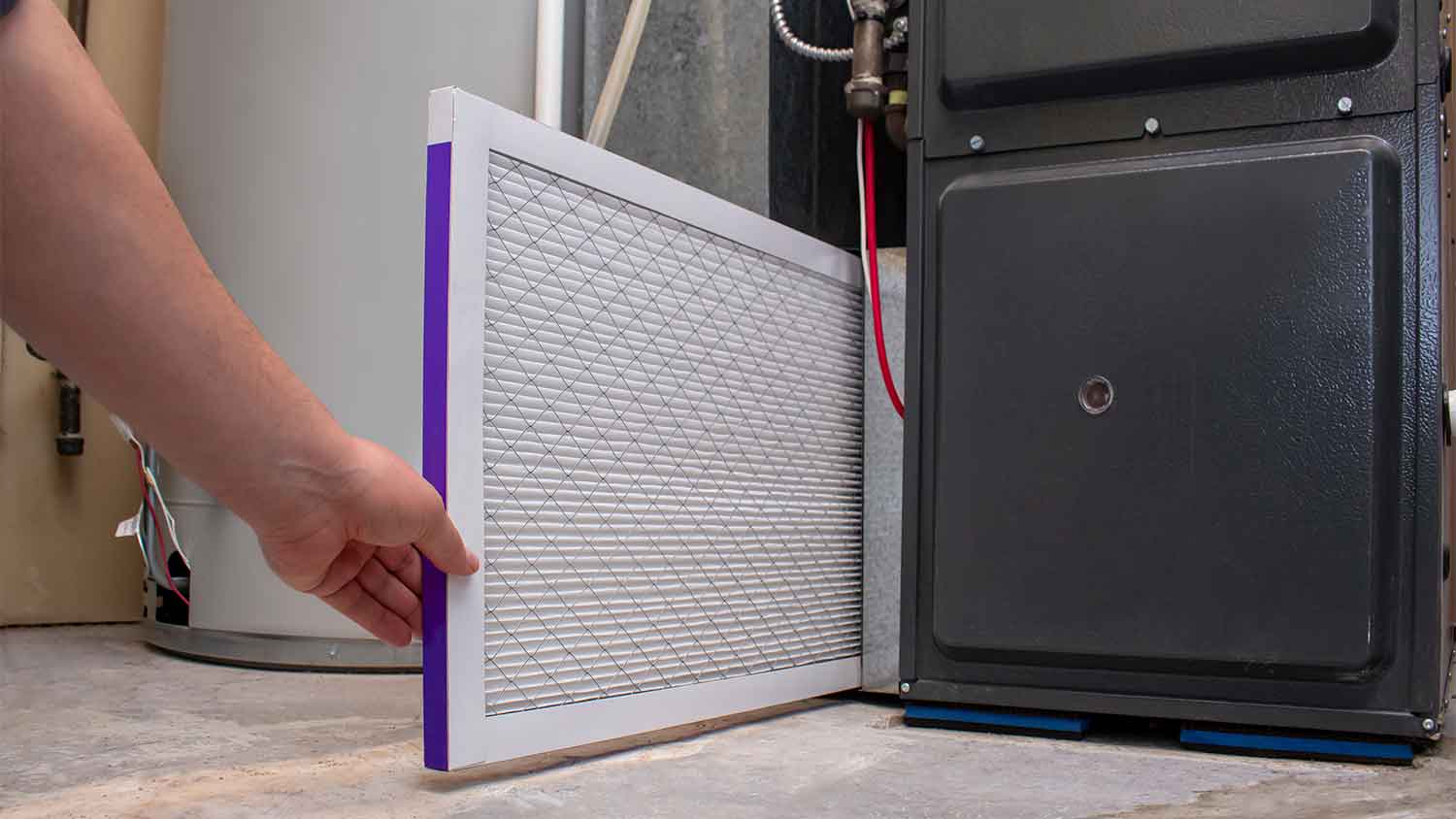
- Install the New Filter: Carefully slide the new filter into the slot, making sure the arrow on the filter is pointing in the correct direction (toward the furnace). Ensure the filter is seated properly and snugly within the slot.
- Replace the Access Panel: Reattach the access panel, securing it with screws or clips as necessary. Make sure the panel is securely in place to prevent air leaks.
- Turn On the Furnace: Switch the power switch back to the "on" position.
- Dispose of the Old Filter: Wrap the old filter in a plastic bag to prevent dust and debris from escaping and dispose of it properly.
Troubleshooting Tips
Here are some common issues you might encounter and how to address them:
- Can't Find the Filter Location: Consult your furnace's owner's manual or contact an HVAC professional for assistance.
- Filter is Stuck: Gently wiggle the filter back and forth to loosen it. If it's still stuck, try using a flathead screwdriver to carefully pry it out. Be careful not to damage the furnace.
- Wrong Filter Size: If the new filter is too small or too large, return it and purchase the correct size. Do not force a filter that doesn't fit.
- Access Panel Won't Close: Make sure the filter is properly seated in the slot and that the access panel is aligned correctly. Check for any obstructions preventing the panel from closing.
When to Call a Professional
While changing your furnace filter is a simple task, there are situations where it's best to call a qualified HVAC professional:
- You are uncomfortable working with electrical appliances.
- You cannot locate the filter compartment.
- You encounter any difficulties or are unsure about any step in the process.
- You suspect there may be other problems with your furnace.
By following these steps, you can easily change your furnace filter and enjoy cleaner air, improved energy efficiency, and a longer lifespan for your furnace. Regular filter changes are a small investment that pays off in big ways. Remember: A clean filter is a happy furnace!