How To Install A Gas Fireplace Insert
Are you tired of battling uneven heating in your home? Many homeowners struggle with this, particularly during the colder months. One room might feel like an icebox while another is toasty warm. This inconsistency can lead to discomfort, higher energy bills, and frustration. A gas fireplace insert can be a great solution to supplement your existing heating system, focusing warmth where you need it most.
But what happens when your gas fireplace insert isn't living up to its promise? What if it's not producing enough heat, or worse, not working at all? Before you call a professional, let's walk through some common problems and troubleshooting steps you can take yourself.
Troubleshooting Your Gas Fireplace Insert
We'll break down the troubleshooting process into manageable steps, starting with the simplest checks and progressing to more complex ones. Remember, safety is paramount. If at any point you feel uncomfortable or unsure about a step, stop and call a qualified HVAC technician or gas fireplace specialist.
Step 1: The Obvious Checks (No Tools Required)
Let's start with the low-hanging fruit. These are checks you can perform with just your eyes and ears – no tools required!
- Is the Gas Turned On? This sounds basic, but it's often the culprit. Check the gas shut-off valve near the fireplace. Make sure it's parallel to the gas line, indicating it's open. If it's perpendicular, it's closed.
- Pilot Light Status: If your insert has a pilot light, check to see if it's lit. Many newer models have electronic ignition, but older ones rely on a standing pilot. If it's out, you'll need to relight it (we'll cover that later).
- Thermostat Setting: Is the thermostat set to a temperature higher than the current room temperature? It might sound obvious, but it's worth checking!
- Power Supply: Many gas fireplace inserts require electricity to operate the blower and ignition system. Ensure the unit is plugged into a functioning outlet. Check the circuit breaker to make sure it hasn't tripped. Try plugging a lamp into the outlet to confirm it's working.
- Vent Obstruction: Visually inspect the venting system (both inside and outside, if accessible) for any obstructions like bird nests, leaves, or debris. A blocked vent can prevent proper combustion and lead to safety issues.
- Debris Around the Burner: Carefully examine the area around the burner for any debris that might be blocking the gas flow. Dust, cobwebs, or even small objects can interfere with proper operation.
Step 2: Lighting the Pilot Light (If Applicable)
If your fireplace has a pilot light and it's out, follow these steps to relight it. Always follow the manufacturer's instructions, which should be located on a label near the control valve.
- Turn the Gas Control Valve to "Pilot": Locate the gas control valve (usually near the burner assembly). Turn the knob to the "Pilot" position. You may need to push the knob in to turn it.
- Press and Hold the Pilot Button: While holding the control valve knob in the "Pilot" position, press and hold the igniter button. This button creates a spark to ignite the pilot light. You may need to hold it for 15-30 seconds.
- Observe the Pilot Light: Look closely at the pilot light to see if it ignites. If it does, continue holding the control valve knob in the "Pilot" position for another 20-30 seconds. This allows the thermocouple to heat up, which keeps the pilot light lit.
- Release the Knob: After holding the knob for the specified time, slowly release it. If the pilot light stays lit, turn the control valve knob to the "On" position.
- If the Pilot Light Goes Out: If the pilot light goes out when you release the knob, repeat steps 2-4. If it continues to go out after several attempts, there may be a problem with the thermocouple or gas supply. Call a qualified technician.
Step 3: Checking the Blower (Requires Screwdriver)
The blower helps circulate warm air into the room. If it's not working, the fireplace insert's heating efficiency will be significantly reduced.
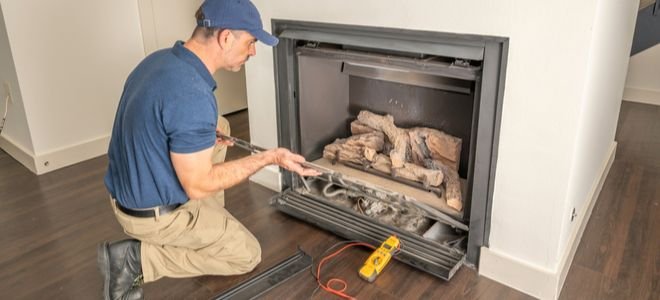
- Access the Blower Compartment: Most gas fireplace inserts have a removable panel or cover that provides access to the blower. Consult your owner's manual for specific instructions on how to remove the panel. Usually, it involves unscrewing a few screws with a screwdriver.
- Check for Obstructions: Once the panel is removed, visually inspect the blower for any obstructions, such as dust, debris, or pet hair. These can prevent the blower from spinning freely. Gently remove any obstructions you find.
- Test the Blower: With the fireplace turned on and the thermostat set to a temperature that should activate the blower, listen carefully to see if you can hear the blower motor running. If you don't hear anything, proceed to the next step.
- Check the Blower Wiring: Carefully inspect the wiring connected to the blower motor for any loose connections or damaged wires. If you find any loose connections, re-secure them. If you see any damaged or frayed wires, do not attempt to repair them yourself. Call a qualified technician.
- Clean the Blower Motor: Over time, dust and debris can accumulate inside the blower motor, causing it to overheat or malfunction. Use a can of compressed air to carefully clean the blower motor.
Step 4: Examining the Burner (Requires Basic Tools & Caution)
The burner is where the gas is ignited to produce heat. A malfunctioning burner can lead to poor heat output or even a complete failure of the fireplace insert.
- Turn Off the Gas Supply: Before working on the burner, ensure the gas supply is completely turned off. Turn the gas shut-off valve to the "Off" position (perpendicular to the gas line).
- Access the Burner Assembly: Consult your owner's manual for instructions on how to access the burner assembly. This typically involves removing the decorative logs or ceramic embers and then unscrewing a few screws.
- Inspect the Burner Ports: Carefully examine the burner ports (the small holes or slots where the gas comes out) for any clogs or obstructions. Use a small wire or needle to carefully clear any obstructions you find. Be gentle; you don't want to damage the burner.
- Check the Burner Flame Pattern: Once you've cleared any obstructions, turn the gas supply back on and light the fireplace. Observe the flame pattern. The flames should be blue with a slight yellow tip. If the flames are mostly yellow, orange, or sooty, it indicates incomplete combustion, which could be due to a dirty burner or a problem with the air-to-gas mixture.
- Clean the Burner: If the flame pattern is abnormal, carefully remove the burner and clean it with a wire brush and a mild detergent solution. Rinse thoroughly and allow it to dry completely before reinstalling it.
Step 5: Inspecting the Thermocouple or Thermopile (Requires Multimeter - Advanced)
The thermocouple or thermopile is a safety device that ensures the gas valve stays open only when the pilot light is lit. If it fails, the pilot light will go out, and the fireplace won't work.
This step requires a multimeter and some electrical knowledge. If you're not comfortable using a multimeter or working with electrical components, call a qualified technician.
- Locate the Thermocouple or Thermopile: The thermocouple or thermopile is a small, rod-shaped sensor located near the pilot light.
- Test the Voltage: Using a multimeter set to measure DC voltage, connect the probes to the terminals of the thermocouple or thermopile. With the pilot light lit, the voltage should be within the range specified by the manufacturer (usually around 20-30 millivolts for a thermocouple and 600-750 millivolts for a thermopile).
- Replace if Necessary: If the voltage reading is significantly lower than the specified range, the thermocouple or thermopile is likely faulty and needs to be replaced. You can usually purchase a replacement thermocouple or thermopile at a local hardware store or appliance parts supplier.
When to Call a Professional
While many gas fireplace insert problems can be resolved with DIY troubleshooting, some issues are best left to the experts. Call a qualified HVAC technician or gas fireplace specialist if you encounter any of the following:
- Gas Leaks: If you smell gas, immediately turn off the gas supply and evacuate the premises. Call your gas company or the fire department.
- Carbon Monoxide Concerns: If you suspect a carbon monoxide leak, immediately evacuate the premises and call the fire department. Ensure you have working carbon monoxide detectors in your home.
- Complex Electrical Issues: If you're uncomfortable working with electrical wiring or if you suspect a problem with the ignition system, call a qualified electrician.
- Ventilation Problems: If you suspect a problem with the venting system, such as a blocked vent or a damaged flue, call a qualified HVAC technician.
- Gas Valve Issues: If you suspect a problem with the gas valve, do not attempt to repair it yourself. Call a qualified gas appliance technician.
- Persistent Problems: If you've tried the troubleshooting steps outlined above and your gas fireplace insert still isn't working properly, it's time to call a professional.
By following these troubleshooting steps, you can often diagnose and resolve common problems with your gas fireplace insert. Remember to prioritize safety and call a professional when necessary. With a little effort, you can keep your fireplace insert running smoothly and enjoy a warm and cozy home all winter long.
Disclaimer: This article provides general troubleshooting information. Always consult your owner's manual for specific instructions and safety precautions. The author and publisher are not responsible for any damages or injuries resulting from the use of this information.