How To Install A Gas Furnace
Gas Furnace Installation: A Comprehensive Guide
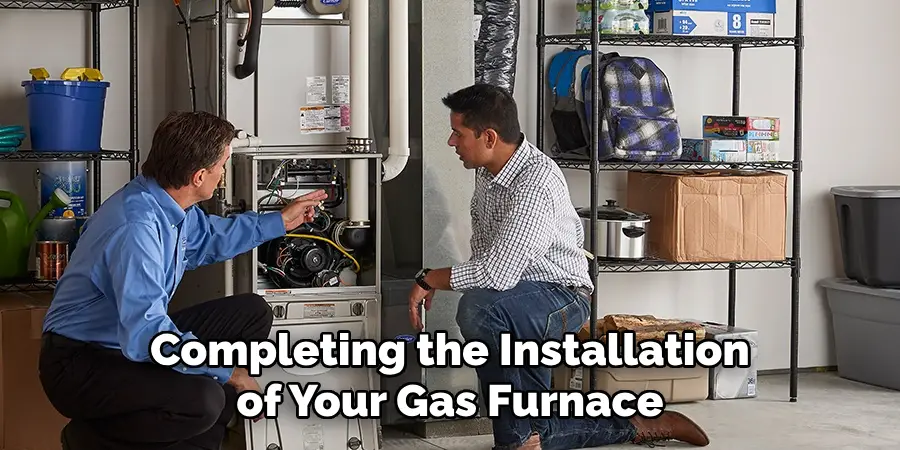
Installing a gas furnace is a significant undertaking that demands precision, adherence to safety regulations, and a thorough understanding of HVAC systems. This guide provides detailed instructions and crucial considerations for homeowners, HVAC technicians, and facility managers involved in the installation process. Note that depending on your local regulations and skillset, you may want to consider hiring a professional to perform this task.
Planning and Preparation
Before commencing any physical work, careful planning is essential. This phase involves:
- Sizing the Furnace: This is arguably the most crucial step. An undersized furnace will struggle to heat the space, while an oversized one will cycle on and off too frequently, leading to inefficiency and premature wear. The unit's heating capacity is measured in British Thermal Units (BTUs). A load calculation, performed by a qualified HVAC professional, determines the appropriate BTU output for your specific building size, insulation levels, climate, and other factors. Online BTU calculators can provide a rough estimate, but a professional assessment is highly recommended.
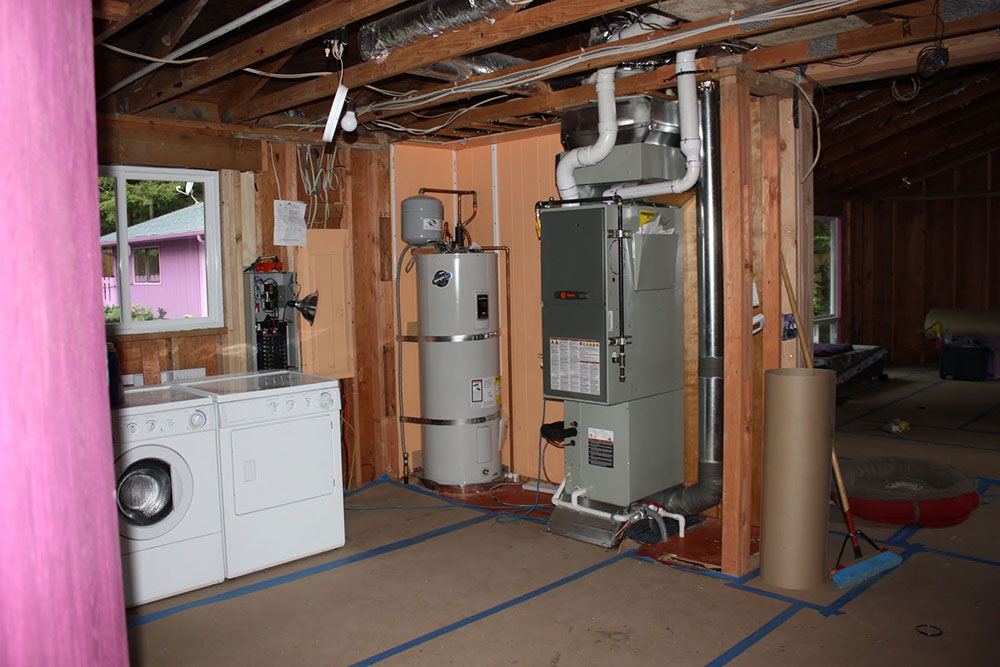
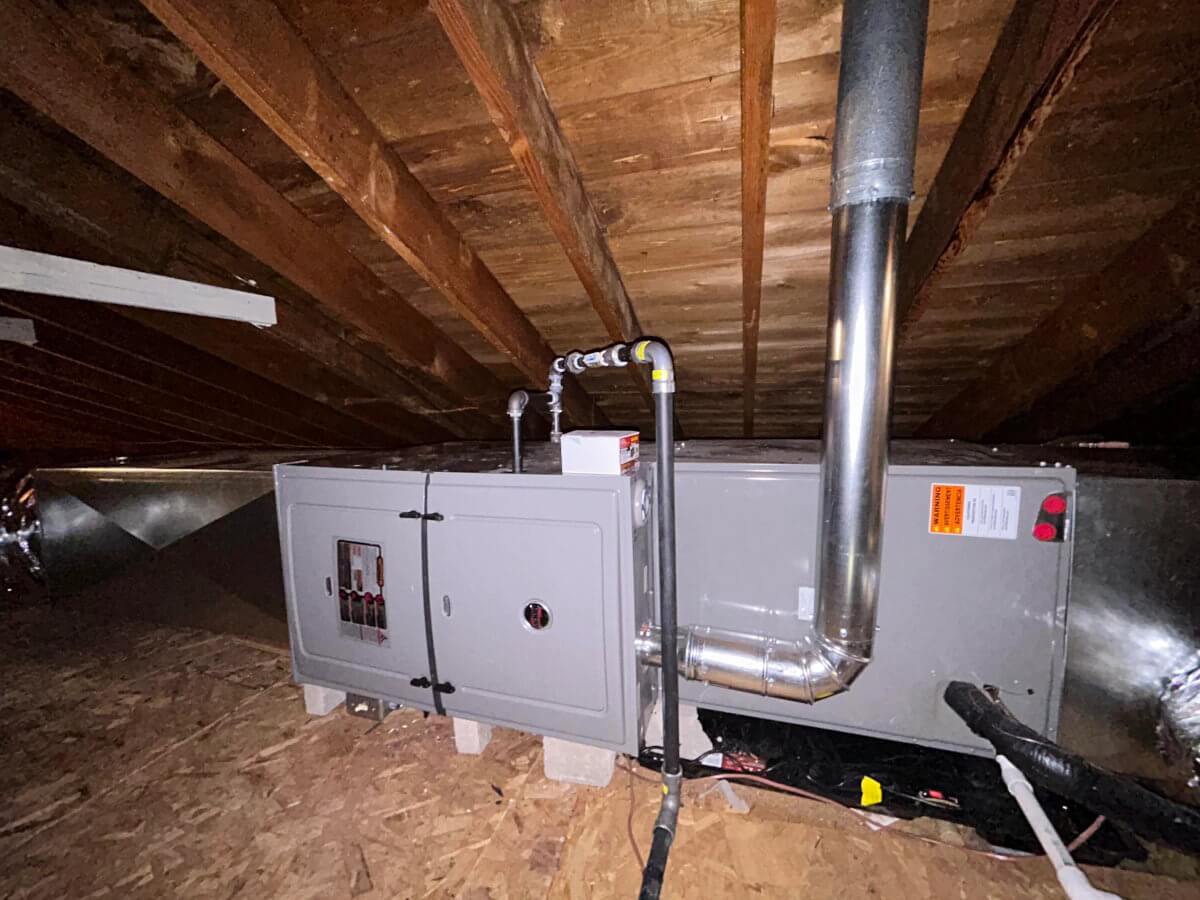
- Selecting the Furnace Location: The furnace location should comply with local codes and manufacturer specifications. Common locations include basements, attics, and utility closets. Ensure adequate clearance around the unit for maintenance and proper airflow. The location should also be protected from moisture and extreme temperatures.
- Obtaining Permits: Most jurisdictions require permits for gas furnace installations. Contact your local building department to understand the permitting process and any applicable inspections. Failing to obtain the necessary permits can result in fines and delays.
- Gathering Tools and Materials: A comprehensive toolset is crucial. Essential tools include:
- Pipe wrenches
- Screwdrivers (various sizes and types)
- Level
- Multimeter
- Manometer
- Drill with various bits
- PVC cutter
- Wire strippers
- Crimping tool
- Safety glasses
- Gloves
- Gas piping (black iron or CSST) and fittings
- Vent pipe (single-wall or double-wall, depending on furnace type) and fittings
- Condensate drain tubing and fittings
- Wiring and connectors
- Thermostat wire
- Duct tape or mastic
- Sealing compound suitable for gas lines
- Leveling shims
Removing the Old Furnace (If Applicable)
If replacing an existing furnace, the old unit must be safely removed. Follow these steps:
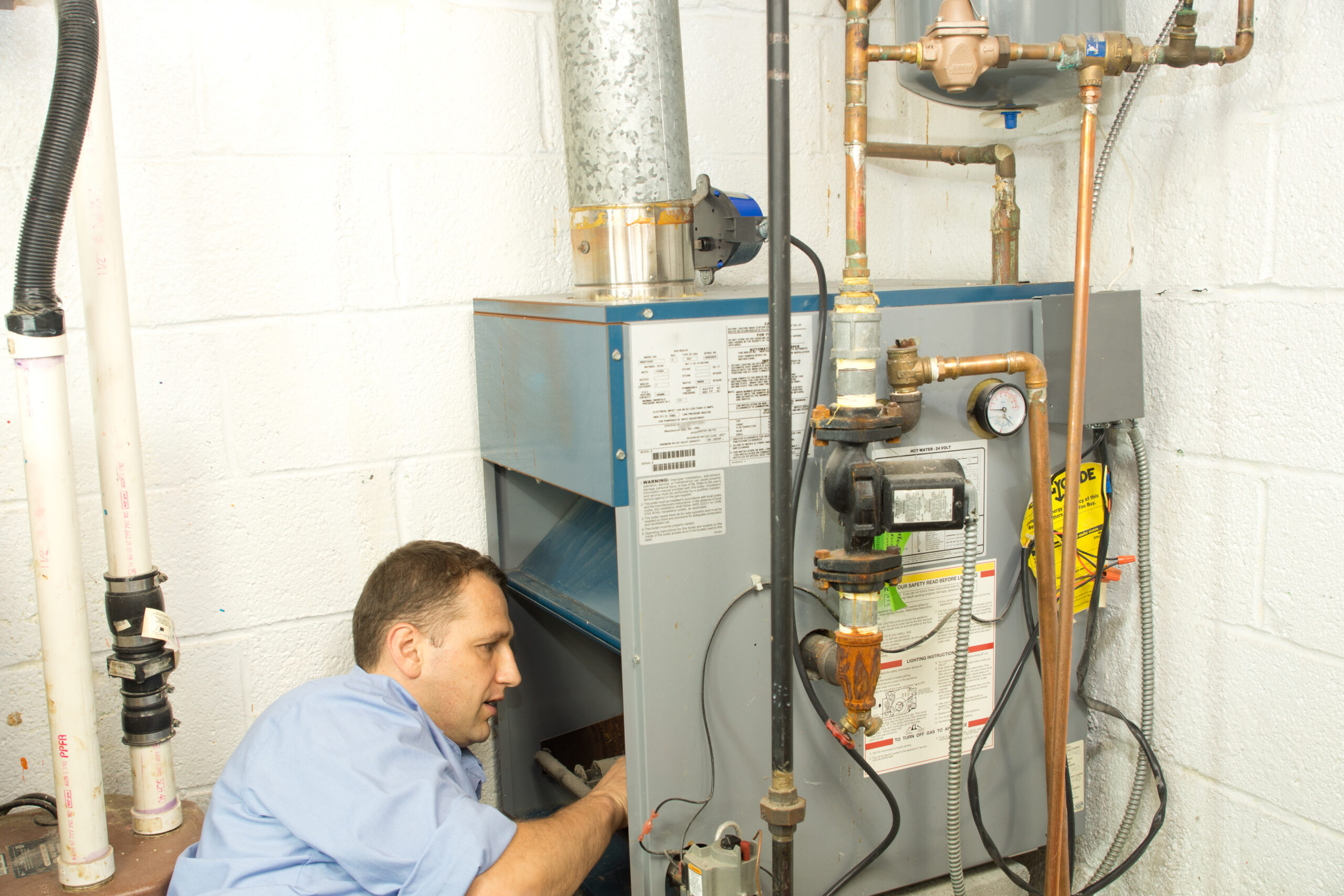
- Turn off the Gas Supply: Locate the gas shut-off valve upstream of the furnace and turn it off. Use a gas leak detector to confirm that the gas supply is completely shut off.
- Disconnect Electrical Power: Turn off the circuit breaker that supplies power to the furnace. Verify that the power is off using a multimeter.
- Disconnect Vent Pipe: Carefully disconnect the vent pipe from the furnace. Be prepared for potential debris and corrosion.
- Disconnect Gas Piping: Disconnect the gas piping from the furnace. Cap the gas line to prevent leaks.
- Disconnect Ductwork: Disconnect the ductwork from the furnace.
- Disconnect Condensate Drain (If Applicable): Disconnect the condensate drain from the furnace.
- Remove the Old Furnace: Carefully remove the old furnace from its location. Use appropriate lifting equipment if necessary.
Installing the New Furnace
With the old furnace removed and the area prepared, you can begin installing the new unit. Refer to the manufacturer's instructions for specific details related to your furnace model.
- Positioning the Furnace: Place the new furnace in the designated location. Ensure that it is level and stable. Use leveling shims if necessary.
- Connecting Ductwork: Connect the supply and return ductwork to the furnace. Use duct tape or mastic to seal all connections and prevent air leaks. Poorly sealed ductwork can significantly reduce furnace efficiency.
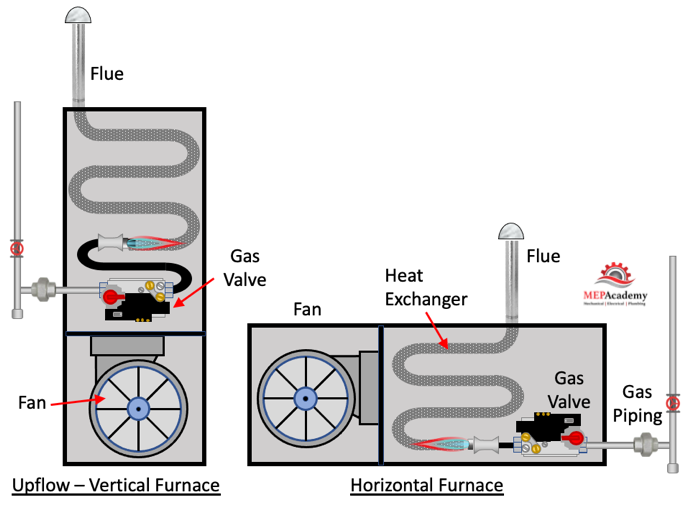
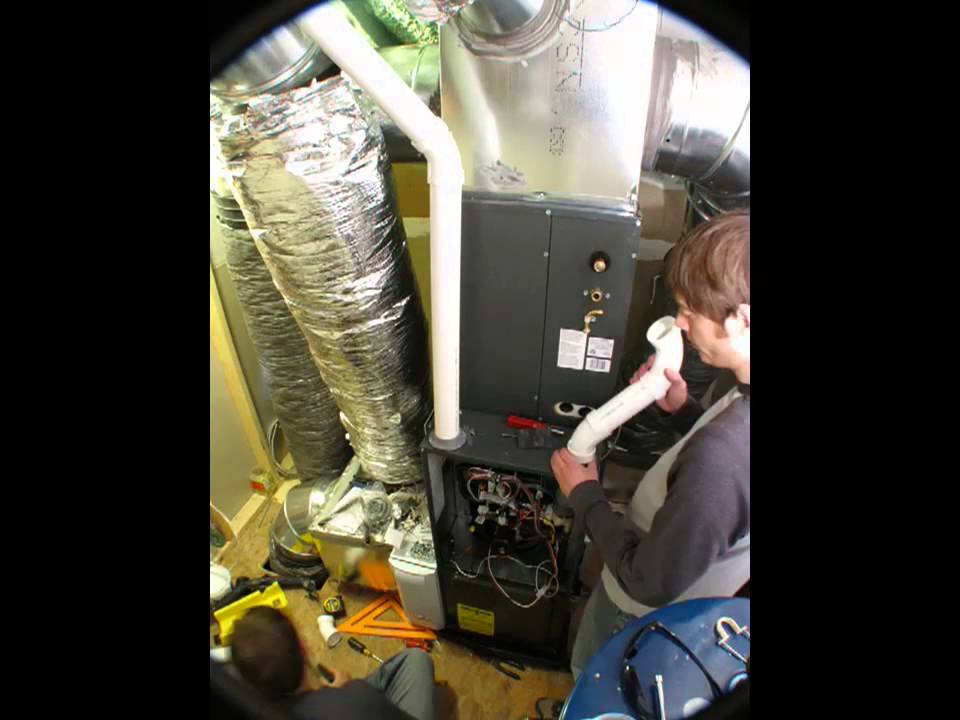
- Installing Vent Pipe: Install the vent pipe according to the manufacturer's instructions and local codes. Ensure proper slope and support for the vent pipe. Use appropriate venting materials (single-wall or double-wall) based on the furnace type and code requirements. A proper venting system is critical for safety, preventing carbon monoxide buildup.
- Connecting Gas Piping: Connect the gas piping to the furnace using appropriate fittings and sealing compound. Ensure that all connections are tight and leak-free. Use a gas leak detector to verify the integrity of the gas connections. This step is especially critical and should only be performed by someone experienced in gas line installation.
- Installing Condensate Drain: Install the condensate drain according to the manufacturer's instructions. Ensure that the drain line slopes downward and terminates at an appropriate drain location. A blocked condensate drain can cause water damage and furnace malfunction.
- Wiring the Furnace: Connect the electrical wiring to the furnace according to the wiring diagram provided by the manufacturer. Ensure that all connections are secure and properly insulated. Connect the thermostat wiring to the furnace and thermostat.
Testing and Startup
After completing the installation, perform a thorough testing and startup procedure.
- Check for Gas Leaks: Use a gas leak detector to check all gas connections for leaks. If any leaks are detected, immediately shut off the gas supply and repair the leaks.
- Verify Electrical Connections: Use a multimeter to verify that all electrical connections are properly made and that the correct voltage is present.
- Test the Thermostat: Set the thermostat to call for heat and verify that the furnace starts and operates correctly.
- Measure Gas Pressure: Use a manometer to measure the gas pressure at the furnace gas valve. Verify that the gas pressure is within the manufacturer's specified range. Incorrect gas pressure can lead to inefficient operation and potential safety hazards.
- Check Airflow: Verify that the airflow through the furnace is adequate. Restricted airflow can cause the furnace to overheat and shut down. Check the filter and ensure that it is clean.
- Monitor Operation: Monitor the furnace operation for several minutes to ensure that it is running smoothly and efficiently. Check for any unusual noises or smells.
Efficiency and Lifespan Considerations
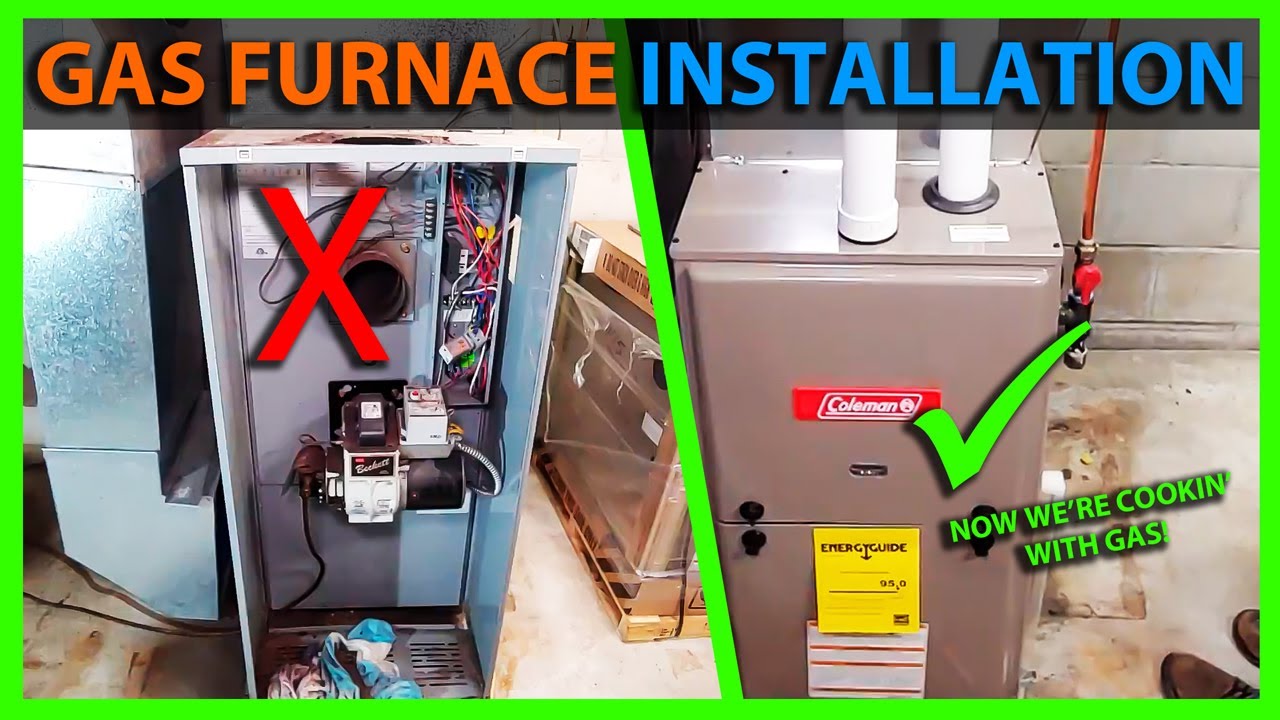
When selecting a gas furnace, consider its Annual Fuel Utilization Efficiency (AFUE) rating. AFUE represents the percentage of fuel that is converted into usable heat. A higher AFUE rating indicates a more efficient furnace. Modern gas furnaces can achieve AFUE ratings of 90% or higher. Investing in a high-efficiency furnace can significantly reduce your heating bills over the long term.
The lifespan of a gas furnace typically ranges from 15 to 20 years, depending on factors such as maintenance, usage, and environmental conditions. Regular maintenance, including filter changes and annual inspections by a qualified HVAC technician, can extend the lifespan of your furnace and ensure optimal performance.
Cost Considerations: The initial cost of a gas furnace varies depending on the size, efficiency, and features of the unit. Installation costs can also vary depending on the complexity of the installation and the contractor's rates. However, the long-term cost of ownership includes fuel consumption and maintenance expenses. A higher-efficiency furnace may have a higher upfront cost, but it can save you money on heating bills over the lifespan of the unit.
Disclaimer: This guide provides general information and should not be considered a substitute for professional advice. Gas furnace installation involves inherent risks, and it is essential to follow all safety precautions and local codes. If you are not comfortable performing the installation yourself, it is recommended to hire a qualified HVAC technician.