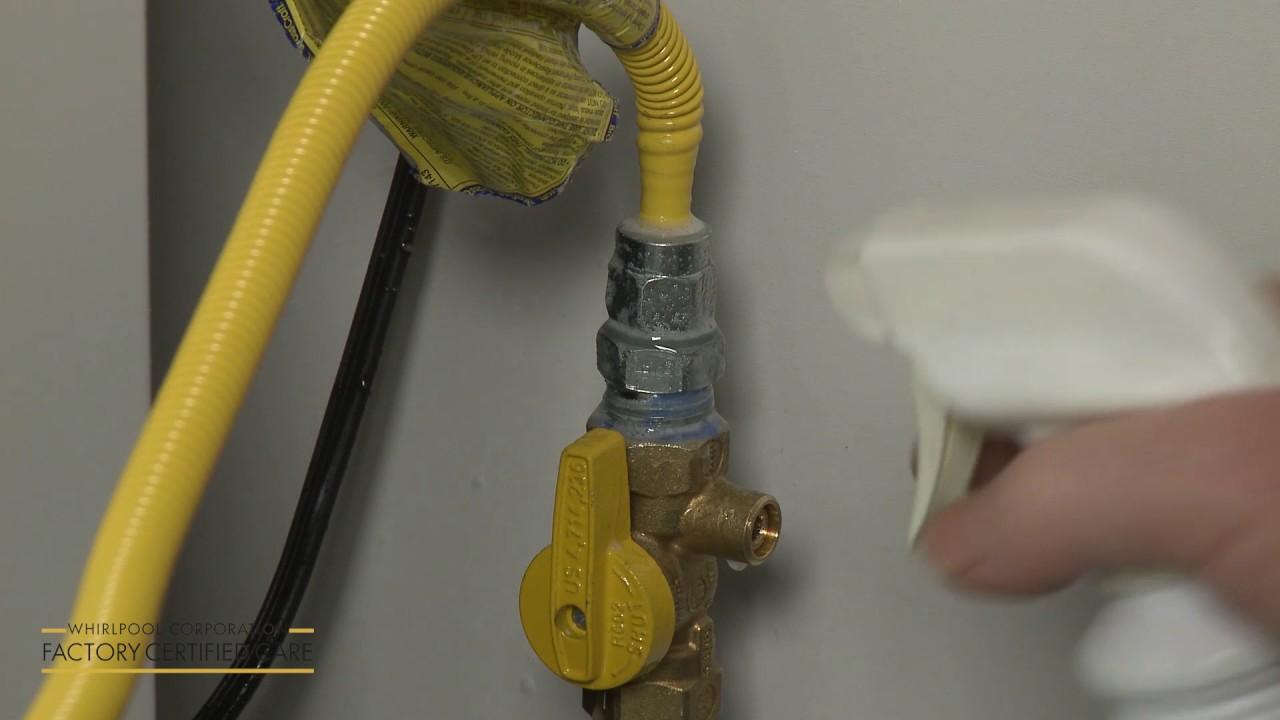
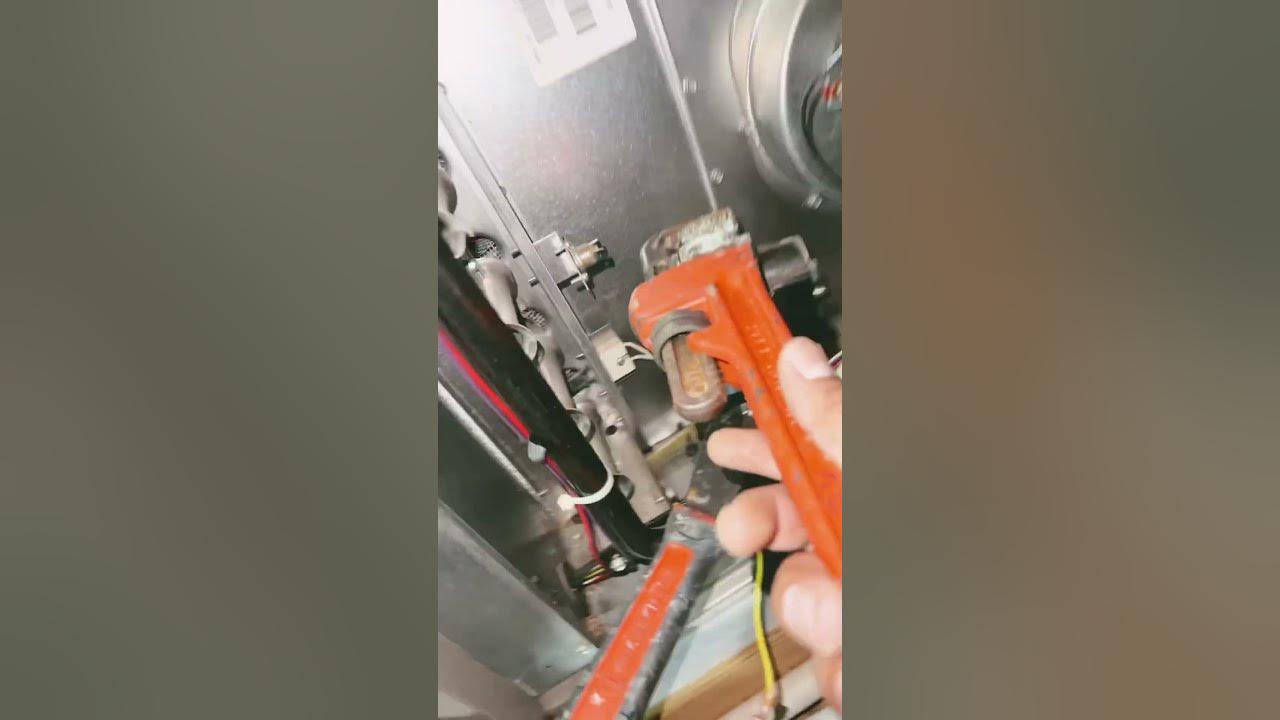
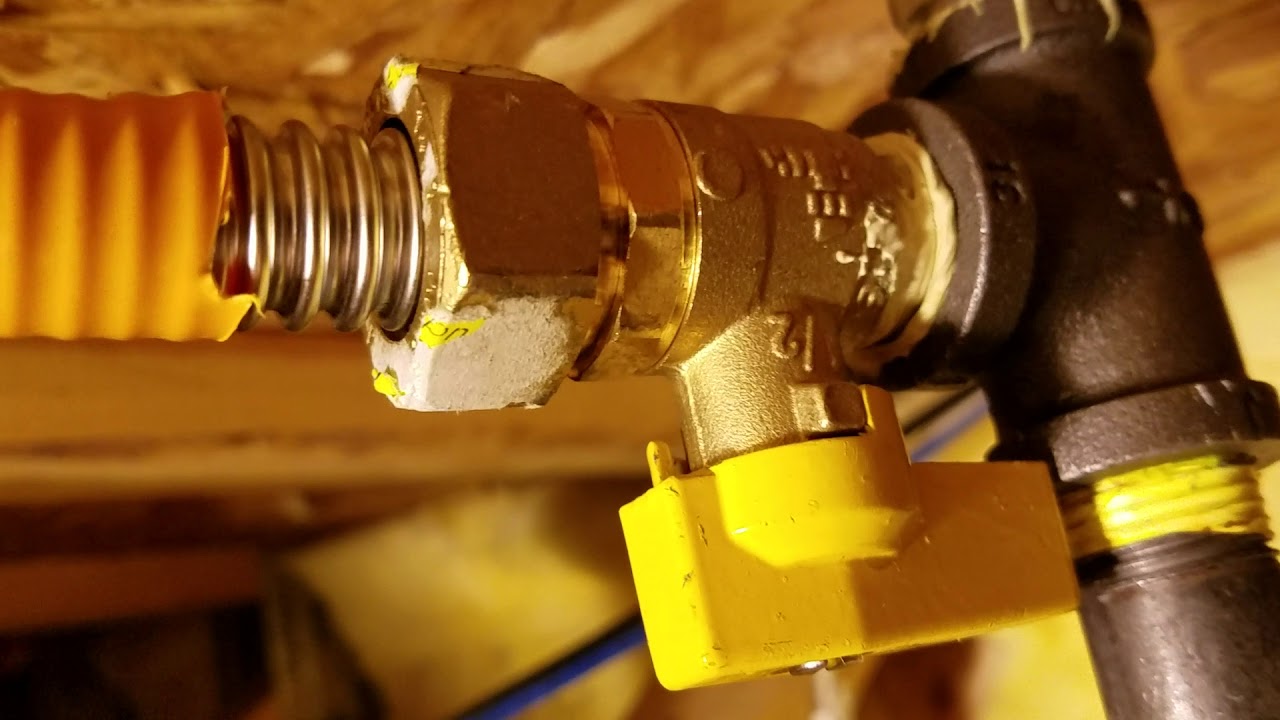
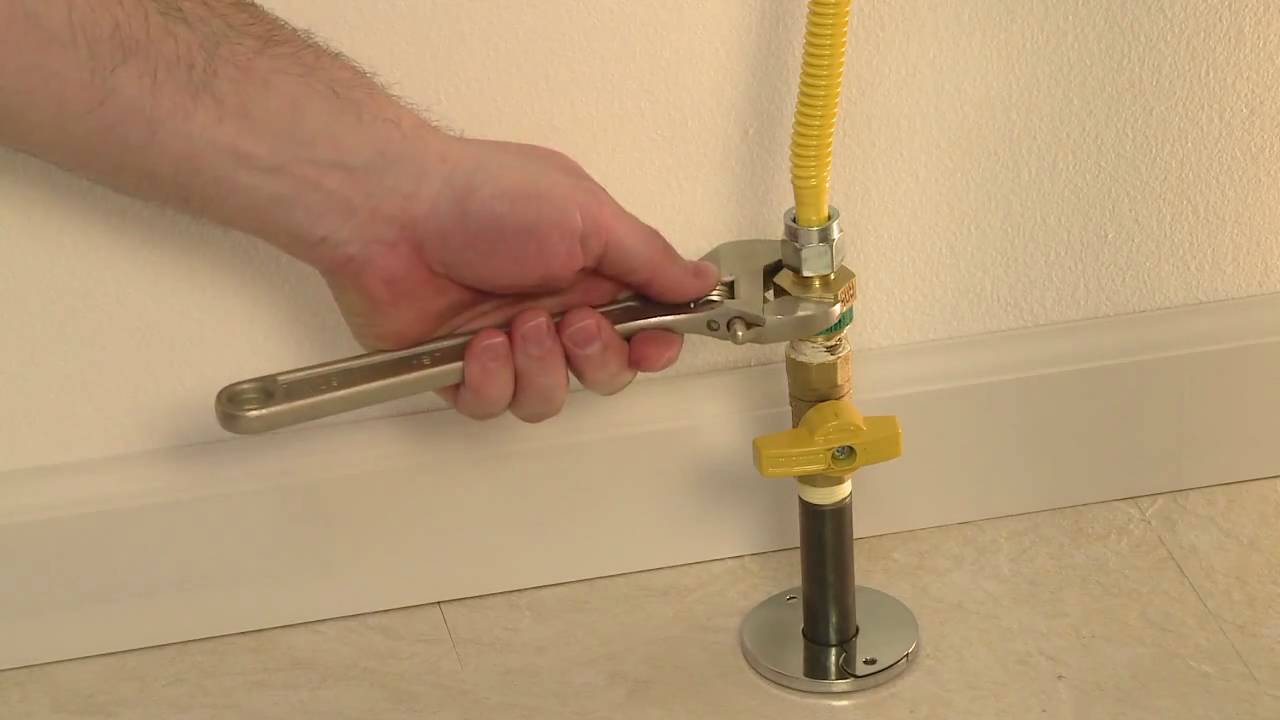
How To Install A Gas Valve
Are you waking up to a chilly house in the dead of winter, or sweltering in the summer heat despite your AC running full blast? A common culprit behind these comfort catastrophes can be a faulty gas valve in your furnace or other gas-powered appliance. This critical component controls the flow of gas to your burner, and when it malfunctions, your heating or cooling system can fail to operate efficiently, or even shut down completely. But before you call in the professionals, let's explore some troubleshooting steps you can take to diagnose the problem and potentially resolve it yourself.
Diagnosing a Gas Valve Problem: A Step-by-Step Approach
Before you even think about touching anything, safety is paramount. Ensure you have a well-ventilated area and immediately address any strong gas smells. If you smell a significant gas odor, evacuate the premises and call your gas company or emergency services immediately. DO NOT attempt any repairs yourself in this situation.
Step 1: Preliminary Checks (No Tools Required)
These initial checks don't require any tools and can help you identify obvious issues:
- Check the Pilot Light (if applicable): Many older furnaces have a pilot light that needs to be lit for the furnace to operate. Is the pilot light lit? If not, follow the manufacturer's instructions to relight it. Be patient and persistent, but if it repeatedly fails to light or stay lit, proceed to the next steps. Never force anything.
- Check the Thermostat: Ensure your thermostat is set to "heat" (or "cool") and that the temperature is set higher (or lower) than the current room temperature. A dead battery or incorrect setting can often be the simplest cause. Replace the batteries in your thermostat if needed.
- Check the Power Supply: Is the furnace or appliance receiving power? Check the circuit breaker for the furnace. If it's tripped, reset it. If it trips again immediately, do not keep resetting it. This indicates a more serious electrical problem.
- Listen Carefully: When the thermostat calls for heat, can you hear the furnace attempting to start? Do you hear any clicking, humming, or other unusual noises? These sounds can provide clues about the problem. A lack of any sounds at all suggests a power or control issue.
Step 2: Visual Inspection (No Tools Required)
A careful visual inspection can sometimes reveal obvious problems:
- Look for Obstructions: Inspect the area around the furnace for any obstructions that might be blocking airflow. Make sure there are no objects leaning against the furnace or blocking the vents.
- Check for Corrosion: Look for signs of corrosion or rust on the gas valve or surrounding components. Corrosion can indicate a leak or other problem.
- Inspect the Wiring: Visually inspect the wiring connected to the gas valve. Look for loose connections, frayed wires, or signs of damage. If you see any damage, proceed with extreme caution, turning off power before further inspection.
Step 3: Testing with Basic Tools (Requires Caution and Basic Skills)
Important Safety Note: Before proceeding with any testing that involves electricity or gas, turn off the power to the furnace at the circuit breaker. If you are not comfortable working with electricity or gas, stop here and call a qualified HVAC technician.
These steps require some basic tools, such as a multimeter, and a basic understanding of electrical circuits. If you're unsure about any of these steps, do not proceed.
- Testing the Gas Valve Solenoid with a Multimeter:
- Turn off the power at the breaker.
- Locate the gas valve solenoid(s). These are usually small cylindrical components attached to the gas valve with wires connected to them.
- Set your multimeter to the ohms setting (resistance).
- Disconnect the wires from the solenoid(s).
- Touch the multimeter probes to the terminals of the solenoid.
- A reading of "OL" or infinite resistance indicates an open circuit and a faulty solenoid. A very low resistance reading (close to zero) indicates a short circuit. A reading within the manufacturer's specified range (consult your furnace's service manual or the solenoid itself) indicates the solenoid is likely good.
- Repeat this process for all solenoids on the gas valve.
- Testing Voltage to the Gas Valve:
- Turn off the gas supply to the furnace.
- Set multimeter to AC Voltage setting.
- Turn on the power at the breaker.
- Carefully touch the multimeter probes to the terminals where the wires connect to the gas valve.
- When the thermostat calls for heat, you should see a voltage reading (typically 24V AC). If you do not see any voltage, the problem may lie with the thermostat, wiring, or control board.
Step 4: Simple DIY Actions (If Applicable and Safe)
Based on your diagnosis, here are a few simple DIY actions you might be able to take:
- Tighten Loose Connections: If you found loose electrical connections, carefully tighten them. Ensure the power is off before doing so.
- Clean the Flame Sensor (if applicable): A dirty flame sensor can prevent the gas valve from staying open. Locate the flame sensor (usually a thin metal rod near the burner) and carefully clean it with fine steel wool or sandpaper.
- Replace the Gas Valve Solenoid (if faulty and you have the correct replacement): If you determined a solenoid is faulty and you're comfortable doing so, you can replace it. Make sure to purchase the exact replacement part for your furnace model. Turn off the gas and power before replacing. Carefully disconnect the old solenoid and reconnect the new one, ensuring the wires are securely attached.
When to Call a Professional HVAC Technician
While some gas valve issues can be addressed with basic troubleshooting and DIY actions, many situations require the expertise of a qualified HVAC technician. Do not hesitate to call a professional if you encounter any of the following:
- You smell a strong gas odor.
- You are uncomfortable working with electricity or gas.
- You are unsure about any of the troubleshooting steps.
- You suspect a gas leak.
- The problem is beyond your skill level.
- You have replaced the solenoid and the furnace still doesn't work.
- You are dealing with a more complex furnace issue, such as a faulty control board or pressure switch.
- Your furnace is under warranty.
- You are not qualified to handle high voltage wires.
A professional HVAC technician has the tools, training, and experience to accurately diagnose and repair complex gas valve problems safely and effectively. They can also ensure that your furnace is operating efficiently and safely, preventing future problems.
Safety First: A Final Reminder
Working with gas and electricity can be dangerous. Always prioritize safety when troubleshooting or repairing your furnace. If you are ever unsure about what to do, call a qualified HVAC technician. Your safety and the safety of your home are worth more than saving a few dollars. Never bypass safety features.
By following these steps and exercising caution, you can potentially diagnose and resolve simple gas valve problems yourself, saving you time and money. However, remember that safety is paramount, and when in doubt, always seek professional help.