How To Install A Gas Wall Heater

Considering a Gas Wall Heater? A Guide to Installation and Energy Savings
Gas wall heaters can be an efficient and cost-effective way to heat specific areas of your home or business, offering an alternative to central heating systems and potentially leading to significant energy savings. This guide provides a comprehensive overview of gas wall heater installation, covering everything from preparation to smart home integration, while highlighting the potential ROI and available rebates.
Is a Gas Wall Heater Right for You? Evaluating Needs and Efficiency
Before diving into installation, it's crucial to determine if a gas wall heater aligns with your heating needs and energy goals. Consider the size of the space you intend to heat. Gas wall heaters are ideal for supplemental heating in rooms like bedrooms, living rooms, or offices. Using them strategically can reduce reliance on a central furnace, saving energy and money. Energy Star recommends assessing your home's insulation and sealing air leaks before investing in any heating system. Proper insulation maximizes the efficiency of your gas wall heater.
Types of Gas Wall Heaters:
- Vented Gas Wall Heaters: These require a flue or vent to exhaust combustion gases outside. They are generally safer due to the complete removal of exhaust but require more complex installation.
- Vent-Free Gas Wall Heaters: These units do not require a vent, making installation simpler. However, they release combustion byproducts into the room, so they are equipped with oxygen depletion sensors (ODS) for safety. Ensure your local codes allow vent-free heaters, as some jurisdictions restrict their use.
Energy Efficiency and ROI: Gas wall heaters are rated using the Annual Fuel Utilization Efficiency (AFUE). A higher AFUE indicates greater efficiency. Look for models with an AFUE of 80% or higher for optimal energy savings. Calculate the potential ROI by comparing the cost of the heater and installation with the anticipated reduction in your energy bills. Factors to consider include your local gas rates and the frequency of heater use.
Step-by-Step Guide to Gas Wall Heater Installation
Disclaimer: Installing a gas wall heater involves working with gas lines, which can be dangerous. If you are not comfortable with this type of work, it is strongly recommended that you hire a qualified HVAC professional.
1. Preparation and Safety
Safety First: Before starting any work, turn off the gas supply to the location where you will be installing the heater. Use a gas shut-off valve or turn off the main gas supply to your home. Disconnect the electrical power to the area. Wear safety glasses and gloves.
Gather Your Tools and Materials:
- Gas wall heater (vented or vent-free)
- Piping and fittings (check local codes for approved materials)
- Gas shut-off valve
- Pipe sealant
- Drill and drill bits
- Screwdriver
- Level
- Stud finder
- Vent pipe (for vented models)
- Carbon monoxide detector
- Leak detector solution (soapy water)
- Wrench
- Measuring tape
2. Mounting the Heater
Locate Wall Studs: Use a stud finder to locate wall studs in the area where you plan to mount the heater. Most gas wall heaters require secure mounting to wall studs for stability and safety.
Mounting Bracket Installation: Attach the mounting bracket to the wall studs using screws. Ensure the bracket is level using a level. The heater will attach to this bracket.
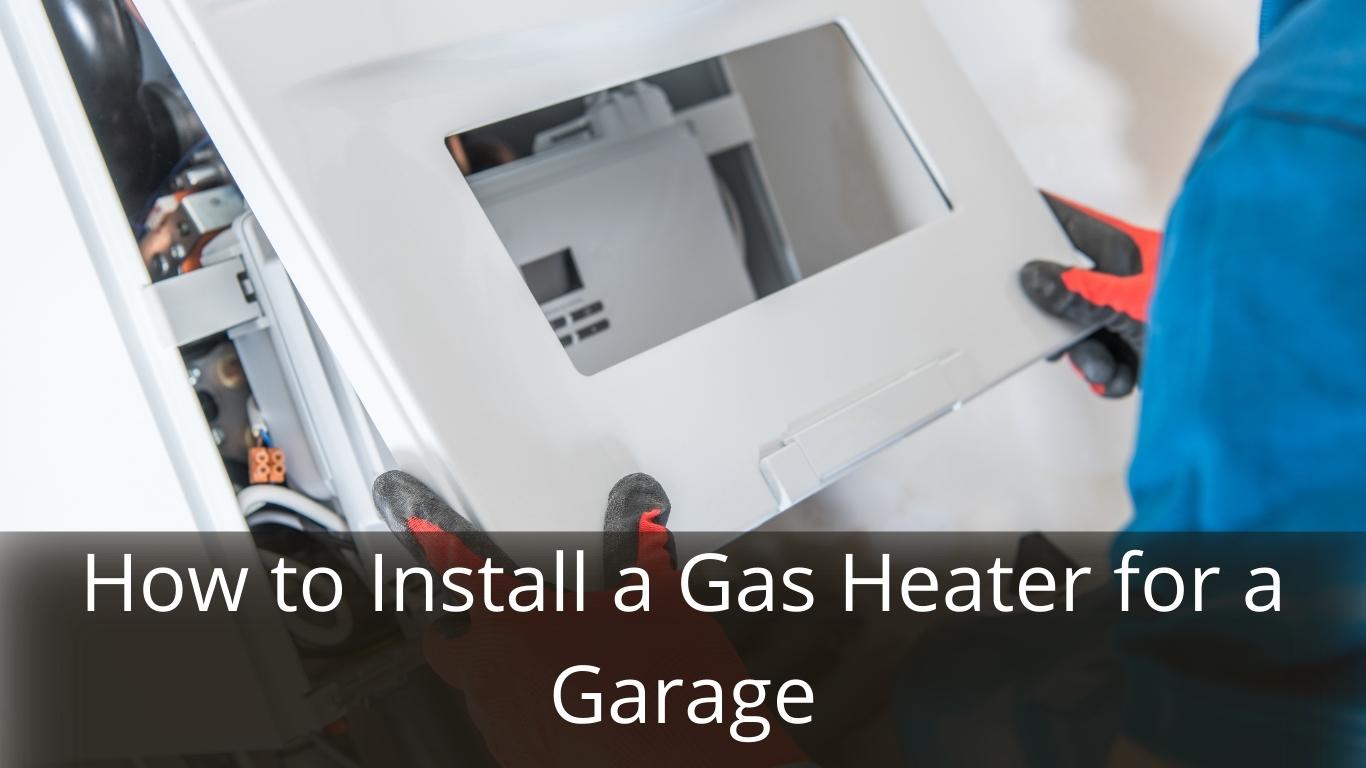
Hang the Heater: Carefully lift the heater and hang it on the mounting bracket. Secure it according to the manufacturer's instructions.
3. Gas Line Connection
Gas Line Inspection: Check the existing gas line for leaks or damage. Repair any issues before proceeding.
Install a Shut-Off Valve: Install a new gas shut-off valve close to the heater connection point. This allows you to easily shut off the gas supply for maintenance or repairs.
Connect the Gas Line: Connect the gas line to the heater using appropriate fittings and piping. Use pipe sealant on all threaded connections to prevent leaks. Tighten the connections securely with a wrench. Consult local codes for gas line material and piping specifications.
4. Venting (for Vented Models)
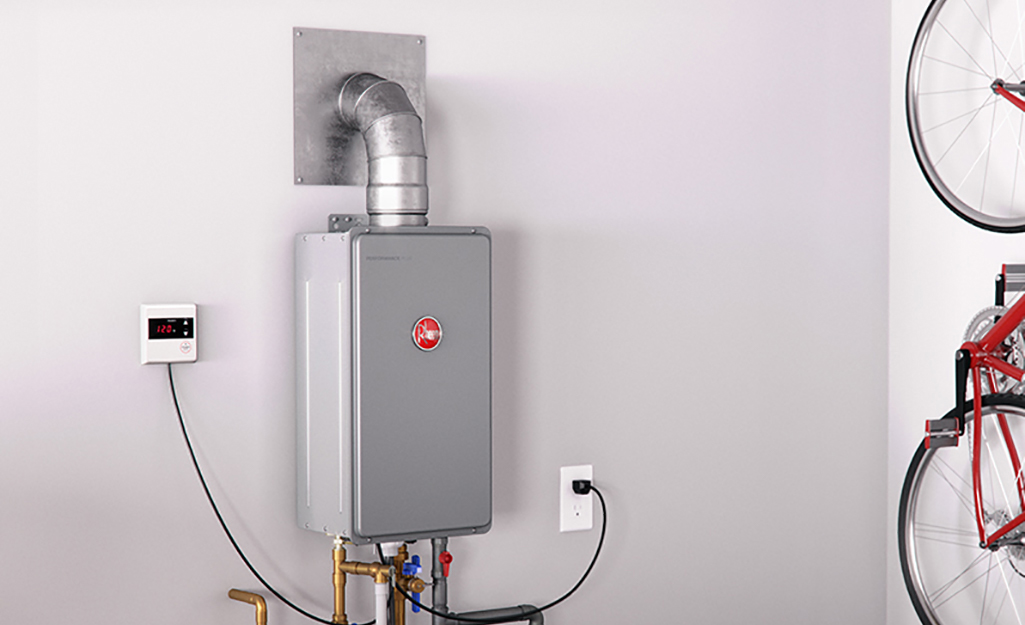
Vent Installation: For vented models, install the vent pipe according to the manufacturer's instructions and local building codes. The vent pipe must extend outside the building to safely exhaust combustion gases. Ensure the vent pipe is properly sealed to prevent leaks.
5. Testing and Start-Up
Leak Test: Before turning on the gas, test all gas connections for leaks using a leak detector solution (soapy water). Apply the solution to all connections and look for bubbles. If you find bubbles, tighten the connection and retest. If the leak persists, contact a qualified HVAC professional.
Turn On the Gas: Slowly turn on the gas supply at the shut-off valve.
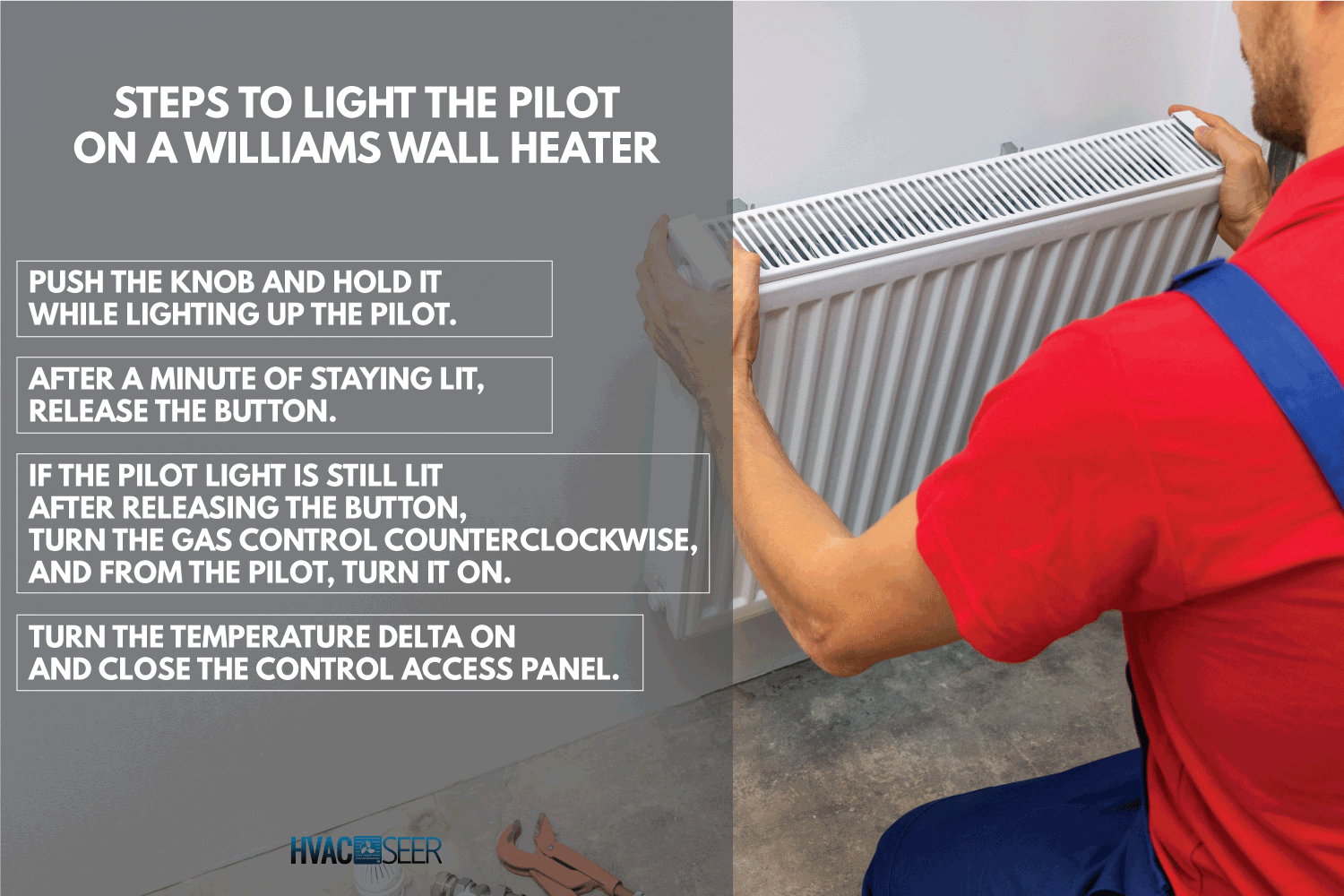
Start the Heater: Follow the manufacturer's instructions to start the heater. Most models have a pilot light that needs to be lit.
Monitor Operation: Observe the heater during its initial operation to ensure it is functioning correctly. Check for any unusual noises or smells.
6. Safety Checks
Carbon Monoxide Detector: Install a carbon monoxide detector in the room where the heater is located. This is crucial for safety, especially with vent-free models. Test the detector regularly.
Ventilation: Ensure adequate ventilation in the room, especially with vent-free models. Open a window slightly to provide fresh air.
Smart Home Integration for Enhanced Efficiency
Integrating your gas wall heater with a smart home system can significantly enhance its efficiency and convenience. Smart thermostats and sensors allow you to control the heater remotely, schedule heating cycles, and monitor energy consumption.
Smart Thermostats: Replace the standard thermostat with a smart thermostat compatible with gas wall heaters. Smart thermostats learn your heating preferences and adjust the temperature automatically to optimize energy savings. Many models can be controlled via a smartphone app.
Zone Heating: Use multiple smart thermostats to create zones in your home, allowing you to heat only the areas you are using. This can significantly reduce energy waste compared to heating the entire house.
Sensors: Integrate occupancy sensors to automatically turn on the heater when someone enters the room and turn it off when the room is empty.
Maximizing Energy Savings and Rebates
Programmable Thermostats: Even without full smart home integration, using a programmable thermostat can significantly reduce energy consumption. Set the thermostat to lower the temperature when you are away or asleep.
Regular Maintenance: Schedule regular maintenance for your gas wall heater to ensure it is operating efficiently. Clean the burner and vent (for vented models) regularly.
Air Sealing: Seal any air leaks around windows, doors, and other openings to prevent heat loss. This will help your gas wall heater heat the space more efficiently.
Rebates and Incentives: Check with your local utility company and state government for available rebates and incentives for energy-efficient gas wall heaters. Many programs offer rebates for installing high-efficiency models or smart thermostats. The Database of State Incentives for Renewables & Efficiency (DSIRE) is a good resource for finding rebates.
Troubleshooting Common Issues
Pilot Light Problems: If the pilot light goes out frequently, check the gas supply and the thermocouple. A dirty thermocouple can prevent the pilot light from staying lit. Clean the thermocouple with fine steel wool.
Heater Not Heating: If the heater is not producing heat, check the gas supply, the thermostat setting, and the burner. A clogged burner can restrict gas flow and reduce heat output. Clean the burner with a wire brush.
Unusual Odors: If you smell gas, immediately turn off the gas supply and contact your gas company or a qualified HVAC professional. Do not use any electrical devices or open flames until the leak is repaired.
Conclusion: A Smart Investment in Comfort and Savings
Installing a gas wall heater can be a smart investment for homeowners and businesses looking to save on energy bills and improve comfort. By carefully selecting the right type of heater, following proper installation procedures, and integrating smart home technology, you can maximize energy savings and enjoy a comfortable and efficient heating solution. Remember to prioritize safety and consult with a qualified HVAC professional if you have any doubts or concerns. Understanding the Energy Guide label on appliances will help you better understand the long-term cost of operating the unit.