How To Install A Mini Split Ac System
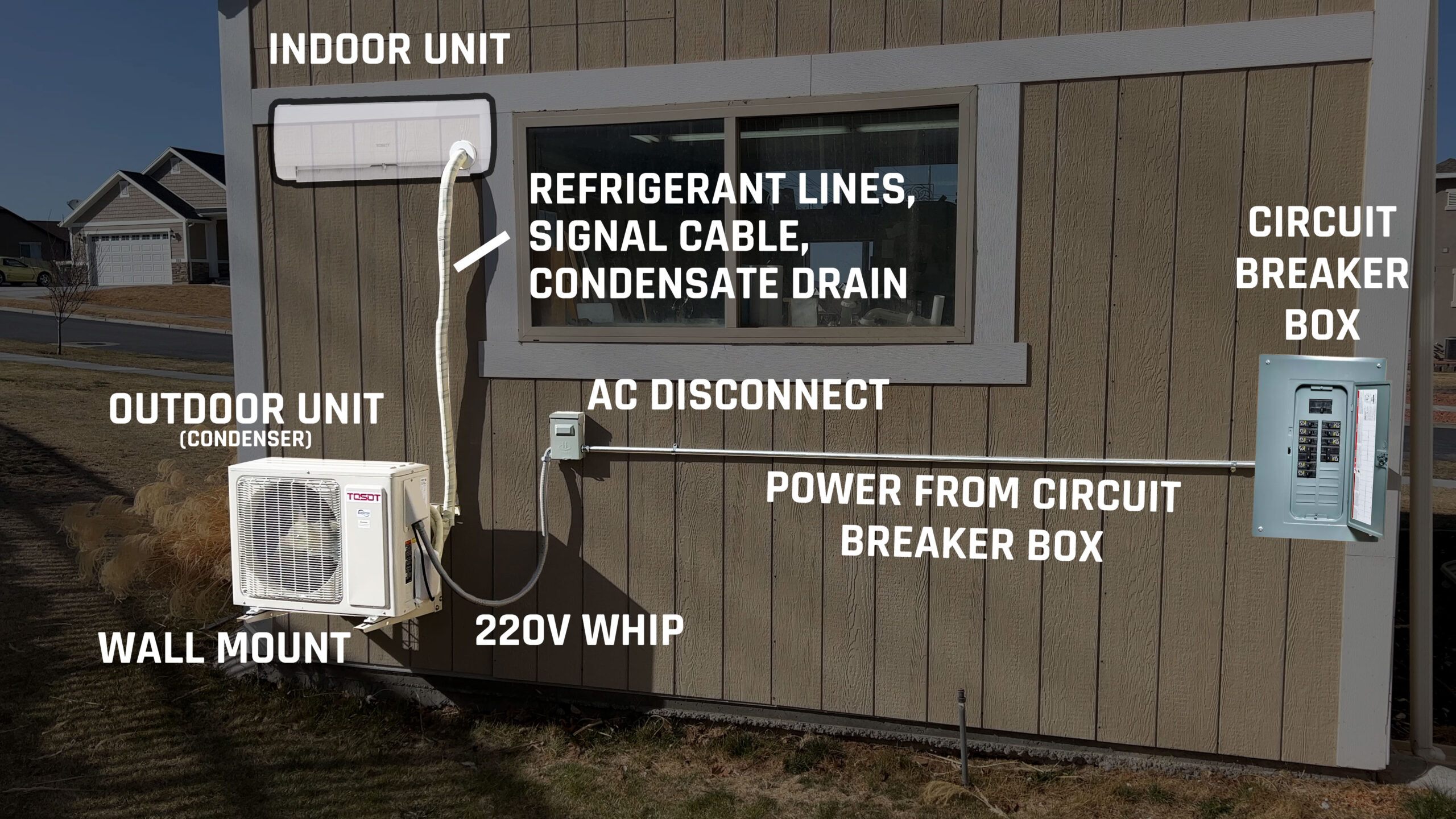
Imagine this: It's a sweltering summer day, and you're looking forward to the cool comfort of your mini-split AC system. But instead of a refreshing breeze, you're met with…nothing. Or worse, inconsistent cooling or strange noises. Before you resign yourself to a sticky, uncomfortable existence, let's explore some troubleshooting steps you can take to potentially resolve the issue yourself. This guide will provide practical, DIY fixes for common mini-split AC problems. Remember, when dealing with electricity, gas (refrigerant), or complex components, it's always best to call a qualified professional.
Common Mini-Split AC Problems
Mini-split systems are generally reliable, but like any appliance, they can experience issues. Some of the most common problems include:
- No power or the unit won't turn on.
- Weak airflow or no cooling.
- The unit turns on, but the air isn't cold.
- Strange noises (buzzing, rattling, hissing).
- Leaking water.
- Error codes displayed on the unit or remote.
Let's dive into troubleshooting these issues, one step at a time.
Troubleshooting Steps
1. The Unit Won't Turn On: Checking the Power Supply
The first and most basic step is to ensure your mini-split AC has power. This sounds obvious, but it's often the culprit.
- Check the power cord: Make sure the power cord is securely plugged into the electrical outlet. A loose connection can prevent the unit from receiving power.
- Inspect the outlet: Test the outlet with another appliance (like a lamp) to confirm it's working. If the outlet isn't working, check the circuit breaker.
- Check the circuit breaker: Locate the circuit breaker in your electrical panel that controls the mini-split AC. If the breaker has tripped (switched to the "off" position), reset it by switching it fully to the "off" position and then back to the "on" position. If the breaker trips immediately again, do not keep resetting it. This indicates a more serious electrical problem that requires a professional electrician.
- Remote control batteries: While not directly related to the unit turning on (usually), ensure the remote control batteries are fresh. A dead remote battery can prevent you from turning the unit on even if it *is* receiving power.
Important: If you suspect an electrical problem beyond a tripped breaker, do not attempt to diagnose or repair it yourself. Electricity can be dangerous, and it's always best to call a qualified electrician for assistance.
2. Weak Airflow or No Cooling: Checking Filters and Vents
If the unit is on, but the airflow is weak or the air isn't cold, the problem could be related to airflow obstruction or dirty filters.
- Clean or replace the air filters: This is the most common cause of reduced airflow. Dirty air filters restrict airflow, making the unit work harder and reducing its cooling efficiency. Locate the air filters (usually behind a removable panel on the indoor unit). Remove the filters and clean them with a vacuum cleaner or wash them with mild soap and water. Allow the filters to dry completely before reinstalling them. Replace disposable filters with new ones. Aim to clean or replace your air filters every 1-3 months, depending on usage and air quality.
- Check for blocked vents: Ensure that the air vents on both the indoor and outdoor units are not blocked by furniture, curtains, or other objects. Obstructions can restrict airflow and reduce cooling efficiency.
- Outdoor unit obstruction: Make sure the outdoor unit is free from debris like leaves, branches, or snow. These can block airflow and cause the unit to overheat. Carefully remove any obstructions.
Tip: Mark your calendar to remind yourself to check and clean or replace the air filters regularly. This simple maintenance task can significantly improve the performance and lifespan of your mini-split AC system.
3. Unit Turns On, But Air Isn't Cold: Checking Settings and Coils
If the unit is running, but the air isn't getting cold, several factors could be at play.
- Check the thermostat settings: Ensure the thermostat is set to "Cool" mode and that the temperature is set lower than the current room temperature. Sometimes, the thermostat can accidentally be switched to "Fan Only" mode, which will circulate air without cooling it.
- Remote control settings: Some remotes have a "sleep" mode or other energy-saving settings that can affect cooling performance. Review the remote control manual to ensure the settings are configured correctly for cooling.
- Inspect the outdoor unit coils: The condenser coils on the outdoor unit play a crucial role in the cooling process. If the coils are dirty, they won't be able to dissipate heat effectively. You can try to clean the coils with a soft brush or a fin comb specifically designed for cleaning AC coils. Turn off the power to the outdoor unit before attempting to clean the coils.
- Frozen indoor coil: If the airflow is severely restricted (due to extremely dirty filters) the indoor coil can freeze. Turn the unit off and allow it to thaw for several hours. Ensure you clean or replace the filters before restarting the unit.
Important: Avoid using a pressure washer to clean the outdoor unit coils, as this can damage the delicate fins. A gentle brush and a garden hose with a low-pressure nozzle are usually sufficient.
4. Strange Noises: Identifying the Source
Unusual noises coming from your mini-split AC can indicate a variety of problems. Here's how to troubleshoot some common noise issues:
- Rattling: A rattling noise often indicates loose parts. Check the outdoor unit for loose screws or panels. Tighten any loose fasteners you find. Also, ensure the outdoor unit is sitting level on its mounting pad. If it's not level, it can vibrate and cause a rattling noise.
- Buzzing: A buzzing noise could indicate a problem with the electrical components, such as a capacitor or the compressor. This type of noise should be investigated by a qualified technician. Do not attempt to diagnose or repair electrical components yourself.
- Hissing: A hissing noise could indicate a refrigerant leak. Refrigerant leaks require professional attention. Do not attempt to handle refrigerant yourself. Turn off the unit and contact a qualified HVAC technician. A refrigerant leak is not only bad for the environment but also requires specialized equipment and training to repair safely and effectively.
- Grinding: A grinding noise often indicates a problem with the fan motor bearings. This usually requires replacing the fan motor, which is best left to a professional.
Safety First: When dealing with electrical noises or suspected refrigerant leaks, always prioritize safety. Turn off the power to the unit and contact a qualified technician immediately.
5. Leaking Water: Addressing Condensation Issues
Water leaking from your mini-split AC can be a sign of a clogged drain line or a malfunctioning condensate pump (if your system has one).
- Check the drain line: The condensate drain line carries water away from the indoor unit. Over time, this line can become clogged with algae, mold, or debris. Locate the drain line outlet (usually outside the house) and check for any obstructions. You can try to clear the drain line by using a wet/dry vacuum to suck out any blockage. You can also try flushing the drain line with a solution of bleach and water (use caution when handling bleach).
- Inspect the condensate pump (if applicable): Some mini-split systems use a condensate pump to pump water uphill to a drain. If the pump is malfunctioning, it can cause water to leak. Check the pump for any obstructions or damage. You may need to clean or replace the pump. This is generally a simple replacement, but if you're not comfortable with electrical connections, consult a professional.
- Check for a frozen coil: As mentioned previously, a frozen coil can melt and produce excessive water. Allow the unit to thaw completely and address the cause of the frozen coil (usually dirty filters).
Tip: Prevent drain line clogs by periodically flushing the drain line with a solution of bleach and water. This will help keep the line clear of algae and mold growth.
6. Error Codes: Consulting the Manual
Many modern mini-split AC systems display error codes on the unit or remote control to indicate specific problems. When an error code appears, consult the owner's manual for the meaning of the code and the recommended troubleshooting steps.
- Locate the error code list: The owner's manual will contain a list of error codes and their corresponding descriptions.
- Follow the recommended steps: The manual will provide specific troubleshooting steps for each error code. These steps may include resetting the unit, checking connections, or replacing specific parts.
- Contact a professional: If the error code indicates a more serious problem, or if you are unable to resolve the issue yourself, contact a qualified HVAC technician.
Important: Keep your owner's manual in a safe and accessible place for easy reference. It contains valuable information about your mini-split AC system, including troubleshooting tips and warranty information.
When to Call a Professional
While many mini-split AC problems can be resolved with simple DIY fixes, some issues require the expertise of a qualified HVAC technician. You should call a professional in the following situations:
- Refrigerant leaks: Refrigerant is a hazardous substance, and refrigerant leaks require specialized equipment and training to repair safely and effectively.
- Electrical problems: Electrical problems can be dangerous, and attempting to diagnose or repair them yourself can be risky.
- Compressor issues: The compressor is the heart of the AC system, and compressor problems are complex and require specialized knowledge and tools to repair.
- Complex component failures: If you suspect a problem with a major component, such as the fan motor, circuit board, or expansion valve, it's best to consult a professional.
- Persistent problems: If you've tried the troubleshooting steps outlined in this guide and the problem persists, it's time to call a professional.
Remember: It's always better to err on the side of caution when dealing with electricity, gas (refrigerant), or complex components. A qualified HVAC technician can diagnose and repair the problem safely and effectively, ensuring the long-term performance and reliability of your mini-split AC system.
Preventative Maintenance Tips
Regular preventative maintenance can help prevent many of the problems discussed in this guide and extend the lifespan of your mini-split AC system.
- Clean or replace air filters regularly (every 1-3 months).
- Keep the outdoor unit free from debris.
- Periodically flush the condensate drain line with a solution of bleach and water.
- Schedule annual professional maintenance to inspect and clean the system.
By following these preventative maintenance tips, you can keep your mini-split AC system running smoothly and efficiently for years to come.
With a little knowledge and a few simple tools, you can tackle many common mini-split AC problems yourself. Remember to prioritize safety and know when to call a professional. By following the troubleshooting steps in this guide, you can keep your mini-split AC system running smoothly and enjoy cool, comfortable air all summer long.