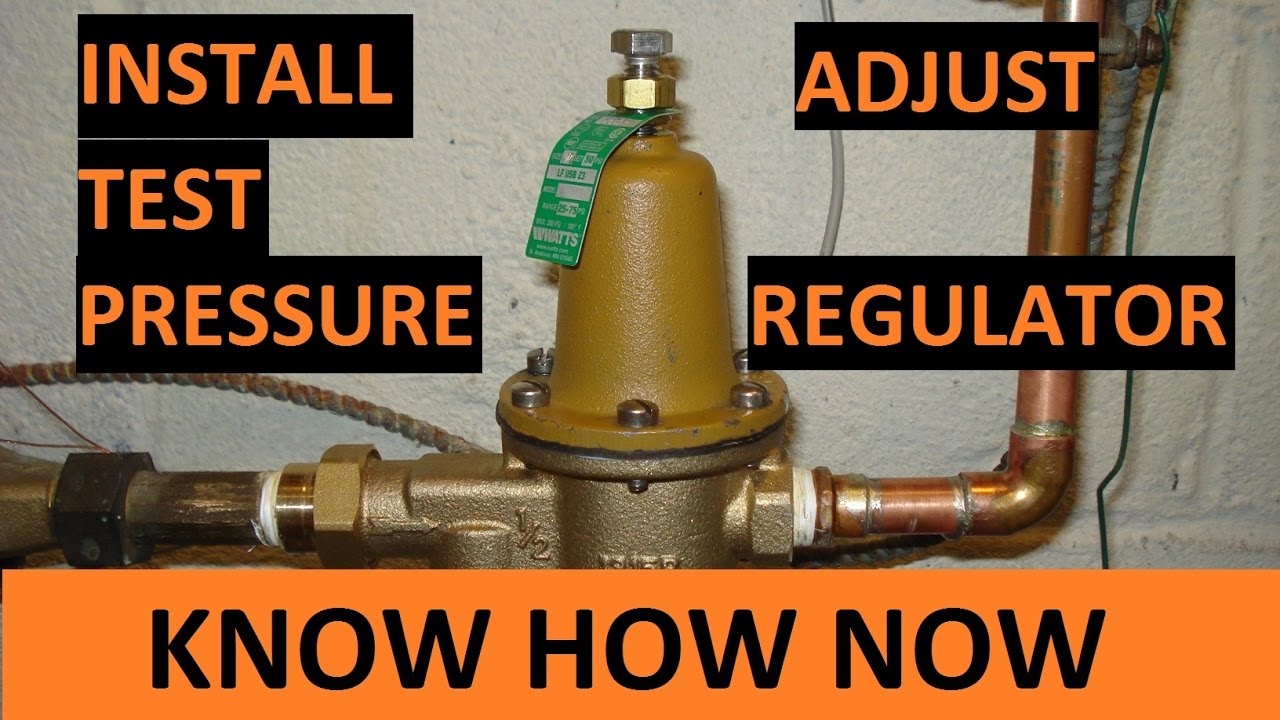
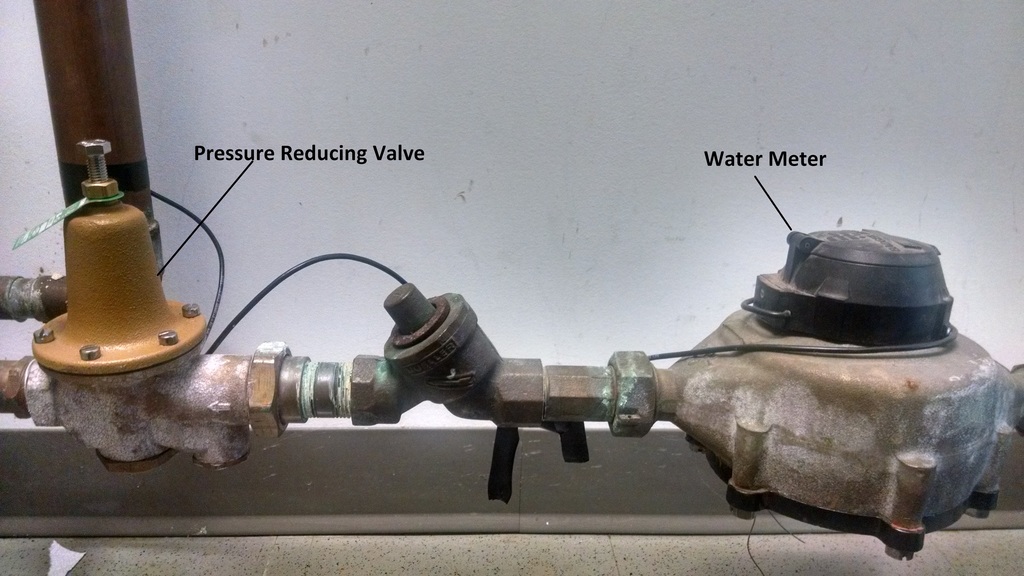
How To Install A Pressure Regulator Valve

Understanding and installing a pressure regulator valve (PRV) is a fundamental skill for HVAC professionals. Whether you're a student just starting your journey, a seasoned technician looking to expand your expertise, or an employer seeking qualified personnel, this guide provides a comprehensive overview of PRV installation, emphasizing best practices, safety considerations, and career advancement opportunities within the HVAC industry.
What is a Pressure Regulator Valve and Why is it Important?
A pressure regulator valve, often simply called a pressure reducing valve, is a crucial component in many HVAC systems. Its primary function is to reduce and maintain a consistent downstream pressure, protecting sensitive equipment from excessive pressure fluctuations that could cause damage or malfunction. This is particularly important in residential and commercial buildings where municipal water pressure can fluctuate significantly.
Without a properly installed PRV, high water pressure can lead to burst pipes, damaged appliances (water heaters, washing machines, dishwashers), and inefficient operation of plumbing fixtures. Conversely, insufficient water pressure can result in poor performance of showers and faucets.
Step-by-Step Guide to Installing a Pressure Regulator Valve
Before beginning any HVAC work, prioritize safety. Ensure you're wearing appropriate personal protective equipment (PPE), including safety glasses, gloves, and sturdy footwear. Turn off the water supply to the area where you'll be working. Always consult local plumbing codes and manufacturer instructions before commencing the installation.
Tools and Materials Required:
- New pressure regulator valve (ensure it’s the correct size and type for the application)
- Pipe wrench
- Adjustable wrench
- Pipe cutter or hacksaw
- Pipe thread sealant (pipe dope or Teflon tape)
- Sandcloth or wire brush
- Two unions (if needed for easier removal and maintenance)
- Flux and solder (for copper pipe installations)
- Torch and heat shield (for copper pipe installations)
- Bucket and rags (for cleanup)
Installation Steps:
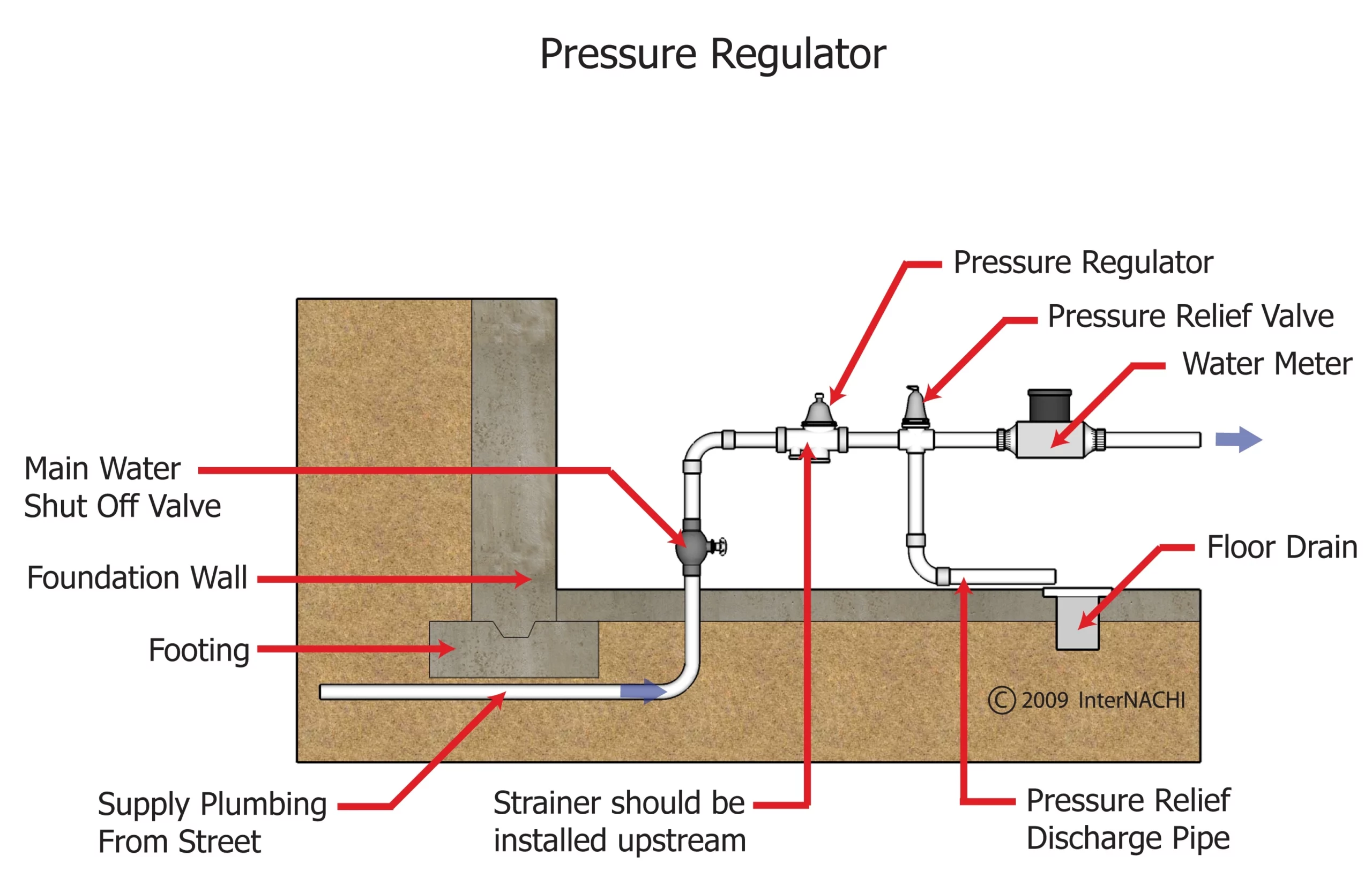
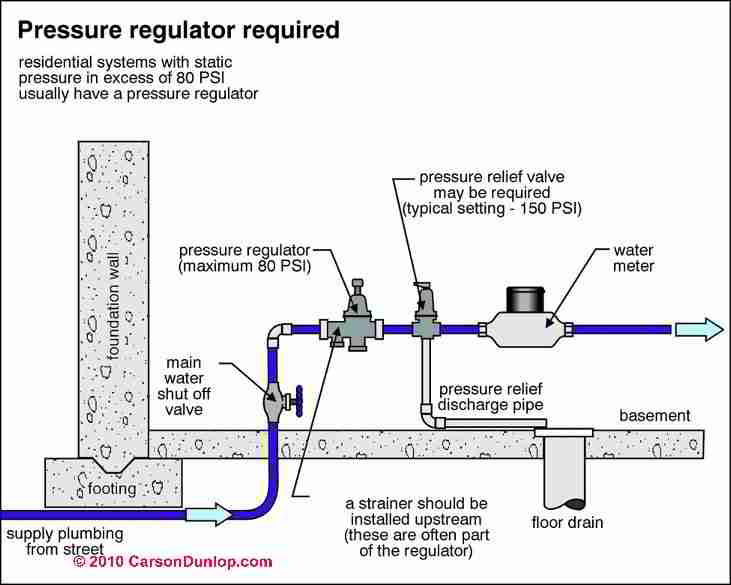
- Shut off the Water Supply: Locate the main water shut-off valve and turn it off completely. Open a faucet downstream to relieve any remaining pressure in the pipes.
- Prepare the Piping: Identify the section of pipe where the PRV will be installed. Measure and cut the pipe to the appropriate length, accounting for the size of the PRV and any necessary fittings (like unions).
- Clean the Pipe Ends: Thoroughly clean the outside of the pipe ends using sandcloth or a wire brush to remove any dirt, debris, or corrosion. This ensures a proper seal.
- Apply Pipe Thread Sealant: Wrap Teflon tape clockwise around the male threads of the pipe or apply pipe dope according to the manufacturer's instructions. Avoid over-tightening, which can damage the PRV.
- Install the PRV: Carefully thread the PRV onto the prepared pipe. Ensure the arrow on the PRV body is pointing in the direction of water flow. If using unions, connect them to the PRV and the pipe.
- Solder Copper Pipes (If Applicable): If working with copper pipes, apply flux to the cleaned pipe ends and the inside of the fitting. Heat the fitting evenly with a torch until the solder melts and flows into the joint. Allow the joint to cool completely before proceeding.
- Tighten Connections: Use a pipe wrench and adjustable wrench to tighten all connections securely. Avoid over-tightening.
- Slowly Turn on the Water Supply: Gradually open the main water shut-off valve, allowing the pipes to fill slowly. This helps prevent water hammer and potential damage.
- Check for Leaks: Carefully inspect all connections for leaks. If any leaks are found, tighten the connections further or disassemble, re-apply sealant, and reassemble.
- Adjust the Pressure (If Applicable): Many PRVs have an adjustment screw that allows you to set the desired downstream pressure. Use a pressure gauge to verify the pressure is within the recommended range for your system.
Essential HVAC Certifications
For HVAC technicians, obtaining relevant certifications can significantly enhance career prospects and earning potential. Here are some key certifications to consider:
- EPA Section 608 Certification: Required for anyone who handles refrigerants. This certification ensures technicians understand proper refrigerant handling and disposal procedures, preventing environmental damage. There are different levels (Type I, Type II, Type III, and Universal) depending on the type of equipment you'll be working on.
- NATE (North American Technician Excellence): NATE certification demonstrates a technician's knowledge and skills in specific areas of HVAC, such as installation, service, and maintenance. NATE-certified technicians are often highly sought after by employers and customers.
- HVAC Excellence: Another nationally recognized certification organization that offers a variety of certifications for HVAC technicians, focusing on different areas of expertise.
- State and Local Licenses: Many states and municipalities require HVAC technicians to be licensed. Requirements vary, so it's essential to research the specific regulations in your area.
HVAC Career Paths and Outlook
The HVAC industry offers diverse career paths, from entry-level installer positions to specialized roles such as service technicians, HVAC system designers, and project managers. According to the Bureau of Labor Statistics, the job outlook for HVAC mechanics and installers is projected to grow 6 percent from 2022 to 2032, about as fast as the average for all occupations. About 38,400 openings for HVAC mechanics and installers are projected each year, on average, over the decade.
Salary Ranges: The median annual wage for HVAC mechanics and installers was $59,690 in May 2023. The lowest 10 percent earned less than $37,470, and the highest 10 percent earned more than $88,480. Salaries can vary depending on experience, location, certifications, and specialization.
Example Career Paths:
- Entry-Level Installer: Typically involves assisting experienced technicians with installing HVAC equipment. This is a great starting point for gaining hands-on experience.
- HVAC Service Technician: Responsible for diagnosing and repairing HVAC systems. This role requires strong troubleshooting skills and a thorough understanding of HVAC principles.
- HVAC System Designer: Designs and plans HVAC systems for new construction or renovation projects. This role requires strong technical knowledge and CAD skills.
- HVAC Project Manager: Oversees HVAC installation projects, ensuring they are completed on time and within budget. This role requires strong leadership and communication skills.
Continuing Education and Professional Development
The HVAC industry is constantly evolving, with new technologies and regulations emerging regularly. To stay competitive, HVAC professionals must commit to continuing education and professional development. This can include attending industry conferences, taking online courses, and pursuing advanced certifications.
For example, staying updated on the latest energy-efficient technologies and green building practices can open up new opportunities in the growing market for sustainable HVAC solutions. Understanding and implementing smart HVAC systems, which utilize sensors and automation to optimize performance, is also becoming increasingly important.
The Importance of Proper PRV Installation
A properly installed pressure regulator valve is essential for the longevity and efficiency of HVAC systems. Incorrect installation can lead to a variety of problems, including water damage, equipment failure, and increased energy consumption. By following the steps outlined in this guide and obtaining the necessary certifications, HVAC professionals can ensure they are providing their clients with high-quality service and protecting their systems from potential damage.
"Investing in training and certification is an investment in your future and the future of the HVAC industry." - John Smith, HVAC Industry Expert
For Employers: Hiring Qualified HVAC Technicians
When hiring HVAC technicians, employers should prioritize candidates who possess the necessary certifications, experience, and problem-solving skills. Verifying certifications, conducting thorough interviews, and providing opportunities for ongoing training are crucial steps in building a skilled and reliable HVAC team. Offering competitive salaries and benefits can also help attract and retain top talent in a competitive job market.
According to recent surveys, companies that invest in employee training and development experience lower turnover rates and increased productivity. By providing opportunities for technicians to enhance their skills and advance their careers, employers can create a more engaged and motivated workforce.


:max_bytes(150000):strip_icc()/Water-pressure-regulator-2718696_color-8cb88034226e4c43aae61588c648e23f.jpg)