How To Install A Wood Stove In The Basement

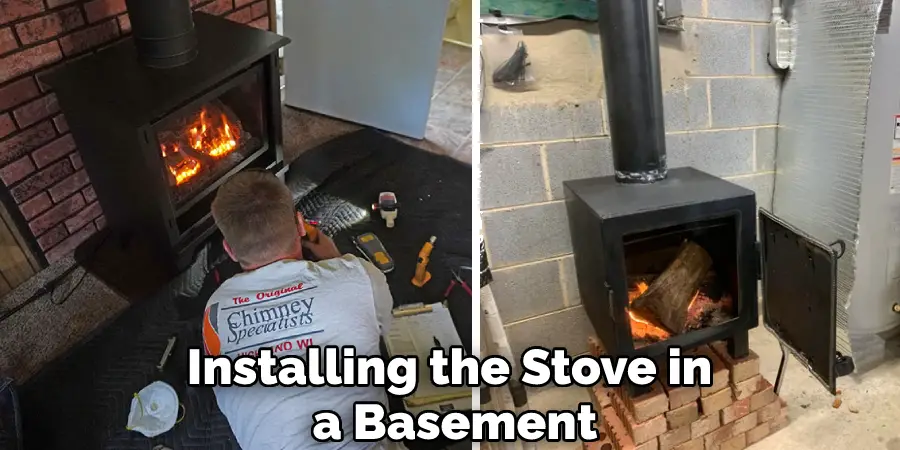
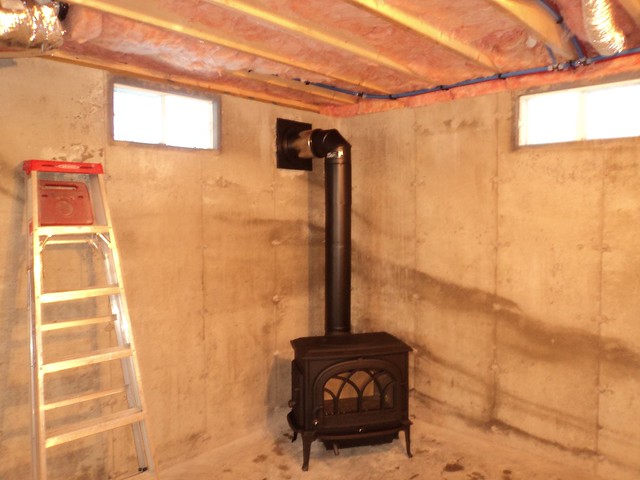
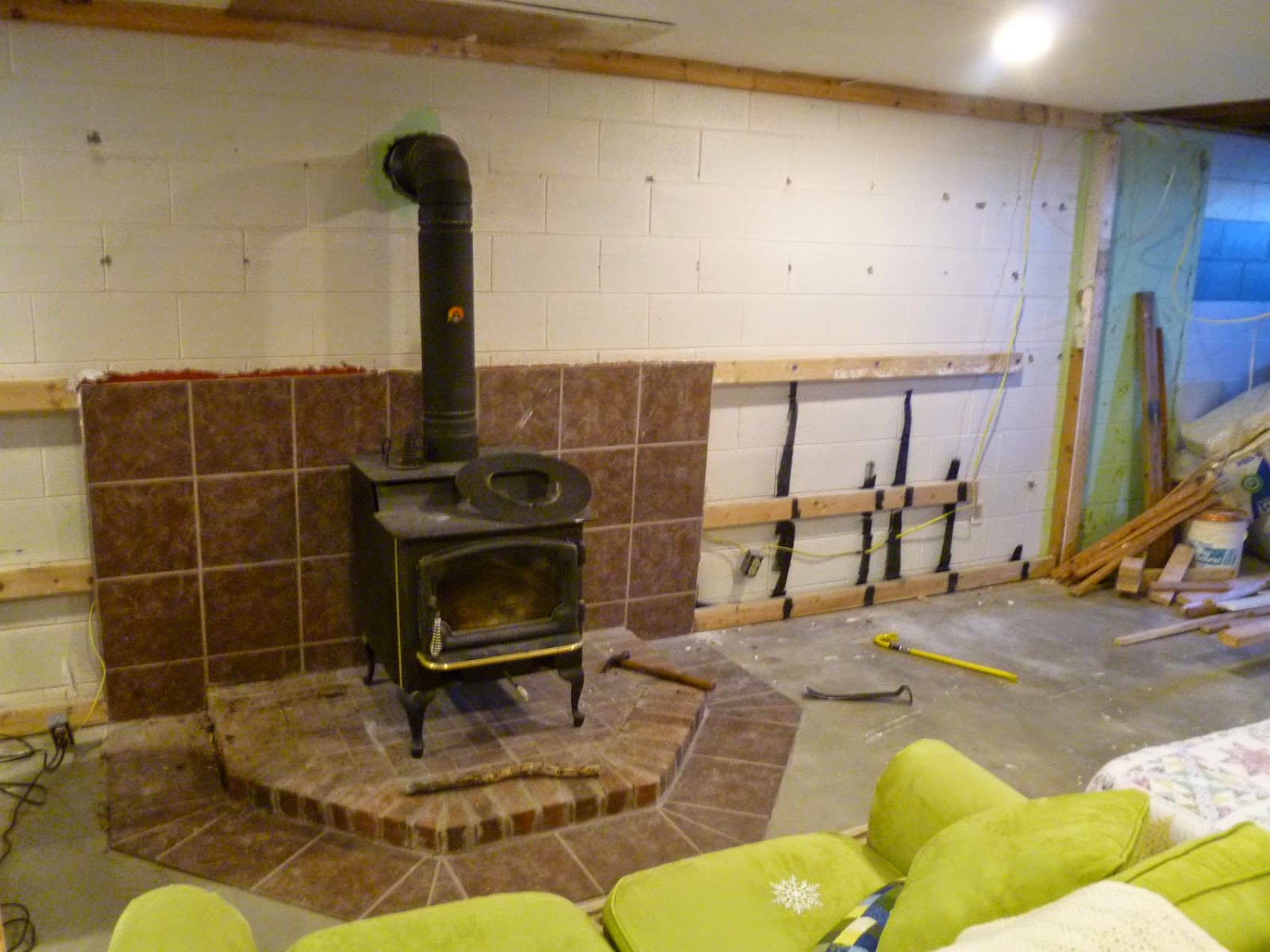
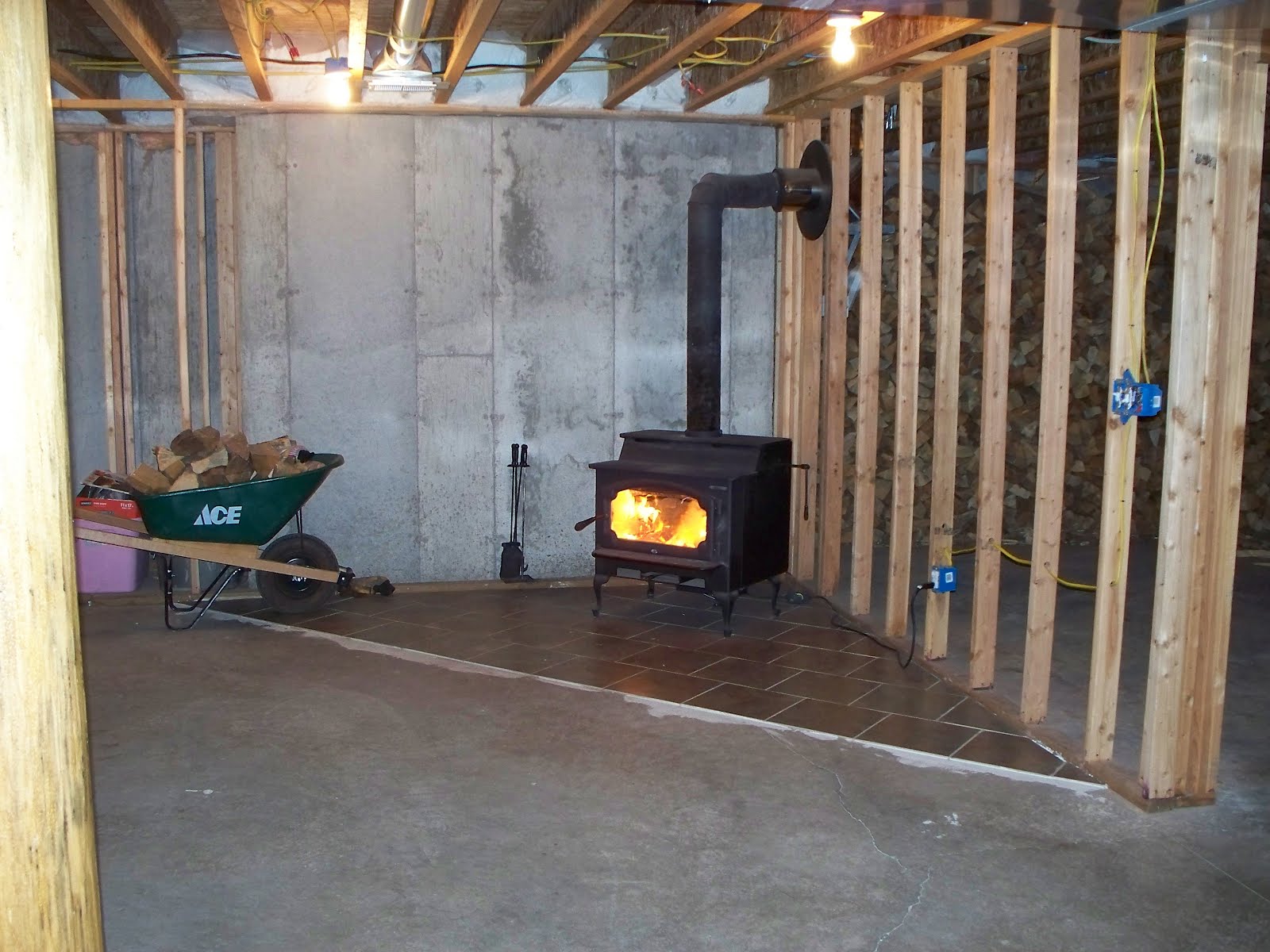
So, you're thinking about installing a wood stove in your basement? Great! A wood stove can be an efficient and cozy way to heat your basement space. However, a common problem homeowners face is poor draft, leading to smoky rooms, difficulty starting fires, and even the potential for carbon monoxide buildup. Before you call in a professional, let's troubleshoot this issue with some safe and simple DIY steps. Remember, safety is paramount. If at any point you feel uncomfortable or the problem persists, don't hesitate to call a qualified professional.
Diagnosing the Draft Problem
Before we start tearing things apart, let's systematically figure out why your stove isn't drafting properly. This step-by-step diagnosis will help you pinpoint the issue.
Step 1: The Visual Inspection
This is the easiest and often most revealing step. Grab a flashlight and carefully examine the following:
- The Chimney: Check for any obvious obstructions. Bird nests, leaves, or even accumulated creosote can significantly restrict airflow. Look for damage like cracks or missing sections.
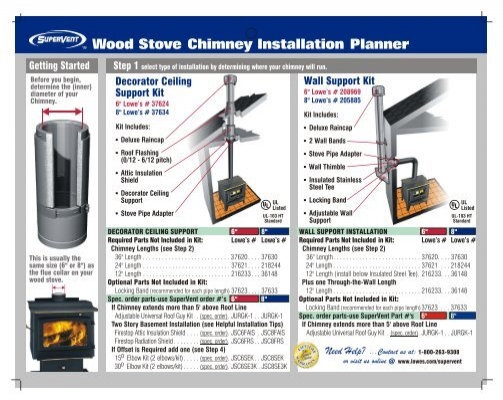
- The Stove Pipe: Ensure all sections are properly connected and sealed. Gaps in the stove pipe can allow smoke to leak into the room, robbing the system of draft. Look for rust or corrosion.
- The Stove Itself: Is the damper open? This is a common oversight. Make sure the damper is in the open position to allow exhaust gases to escape. Check for excessive creosote buildup inside the stove.
- The Basement: Is there anything obstructing airflow into the basement, such as tightly sealed windows or doors?
Step 2: The "Match Test"
This simple test can give you a quick indication of the draft. Light a match or a small piece of paper near the stove pipe opening (with the damper open, of course!).
- If the smoke is drawn up the chimney: You likely have some draft, but it might not be strong enough. This suggests a partial blockage or other issue down the line.
- If the smoke lingers or blows back into the room: You have a serious draft problem. Proceed with caution and further investigation.
Step 3: The "Neighbor Test" (Weather Dependent)
This test requires specific weather conditions. On a cold, still day (no wind), check if your neighbors' chimneys are drafting properly. If they are, and yours isn't, the problem is likely isolated to your system.
DIY Fixes You Can Try (Safely!)
Once you've identified potential issues, here are some DIY fixes you can attempt. Remember to wear appropriate safety gear, including gloves and eye protection.
Fix 1: Cleaning the Chimney
This is often the most effective solution. Creosote buildup is a common cause of poor draft.
- Safety First: Ensure the stove is completely cool. Cover the area around the stove to protect from falling debris.
- Gather Your Tools: You'll need a chimney brush (the correct size for your chimney flue), extension rods, a plastic drop cloth, a dust mask, and safety glasses.
- Seal the Stove: Close the stove door tightly. You can also tape plastic sheeting over the opening for added protection.
- Brush the Chimney: Starting from the top of the chimney, slowly lower the brush into the flue and scrub the walls, working your way down. Use the extension rods to reach the entire length.
- Collect the Debris: Carefully remove the plastic sheeting from the stove opening and dispose of the creosote debris properly (it's flammable!).
- Inspect: After cleaning, inspect the chimney flue for any remaining buildup or damage.
Fix 2: Clearing Obstructions
If you suspect a bird nest or other obstruction, try to remove it carefully.
- Visual Inspection: Use a mirror and a flashlight to try to see the obstruction.
- Gentle Probing: Use a long pole or a specialized chimney cleaning tool to gently dislodge the obstruction. Be careful not to damage the chimney liner.
- Removal: Once dislodged, try to remove the obstruction from the bottom of the chimney.
Fix 3: Sealing the Stove Pipe
Gaps in the stove pipe can significantly reduce draft. Use high-temperature sealant to seal any gaps or loose connections.
- Cool Down: Ensure the stove pipe is cool to the touch.
- Clean the Surfaces: Clean the surfaces to be sealed with a wire brush to remove any rust or debris.
- Apply Sealant: Apply a bead of high-temperature sealant to the joints and connections.
- Smooth and Cure: Smooth the sealant with your finger and allow it to cure according to the manufacturer's instructions.
Fix 4: Addressing Airflow in the Basement
Sometimes, the problem isn't the chimney, but the lack of air available to feed the fire. If your basement is tightly sealed, the stove may struggle to draw enough air.
- Crack a Window: Try opening a window slightly near the stove. If the draft improves, this indicates that the stove isn't getting enough air.
- Install an Outside Air Kit: Consider installing an outside air kit that brings fresh air directly to the stove. This is especially important for newer, energy-efficient homes that are tightly sealed.
Fix 5: Check and Adjust the Damper
This may sound obvious, but it's a common oversight. Make sure the damper is fully open when starting a fire and operating the stove. Experiment with different damper settings to find the optimal balance between draft and heat output. Too much draft will send your heat up the chimney. Not enough, and you will have smoke spillage.
When to Call a Professional
While these DIY fixes can address many common draft problems, there are situations where professional help is essential. Do not hesitate to call a qualified chimney sweep or stove installer if:
- You suspect a chimney fire: Never attempt to extinguish a chimney fire yourself. Call the fire department immediately and evacuate the building.
- You find significant chimney damage: Cracks, missing sections, or a collapsed liner require immediate professional attention.
- You can't identify the source of the problem: If you've tried these DIY fixes and the draft problem persists, a professional can perform a thorough inspection and identify the underlying cause.
- You're uncomfortable working on your chimney or stove: Safety is paramount. If you're not comfortable performing these tasks, leave it to the professionals.
- You suspect carbon monoxide poisoning: Carbon monoxide is a deadly, odorless gas. If you experience symptoms such as headache, dizziness, nausea, or confusion, evacuate the building immediately and call emergency services. Install carbon monoxide detectors on every level of your home, especially near sleeping areas.
- You have a multi-story chimney or complex system: Complex chimney systems require specialized knowledge and equipment to properly inspect and repair.
- The problem involves gas or oil appliances venting into the same chimney: This is a potentially dangerous situation that requires professional evaluation and correction.
Remember, dealing with fire and combustion is serious. A poorly installed or maintained wood stove can pose significant safety risks. When in doubt, consult a professional.
Preventive Measures for a Healthy Draft
Once you've resolved the draft problem, take steps to prevent it from recurring. Regular maintenance is key to a safe and efficient wood stove system.
- Schedule annual chimney inspections and cleanings: A qualified chimney sweep can identify potential problems before they become serious.
- Burn seasoned wood: Burning wet or unseasoned wood produces more smoke and creosote, which can clog your chimney.
- Follow proper burning techniques: Avoid smoldering fires, which produce more creosote. Burn hot, clean fires with plenty of air.
- Regularly inspect your stove pipe and chimney: Look for signs of damage or buildup.
- Keep the area around your stove clear of flammable materials: Maintain a safe distance between the stove and any combustible items.
- Ensure proper ventilation in your basement: Make sure the stove has access to enough air to burn properly.
By following these troubleshooting steps and preventive measures, you can enjoy the warmth and comfort of your basement wood stove safely and efficiently. Enjoy!