How To Install Air Conditioning Ductwork
Is your home heating and cooling uneven? Do some rooms feel like a sauna in the summer and an icebox in the winter, while others are perfectly comfortable? This is a common problem, and often the culprit is your air conditioning ductwork. Improper installation, leaks, and inadequate sizing can all contribute to these frustrating temperature imbalances. While some ductwork issues require professional expertise, many can be diagnosed and even resolved with a little DIY effort. This guide will walk you through the process.
Diagnosing the Ductwork Dilemma
Before you start tearing into walls, let's pinpoint the source of the problem. A methodical approach will save you time and potential headaches.
Step 1: The Feel Test (No Tools Required)
The first step involves using your senses. Walk around your home and pay attention to airflow at each vent.
- Airflow Strength: Is the airflow consistent from vent to vent? Are some barely pushing any air while others are blasting?
- Temperature Discrepancies: Does the air temperature match what you'd expect? Is the air from the vents in the hot rooms lukewarm, and the air in the cold rooms only slightly cool?
- Drafts: Feel around the ductwork connections (where the ductwork sections meet). Do you feel any drafts escaping? This is a sign of a leak.
- Listen Carefully: Turn on your HVAC system and listen near the ductwork, especially around joints and seams. Can you hear any hissing or whistling sounds? These indicate air leaks.
Document your findings. Make a note of which rooms have weak airflow, temperature discrepancies, and where you suspect leaks. This will be invaluable later.
Step 2: Visual Inspection (Minimal Tools Required)
Now, let's visually inspect the accessible ductwork. You'll need a flashlight, a stepladder (if necessary), and possibly a screwdriver to remove vent covers.
- Examine Exposed Ductwork: Start with the ductwork in your basement, attic, or crawlspace. Look for:
- Visible Tears or Holes: Obvious damage is a clear indication of a leak.
- Disconnected Sections: Are any ductwork sections completely detached from each other?
- Crushed or Kinked Ducts: This restricts airflow.
- Sagging Ducts: Can indicate a lack of support, leading to stress and potential leaks.
- Dust Accumulation: Excessive dust around seams suggests air leaks are occurring.
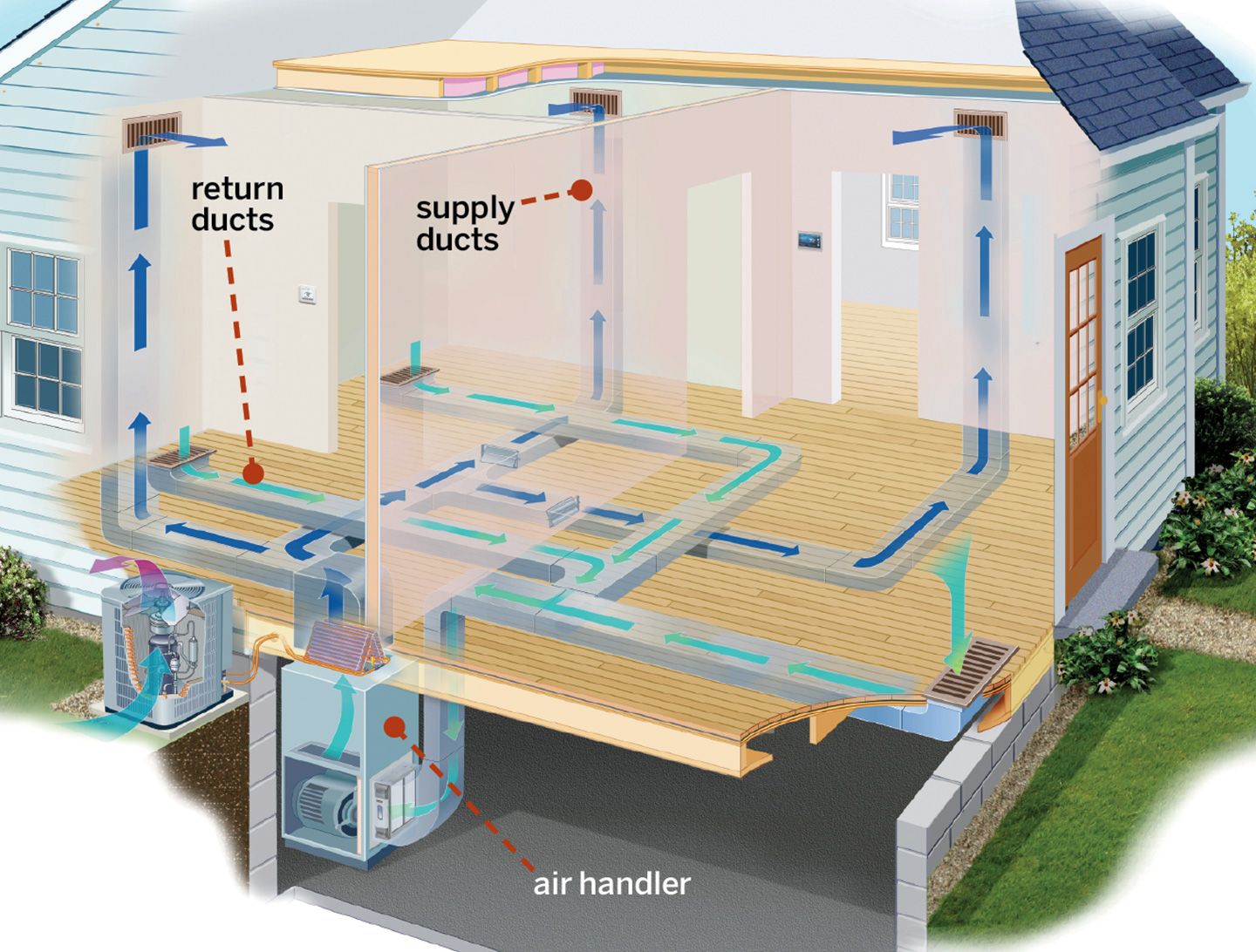
- Vent Connections: Remove vent covers and inspect the connection between the vent boot (the metal box connected to the ductwork) and the ductwork itself. Is it properly sealed?
- Insulation: Is the ductwork properly insulated? Missing or damaged insulation can lead to significant energy loss. Especially important for ductwork in unconditioned spaces like attics and crawlspaces.
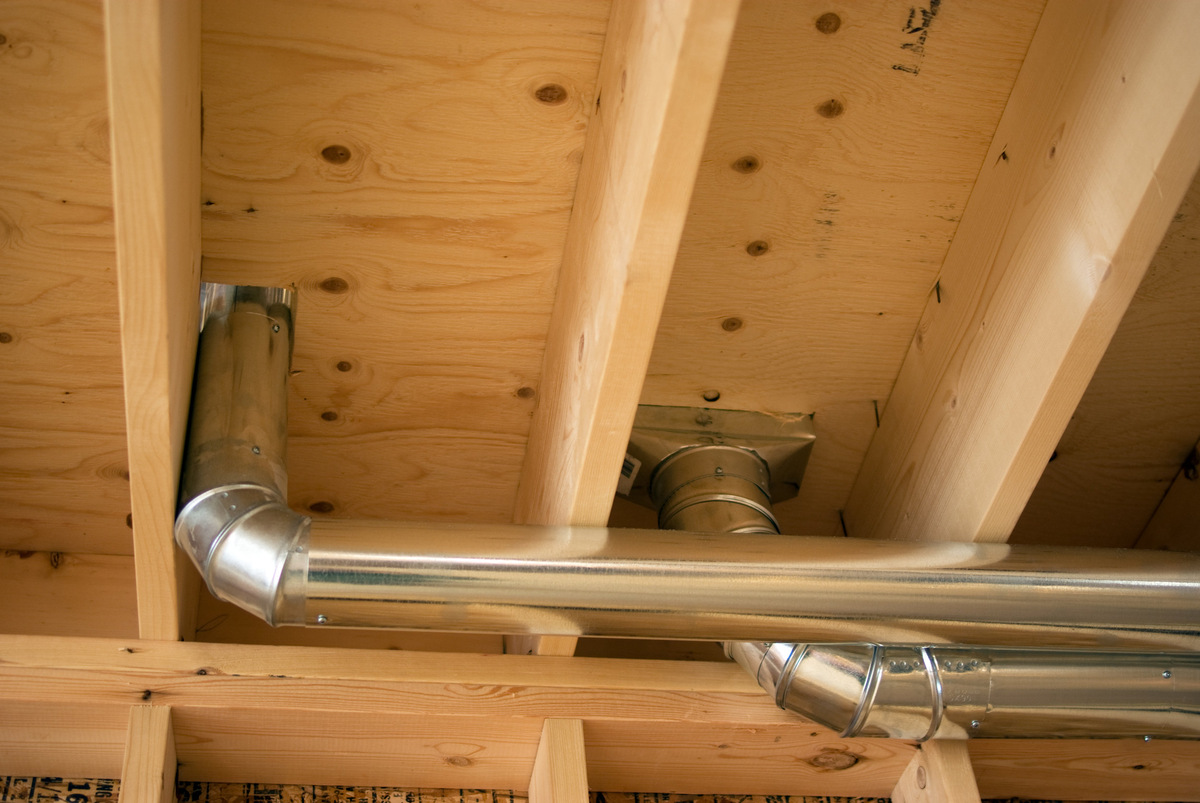
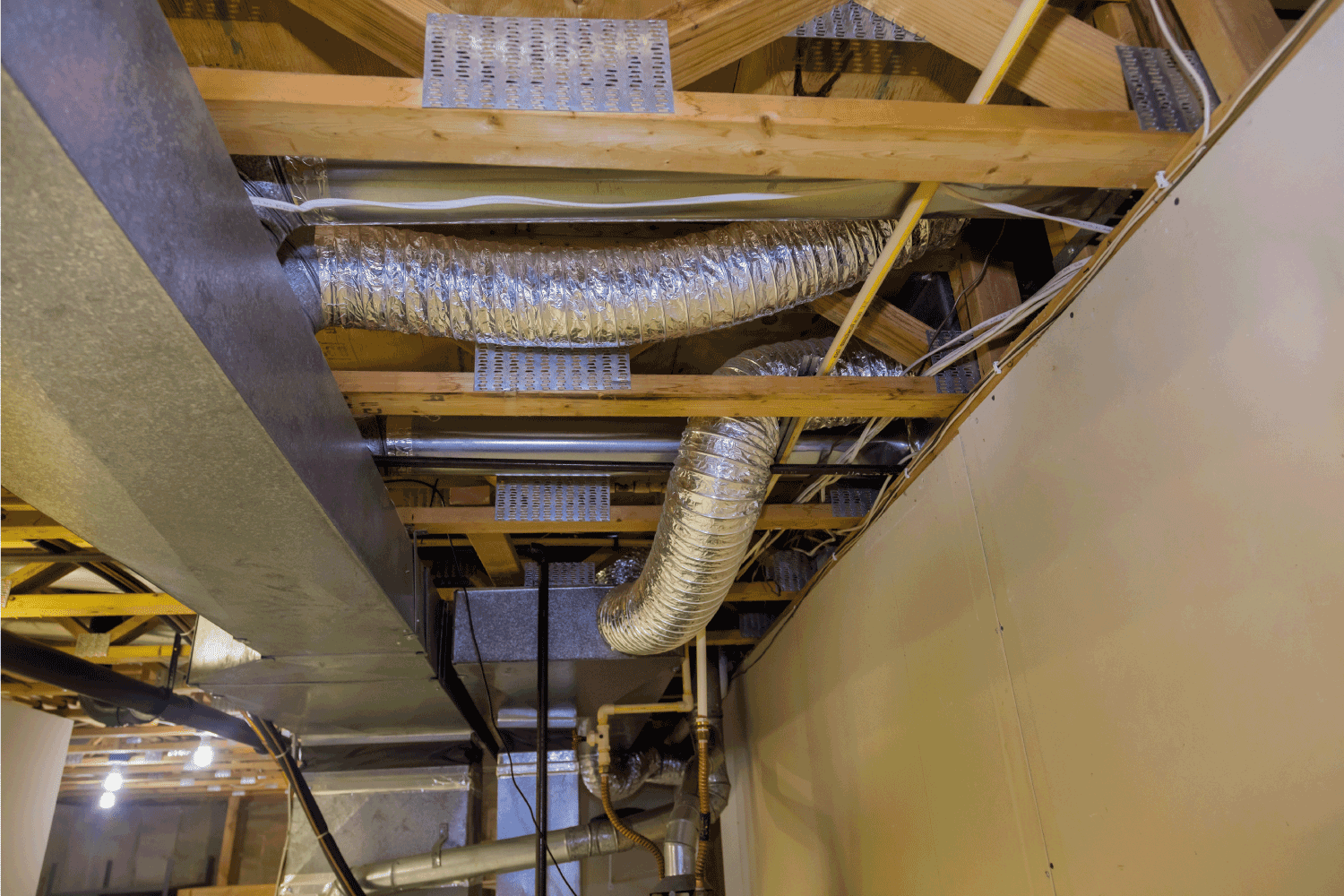
- Duct Material: Identify the type of ductwork. Is it sheet metal, flexible duct, or duct board? Each has its own vulnerabilities. Flexible duct, while convenient, is prone to kinking and tearing.
Take pictures of any problem areas. This will be helpful for both DIY repairs and when consulting with an HVAC professional.
Step 3: Checking for Basic Installation Errors (Basic Equipment Needed)
While a complete ductwork redesign is best left to professionals, you can check for some common installation errors that might be contributing to the problem. You'll need a measuring tape and a level.
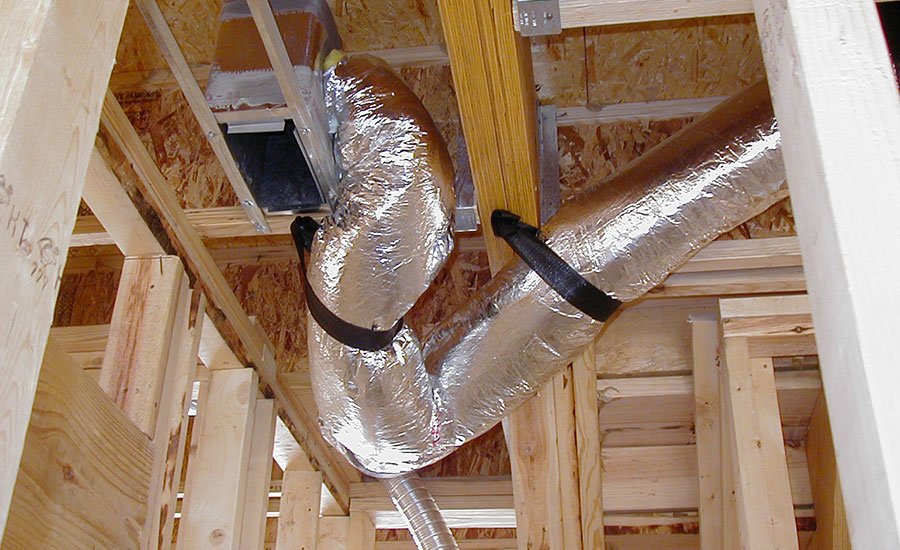
- Duct Sagging: Flexible ducts should be supported every few feet. Excessive sagging restricts airflow. Use measuring tape to assess the space between the supporting straps. If more than approximately 4 feet, needs adjustment.
- Kinks and Bends: Flexible ducts should have smooth, gradual bends. Sharp bends and kinks significantly reduce airflow. If bending is too sharp, consider shortening the duct length.
- Duct Size: While difficult to fully assess without HVAC expertise, you can compare the duct size in different areas. Drastic reductions in duct size can restrict airflow to certain rooms. However, duct sizing is complex and depends on the CFM (cubic feet per minute) requirements of each room.
DIY Ductwork Repair: What You Can Tackle (Safely)
Based on your diagnosis, you might be able to address some of the issues yourself. Here are a few common DIY fixes:
Sealing Leaks
Sealing leaks is one of the most effective DIY repairs. You'll need:
- Aluminum Foil Tape: This is designed specifically for ductwork and is heat-resistant. Do NOT use duct tape (ironically, it's not effective for ductwork!).
- Caulk (Optional): For larger gaps, you can use a duct sealant caulk as a base layer before applying the tape.
- Clean Cloth: To clean the surface before applying tape or caulk.
How to seal leaks:
- Clean the Surface: Wipe the area around the leak with a clean cloth to remove dust and debris.
- Apply Caulk (If Necessary): For larger gaps, apply a bead of duct sealant caulk along the seam or hole. Let it dry according to the manufacturer's instructions.
- Apply Aluminum Foil Tape: Overlap the tape by at least an inch on each side of the leak. Press firmly to ensure a good seal.
- Smooth Out Wrinkles: Use your fingers or a smooth tool to remove any wrinkles or air pockets in the tape.
Reinforcing Connections
If ductwork sections are loose or wobbly, you can reinforce the connections using:
- Screws or Metal Strapping: To secure loose sections of sheet metal ductwork.
- Zip Ties: To tighten connections on flexible ductwork.
How to reinforce connections:
- Realign the Sections: Make sure the ductwork sections are properly aligned.
- Secure with Screws/Strapping/Zip Ties: Use screws or metal strapping to secure sheet metal sections. Use zip ties to tighten connections on flexible ductwork. Ensure zip ties are not over-tightened, causing constriction.
- Seal with Tape: After securing the connection, seal any gaps with aluminum foil tape.
Supporting Sagging Ducts
Sagging flexible ducts restrict airflow and can eventually tear. You can support them using:
- Duct Straps or Hangers: These are designed to support flexible ductwork.
- Metal Wire: Can be used as a temporary fix, but duct straps are preferred.
How to support sagging ducts:
- Install Duct Straps: Attach duct straps to the ductwork and then to the ceiling joists or other structural members. Space the straps appropriately to prevent sagging (generally every 4 feet).
- Adjust the Straps: Ensure the straps are tight enough to support the ductwork without constricting it.
Insulating Ductwork
Missing or damaged insulation leads to energy loss. You can replace insulation using:
- Duct Wrap Insulation: This is available in various thicknesses and R-values.
- Foil Tape: To seal the seams of the insulation.
How to insulate ductwork:
- Clean the Ductwork: Wipe the ductwork to remove any dust or debris.
- Wrap with Insulation: Wrap the ductwork with duct wrap insulation, ensuring the foil side faces outward.
- Secure with Tape: Overlap the seams of the insulation and seal them with foil tape.
When to Call a Professional
While DIY repairs can address many ductwork issues, some situations require the expertise of a qualified HVAC technician. Do NOT attempt these repairs yourself!
- Mold Growth: If you see mold growth on or inside the ductwork, do not attempt to clean it yourself. Mold can be hazardous to your health, and professional remediation is required.
- Asbestos: If your home was built before the 1980s, the ductwork may contain asbestos. Do not disturb it! Contact a professional asbestos removal company.
- Complex Ductwork Systems: If your ductwork system is complex or requires significant modifications, it's best to consult with an HVAC professional.
- Refrigerant Leaks: If you suspect a refrigerant leak (e.g., from the evaporator coil in the air handler), do not attempt to repair it yourself. Refrigerant is harmful and requires specialized equipment to handle.
- Ductwork Inside Walls or Ceilings: Accessing and repairing ductwork inside walls or ceilings requires specialized tools and knowledge.
- Electrical Problems: If you encounter any electrical problems while working on your HVAC system, stop immediately and call a qualified electrician.
- You're Unsure: If you're not comfortable or confident in your ability to perform a repair, it's always best to err on the side of caution and call a professional.
A professional HVAC technician can:
- Perform a comprehensive ductwork assessment.
- Design and install a new ductwork system if necessary.
- Seal ductwork leaks with specialized equipment.
- Balance the airflow throughout your home.
- Ensure your ductwork system is operating efficiently and safely.
Safety First!
Before starting any DIY ductwork repair, remember these safety tips:
- Turn off the power to your HVAC system at the breaker box before working on any electrical components.
- Wear safety glasses to protect your eyes from dust and debris.
- Wear gloves to protect your hands.
- Use a dust mask to avoid inhaling dust and debris.
- Be careful when working on ladders or in confined spaces.
- If in doubt, call a professional.
By following these steps, you can diagnose and potentially resolve common ductwork issues, improving your home's comfort and energy efficiency. Remember to prioritize safety and call a professional when necessary. Good luck!