How To Install Air Filter In Heater
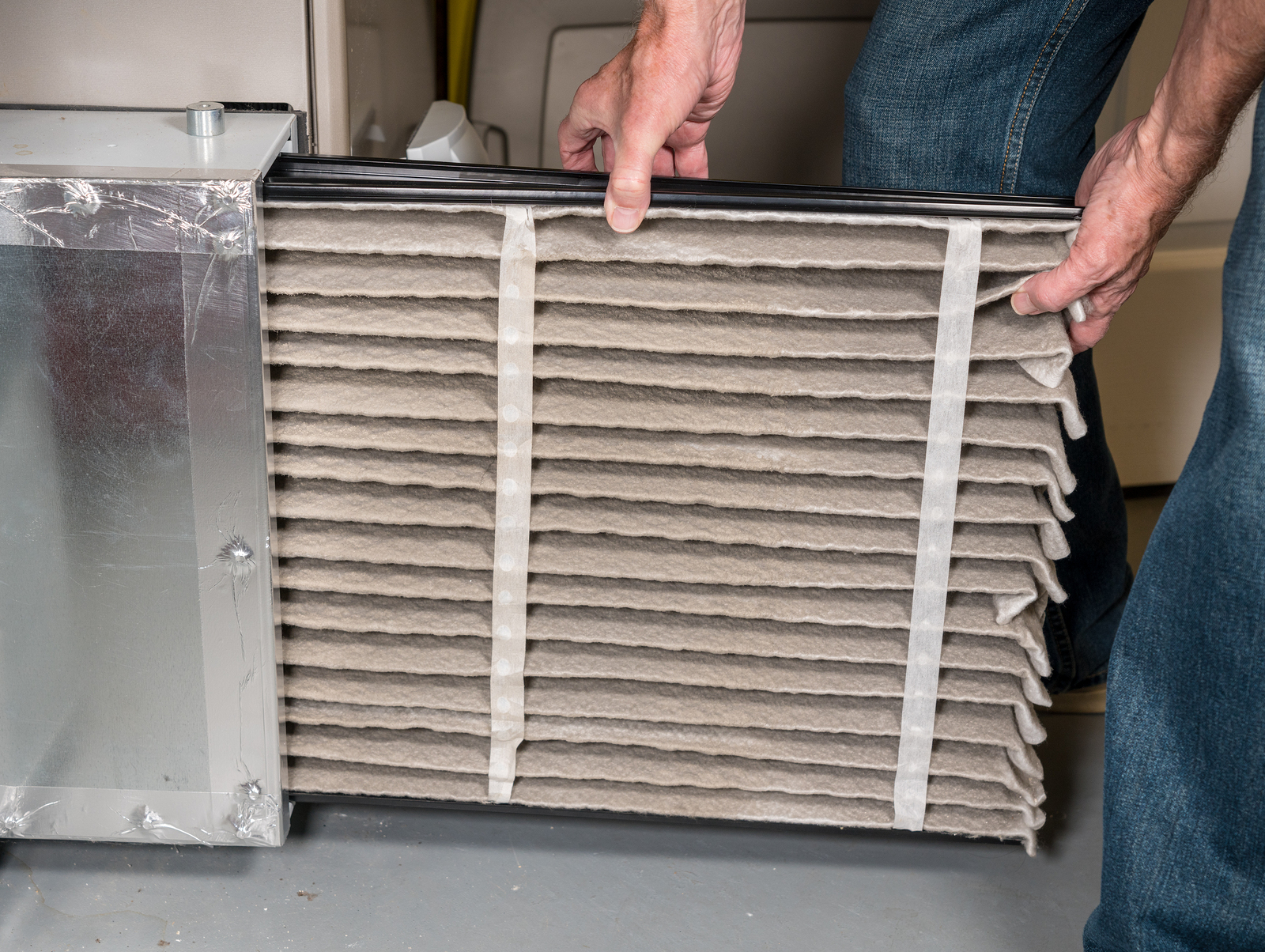
Frequently Asked Questions: Installing Your Heater Air Filter
Maintaining good air quality in your home or facility involves more than just dusting; it requires regularly replacing your heater's air filter. This simple task improves air quality, protects your HVAC system, and can even lower your energy bills. Here are some of the most common questions we receive about how to properly install an air filter in your heater.
Question 1: Why is changing my heater's air filter so important?
Changing your air filter regularly is crucial for several reasons:
- Improved Air Quality: The primary function of the air filter is to trap dust, pollen, pet dander, and other airborne particles, preventing them from circulating throughout your home. This is especially important for individuals with allergies or respiratory sensitivities.
- HVAC System Protection: A dirty air filter restricts airflow, forcing your heater to work harder to maintain the desired temperature. This overworks the system, potentially leading to costly repairs or premature failure.
- Energy Efficiency: When your heater doesn't have to struggle against a clogged filter, it operates more efficiently, using less energy and lowering your utility bills.
- Extended System Lifespan: By reducing strain on the system, regular filter changes can significantly extend the lifespan of your heater.
Think of it like this: a clean filter allows your heater to "breathe" properly, while a dirty filter makes it "gasp" for air.
Question 2: How often should I replace my heater's air filter?
The frequency of air filter replacement depends on several factors, including:
- Filter Type: Different filter types have varying lifespans. Cheaper fiberglass filters may need to be replaced monthly, while more expensive pleated filters can last for three months or longer.
- Household Size: Larger households with more occupants tend to generate more dust and allergens, requiring more frequent filter changes.
- Pet Ownership: Homes with pets typically require more frequent filter changes due to pet dander and hair.
- Allergy Sufferers: If someone in your household suffers from allergies or asthma, more frequent filter changes can help alleviate symptoms.
- Environmental Factors: If you live in an area with high levels of air pollution or construction nearby, you may need to change your filter more often.
As a general guideline, consider these recommendations:
- Fiberglass Filters: Replace monthly
- Pleated Filters (1-inch thick): Replace every 30-90 days
- Pleated Filters (4-5 inches thick): Replace every 6-12 months
Regularly check your air filter. If it looks dirty or clogged, it's time to replace it, regardless of the recommended replacement schedule. A good rule of thumb is to check it monthly, especially during peak heating and cooling seasons.
Question 3: What type of air filter should I use in my heater?
Choosing the right air filter involves considering its MERV rating and your specific needs. MERV stands for Minimum Efficiency Reporting Value, and it indicates the filter's ability to capture particles of different sizes. Here's a breakdown:
- MERV 1-4: These are basic fiberglass filters, effective at capturing large particles like dust and lint. They offer minimal filtration and are primarily designed to protect the HVAC system, not improve air quality.
- MERV 5-8: These are pleated filters that offer better filtration than fiberglass filters, capturing smaller particles like pollen and pet dander. They are a good option for general household use.
- MERV 9-12: These filters offer even better filtration, capturing smaller particles like mold spores and bacteria. They are a good choice for individuals with allergies or asthma.
- MERV 13-16: These are high-efficiency filters, capturing very small particles like smoke and viruses. They are often used in hospitals and other environments where air quality is critical. Consult with an HVAC professional before using filters with a MERV rating this high in residential HVAC systems. They can restrict airflow too much and cause damage.
When choosing an air filter, consider the following:
- Allergy or Asthma Concerns: If you have allergy or asthma sufferers in your household, choose a filter with a higher MERV rating (8-12).
- HVAC System Compatibility: Ensure the filter is compatible with your heater model. Check your owner's manual or consult with an HVAC professional.
- Airflow Considerations: Higher MERV-rated filters can restrict airflow. Don't automatically assume that the highest MERV rating is the best choice. Balance filtration with airflow to avoid overworking your heater.
Most homeowners will find that a pleated filter with a MERV rating of 8-11 provides a good balance of filtration and airflow.
Question 4: How do I find the right size air filter for my heater?
Using the correct size air filter is crucial for proper filtration and preventing air bypass. To determine the correct size:
- Check the Old Filter: The size is usually printed on the frame of the old air filter. Look for dimensions like "16x25x1" or "20x20x4".
- Consult Your Heater's Manual: Your heater's owner's manual should specify the correct air filter size.
- Measure the Filter Slot: If you can't find the size information, measure the length, width, and depth of the filter slot in your heater. Round up to the nearest standard filter size.
It's important to note that the actual dimensions of the filter may be slightly different from the nominal dimensions printed on the filter. This is normal, but ensure the filter fits snugly in the filter slot without being too tight or too loose. Using a filter that is too small will allow unfiltered air to bypass the filter, negating its effectiveness. Using a filter that is too large may damage your unit.
Question 5: What are the steps for installing a new air filter in my heater?
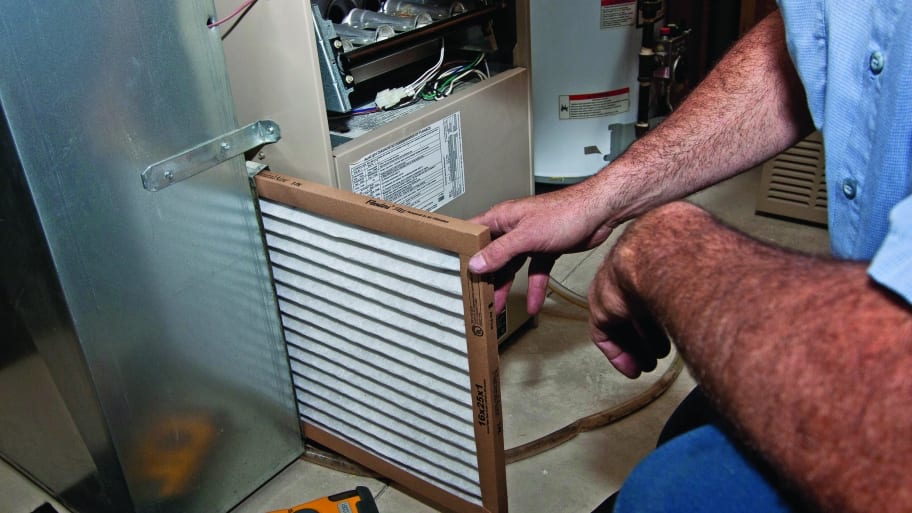
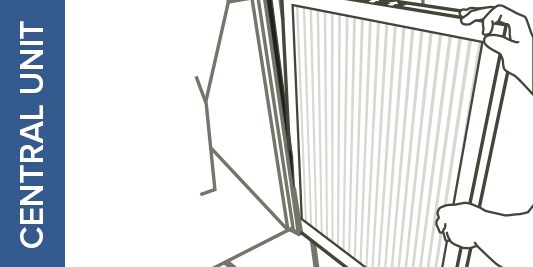
Installing a new air filter is a straightforward process. Here are the steps:
- Turn off the Heater: Before you begin, turn off your heater at the thermostat and, if possible, at the circuit breaker. This is a safety precaution.
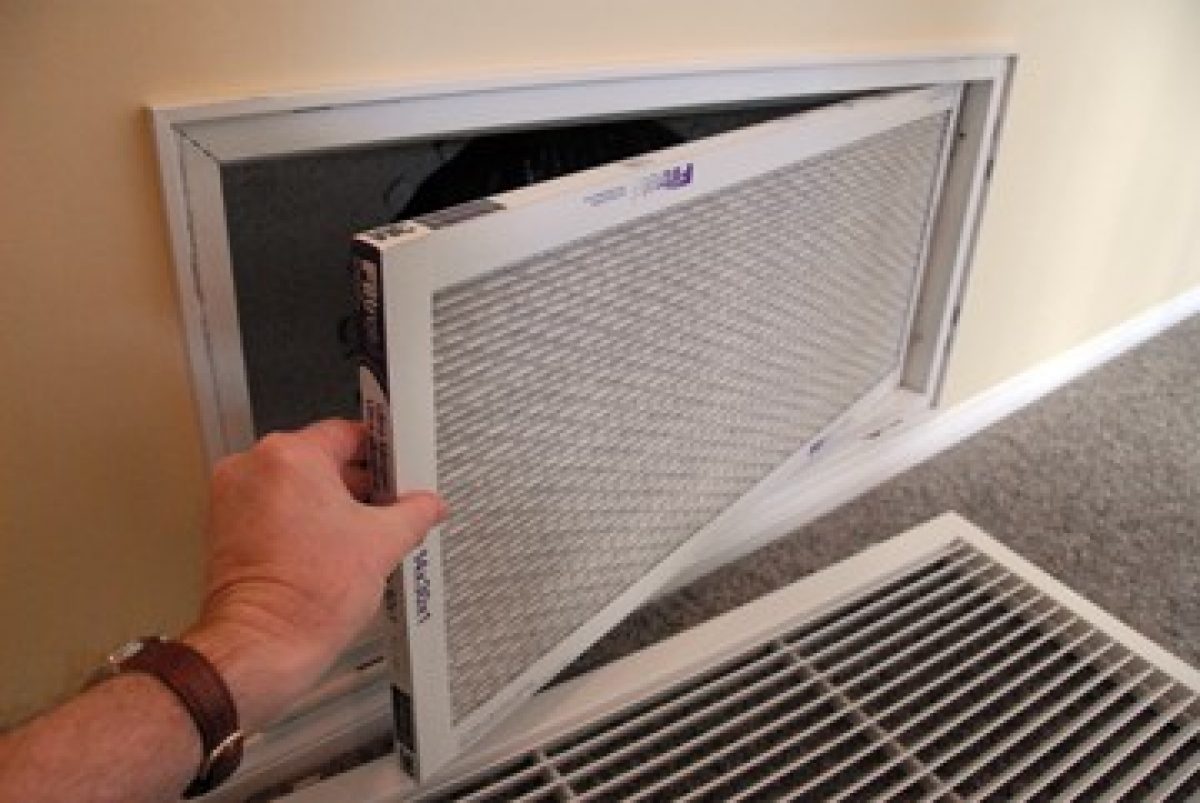
- Locate the Filter Compartment: The filter compartment is usually located near the blower motor or in the return air duct connected to the heater. It's often a rectangular slot with a removable cover or door.
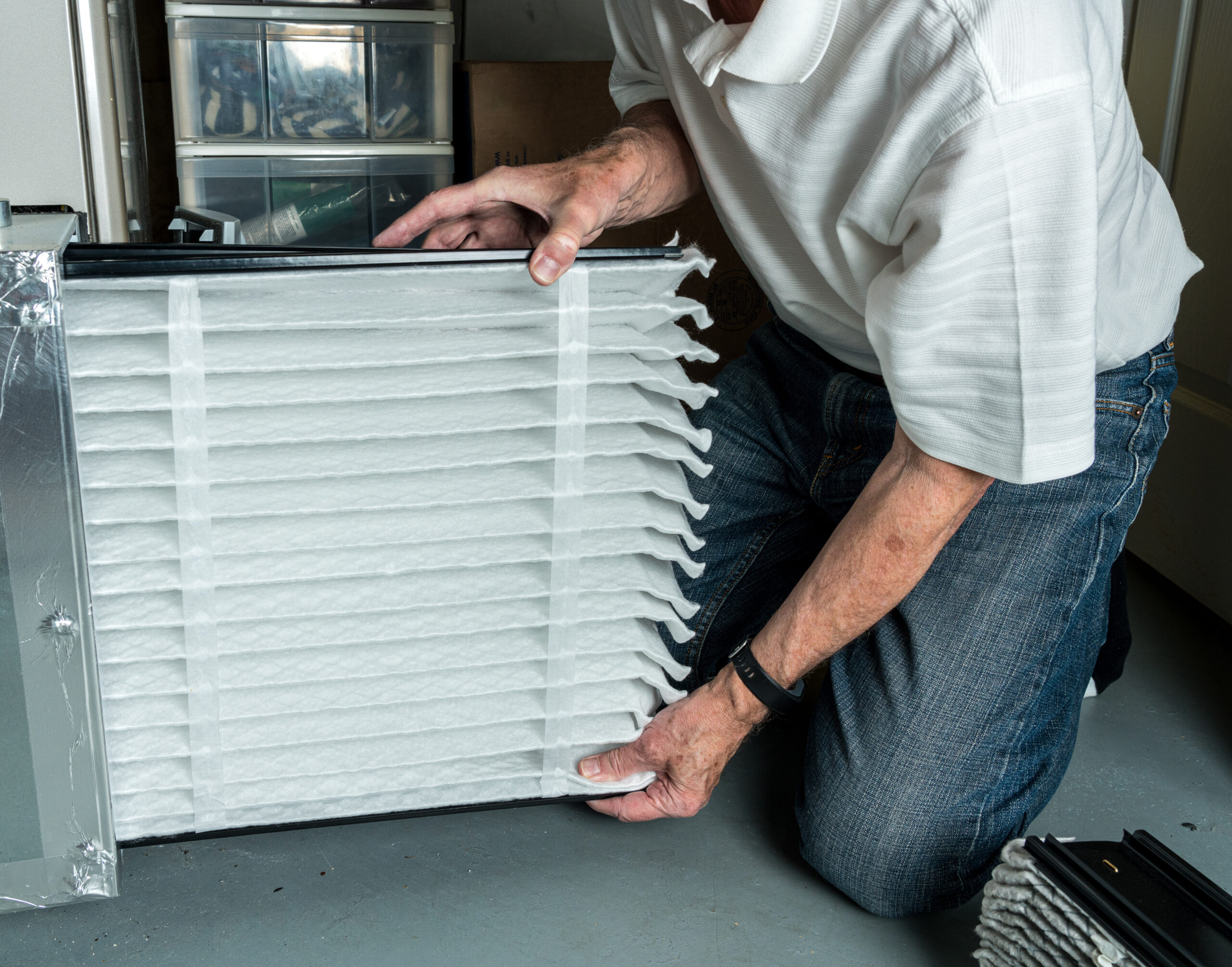
- Remove the Old Filter: Open the filter compartment and carefully remove the old air filter. Note the direction of airflow on the old filter (an arrow is usually printed on the frame). This indicates which way the filter was installed.
- Inspect the Filter Compartment: Before installing the new filter, inspect the filter compartment for any dust or debris. Wipe it clean with a damp cloth if necessary.
- Install the New Filter: Insert the new air filter into the filter compartment, ensuring the airflow arrow on the filter frame points in the same direction as the airflow in your heater (usually towards the blower motor).
- Close the Filter Compartment: Securely close the filter compartment cover or door.
- Turn on the Heater: Turn the heater back on at the thermostat and, if applicable, at the circuit breaker.
Always double-check that the filter is installed correctly and that the filter compartment is properly closed. An improperly installed filter can allow unfiltered air to bypass the filter, reducing its effectiveness and potentially damaging your heater.
Question 6: What safety precautions should I take when changing my air filter?
While changing an air filter is a relatively simple task, it's important to take a few safety precautions:
- Turn off the Power: As mentioned earlier, always turn off the heater at the thermostat and, if possible, at the circuit breaker before changing the filter. This prevents accidental electrocution.
- Wear a Dust Mask: The old air filter may contain dust, allergens, and other contaminants. Wearing a dust mask can help protect you from inhaling these particles.
- Wear Gloves: Wearing gloves can help protect your hands from dirt and grime.
- Dispose of the Old Filter Properly: Dispose of the old air filter in a sealed plastic bag to prevent the spread of contaminants.
- Wash Your Hands: After changing the filter, wash your hands thoroughly with soap and water.
If you have any concerns about changing your air filter, don't hesitate to contact a qualified HVAC technician. They can provide guidance and assistance.
Question 7: Can I clean and reuse my air filter to save money?
While it might seem tempting to clean and reuse your air filter to save money, it's generally not recommended for most disposable filters.
- Fiberglass Filters: These filters are not designed to be cleaned. Cleaning them will damage the filter media and reduce their effectiveness.
- Pleated Filters: While some pleated filters can be cleaned, it's generally not recommended. Cleaning them can damage the pleats and reduce their ability to capture particles. Furthermore, the cleaning process may not remove all the contaminants, leaving the filter less effective.
There are some permanent, washable air filters available. These filters are designed to be cleaned and reused multiple times. However, they are typically more expensive than disposable filters, and they may not provide the same level of filtration. If you choose to use a washable air filter, be sure to follow the manufacturer's instructions for cleaning and maintenance.
In the long run, regularly replacing your air filter with a new, clean filter is the best way to maintain good air quality, protect your HVAC system, and save money on energy bills.
:strip_icc()/BHG-how-to-install-an-air-filter-539070147-5e0017aa89e74dc9bb3fa23be98e58c4.jpg)