How To Install Blower Motor

The blower motor is the heart of any HVAC system, responsible for circulating conditioned air throughout a building. Understanding how to install a blower motor is a fundamental skill for any HVAC professional. This article provides a comprehensive guide, covering everything from basic steps to advanced considerations, including career advancement and industry trends.
Understanding the Importance of Blower Motor Installation
A correctly installed blower motor ensures optimal HVAC system performance, leading to greater energy efficiency, improved air quality, and extended equipment lifespan. Improper installation, on the other hand, can result in reduced airflow, increased energy consumption, premature motor failure, and even safety hazards. Given its critical role, mastering blower motor installation is crucial for HVAC technicians.
Step-by-Step Blower Motor Installation Guide
Before beginning any installation, always prioritize safety. Disconnect power to the HVAC unit at the breaker box and verify the absence of voltage using a multimeter. Wear appropriate personal protective equipment (PPE), including safety glasses and gloves.
1. Identifying the Correct Blower Motor
The first step is selecting the correct replacement blower motor. Match the motor's specifications (voltage, horsepower, RPM, frame size, and rotation) to the original motor or the manufacturer's recommendations for the specific HVAC unit. Using an incorrect motor can damage the system or void the warranty.
2. Removing the Old Blower Motor
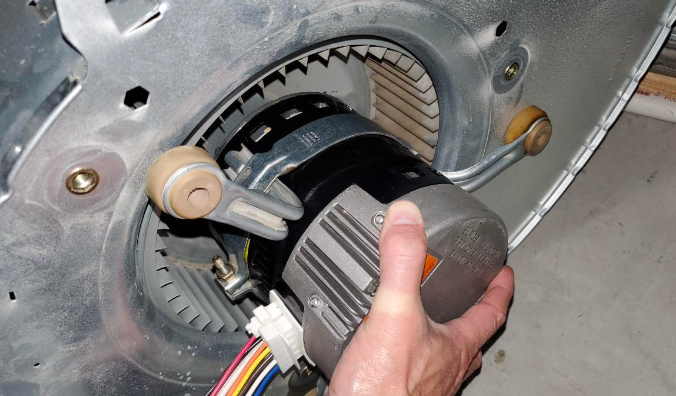
Once you’ve verified power is off, access the blower compartment. This usually involves removing an access panel. Disconnect the electrical wiring from the old motor, carefully noting the wire connections (e.g., using labels or taking pictures). Remove the blower wheel (also called a squirrel cage) from the motor shaft. This might require a puller tool if the wheel is tightly secured. Finally, unbolt or unscrew the old motor from its mounting bracket.
3. Preparing the New Blower Motor
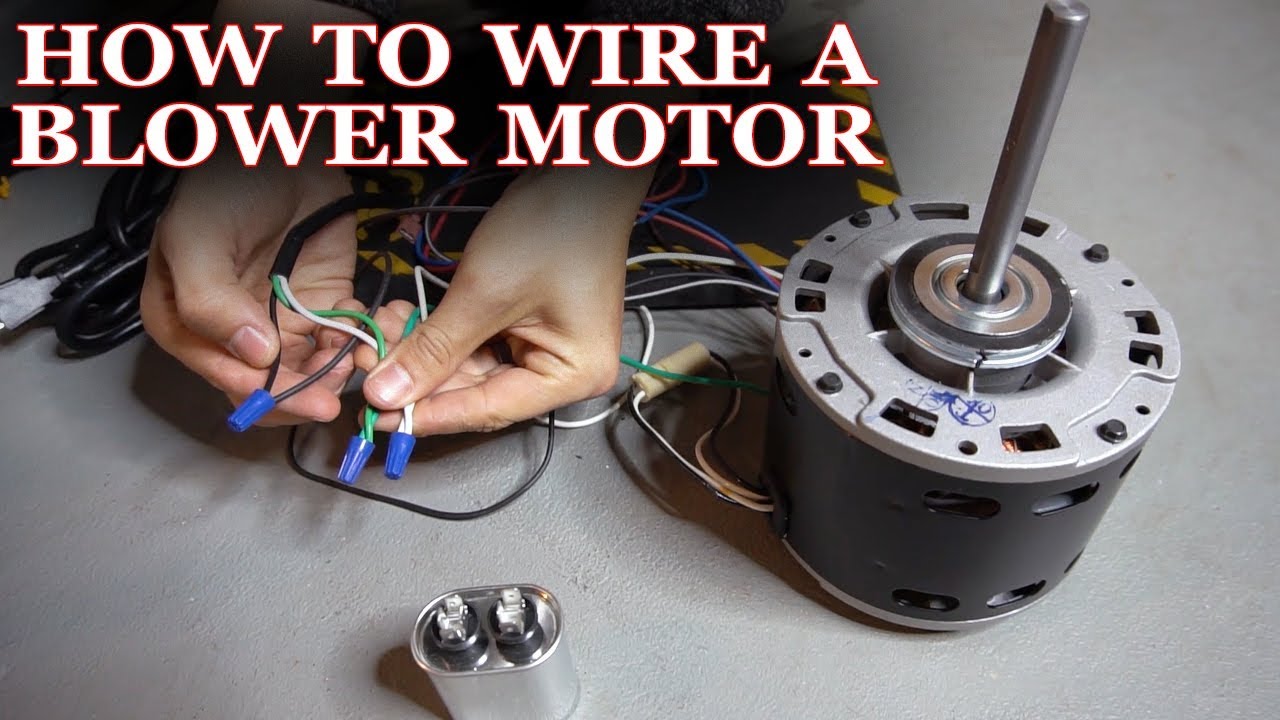
Inspect the new blower motor for any damage incurred during shipping. If the new motor doesn't come with a capacitor, transfer the old capacitor (if it's in good working order) to the new motor. Be sure to handle the capacitor with caution, as it can store an electrical charge. Verify the motor rotation is correct for the application; some motors are reversible. Also, verify that the new motor is correctly wired for the correct voltage. Many blower motors can be wired for 115/230 volts.
4. Installing the New Blower Motor
Mount the new blower motor onto the mounting bracket, ensuring it's securely fastened. Reinstall the blower wheel onto the motor shaft, aligning it properly and tightening the set screw(s) to the manufacturer's specifications. Make sure the wheel spins freely without rubbing against anything. Reconnect the electrical wiring, carefully matching the wires to their corresponding terminals based on the notes or pictures you took during removal.
5. Testing the Installation
Before closing the access panel, turn the power back on and test the blower motor. Observe the motor's operation for any unusual noises, vibrations, or overheating. Check the airflow at the vents to ensure it's within the expected range. Use an amp meter to verify the motor is drawing the correct current as indicated on the nameplate.
6. Final Steps
Once you're satisfied with the motor's performance, turn the power off again, replace the access panel, and secure it properly. Document the installation, including the date, motor specifications, and any notes or observations. This documentation can be valuable for future maintenance or troubleshooting.
Advanced Considerations and Best Practices
Beyond the basic steps, several advanced considerations can improve the quality and longevity of a blower motor installation.
- Balancing the Blower Wheel: An unbalanced blower wheel can cause excessive vibration and noise, leading to premature motor failure. If you notice any vibration, consider balancing the wheel using specialized balancing equipment.
- Motor Lubrication: Some blower motors require periodic lubrication. Check the motor's specifications and lubricate the bearings as needed using the recommended type of oil.
- Airflow Measurement: Use a manometer or anemometer to measure the static pressure and airflow of the system. This can help identify any restrictions or imbalances in the ductwork that could affect the blower motor's performance.
- Variable Speed Motors: Installing variable speed blower motors requires additional programming and setup. Consult the manufacturer's instructions for specific details.
HVAC Certifications and Career Advancement
Pursuing industry certifications can significantly enhance your career prospects as an HVAC technician. Some key certifications include:
- NATE (North American Technician Excellence): NATE certification demonstrates competency in HVAC installation, service, and repair. This is highly valued by employers.
- EPA Section 608 Certification: Required for technicians who handle refrigerants. This certification ensures compliance with environmental regulations.
- HVAC Excellence: Another reputable certification program that validates technical skills and knowledge.
According to the U.S. Bureau of Labor Statistics, the median annual wage for HVAC mechanics and installers was $51,390 in May 2021. The job outlook is projected to grow 5% from 2021 to 2031, about as fast as the average for all occupations. However, skilled technicians with certifications and specialized knowledge can command higher salaries and enjoy greater career opportunities. Experienced technicians can advance to roles such as HVAC supervisor, project manager, or service manager. Some even start their own HVAC businesses.
Real-World Career Paths
Consider these career paths for HVAC professionals:
- Residential HVAC Technician: Focuses on installing, servicing, and repairing HVAC systems in homes.
- Commercial HVAC Technician: Works on larger and more complex HVAC systems in commercial buildings.
- HVAC Service Manager: Oversees a team of technicians, schedules service calls, and manages customer relationships.
- HVAC Design Engineer: Designs and plans HVAC systems for new construction or renovation projects. Requires a strong understanding of engineering principles and building codes.
Example: Maria, a recent HVAC graduate, started her career as a residential HVAC technician. After gaining experience and obtaining NATE certification, she transitioned to a commercial HVAC technician role, working on complex systems in hospitals and office buildings. She then pursued additional training in HVAC design and is now working as an HVAC design engineer, earning a significantly higher salary.
Industry Trends and the Future of HVAC
The HVAC industry is constantly evolving, driven by technological advancements, environmental concerns, and changing consumer preferences. Some key trends include:
- Energy Efficiency: Increased demand for energy-efficient HVAC systems, such as heat pumps and high-efficiency furnaces.
- Smart HVAC Systems: Integration of smart thermostats, sensors, and controls for remote monitoring and optimization.
- Green Technologies: Adoption of environmentally friendly refrigerants and sustainable building practices.
- Indoor Air Quality (IAQ): Growing awareness of IAQ and the importance of proper ventilation and air filtration.
Staying up-to-date with these trends is essential for HVAC professionals. Continuous learning through training programs, industry conferences, and online resources is crucial for career advancement and success.
Employer Considerations: Hiring and Training
Employers in the HVAC industry face the challenge of finding and retaining skilled workers. Offering competitive salaries, comprehensive benefits, and opportunities for professional development are essential for attracting top talent. Investing in training programs, apprenticeships, and certification support can help develop a skilled workforce and ensure high-quality service.
When hiring HVAC technicians, employers should look for candidates with:
- Technical skills and knowledge
- Problem-solving abilities
- Strong communication skills
- A commitment to safety
- Relevant certifications (e.g., EPA 608, NATE)
Partnering with trade schools and vocational programs can help employers identify promising candidates and build a pipeline of qualified technicians. Offering on-the-job training and mentorship programs can further enhance the skills and knowledge of new hires.
Conclusion
Mastering blower motor installation is a cornerstone skill for any HVAC professional. By following the steps outlined in this guide, staying up-to-date with industry trends, and pursuing relevant certifications, you can build a successful and rewarding career in the HVAC industry. For employers, investing in training and development is crucial for building a skilled workforce and meeting the growing demand for HVAC services. The future of HVAC is bright, with ample opportunities for skilled technicians who are committed to excellence and innovation.