How To Install Floor Heat In Concrete
Unveiling the Warmth: A Comprehensive Guide to Installing Floor Heat in Concrete
Radiant floor heating, particularly embedded in concrete slabs, is a sought-after comfort feature in residential and commercial buildings. This guide provides a detailed walkthrough for HVAC professionals, aspiring technicians, and employers looking to understand the intricacies of installing floor heat within concrete structures. We'll cover essential steps, certifications needed, and career opportunities related to this specialized skill.
Understanding the Radiant Advantage and Market Demand
Radiant floor heating offers several advantages over traditional forced-air systems. It provides more even heat distribution, eliminates drafts, and can be more energy-efficient. According to the U.S. Energy Information Administration (EIA), radiant heating can reduce energy consumption by up to 30% compared to conventional heating systems. As energy costs rise and consumers become more environmentally conscious, the demand for radiant floor heating systems is expected to grow, creating lucrative opportunities for skilled HVAC technicians.
The Bureau of Labor Statistics projects a 6% growth in HVAC employment from 2022 to 2032, about as fast as the average for all occupations. This growth is fueled, in part, by the increasing adoption of energy-efficient technologies like radiant heating. The median annual wage for HVAC mechanics and installers was $59,620 in May 2023. However, technicians specializing in radiant floor heating installation and maintenance can often command higher salaries due to the specialized knowledge required.
Step-by-Step Guide to Installing Floor Heat in Concrete
Installing radiant floor heating in concrete involves careful planning and execution. Here's a breakdown of the key steps:
- Planning and Design: This crucial initial stage involves determining the heating load requirements for the space. Factors to consider include room size, insulation levels, window surface area, and geographic location. Accurate calculations are essential for selecting the appropriate heating system size and layout. Software tools and resources from manufacturers like Uponor and Watts Radiant can aid in this process.
- Substrate Preparation: Ensure the concrete subfloor is clean, level, and structurally sound. Any cracks or imperfections should be addressed before proceeding. Applying a vapor barrier is critical to prevent moisture migration, which can damage the heating system and reduce its efficiency.
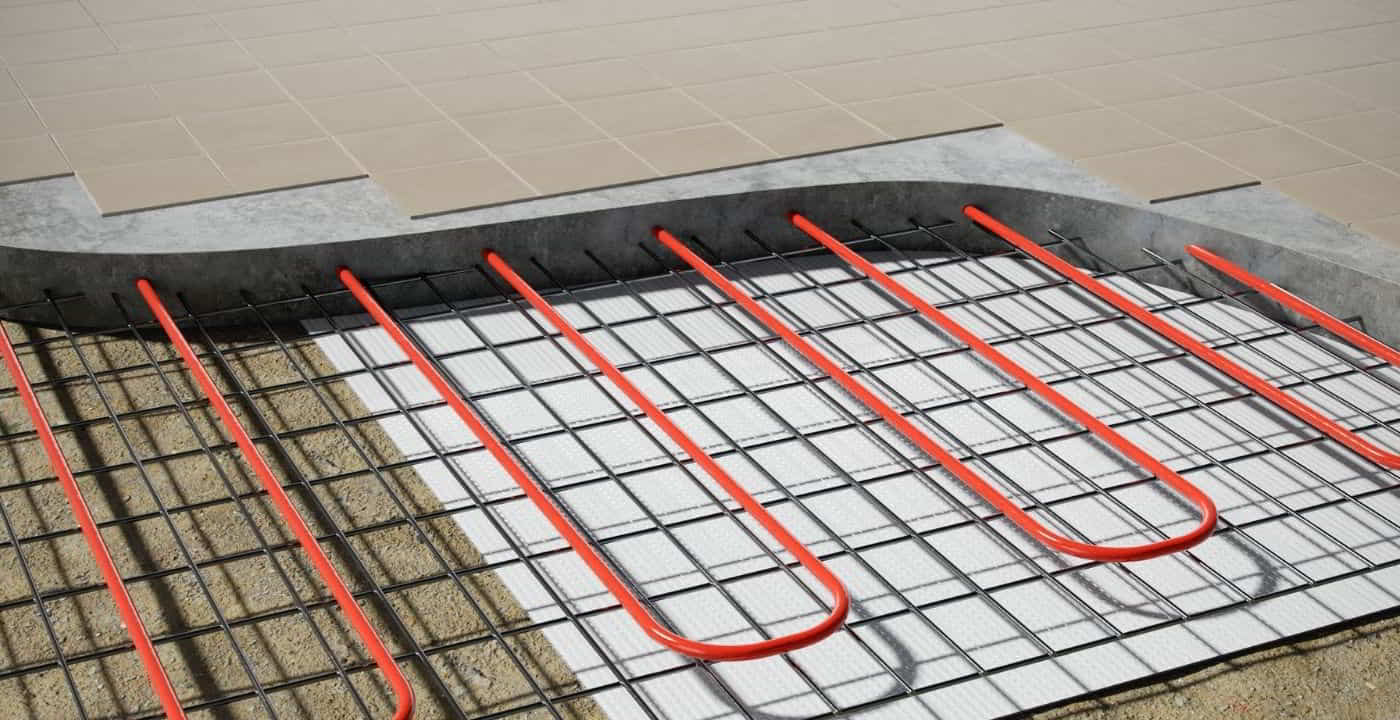
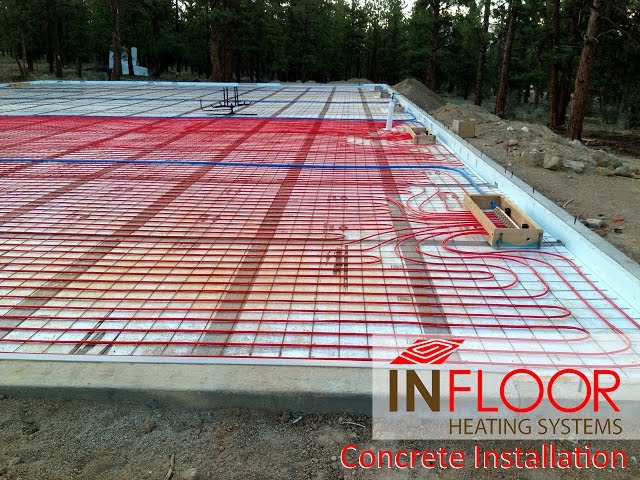
- Insulation Installation: Insulation beneath the concrete slab is vital to prevent heat loss to the ground. Rigid foam insulation, typically expanded polystyrene (EPS) or extruded polystyrene (XPS), is commonly used. The thickness of the insulation depends on the climate and building codes. Proper insulation significantly improves the system's efficiency and reduces energy consumption.
- Manifold Placement: The manifold serves as the central distribution point for the heating system. It should be located in an accessible area and protected from freezing temperatures. The manifold includes valves, pumps, and controls to regulate the flow of heated fluid through the tubing circuits.
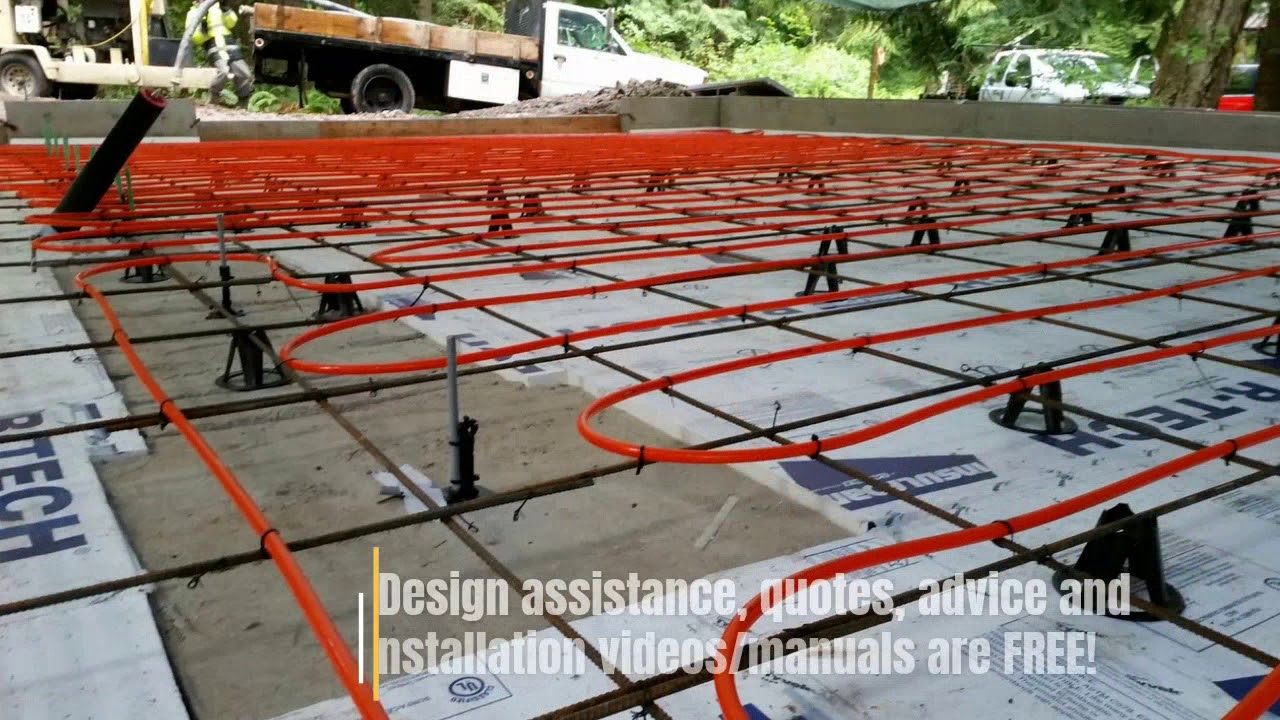
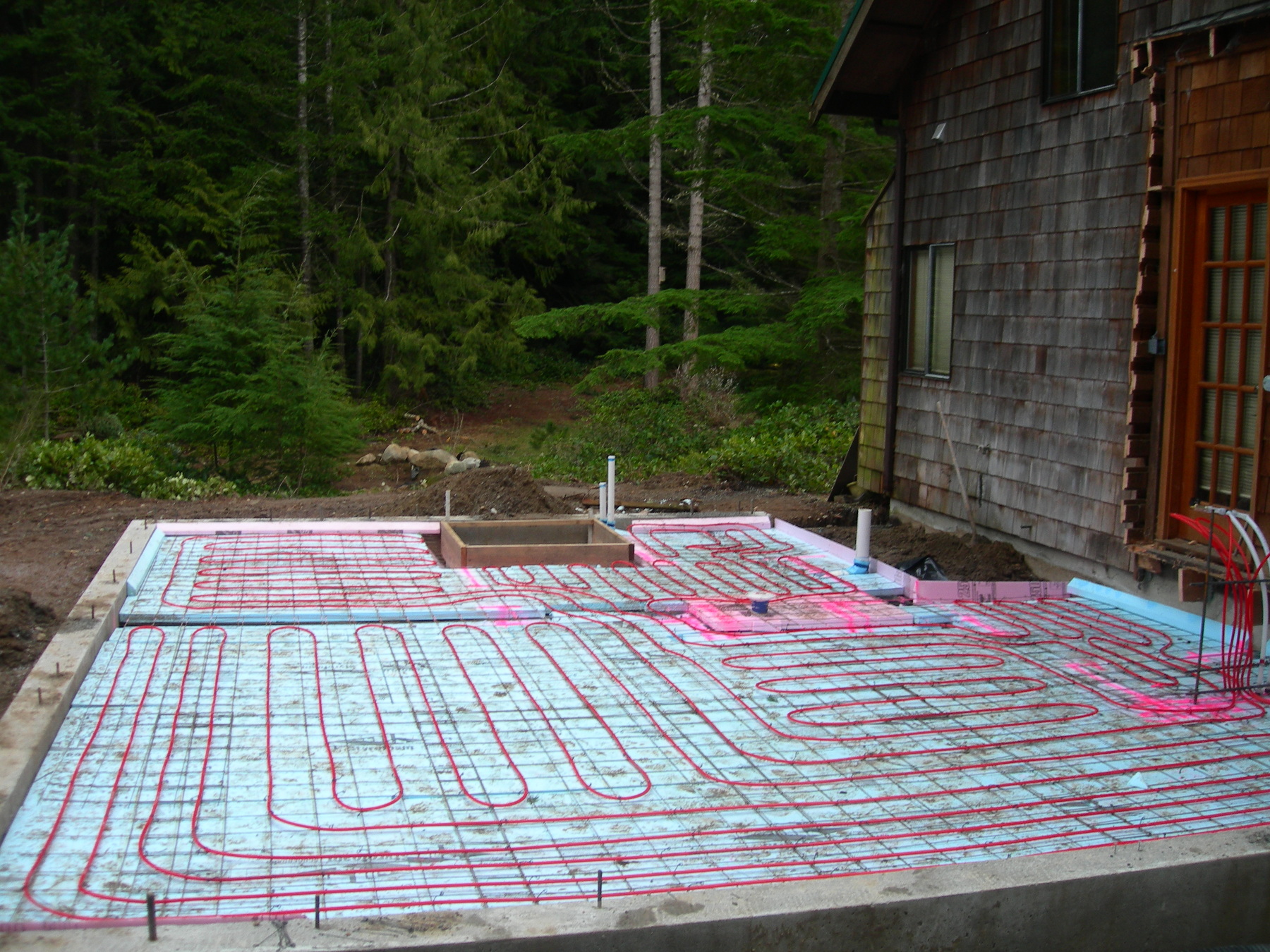
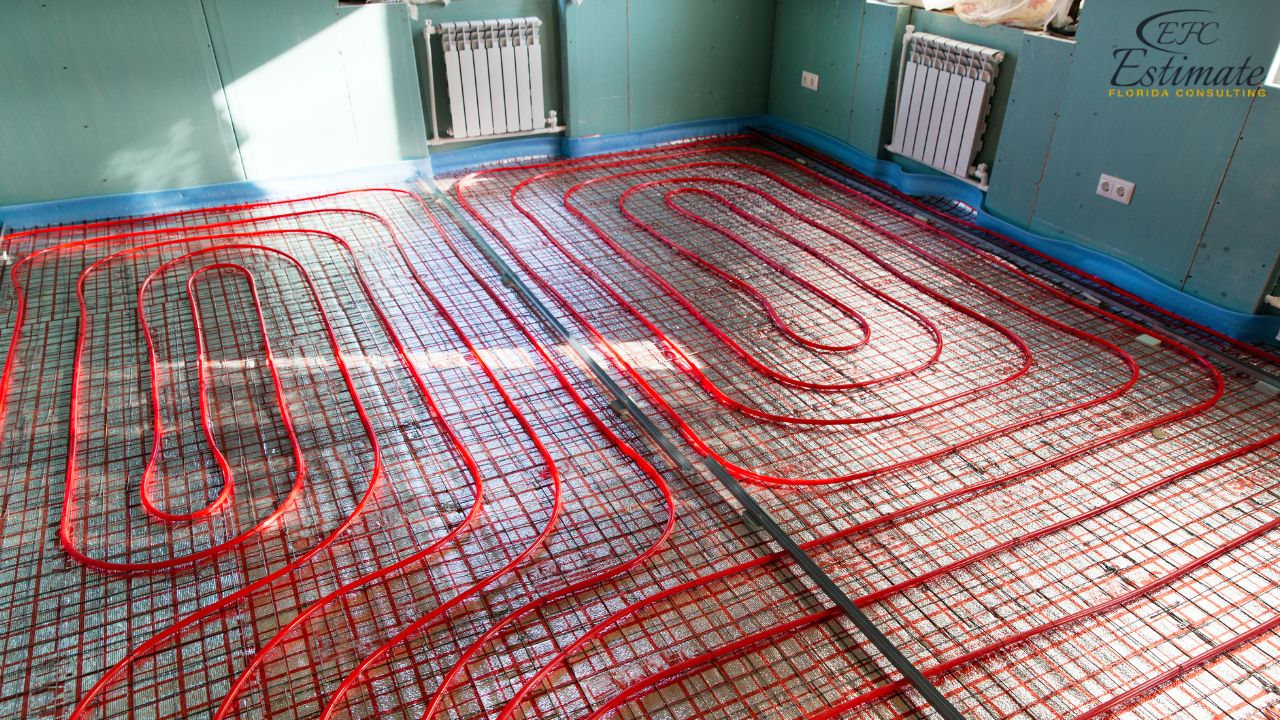
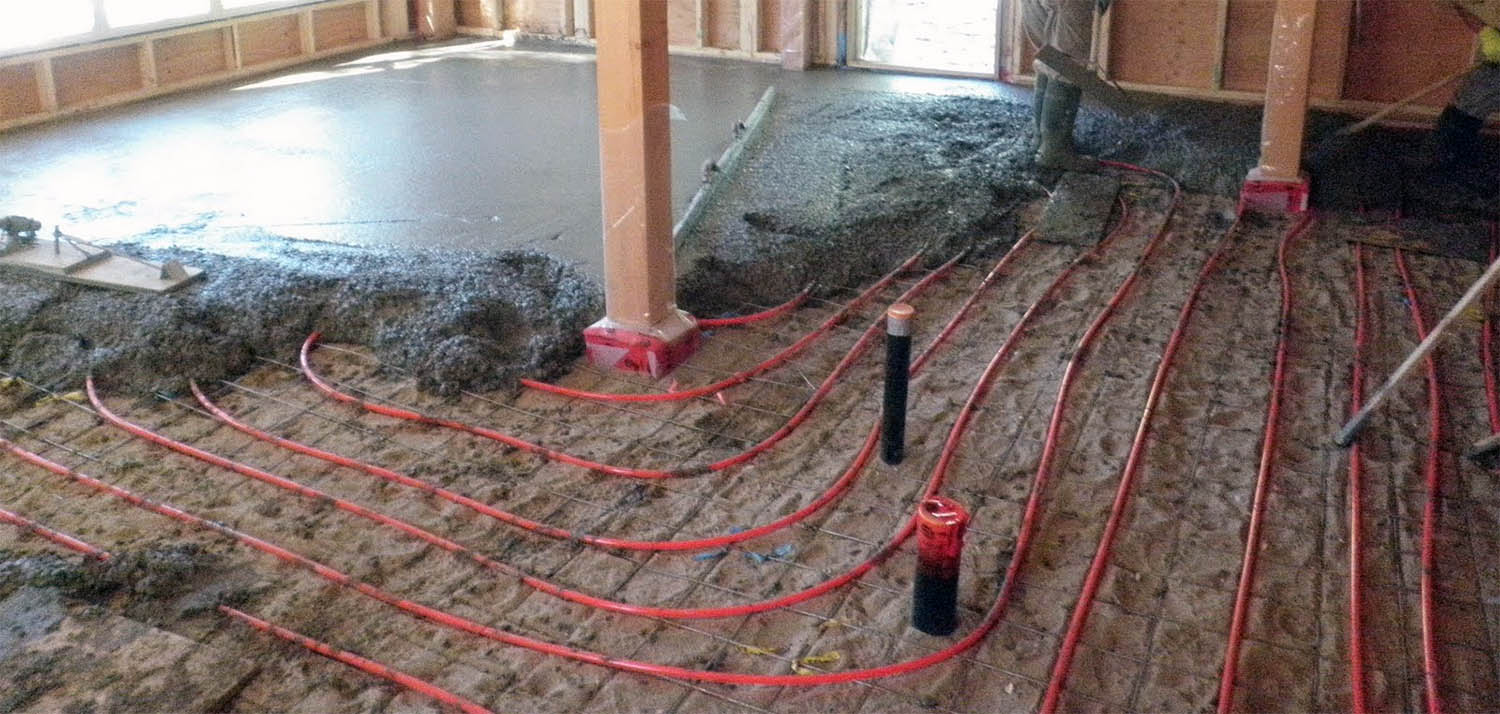
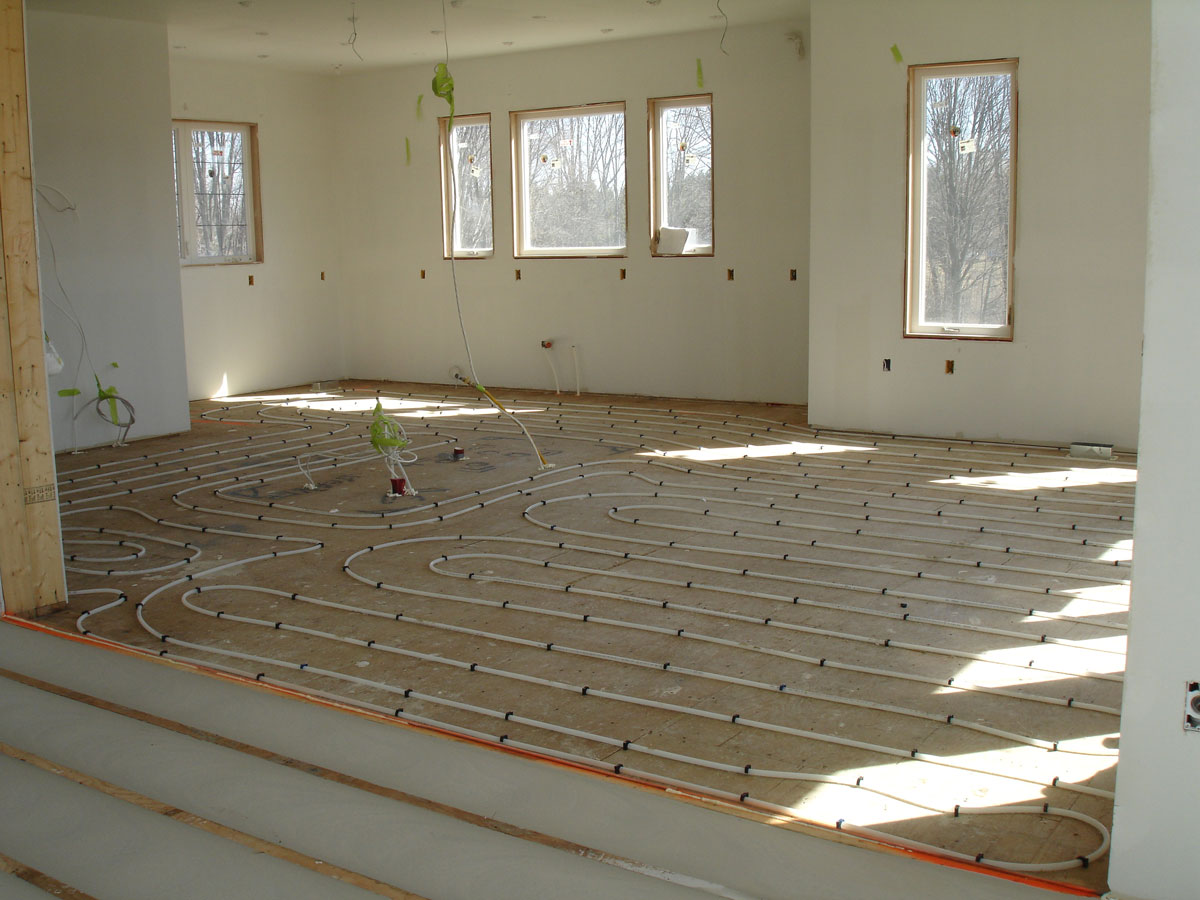
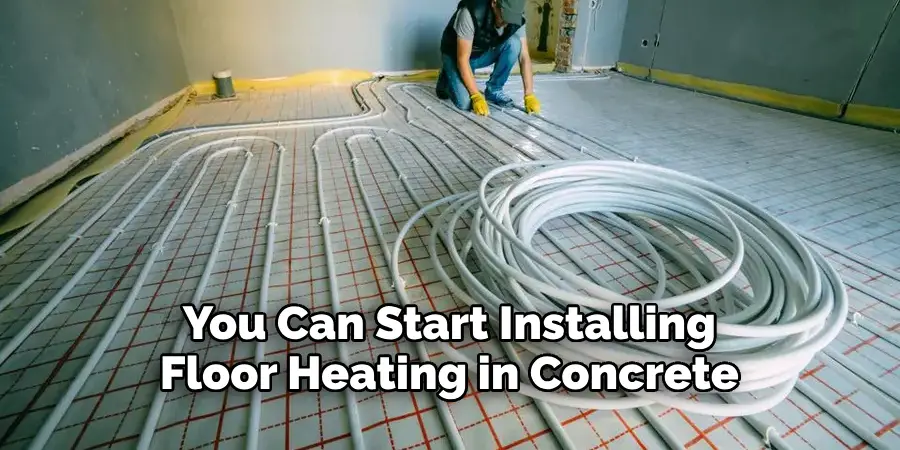
- Tubing Installation: The type of tubing used is critical for the system's performance and longevity. PEX (cross-linked polyethylene) tubing is the most common choice due to its flexibility, durability, and resistance to corrosion. The tubing is typically secured to the insulation using clips or staples, ensuring even spacing and preventing movement during the concrete pour. Careful adherence to the manufacturer's specifications for tubing spacing is crucial for uniform heat distribution.
- Pressure Testing: Before pouring the concrete, the tubing system must be pressure tested to identify any leaks. Pressurize the system with compressed air or water and monitor for pressure drops. Any leaks must be repaired before proceeding. This step is essential to prevent costly repairs after the concrete has been poured.
- Concrete Pouring: The concrete mix should be designed for radiant floor heating applications. The concrete should be poured carefully to avoid damaging the tubing. Vibration is often used to consolidate the concrete and ensure it fully encapsulates the tubing.
- Curing: Proper curing of the concrete is essential to prevent cracking and ensure the long-term integrity of the floor. The concrete should be kept moist for several days to allow it to hydrate properly.
- System Connection and Commissioning: After the concrete has cured, the heating system can be connected to the heat source (e.g., boiler, heat pump). The system should be flushed and filled with the appropriate fluid (e.g., water, glycol solution). The system should then be commissioned to ensure it is operating correctly and efficiently.
- Controls and Thermostats: Installation of proper controls and thermostats is essential for optimizing system performance and user comfort. Programmable thermostats allow users to adjust the temperature based on their schedules, further enhancing energy efficiency.
Essential Certifications and Training for HVAC Professionals
Several certifications can enhance your credibility and expertise in radiant floor heating installation and maintenance:
- NATE (North American Technician Excellence): NATE certification is a nationally recognized credential that demonstrates a technician's knowledge and skills. While there isn't a specific NATE certification for radiant floor heating, obtaining general HVAC certifications and then focusing on specialized training is a common path.
- EPA Section 608 Certification: Required for technicians handling refrigerants, particularly if the heat source is a heat pump. This certification demonstrates compliance with federal regulations regarding refrigerant handling and disposal.
- Manufacturer-Specific Training: Companies like Uponor, Watts Radiant, and Rehau offer comprehensive training programs on their radiant floor heating systems. These programs provide hands-on experience and in-depth knowledge of specific product lines. Completing manufacturer-specific training can significantly enhance your marketability and expertise.
- Hydronics Training: Courses focused on hydronics (the use of water or other liquids as a heat-transfer medium) are crucial. These courses cover topics such as system design, component selection, and troubleshooting.
Career Paths and Earning Potential
Specializing in radiant floor heating can open doors to various career paths within the HVAC industry:
- Radiant Heating Installer: Focuses on the installation of radiant floor heating systems in residential and commercial buildings.
- HVAC Technician (Specializing in Radiant): Provides installation, maintenance, and repair services for radiant heating systems.
- HVAC System Designer: Designs radiant floor heating systems, considering factors such as heating load requirements, energy efficiency, and cost-effectiveness.
- HVAC Sales Engineer: Sells radiant floor heating systems to contractors, builders, and homeowners. A strong understanding of the technology and its benefits is essential.
- HVAC Project Manager: Oversees the installation of radiant floor heating systems, ensuring projects are completed on time and within budget.
The salary range for HVAC technicians specializing in radiant floor heating can vary depending on experience, location, and certifications. However, experienced technicians with specialized skills can often earn significantly more than the median annual wage. For example, a senior HVAC technician with NATE certification and manufacturer-specific training in radiant floor heating could potentially earn $70,000 to $90,000 per year or more. Employers are increasingly willing to pay a premium for skilled workers who can deliver high-quality installations and exceptional customer service.
Real-World Example: From Apprentice to Radiant Heat Specialist
Consider the career path of Maria, a recent HVAC graduate. Maria started as an apprentice at a local HVAC company. She quickly showed interest in radiant heating and proactively sought out additional training. She obtained her EPA 608 certification and completed manufacturer-specific training programs from Uponor. Within a few years, Maria became the company's go-to expert for radiant floor heating installations. Her expertise and dedication led to a promotion to senior technician and a significant increase in her salary. Maria's success story highlights the importance of continuous learning and specialization in a rapidly evolving industry.
Employer Considerations: Hiring and Training Skilled Workers
For employers in the HVAC industry, investing in the training and development of their workforce is crucial for staying competitive. When hiring technicians for radiant floor heating installations, look for candidates with:
- Relevant certifications (NATE, EPA 608).
- Experience with hydronic systems.
- Manufacturer-specific training.
- A strong understanding of building codes and safety regulations.
- Excellent problem-solving skills.
Providing ongoing training and professional development opportunities can help retain skilled workers and ensure they stay up-to-date with the latest technologies and best practices. Consider offering tuition reimbursement for relevant certifications and training programs. Partnering with local trade schools and community colleges can also provide access to a pipeline of qualified candidates.
The Future of Radiant Floor Heating
Radiant floor heating is poised for continued growth as consumers seek more comfortable and energy-efficient heating solutions. Technological advancements, such as smart controls and renewable energy integration, are further enhancing the appeal of radiant heating systems. As the industry evolves, HVAC professionals who embrace continuous learning and specialize in emerging technologies will be well-positioned for success.
Investing in the knowledge and skills required to install and maintain radiant floor heating systems is a smart career move for HVAC professionals. By staying ahead of the curve and embracing new technologies, you can build a rewarding and lucrative career in a growing field.
Remember that proper installation is the key to efficiency, effectiveness, and longevity of the system. Always consult local codes and regulations, and follow the manufacturer's instructions. Seek expert advice when needed. With careful planning, skilled execution, and a commitment to quality, you can create a comfortable and energy-efficient heating solution for your clients.