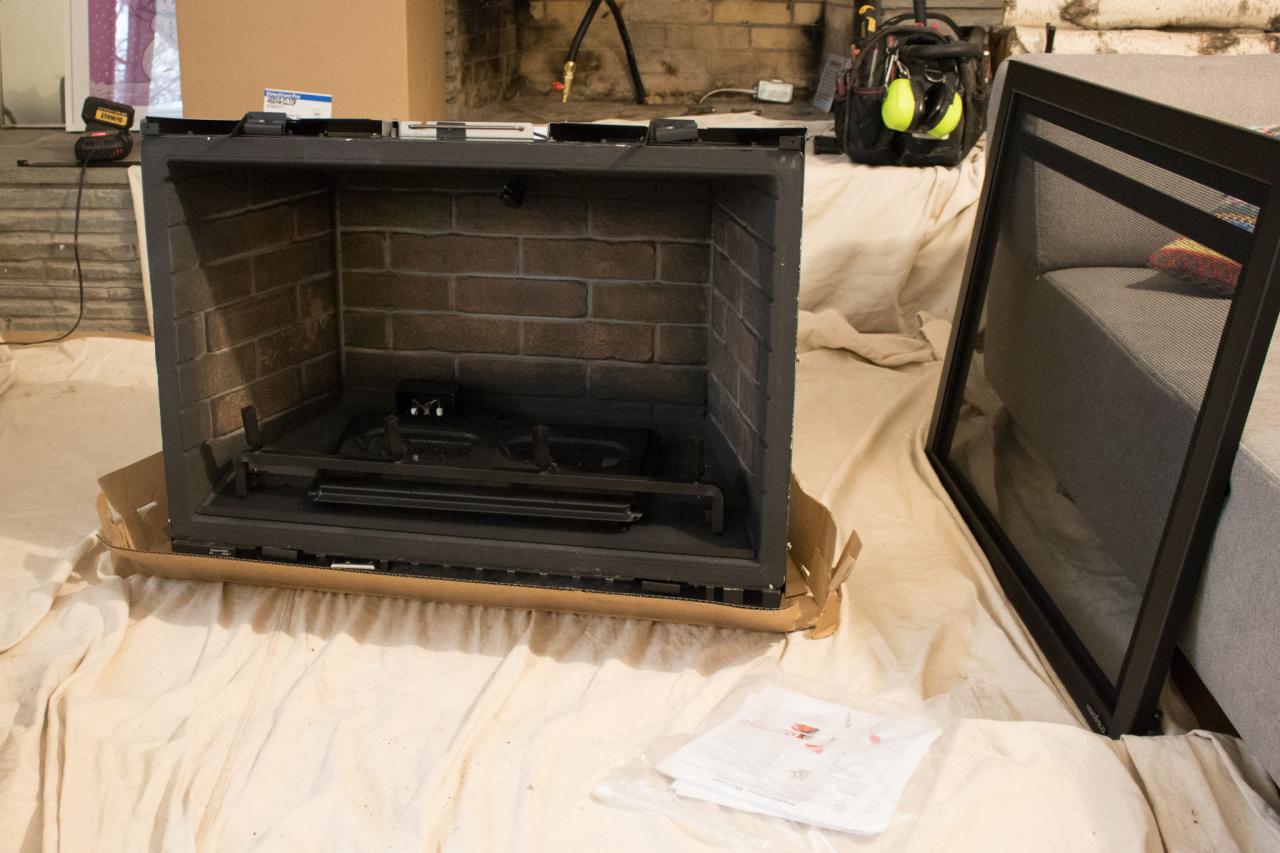
How To Install Gas Fireplace Insert

The flickering warmth of a gas fireplace insert transforms drafty, inefficient hearths into inviting focal points. But installing one isn’t just about aesthetics; it’s a project demanding precision, technical knowledge, and adherence to safety standards. This guide provides a comprehensive overview of gas fireplace insert installation, geared towards HVAC students, seasoned technicians, and employers seeking qualified professionals in this growing field.
Understanding the Market & Career Opportunities
The demand for HVAC technicians, including those specializing in gas appliance installation and maintenance, is steadily rising. According to the Bureau of Labor Statistics, the job outlook for HVAC mechanics and installers is projected to grow 6 percent from 2022 to 2032. This growth is fueled by new construction, the increasing need for energy-efficient heating solutions, and the replacement of aging HVAC systems. As homeowners prioritize comfort and energy savings, the popularity of gas fireplace inserts continues to climb, creating a niche market for skilled installers.
Entry-level positions in HVAC, including assisting with gas appliance installation, can start with a median salary of $51,390 per year (as of May 2022). However, with experience, specialized certifications, and expertise in areas like gas fireplace insert installation, technicians can significantly increase their earning potential. Senior technicians, project managers, and business owners can command salaries well above the median.
Certification is Key: NATE (North American Technician Excellence) certification is highly regarded in the HVAC industry. While not always mandatory, NATE certification demonstrates a technician's competence and commitment to professional standards. Similarly, possessing an EPA Section 608 certification (required for handling refrigerants) can broaden your skillset and make you more marketable. For gas appliance work, certifications from organizations like the National Fireplace Institute (NFI) are incredibly valuable and often preferred by employers. Other relevant certifications include those related to gas piping and safety codes.
Career Paths: A career in gas fireplace insert installation can lead to various paths. Some technicians choose to specialize in residential installations, while others focus on commercial projects. Some advance to supervisory roles, managing teams of installers, while others start their own HVAC businesses. Continuous learning and staying updated with the latest technologies and codes are crucial for career advancement.
Gas Fireplace Insert Installation: A Step-by-Step Guide
Disclaimer: Gas fireplace insert installation is a complex and potentially dangerous task. It should only be performed by qualified and licensed professionals. This guide is for informational purposes only and does not constitute professional advice. Always consult local codes and regulations and follow manufacturer's instructions.
Phase 1: Preparation & Assessment
- Obtain Necessary Permits: Before starting any work, obtain the required permits from your local building department. This ensures that the installation meets safety standards and code requirements.
- Thorough Inspection: Inspect the existing fireplace and chimney. Look for cracks, deterioration, or any structural issues. The chimney must be clean and in good working order. A professional chimney sweep should inspect and clean the chimney prior to installation.
- Measure & Select the Right Insert: Accurately measure the fireplace opening to determine the appropriate size insert. Consider the heating capacity (BTUs) needed for the space. Refer to the manufacturer's specifications for clearance requirements and installation guidelines.
- Gather Tools & Materials: Ensure you have all the necessary tools and materials, including:
- Pipe wrench
- Screwdrivers (various sizes)
- Level
- Measuring tape
- Drill with appropriate bits
- Gas leak detector
- Sealant (approved for gas applications)
- Chimney liner kit (if required)
- Gas piping and fittings
- Protective gloves and eyewear
Phase 2: Chimney Liner Installation (If Required)
Many gas fireplace insert installations require a new chimney liner. This is often the most challenging part of the process.
- Prepare the Chimney: Remove any obstructions in the chimney flue.
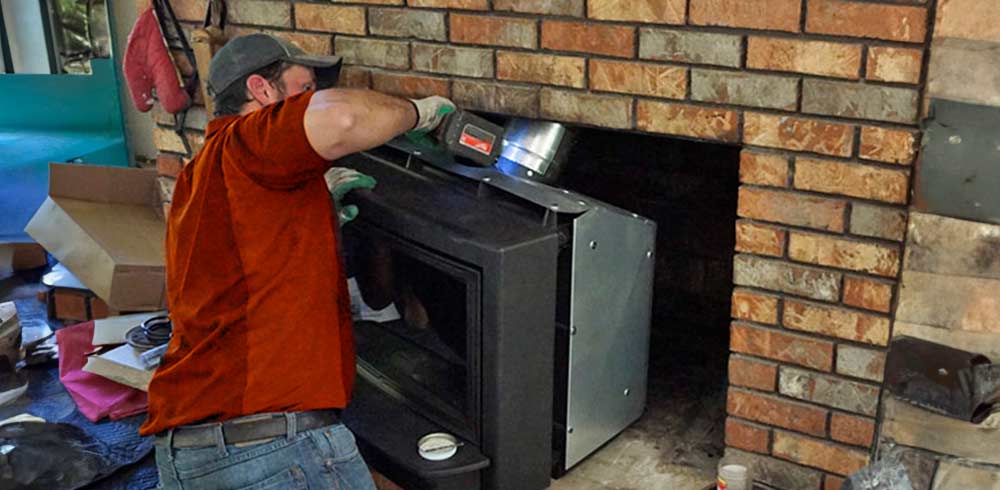
- Install the Liner: Carefully lower the flexible stainless steel chimney liner down the chimney flue. Connect the liner to the insert's flue collar, ensuring a secure and airtight seal. Some installations require insulation around the liner. Consult the manufacturer's instructions for specific requirements.
- Secure the Liner: Secure the top of the liner to the chimney crown using a top plate and sealant. Ensure the liner is properly supported and protected from the elements.
Phase 3: Gas Line Connection
Warning: Working with gas lines is extremely dangerous. If you are not a qualified and licensed professional, do not attempt to connect the gas line. Call a qualified technician.
- Shut Off Gas Supply: Turn off the gas supply to the fireplace at the main shut-off valve.
- Connect the Gas Line: Connect the gas supply line to the insert's gas valve, using appropriate fittings and sealant. Ensure all connections are tight and leak-free. It is crucial to use a gas-approved sealant (pipe dope) specifically designed for gas applications.
- Pressure Test: After connecting the gas line, perform a pressure test to check for leaks. Use a gas leak detector to check all connections. If any leaks are detected, tighten the connections or replace the fittings and retest.
Phase 4: Insert Placement & Finishing
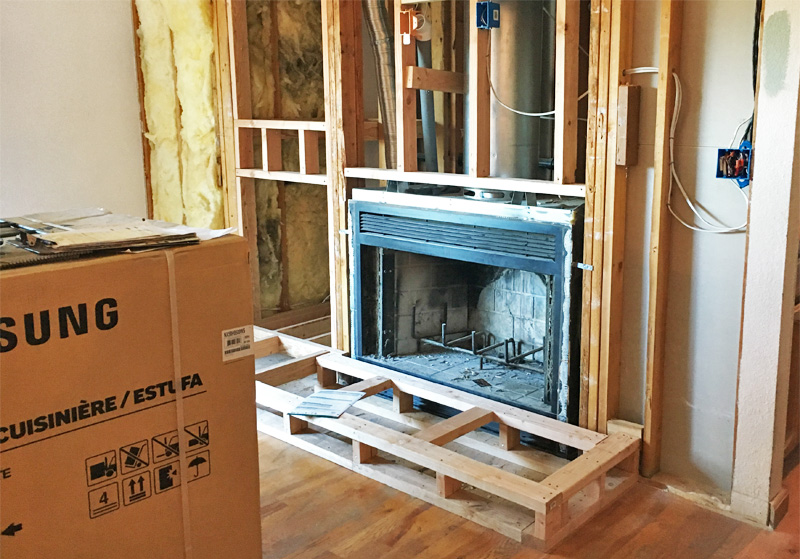
- Carefully Position the Insert: Carefully slide the gas fireplace insert into the fireplace opening. Ensure it is level and properly aligned.
- Connect Electrical Components (if applicable): If the insert has electrical components, such as a blower or ignition system, connect them according to the manufacturer's instructions.
- Install Decorative Trim: Install the decorative trim or surround to cover any gaps between the insert and the fireplace opening.
- Final Inspection & Testing: Perform a final inspection to ensure all connections are secure and all components are functioning correctly. Turn on the gas supply and test the fireplace insert to ensure it ignites properly and operates safely.
Phase 5: Client Education
A crucial, often overlooked step. Inform the homeowner about the fireplace operation, safety precautions, and required maintenance. Provide the manufacturer's manual and warranty information. Schedule a follow-up visit to address any questions or concerns.
The Importance of Continuous Learning
The HVAC industry is constantly evolving, with new technologies and regulations emerging regularly. Technicians must stay updated to remain competitive and provide the best possible service. Consider these avenues for continuous learning:
- Manufacturer Training Programs: Many manufacturers offer training programs on their products. These programs provide valuable insights into installation, maintenance, and troubleshooting.
- Industry Conferences and Workshops: Attending industry conferences and workshops is a great way to learn about the latest trends and technologies.
- Online Courses and Resources: Numerous online courses and resources are available for HVAC professionals.
- Mentorship Programs: Seek out mentorship opportunities with experienced technicians.
Employer Considerations
For employers in the HVAC industry, hiring qualified technicians with expertise in gas appliance installation is essential. When recruiting, look for candidates with relevant certifications (NATE, NFI, etc.), proven experience, and a commitment to safety. Investing in employee training and development is crucial for retaining talent and ensuring high-quality service. Consider offering:
- Competitive Salaries and Benefits: Attract and retain top talent by offering competitive salaries and benefits packages.
- Training and Development Opportunities: Provide opportunities for employees to enhance their skills and knowledge through training programs and certifications.
- Safety Training: Implement comprehensive safety training programs to ensure that employees are aware of potential hazards and follow safety procedures.
- Clear Career Paths: Offer clear career paths and opportunities for advancement to motivate employees and foster a sense of loyalty.
In conclusion, mastering gas fireplace insert installation requires a combination of technical skills, knowledge of safety codes, and a commitment to continuous learning. For HVAC students and technicians, specializing in this area can lead to rewarding career opportunities. For employers, investing in skilled and certified technicians is essential for delivering high-quality service and ensuring customer satisfaction. By prioritizing training, certification, and adherence to safety standards, both individuals and businesses can thrive in this dynamic and growing segment of the HVAC industry.